
Blantyre
February 1, 2026Lilongwe
February 1, 2026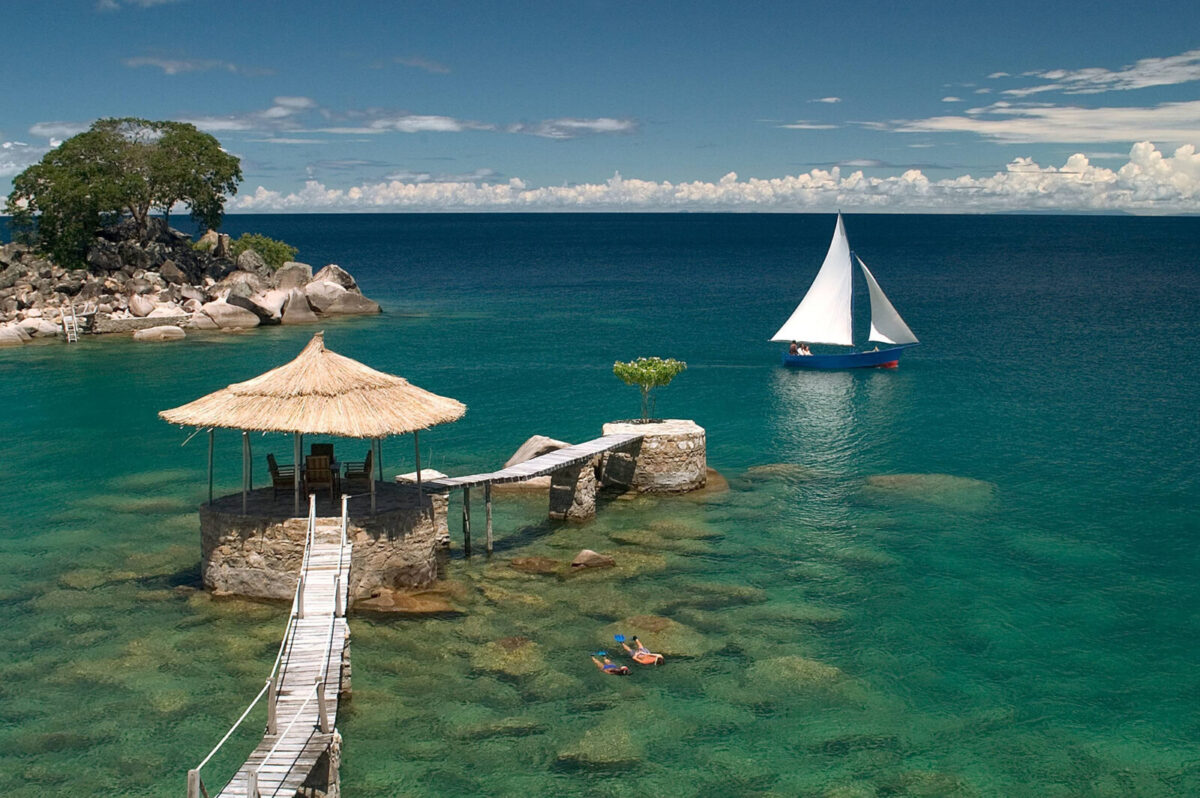
Lake Malawi
Lake Malawi is one of Africa’s most spectacular natural landmarks, stretching along the eastern edge of Malawi and forming part of the Great Rift Valley system. Often referred to as the “Lake of Stars,” the lake is famous for its clear blue waters, sandy beaches, and remarkable biodiversity.
Covering nearly one-fifth of Malawi’s total land area, Lake Malawi is the third-largest lake in Africa and one of the deepest lakes in the world. Its vast size, warm waters, and scenic shoreline make it a central feature of the country’s tourism experience.
The lake offers a unique combination of relaxation, water-based activities, and cultural encounters, making it one of the most rewarding destinations in southern Africa.
Why Book This Destination
Explore More about Lake Malawi
Geography and Landscape
Lake Malawi stretches over 560 kilometers from north to south, bordered by Malawi, Mozambique, and Tanzania. The lake is surrounded by varied landscapes that include sandy beaches, rocky shores, forested hills, and small islands.
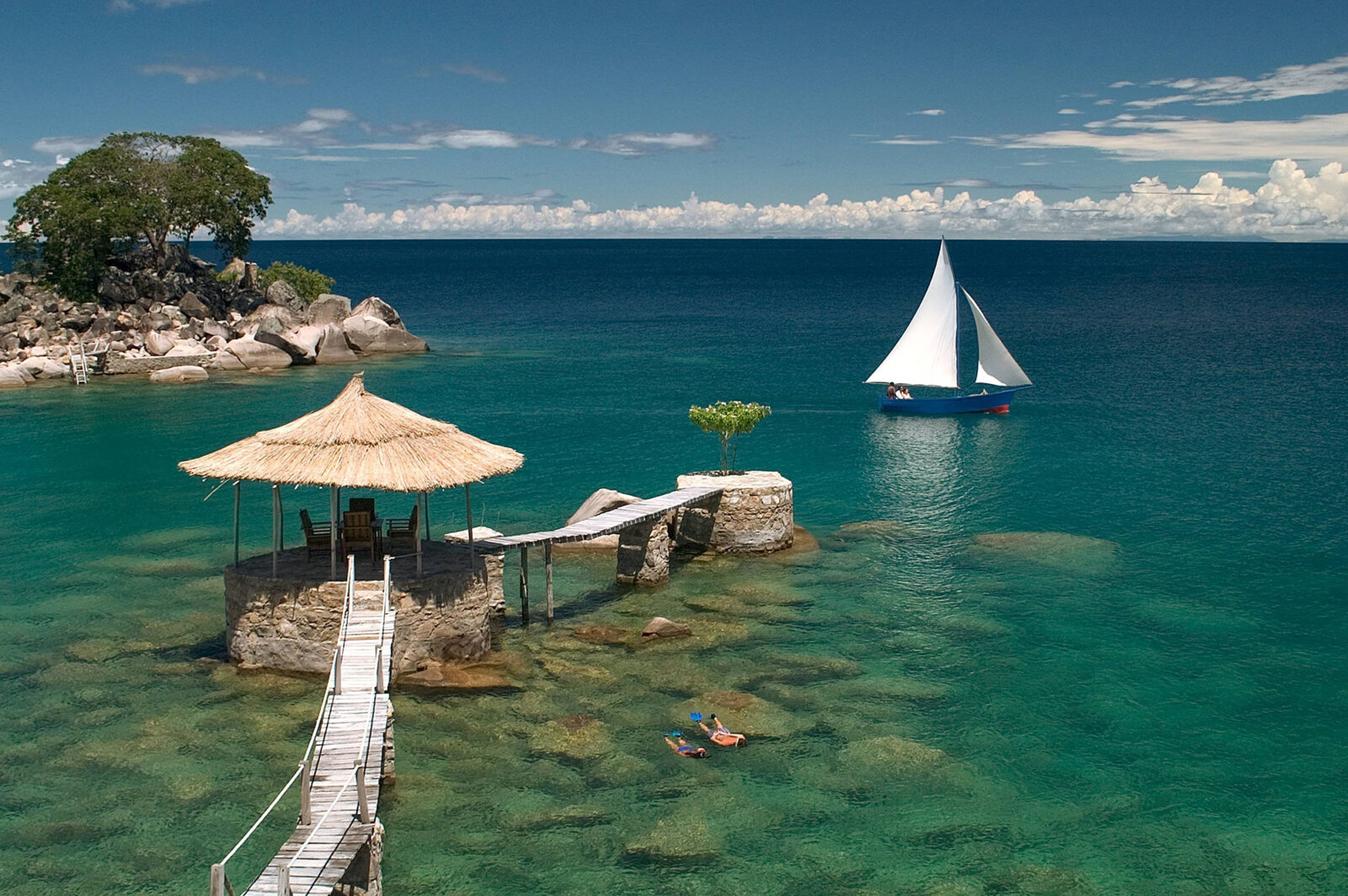
The shoreline changes dramatically from one region to another. Some areas feature long, palm-fringed beaches ideal for relaxation, while others offer rocky outcrops and clear waters that are perfect for snorkeling.
The surrounding hills and escarpments provide scenic viewpoints overlooking the lake, creating striking contrasts between land and water.
Unique Biodiversity
Lake Malawi is globally recognized for its extraordinary biodiversity, particularly its cichlid fish species. The lake is home to hundreds of these colorful fish, many of which are endemic and found nowhere else in the world.
This makes Lake Malawi one of the most important freshwater ecosystems on Earth. The fish display a wide range of colors and behaviors, creating an underwater environment that rivals tropical coral reefs in diversity.
In addition to fish, the lake supports birdlife and other aquatic species that depend on its ecosystems.
Lake Malawi National Park
Lake Malawi National Park protects a section of the lake and its surrounding islands. It is the world’s first freshwater national park and has been designated a UNESCO World Heritage Site due to its ecological significance.
The park includes rocky islands and clear waters where visitors can explore underwater habitats through snorkeling and diving. Conservation efforts within the park aim to protect the lake’s biodiversity while promoting sustainable tourism.
This protected area plays a key role in preserving one of Africa’s most unique natural environments.
Beaches and Island Destinations
Lake Malawi offers a wide range of beach and island experiences. Areas such as Likoma Island are known for their white sandy beaches, clear waters, and relaxed atmosphere.
Other regions along the shoreline feature secluded coves and small fishing villages where visitors can experience local life. The diversity of beach settings allows travelers to choose between lively resort areas and quiet, remote retreats.
Island destinations provide an added sense of exclusivity and scenic beauty.
Water Activities
The lake’s calm and warm waters make it ideal for a variety of water-based activities. Swimming is one of the most popular experiences, as the water is generally clear and inviting.
Snorkeling allows visitors to observe the lake’s colorful cichlid fish in their natural habitat, particularly around rocky areas. Kayaking and paddleboarding provide peaceful ways to explore the shoreline, while boat trips and dhow cruises offer scenic journeys across the lake.
These activities allow visitors to fully experience the lake’s natural beauty.
Cultural Life Along the Lake
Communities along the shores of Lake Malawi maintain strong cultural traditions linked to fishing and lakeside living. Visitors often encounter local fishermen using traditional methods to catch fish that form an important part of the local diet.
Village visits provide insight into daily life, cultural practices, and the relationship between people and the lake. The warm hospitality of local communities enhances the travel experience.
These cultural interactions add depth to the natural beauty of the region.
Accommodation Around the Lake
Lake Malawi offers a wide range of accommodation options including luxury lodges, boutique island retreats, and midrange beach resorts. Many properties are located directly on the shoreline, providing easy access to water activities and scenic views.
Lodges often feature open-air designs, private beaches, and relaxed environments that reflect the laid-back atmosphere of the lake.
This variety ensures that travelers can find accommodation suited to their preferences and travel style.
Best Time to Visit
Lake Malawi can be visited throughout the year, though the dry season between May and October generally provides the best conditions for travel. During this period the weather is sunny and the lake is calm, making it ideal for water activities.
The warmer months between November and March offer higher temperatures and excellent swimming conditions, though occasional rain showers may occur.
Seasonal changes provide different experiences while maintaining the lake’s overall appeal.
Overall Experience
Lake Malawi offers a unique blend of natural beauty, biodiversity, and cultural richness. Its clear waters, sandy beaches, and vibrant aquatic life create an environment that feels both relaxing and adventurous.
For travelers exploring Malawi, the lake provides a perfect complement to wildlife safaris and highland landscapes, offering a refreshing and memorable experience along one of Africa’s most beautiful freshwater shores.
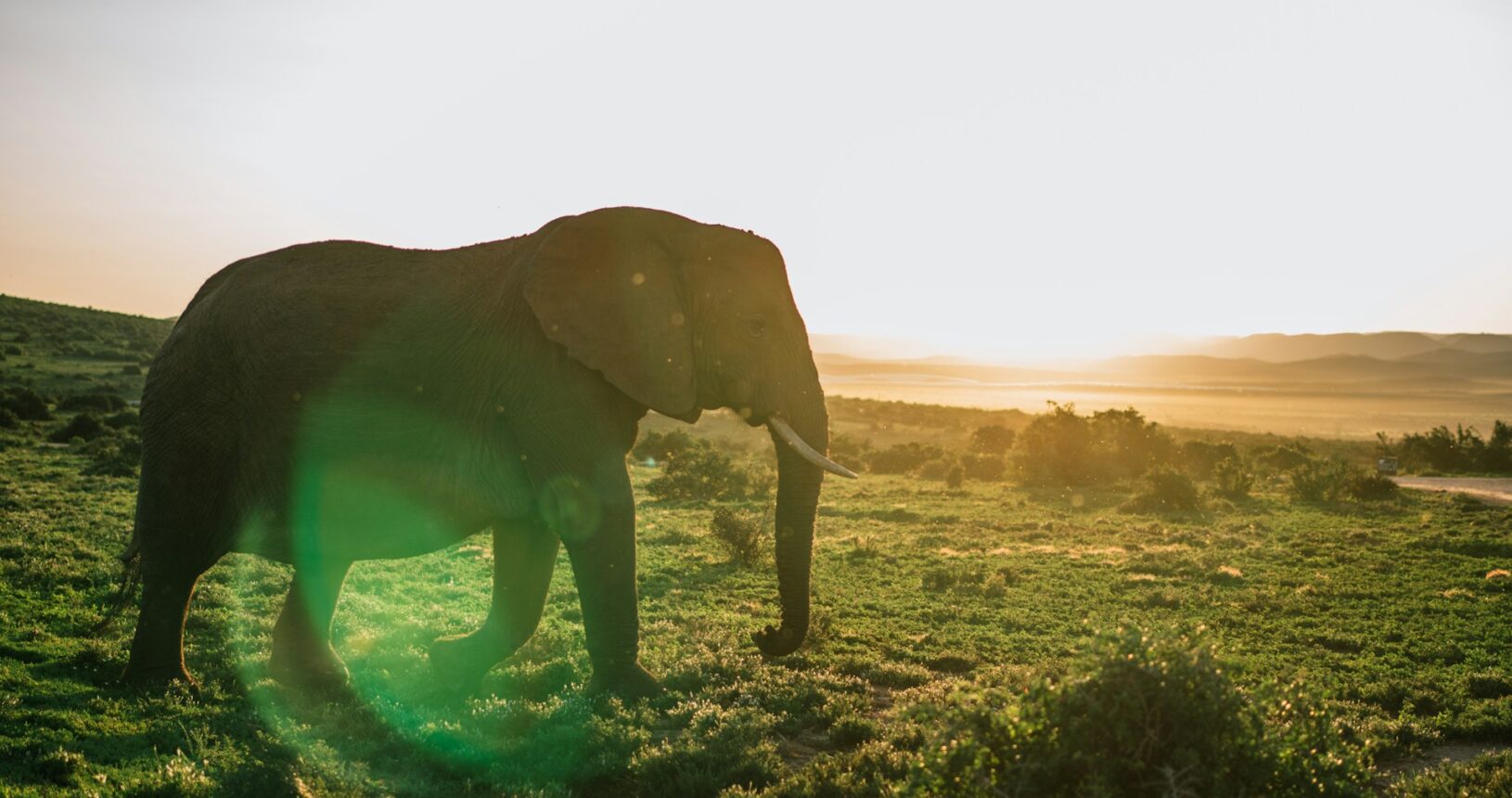
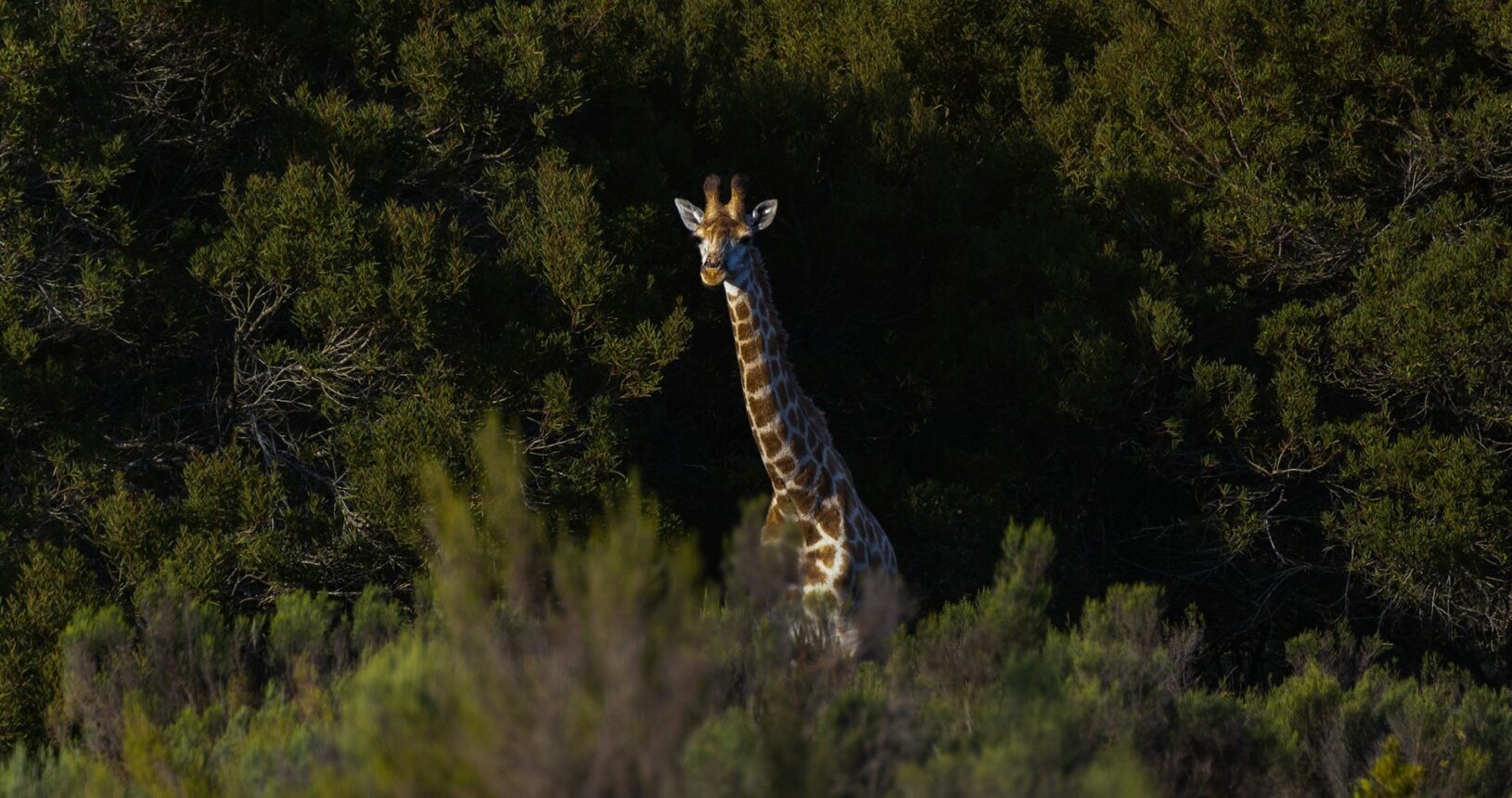
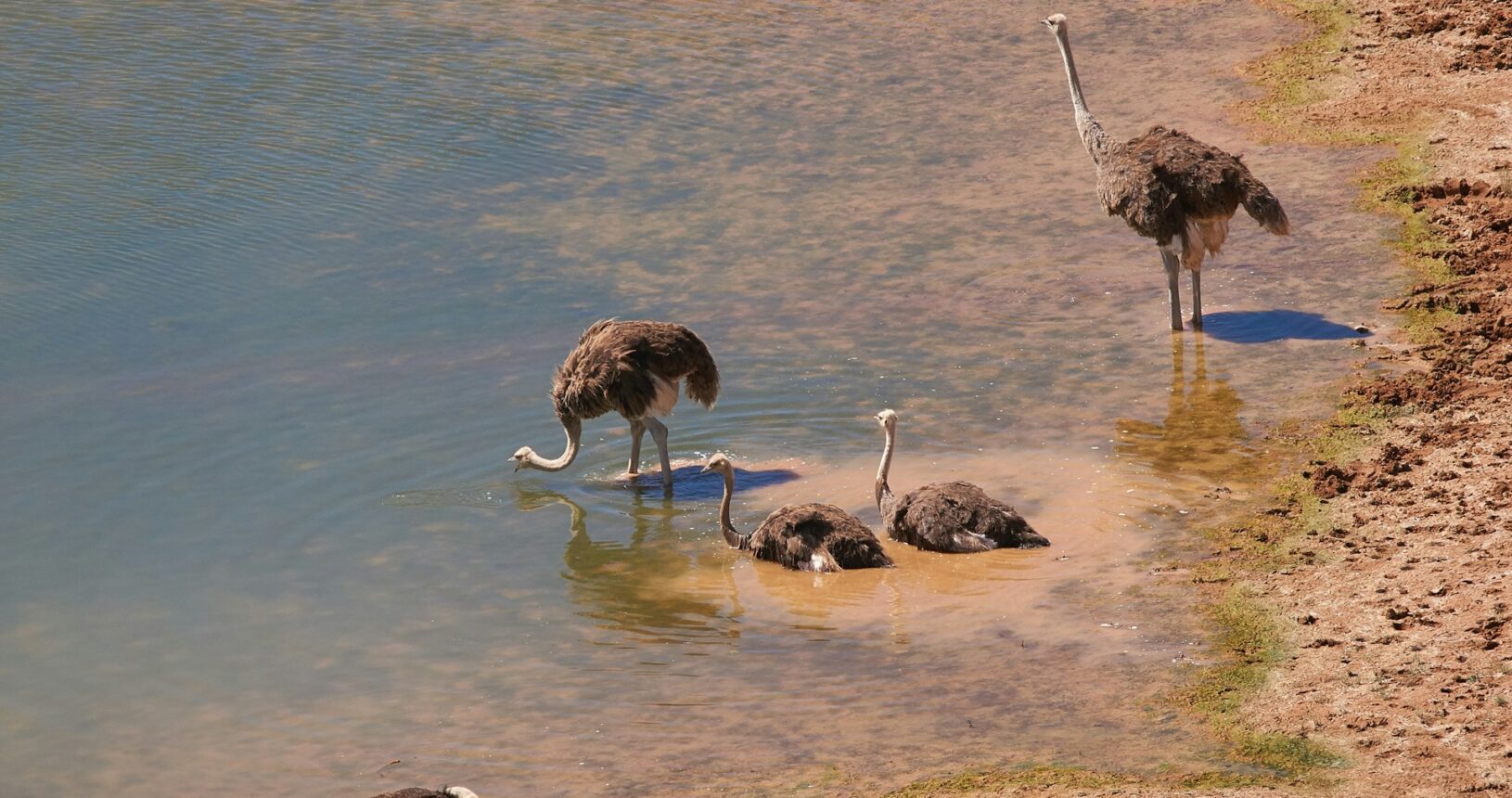
In Africa’s national parks, every sunrise paints a masterpiece — where the wild’s call echoes across endless horizons. Visiting these parks is to witness nature in its purest form, a timeless dance that stirs the soul.
Steps to Book Your Southern Africa Tour
Choose Your Adventure
Confirm Your Booking
Begin Your Journey
Ready to plan your tailor-made safari?