

Malawi Culture
February 1, 2026
Pumulani Lodge
February 1, 2026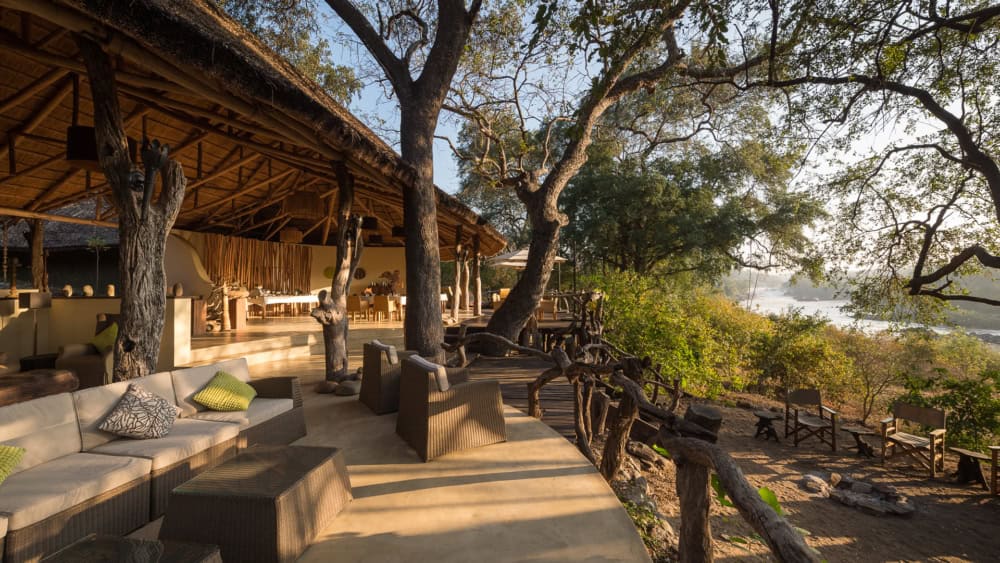
Sustainable Travel in Malawi
Sustainable travel in Malawi focuses on protecting the country’s natural environments while supporting local communities and preserving cultural heritage. As tourism continues to grow across the region, Malawi has increasingly embraced responsible travel practices that ensure tourism benefits both wildlife conservation and community development.
Often referred to as the “Warm Heart of Africa,” Malawi offers travelers the opportunity to experience pristine landscapes such as Lake Malawi, national parks, and traditional villages while contributing positively to the country’s long-term sustainability.
Responsible tourism initiatives across Malawi emphasize conservation, eco-friendly accommodation, and community-based tourism projects that empower local people.
Why Book This Destination
Explore More about Sustainable Travel in Malawi
Conservation and Wildlife Protection
Wildlife conservation is one of the most important aspects of sustainable tourism in Malawi. In recent decades, several protected areas have undergone remarkable restoration efforts that have helped revive wildlife populations and rebuild ecosystems.
Parks such as Liwonde National Park and Majete Wildlife Reserve have benefited from conservation programs that include anti-poaching patrols, habitat restoration, and wildlife reintroduction initiatives. These efforts have brought back species such as lions, elephants, and rhinoceroses that had previously declined.
Tourism plays a key role in funding these conservation activities, ensuring that wildlife protection efforts remain sustainable.
Community-Based Tourism
Community-based tourism is an important component of sustainable travel in Malawi. Many tourism initiatives involve partnerships between lodges, conservation organizations, and local communities to ensure that tourism revenue supports local livelihoods.
Visitors often have opportunities to participate in village tours, craft workshops, and cultural experiences where they can learn about daily life and traditions. These interactions allow communities to benefit directly from tourism while sharing their cultural heritage with visitors.
By supporting locally owned businesses and community tourism projects, travelers help strengthen economic opportunities in rural areas.
Eco-Friendly Accommodation
Eco-lodges and sustainable safari camps are increasingly common throughout Malawi’s tourism sector. Many lodges focus on minimizing their environmental footprint through renewable energy systems, water conservation programs, and environmentally sensitive construction.
Lakeside lodges around Lake Malawi often use solar energy, natural ventilation, and locally sourced building materials to reduce their impact on the surrounding environment.
These properties demonstrate how tourism can provide comfort and luxury while maintaining respect for nature.
Protecting Lake Malawi Ecosystems
Lake Malawi National Park protects one of the world’s most diverse freshwater ecosystems. The lake is home to hundreds of species of cichlid fish, many of which are found nowhere else on Earth.
Sustainable tourism around the lake focuses on protecting water quality, reducing pollution, and promoting responsible fishing practices. Visitors are encouraged to follow guidelines when snorkeling, diving, or participating in water activities to avoid disturbing sensitive habitats.
These efforts help ensure that the lake’s unique biodiversity remains protected for future generations.
Responsible Wildlife Viewing
Responsible safari practices are an essential part of sustainable tourism in Malawi. Guides and park authorities follow strict regulations to ensure that wildlife encounters do not disturb animals or disrupt natural behaviors.
Game drives maintain safe distances from animals, and visitor numbers are often limited in sensitive areas to reduce environmental pressure. These measures protect wildlife habitats while allowing travelers to enjoy meaningful safari experiences.
Education also plays a key role, as guides explain the importance of conservation and responsible travel behavior.
Supporting Local Crafts and Markets
Purchasing locally made crafts is another way travelers can contribute to sustainable tourism in Malawi. Artisan markets throughout the country offer handmade products such as woven baskets, wood carvings, and textiles created by local communities.
By supporting these craftspeople, visitors help preserve traditional skills and generate income for families and community cooperatives.
These cultural exchanges also allow travelers to take home meaningful souvenirs that reflect Malawi’s heritage.
Cultural Respect and Responsible Travel
Respect for local customs and traditions is an important aspect of sustainable travel. Visitors are encouraged to interact respectfully with local communities, ask permission before taking photographs, and support cultural preservation initiatives.
Learning a few words in the local language or participating in cultural activities can enhance the travel experience while showing appreciation for local traditions.
Responsible tourism strengthens the relationship between travelers and host communities.
Best Destinations for Sustainable Travel
Several destinations in Malawi highlight the country’s commitment to responsible tourism. Liwonde National Park and Majete Wildlife Reserve showcase successful wildlife conservation projects that combine tourism with ecological restoration.
Lake Malawi and its surrounding villages demonstrate how eco-tourism can support both environmental protection and community livelihoods.
These destinations provide travelers with opportunities to experience nature and culture while contributing positively to the country’s development.
Overall Sustainable Travel Experience
Sustainable travel in Malawi offers visitors the chance to explore beautiful landscapes while supporting conservation and community initiatives. From wildlife restoration projects to eco-friendly lodges and cultural tourism experiences, Malawi demonstrates how responsible tourism can benefit both people and nature.
For travelers seeking meaningful journeys that combine adventure with positive impact, Malawi provides an inspiring example of sustainable tourism in action.
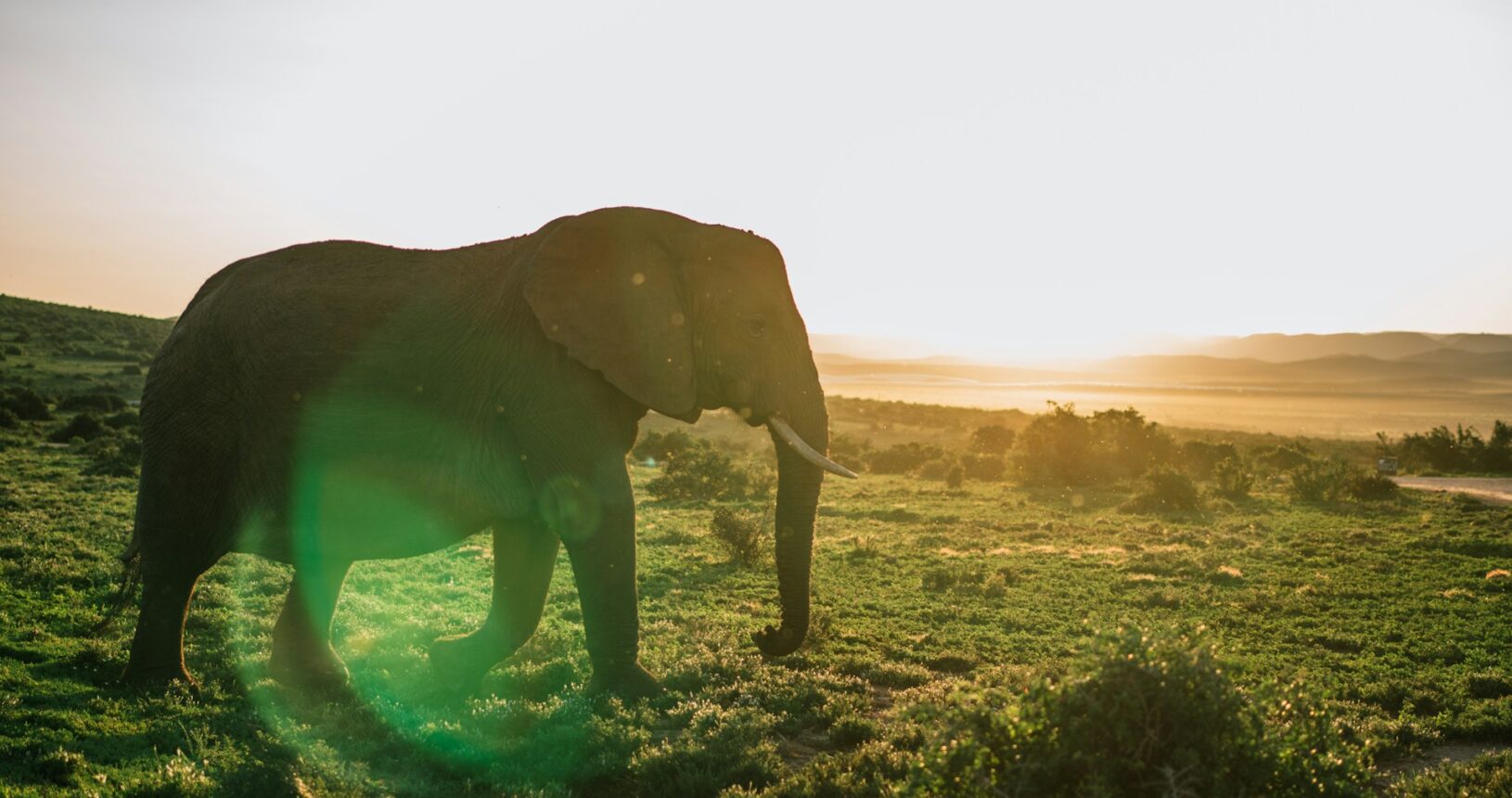
In Africa’s national parks, every sunrise paints a masterpiece — where the wild’s call echoes across endless horizons. Visiting these parks is to witness nature in its purest form, a timeless dance that stirs the soul.


Steps to Book Your Southern Africa Tour
Choose Your Adventure
Confirm Your Booking
Begin Your Journey
Ready to plan your tailor-made safari?