
Malawi Big Five
February 1, 2026
Sustainable Travel in Malawi
February 1, 2026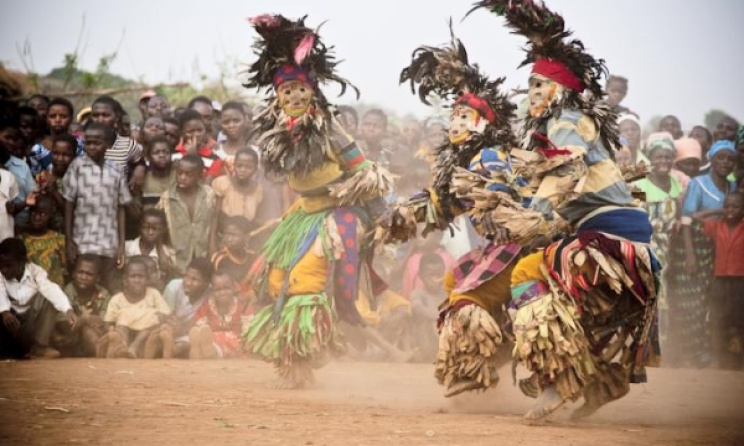
Malawi Culture
The culture of Malawi is shaped by a rich blend of ethnic traditions, community values, and historical influences that have developed over centuries. Known as the “Warm Heart of Africa,” Malawi is widely recognized for the friendliness and hospitality of its people, which play a central role in everyday life and cultural identity.
Malawian culture is expressed through music, dance, language, crafts, and social traditions that emphasize respect, cooperation, and community solidarity. Rural life remains an important part of the country’s cultural landscape, and many traditions continue to be practiced in villages throughout the country.
Visitors exploring Malawi often discover that cultural experiences are as memorable as the country’s natural attractions.
Why Book This Destination
Explore More about Malawi Culture
Ethnic Groups and Cultural Diversity
Malawi is home to several ethnic groups, each with its own customs and traditions. Among the most prominent are the Chewa, Yao, Tumbuka, Lomwe, and Ngoni peoples. Although these groups have distinct cultural practices, they share many values rooted in community life and mutual support.
The Chewa people are one of the largest ethnic groups and are known for the famous Nyau secret society, which performs symbolic masked dances during cultural ceremonies. The Yao people, who have strong historical connections with East African trade routes, are largely Muslim and have distinctive cultural traditions.
This diversity contributes to the vibrant cultural fabric that defines Malawi’s identity.
Traditional Music and Dance
Music and dance play a vital role in Malawian cultural expression. Traditional performances often accompany ceremonies such as weddings, harvest festivals, and initiation rituals.
One of the most famous cultural performances is the Gule Wamkulu dance of the Chewa people. This masked dance, performed by members of the Nyau society, uses elaborate costumes and symbolic masks to represent ancestral spirits and moral lessons within the community.
Drums are central to many performances, providing rhythmic patterns that guide dancers and energize gatherings. These musical traditions continue to thrive in both rural and urban settings.
Language and Communication
Malawi is a multilingual country with several languages spoken across different regions. Chichewa is the national language and is widely used for communication throughout the country.
English also serves as an official language and is commonly used in education, government, and tourism. The presence of multiple languages reflects the cultural diversity of Malawi’s ethnic communities.
Language plays an important role in preserving oral traditions, storytelling, and local knowledge passed down through generations.
Traditional Crafts and Art
Craftsmanship is an important part of Malawian culture and provides both artistic expression and economic opportunity for many communities. Local artisans produce a wide range of handmade items including woven baskets, wooden carvings, pottery, and colorful textiles.
Markets and craft centers throughout the country display these traditional works, often created using locally sourced materials. Wood carving, in particular, is a highly respected skill that produces sculptures depicting animals, human figures, and symbolic designs.
These crafts not only represent artistic heritage but also provide insight into the daily life and beliefs of Malawian communities.
Village Life and Social Structure
Much of Malawi’s culture is rooted in rural village life where agriculture forms the foundation of daily activities. Communities often work together to cultivate crops such as maize, cassava, and groundnuts, which serve as staple foods.
Family structures and traditional leadership systems remain influential in many villages. Chiefs and community elders play important roles in resolving disputes, guiding social conduct, and preserving cultural traditions.
Hospitality is deeply valued in Malawian culture, and visitors are often welcomed warmly by local communities.
Food and Culinary Traditions
Malawian cuisine reflects the country’s agricultural lifestyle and local ingredients. One of the most common staple foods is nsima, a thick maize-based dish that is typically served with vegetables, fish, or meat.
Fish from Lake Malawi plays an important role in the national diet, particularly varieties such as chambo. Meals are often shared among family members, reinforcing the importance of communal eating and social interaction.
Traditional cooking methods and recipes are often passed down through generations.
Cultural Festivals and Celebrations
Several cultural festivals throughout Malawi celebrate traditional music, dance, and heritage. These events bring communities together to honor history and showcase cultural identity.
Festivals often include dance performances, storytelling, and displays of traditional attire. They provide opportunities for both locals and visitors to experience Malawi’s cultural richness in a lively and welcoming atmosphere.
These celebrations also play a role in preserving traditions for future generations.
Religion and Spiritual Life
Religion plays a significant role in Malawian society. Christianity is the most widely practiced faith, though Islam is also common in certain regions, particularly among the Yao people.
Traditional beliefs and ancestral reverence continue to influence cultural practices alongside organized religion. Ceremonies and rituals often reflect a blend of spiritual traditions that have evolved over time.
This spiritual diversity contributes to the cultural depth of Malawian society.
Cultural Tourism in Malawi
Cultural tourism has become an important part of Malawi’s travel experience. Visitors often participate in village visits, traditional dance performances, and craft workshops that introduce them to local lifestyles and traditions.
These interactions allow travelers to gain a deeper understanding of Malawian culture while supporting local communities through tourism.
Cultural experiences often complement wildlife safaris and lake activities, creating a well-rounded travel experience.
Overall Cultural Experience
Malawi’s culture reflects a strong sense of community, hospitality, and tradition. From vibrant dance ceremonies and handcrafted art to village life and culinary traditions, the country offers visitors a meaningful glimpse into everyday life in southern Africa.
For travelers exploring Malawi, cultural encounters often become some of the most memorable aspects of their journey, revealing the warmth and resilience that have earned the country its reputation as the Warm Heart of Africa.
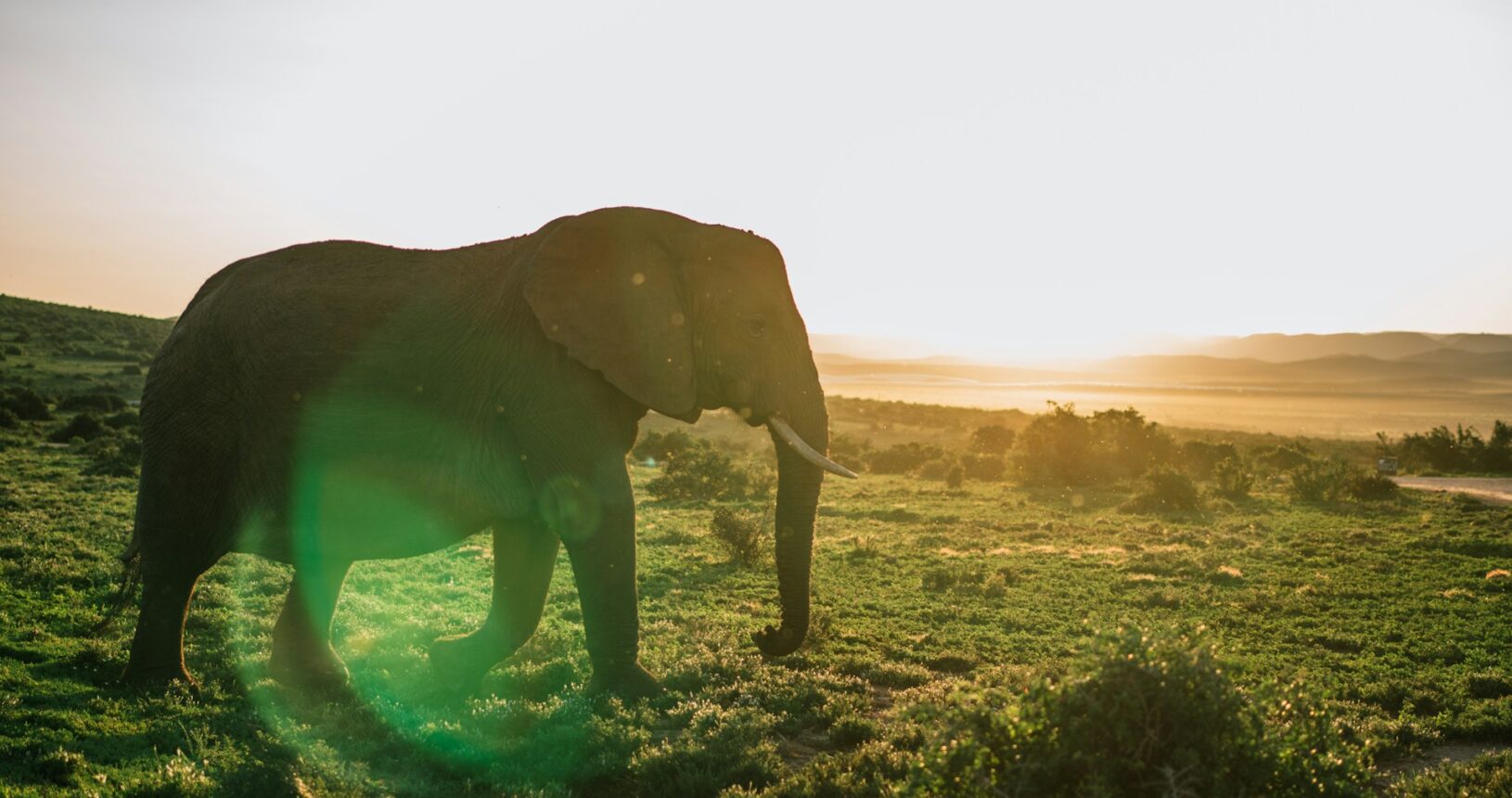
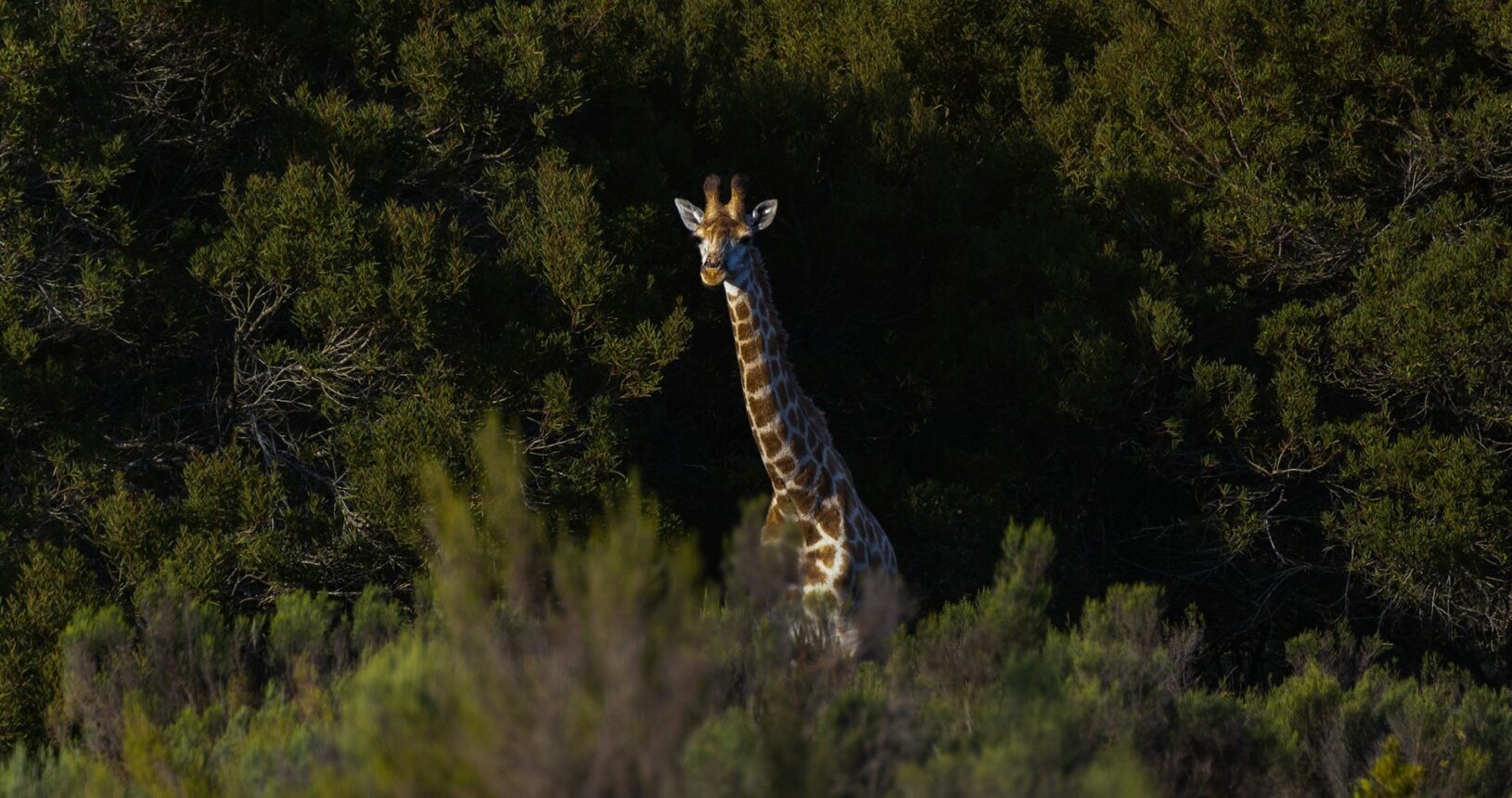
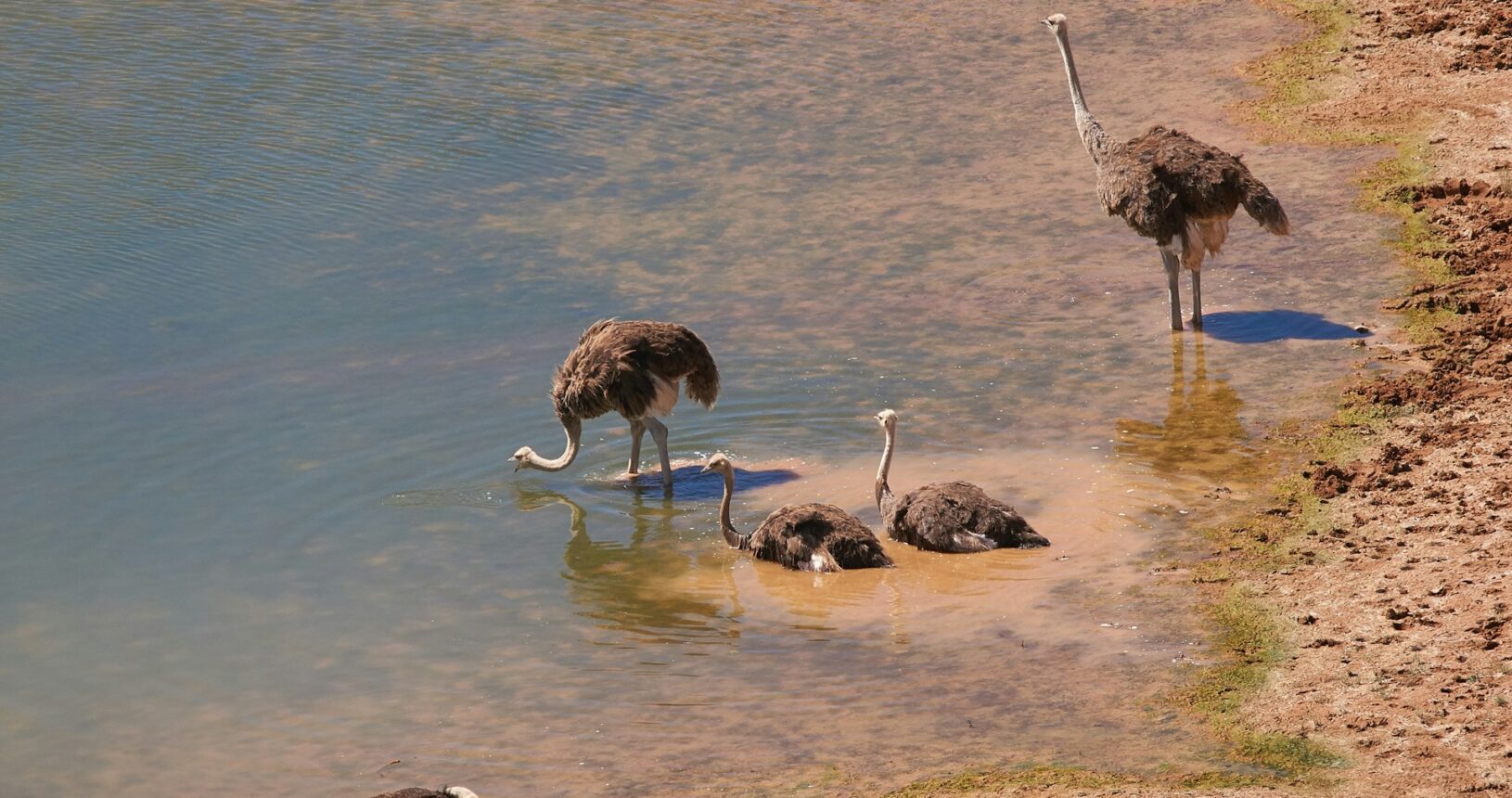
In Africa’s national parks, every sunrise paints a masterpiece — where the wild’s call echoes across endless horizons. Visiting these parks is to witness nature in its purest form, a timeless dance that stirs the soul.
Steps to Book Your Southern Africa Tour
Choose Your Adventure
Confirm Your Booking
Begin Your Journey
Ready to plan your tailor-made safari?