Flooding in the Okavango Delta
February 1, 2026
Languages in Botswana
February 1, 2026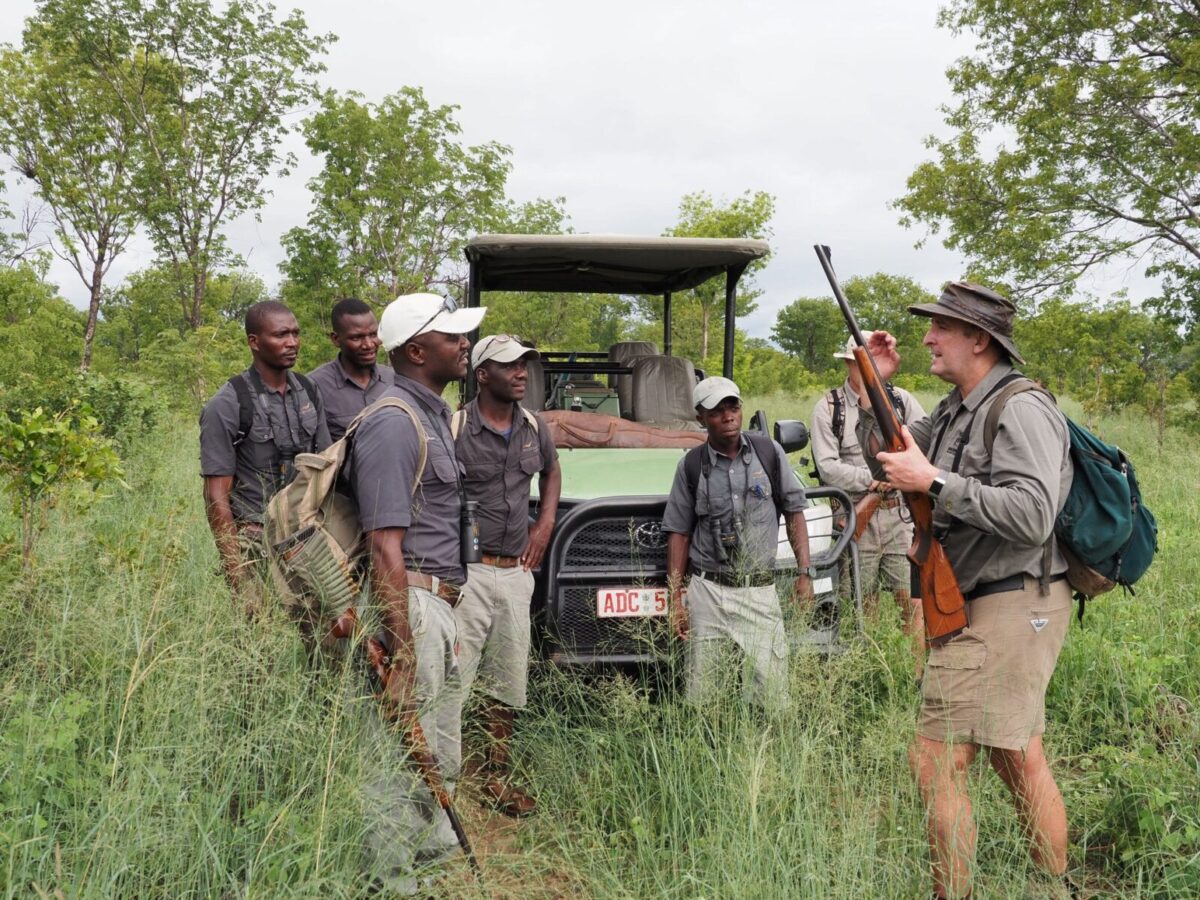
Is Botswana Safe for Tourists?
Botswana has earned a reputation as one of Africa’s safest and most stable safari destinations. Its long-standing democratic governance, low population density, conservation-driven tourism model, and controlled visitor numbers create a travel environment that is both secure and professionally managed. For international visitors considering a luxury safari, honeymoon escape, family adventure, or fly-in wilderness experience, Botswana consistently ranks among the continent’s most reliable destinations.
Safety in Botswana is less about heavy security presence and more about structure. Tourism here operates under a high-value, low-impact model, meaning fewer crowds, regulated concessions, trained guiding teams, and strict operational standards. The result is a country where risks are understood, managed, and minimized.
Why Book This Destination
Explore More about Is Botswana Safe for Tourists?
Political Stability and National Security
Botswana has maintained uninterrupted democratic rule since independence in 1966, making it one of Africa’s most politically stable nations. Elections are peaceful, governance systems are strong, and public institutions function with relative transparency compared to many regional counterparts. Political unrest affecting tourists is extremely rare, and there is no recent history of terrorism targeting international visitors.
For safari travelers, political instability is not considered a practical concern. Tourism plays a central role in the national economy, and the government prioritizes maintaining a secure environment that supports international confidence and conservation investment.
Crime and Personal Safety
Crime levels in Botswana are generally low, particularly in comparison to many global urban centers. Most reported incidents involve petty theft rather than violent crime, and tourists are rarely targeted deliberately. In cities such as Gaborone and Maun, visitors may encounter opportunistic pickpocketing or minor theft in busy commercial areas, but serious crime involving travelers is uncommon.
Practicing standard travel awareness is usually sufficient. Keeping valuables discreet, avoiding isolated areas at night, and using registered transport providers significantly reduces risk. In safari regions, crime is virtually nonexistent due to the remote nature of camps and tightly controlled access points.
Safari Safety and Wildlife Risk
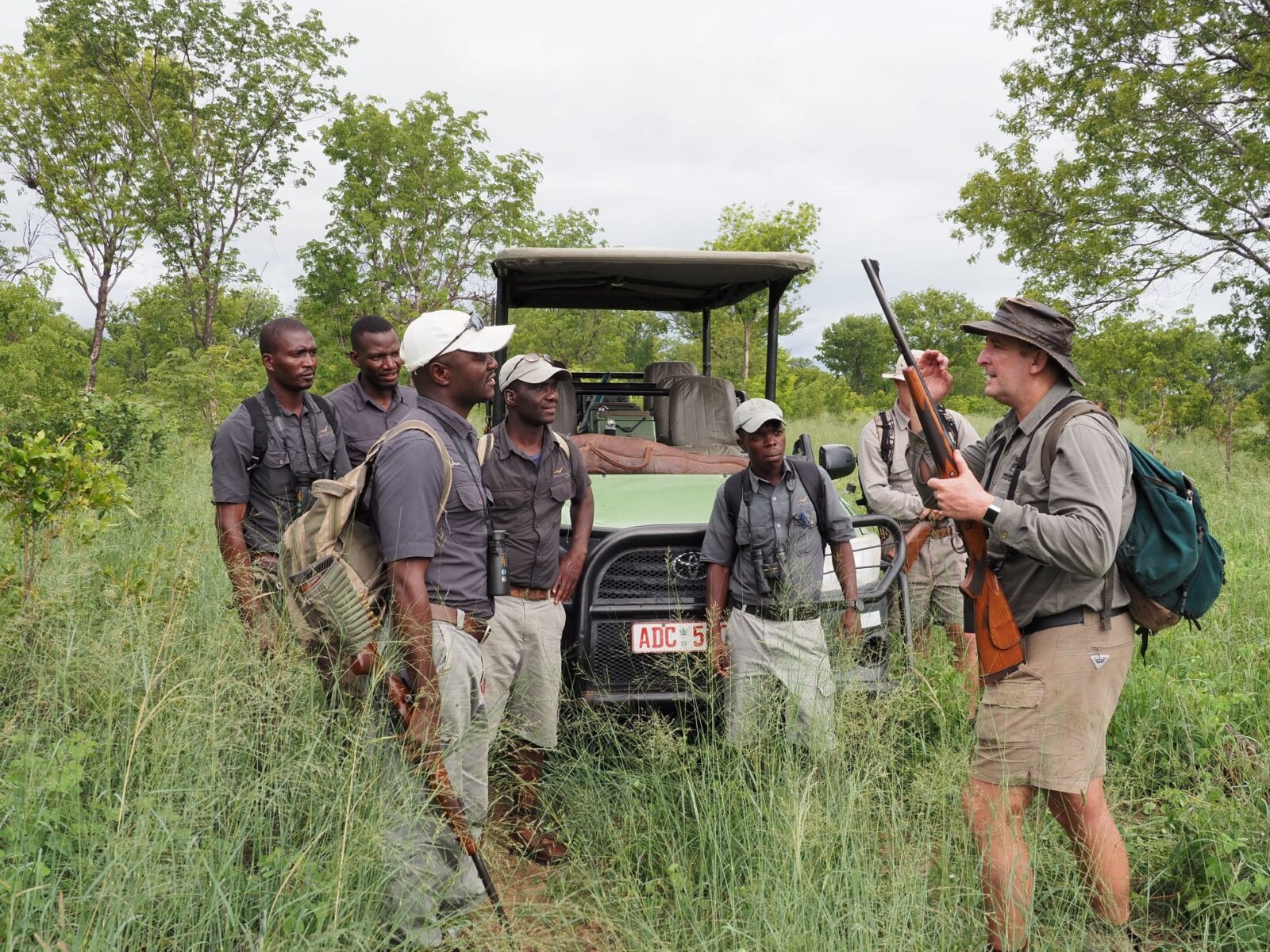
In Botswana, the primary safety consideration is wildlife rather than crime. Safari areas such as the Okavango Delta and Chobe National Park are unfenced ecosystems where animals move freely. However, these environments are managed by highly trained professional guides who undergo rigorous bush training and wilderness first aid certification.
Guests receive detailed safety briefings upon arrival at camps, particularly in properties where wildlife may pass through the grounds. Movement after dark is escorted, and strict guiding protocols are followed during game drives and walking safaris. When instructions are respected, safari operations in Botswana are exceptionally safe and professionally controlled.
Health and Medical Safety
Botswana maintains one of the stronger healthcare systems in Southern Africa, especially in major towns. In remote safari regions, camps operate with structured emergency evacuation systems and air rescue partnerships to ensure rapid response when needed.
Northern Botswana falls within a seasonal malaria zone, particularly during the green season months, and preventative measures may be recommended depending on travel timing. Heat exposure, dehydration, and sun intensity are more common concerns than infectious disease for most travelers. Comprehensive travel insurance with evacuation coverage remains strongly advised for all visitors.
Road and Transport Safety
Road infrastructure between major towns is generally well maintained, though long distances require careful planning. Wildlife and livestock frequently cross highways, particularly after dark, making nighttime driving less advisable in rural areas.
Many travelers opt for fly-in safaris using light aircraft that connect remote concessions efficiently and safely. Aviation services within safari corridors operate under regulated systems and are considered both reliable and secure. For self-drive travelers, experience with 4x4 vehicles is important, particularly in sandy delta environments.
LGBTQ+ Travel Considerations
Botswana decriminalized same-sex relationships in 2019, reflecting progressive legal reform within the region. While social attitudes remain culturally conservative, incidents involving violence toward LGBTQ+ travelers are rare, especially within safari and hospitality settings catering to international guests.
Public discretion is recommended in rural communities, but professional tourism environments prioritize guest respect and safety regardless of orientation.
Safety for Families, Solo Travelers, and Luxury Guests
Botswana’s controlled tourism model makes it particularly suitable for families, honeymooners, and solo travelers seeking structured safari experiences. Because visitor numbers are intentionally limited in private concessions, overcrowding is not an issue, reducing logistical stress and enhancing overall safety management.
Luxury camps operate with high staff-to-guest ratios, ensuring close supervision and personalized service. Solo travelers often find Botswana especially comfortable due to organized transfers, guided activities, and comprehensive camp coordination.
Cross-Border and Regional Travel
Botswana shares borders with Namibia, Zambia, Zimbabwe, and South Africa, and cross-border travel is common for guests combining safaris with Victoria Falls experiences. Tourist border posts are generally efficient and secure when documentation is in order. Organized transfers arranged through safari operators further reduce uncertainty during regional movements.
Overall Safety Assessment
Botswana is widely regarded as one of Africa’s safest safari destinations. Its stability, structured tourism system, conservation-led policies, and professional guiding standards create an environment where risks are managed rather than left to chance. Most safety considerations are environmental and wildlife-related rather than criminal, and these are mitigated through strict operational protocols.
For travelers seeking wilderness immersion without compromising security, Botswana remains a benchmark destination in Southern Africa.
In Africa’s national parks, every sunrise paints a masterpiece — where the wild’s call echoes across endless horizons. Visiting these parks is to witness nature in its purest form, a timeless dance that stirs the soul.
Steps to Book Your Southern Africa Tour
Choose Your Adventure
Confirm Your Booking
Begin Your Journey
Ready to plan your tailor-made safari?