Botswana Desert
February 1, 2026
Botswana Wellness
February 1, 2026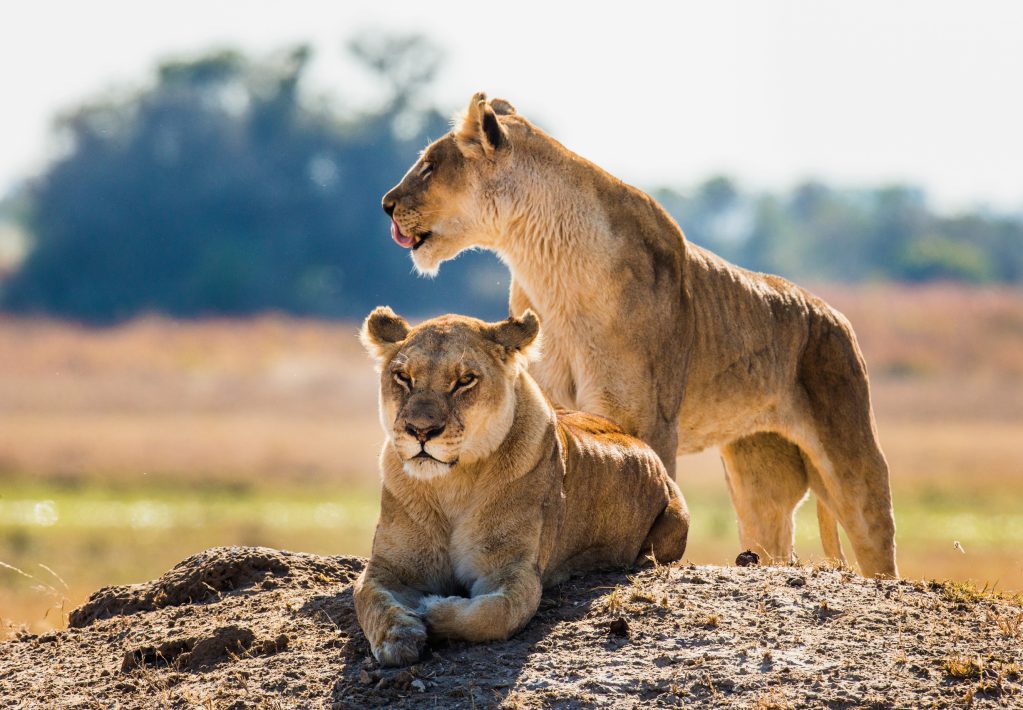
Botswana Photography Safari Guide
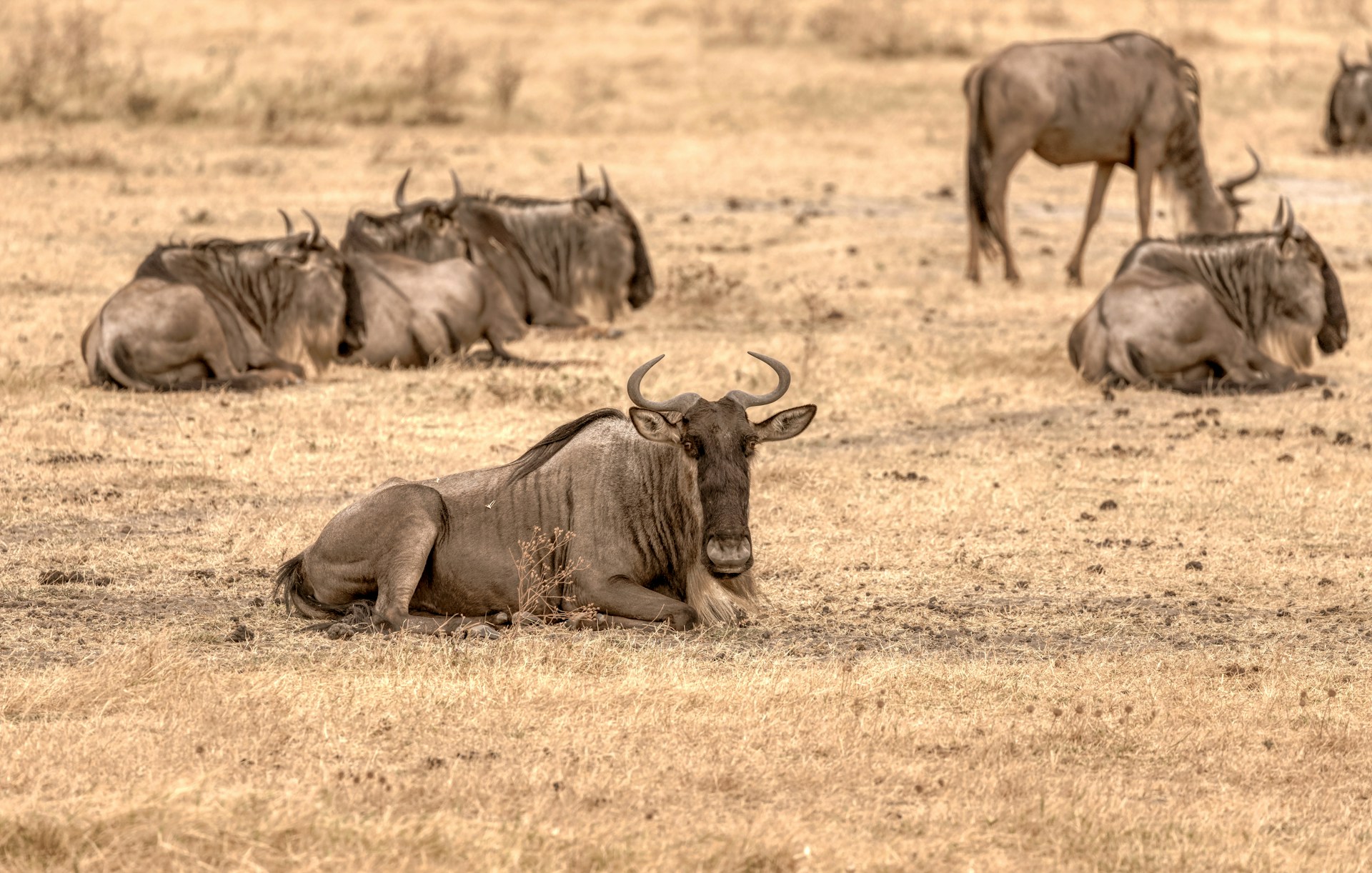
Botswana is one of Africa’s most rewarding destinations for wildlife and landscape photography. Its low-density tourism model, vast open ecosystems, and consistent wildlife activity create ideal conditions for capturing dramatic, uncrowded safari imagery. Whether photographing elephants at sunset, lions in golden grasslands, or reflections across delta channels, Botswana offers natural compositions rarely interrupted by vehicle congestion.
The country’s combination of wetlands, river systems, floodplains, and desert expanses provides remarkable visual diversity within a single safari itinerary. For serious photographers, Botswana delivers both technical opportunity and artistic inspiration.
Why Book This Destination
Explore More about Botswana Photography Safari Guide
Why Botswana Is Ideal for Wildlife Photography
Botswana’s conservation-focused approach limits vehicle numbers in private concessions, meaning sightings are rarely crowded. Photographers benefit from flexible vehicle positioning, patient tracking, and extended time with subjects, allowing for thoughtful framing rather than rushed snapshots.
The open landscapes of the Okavango Delta and surrounding concessions create clean backgrounds and dramatic lighting opportunities, particularly during early morning and late afternoon golden hours. The clarity of light during the dry season enhances contrast and detail, while green season months introduce rich colors and dynamic cloud formations.
This balance of exclusivity and habitat diversity makes Botswana especially attractive for both amateur and professional photographers.
Iconic Photography Locations in Botswana
The Okavango Delta offers water-based photographic perspectives rarely found elsewhere in Africa. Reflections of elephants crossing channels, mokoro canoes gliding through reeds, and fish eagles perched along waterways create layered compositions that combine wildlife and landscape.
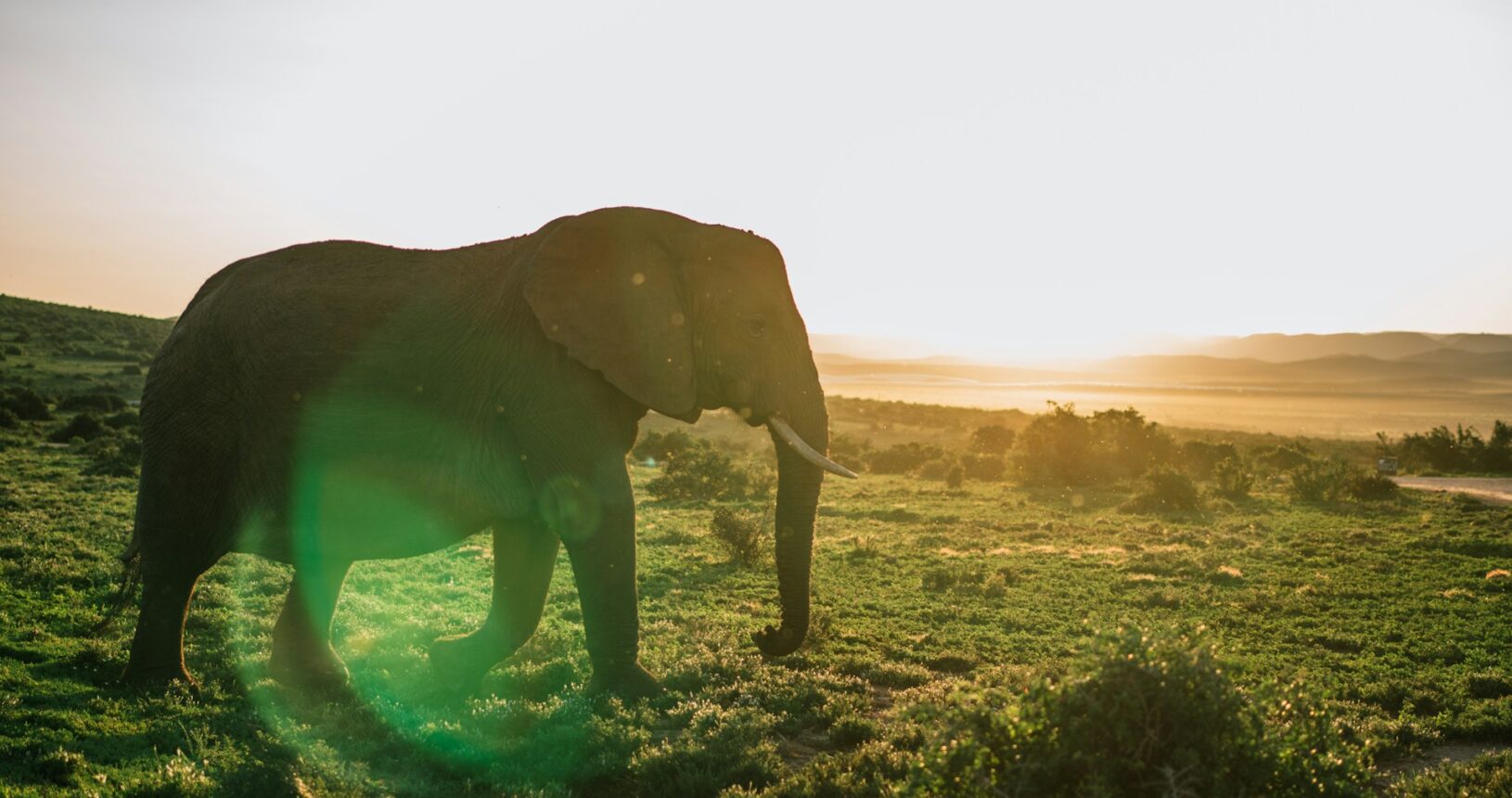
Chobe National Park is internationally known for elephant photography along the Chobe River. Sunset boat safaris provide low-angle light and unobstructed views as herds gather to drink, bathe, and cross between riverbanks.
The Makgadikgadi Pans offer minimalist desert photography, where expansive white horizons and dramatic skies create surreal visual contrasts. Night photography in this region is exceptional due to low light pollution and vast open skies.
Each region contributes a distinct photographic identity to a Botswana safari.
Best Time for Photography in Botswana
The dry season, typically from May to October, provides concentrated wildlife activity around permanent water sources. Dust-filled sunsets and golden grasses create warm, cinematic tones ideal for predator and elephant photography.
The green season, from November to March, introduces lush vegetation and dramatic storm clouds. Bird photography peaks during this period as migratory species arrive in breeding plumage. While wildlife may disperse more widely, the vibrant colors and softer light conditions appeal strongly to landscape photographers.
Both seasons offer unique photographic advantages depending on subject focus.
Photography Equipment Considerations
A telephoto lens in the 300mm to 600mm range is ideal for wildlife subjects, while a wide-angle lens captures sweeping delta landscapes and dramatic skies. Extra batteries and memory cards are essential, as charging schedules in remote camps may be limited due to solar-powered systems.
Dust protection for camera gear is important during the dry season, especially on open game drives. Lightweight packing remains crucial because many Botswana safaris involve small aircraft transfers with strict luggage weight limits.
Understanding these logistical factors ensures photographers are both prepared and compliant with safari transport regulations.
Guided Photography Safaris
Some private concessions in Botswana offer specialist photographic vehicles equipped with beanbags, swivel seats, and adjustable platforms. These setups allow for lower shooting angles and stable long-lens positioning. Professional guides trained in photographic positioning understand light direction, animal behavior, and composition, enhancing the overall experience.
Because Botswana prioritizes low vehicle density, photographers can often request repositioning without competing traffic, allowing for controlled framing and longer subject engagement.
This level of access distinguishes Botswana from higher-volume safari destinations.
Landscape and Night Photography
Beyond wildlife, Botswana’s landscapes provide exceptional opportunities for creative photography. The Central Kalahari’s open plains create minimalist compositions, while the Makgadikgadi Pans deliver striking astrophotography conditions under clear desert skies.
The combination of remoteness and minimal artificial lighting makes Botswana one of Southern Africa’s strongest destinations for night sky photography. Long exposures capture the Milky Way in dramatic clarity across open horizons.
Overall Photography Experience in Botswana
Botswana stands among Africa’s finest photography safari destinations due to its ecological diversity, exclusivity, and consistent wildlife presence. From delta reflections and elephant river crossings to desert silhouettes and predator action, the country offers diverse visual storytelling opportunities within a single itinerary.
For photographers seeking both technical excellence and uncrowded wildlife encounters, Botswana provides a refined and rewarding safari canvas.
In Africa’s national parks, every sunrise paints a masterpiece — where the wild’s call echoes across endless horizons. Visiting these parks is to witness nature in its purest form, a timeless dance that stirs the soul.
Steps to Book Your Southern Africa Tour
Choose Your Adventure
Confirm Your Booking
Begin Your Journey
Ready to plan your tailor-made safari?