Makgadikgadi Pans
February 1, 2026
Nxai Pan National Park
February 1, 2026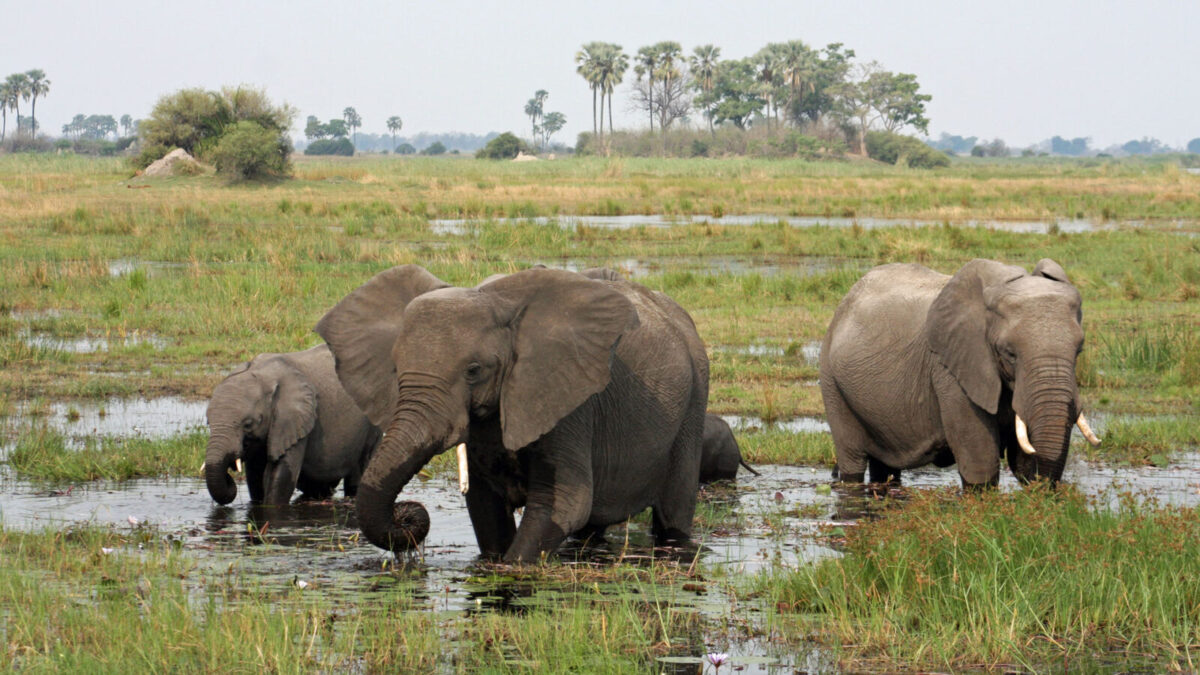
Moremi Game Reserve
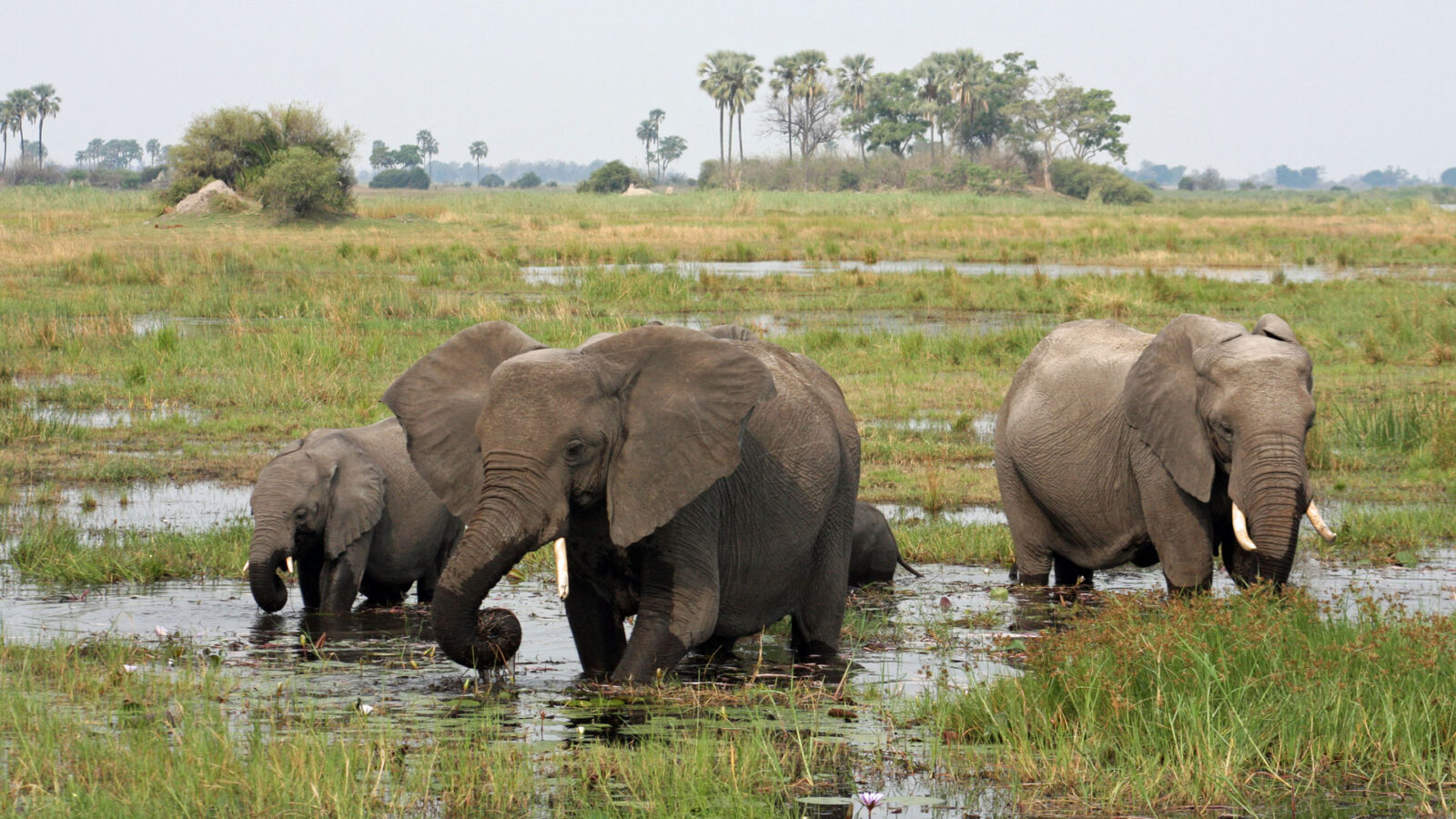
Moremi Game Reserve lies on the eastern side of the Okavango Delta and includes both dry land and wetland systems. The reserve protects some of the most productive habitats in Botswana, which allows wildlife to thrive in large numbers.
Management focuses on conservation and controlled tourism. Lodges operate at low capacity, and access remains limited. This approach keeps the environment intact and ensures that safari experiences feel private and uncrowded.
Unlike many delta regions that rely mainly on water-based exploration, Moremi allows full game drives alongside boat and mokoro activities. This combination creates a broader safari structure where guests experience both land and water ecosystems in one itinerary.
Why Book This Destination
Explore More about Moremi Game Reserve
Landscape and Ecosystems
Moremi’s landscape changes constantly under the influence of seasonal flooding. Water arrives from Angola each year and spreads across the delta, transforming dry areas into lush grazing grounds. As water levels shift, animals move with it, creating new concentrations of wildlife.
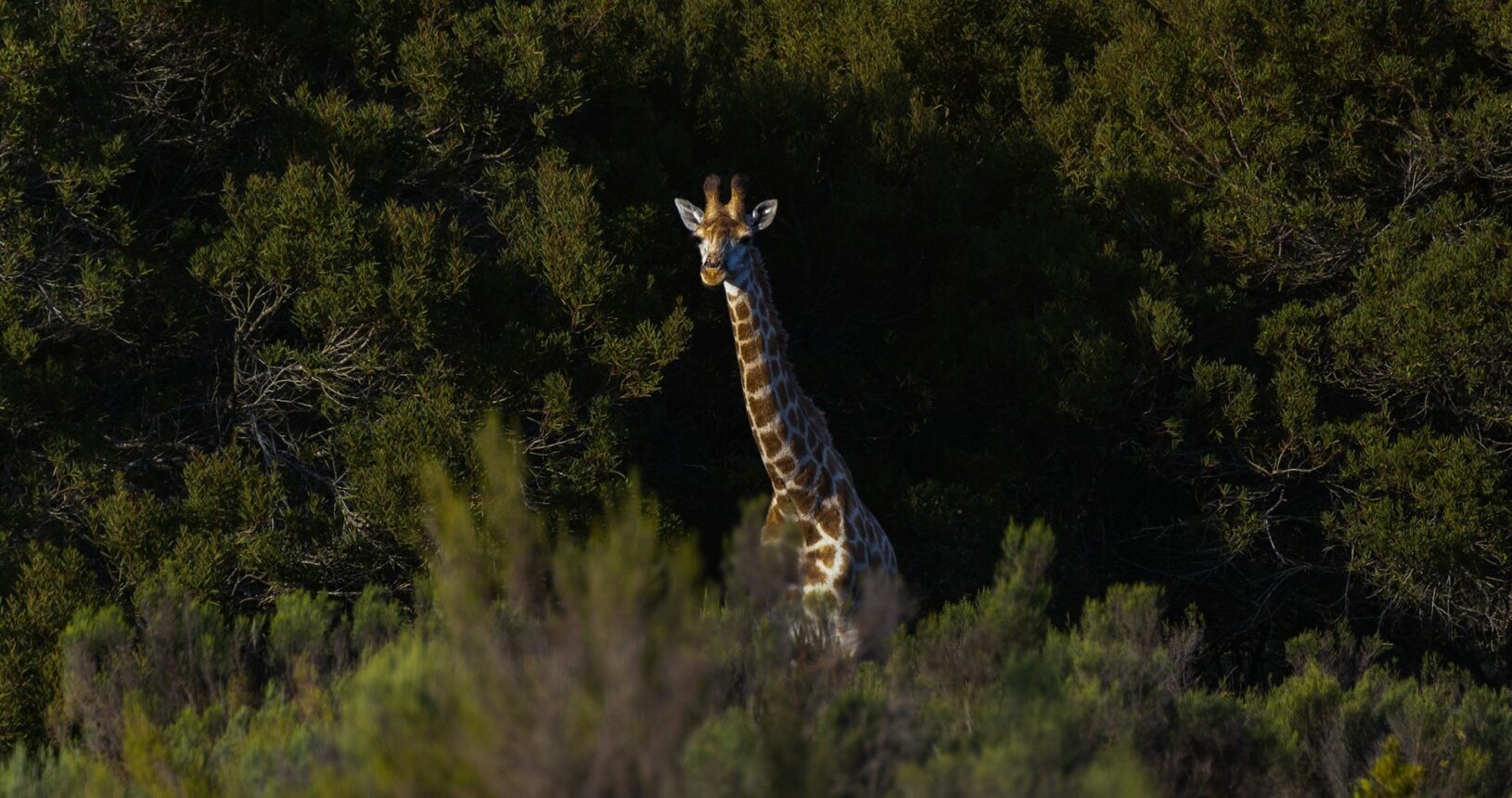
Floodplains stretch across open areas where grasses attract herbivores. Mopane woodlands and acacia forests provide shelter and feeding zones for elephants, giraffes, and browsing species. Channels and lagoons cut through the reserve and act as lifelines for wildlife during drier periods.
Each ecosystem plays a role in shaping the safari. Open plains allow long-distance viewing, while forested areas require careful tracking. Water channels create natural gathering points where animals drink, hunt, and interact.
Wildlife in Moremi Game Reserve
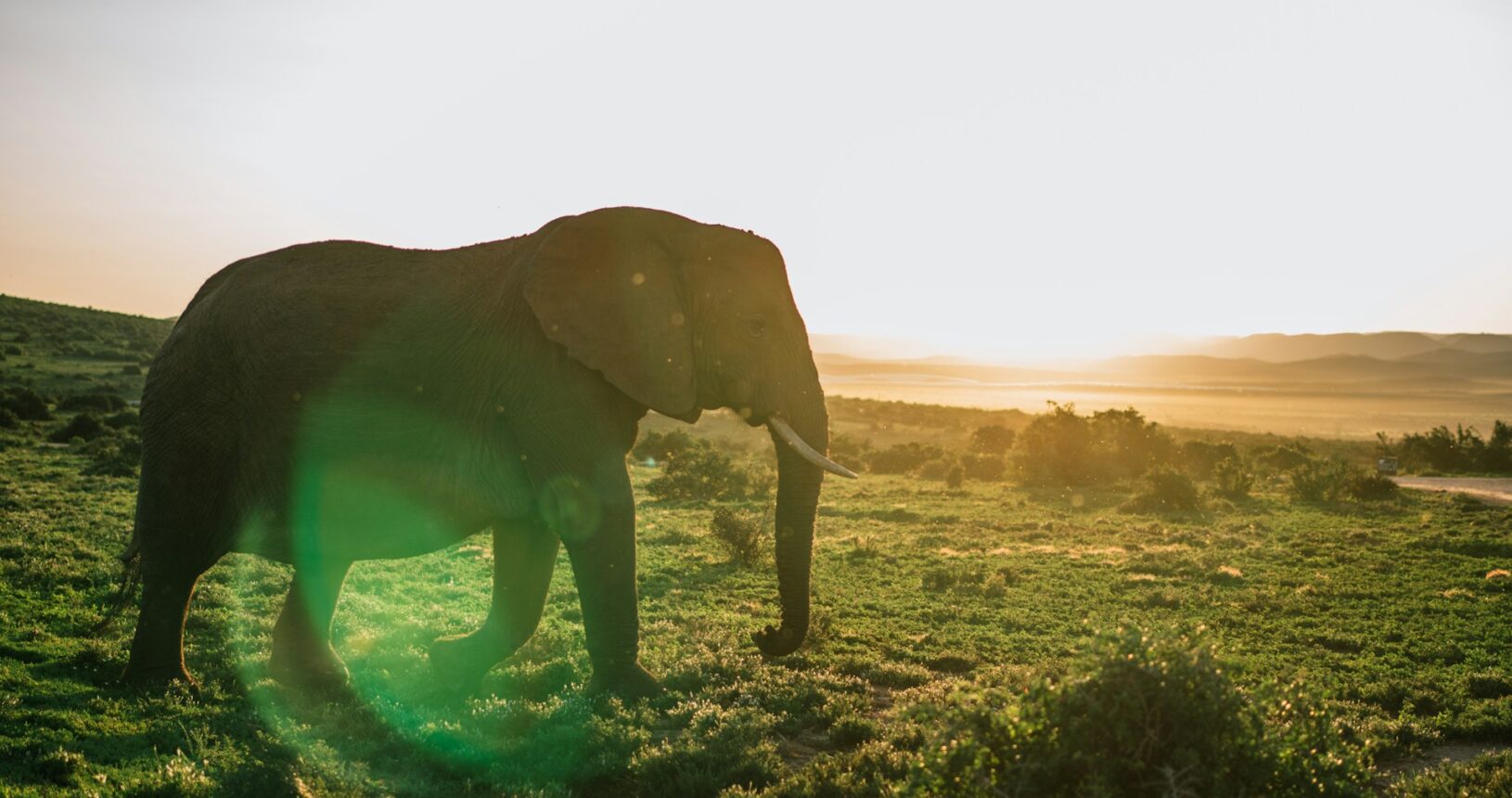
Moremi supports one of the highest wildlife densities in Southern Africa. Elephants move in large herds across the reserve, often crossing between woodland and floodplain. Buffalo gather in strong numbers, while antelope species such as lechwe and impala appear across different habitats.
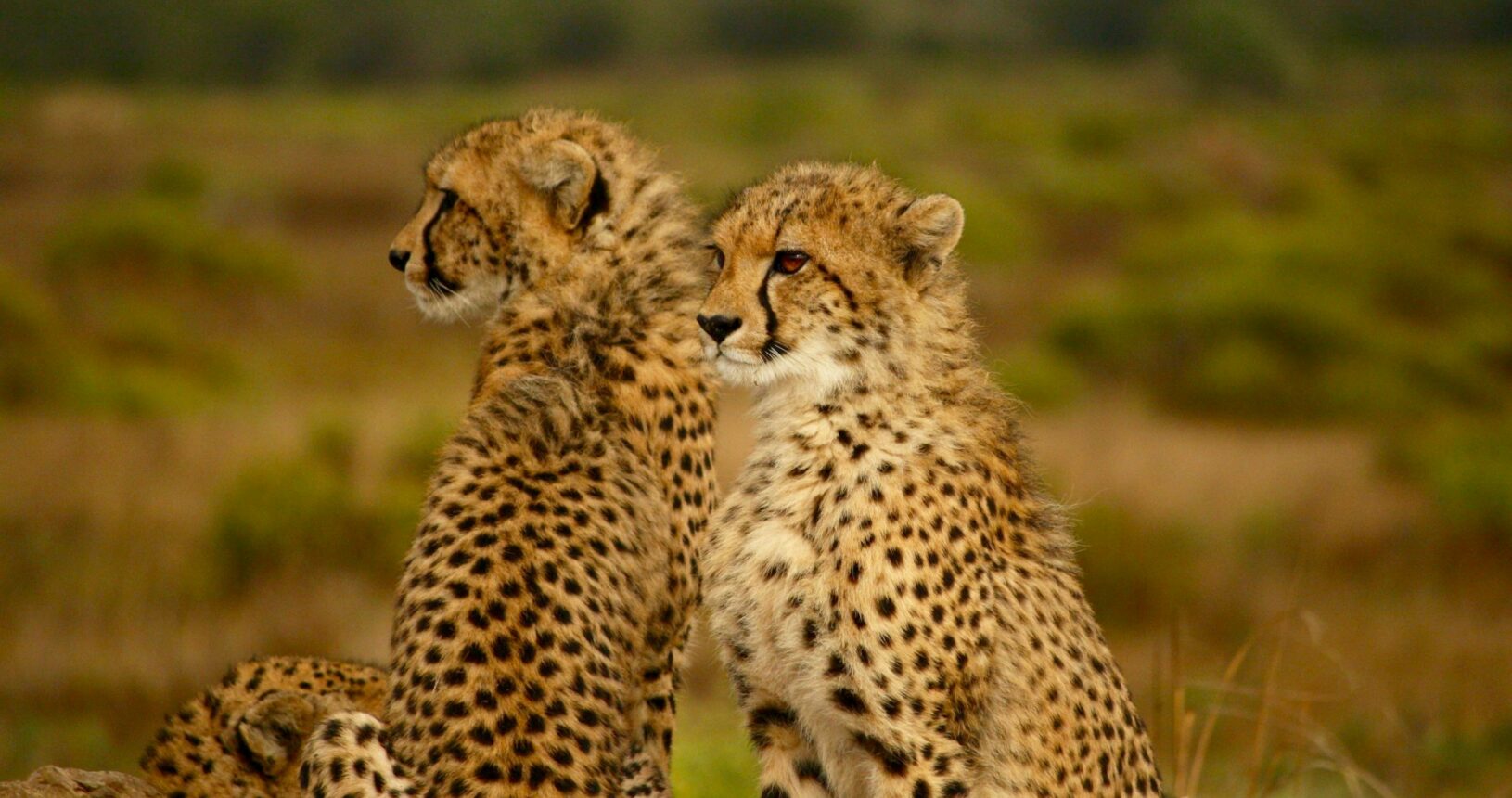
Predators remain a major highlight. Lions patrol the plains and frequently hunt in open areas where prey becomes easier to track. Leopards move through wooded zones and riverine forests, where they rely on cover and stealth. African wild dogs also roam the reserve, and sightings often feel rare and rewarding.
The mix of water and land creates a strong food chain. Animals do not scatter randomly. They follow water, vegetation, and seasonal change. This movement increases the chances of witnessing real interactions, from hunting sequences to herd behavior.
Birdlife thrives across the reserve, especially in wetland areas. Species gather around lagoons and channels, adding another layer to the safari experience.
Safari Experience in Moremi
Safaris in Moremi do not follow a repetitive routine. Each day shifts depending on location, water levels, and wildlife movement. Guides plan game drives based on recent sightings, tracks, and environmental changes.
Game drives take place in open vehicles, where guides track animals across varied terrain. Early morning drives focus on active wildlife, while afternoon drives extend into the evening when predators become more active.
Water-based safaris introduce a different pace. Boat trips move along channels and lagoons, allowing quiet observation of animals near the water. Mokoro excursions take this further, with slow movement through shallow channels that brings guests closer to the environment.
Walking safaris, where available, focus on detail. Guides interpret tracks, plants, and smaller species that vehicles often miss. This approach deepens the understanding of how the ecosystem functions.
Chief’s Island
Chief’s Island forms one of the most important wildlife zones within Moremi. The island sits slightly higher than surrounding areas, which allows it to remain accessible even during peak flooding.
Animals concentrate here because the land provides stable ground, fresh grazing, and access to water. Elephants, buffalo, and predators move across the island in strong numbers, which creates frequent sightings.
Game drives on Chief’s Island often produce consistent results. Open areas allow clear visibility, while the surrounding floodplains attract animals throughout the day. Many high-end lodges position themselves near this area to give guests direct access to one of the best safari zones in the delta.
Accommodation in Moremi
Accommodation in Moremi focuses on small-scale luxury lodges and tented camps. Each property limits guest numbers, which protects the environment and ensures privacy.
Lodges position themselves in key wildlife areas, often overlooking floodplains or water channels. Rooms feature open designs, private decks, and natural materials that connect with the surroundings. Guests often watch wildlife directly from their rooms.
Tented camps provide a closer connection to nature. Canvas structures allow sound and movement from the bush to remain part of the experience, while still offering comfort through proper beds and en-suite bathrooms.
All accommodation operates on a full safari basis, with guided activities, meals, and transfers included. This structure creates a seamless experience where guests focus entirely on the safari.
Best Time to Visit Moremi
The dry season from May to October delivers the most consistent wildlife viewing. Vegetation becomes thinner, and animals gather around permanent water sources. This makes sightings easier and more frequent.
Floodwaters usually peak between June and August. During this time, water-based safaris become more prominent, and the landscape transforms into a network of channels and islands.
The green season from November to April brings rainfall and new growth. The landscape becomes lush, and birdlife increases. Wildlife spreads out more, but the scenery becomes more vibrant and dramatic.
Each season offers a different experience, so the best time depends on whether the focus is wildlife density or landscape transformation.
Accessibility and Getting There
Travel to Moremi usually involves light aircraft flights from Maun or Kasane. These flights land at airstrips close to safari camps, followed by short transfers into the reserve.
Road access exists but requires a 4x4 vehicle and strong navigation due to changing conditions. Most travelers choose fly-in safaris because they reduce travel time and provide direct access to remote areas.
Who Should Visit Moremi Game Reserve
Moremi suits travelers who want a complete safari experience within one destination. It works well for those who value both land and water activities and want to see a wide range of wildlife in different environments.
Photographers benefit from varied landscapes and strong wildlife density. Luxury travelers find high-quality lodges with private settings. Wildlife enthusiasts gain access to one of the most balanced ecosystems in Africa.
The reserve may not suit travelers looking for quick or low-cost safaris, as its remote location and conservation model require a higher level of planning and investment.
Planning Your Moremi Safari
A stay of three to four nights allows enough time to explore different areas and activity types. This duration gives space for both game drives and water-based experiences without rushing.
Many itineraries combine Moremi with Chobe National Park or other parts of the Okavango Delta. This adds variety and creates a broader safari journey.
Booking early remains essential, especially during peak dry season months. Lodges operate with limited capacity, and demand remains high.
Conclusion
Moremi Game Reserve offers a safari that feels complete, dynamic, and deeply connected to nature. Its combination of landscapes, strong wildlife populations, and varied activities creates an experience that goes beyond standard game viewing.
Travelers who choose Moremi do not just see wildlife. They follow movement, observe interaction, and experience how an ecosystem functions across land and water. This depth makes Moremi one of the most rewarding safari destinations in Southern Africa.
In Africa’s national parks, every sunrise paints a masterpiece — where the wild’s call echoes across endless horizons. Visiting these parks is to witness nature in its purest form, a timeless dance that stirs the soul.
Steps to Book Your Southern Africa Tour
Choose Your Adventure
Confirm Your Booking
Begin Your Journey
Ready to plan your tailor-made safari?