Kubu Island
February 1, 2026
Makgadikgadi Pans
February 1, 2026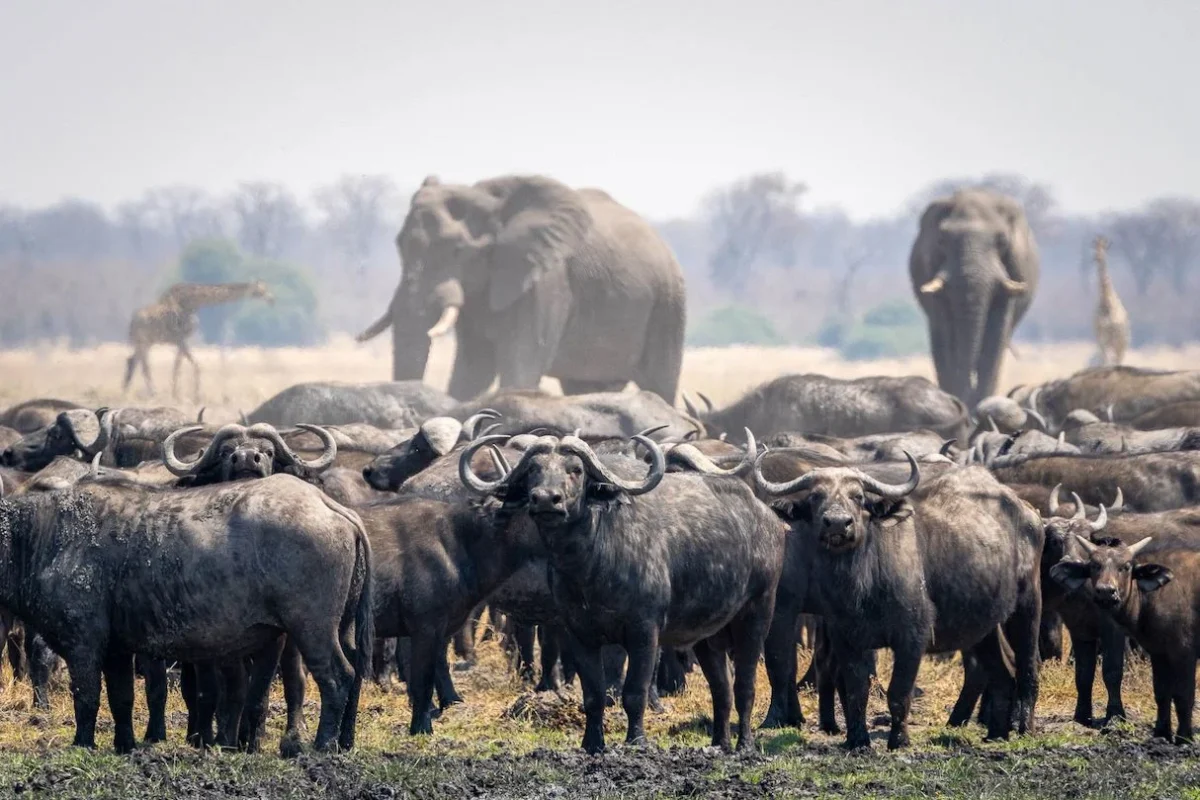
Mababe
Mababe Depression lies between the Okavango Delta and Chobe National Park, forming a vast wildlife corridor in northern Botswana. Often overlooked in favor of more famous delta concessions, Mababe offers a raw and highly productive safari environment defined by seasonal floodplains, grasslands, and strong predator activity.
The region’s position between two major ecosystems makes it a transitional zone where wildlife moves freely. This natural corridor effect contributes to consistent game viewing and dynamic predator-prey interaction throughout much of the year.
Why Book This Destination
Explore More about Mababe
Landscape and Ecosystem
Mababe is characterized by wide, open plains that form part of an ancient lakebed system. During the rainy season, sections of the depression may hold water, transforming into grazing grounds that attract herbivores in large numbers. As the dry season progresses, wildlife concentrates near remaining water sources such as the Mababe River.
The openness of the terrain allows for excellent visibility, making wildlife tracking particularly rewarding. Mopane woodland and scattered tree lines break the grassland horizon, creating varied habitat for predators and prey species alike.
This blend of floodplain and woodland generates ecological diversity within a relatively compact area.
Wildlife in Mababe
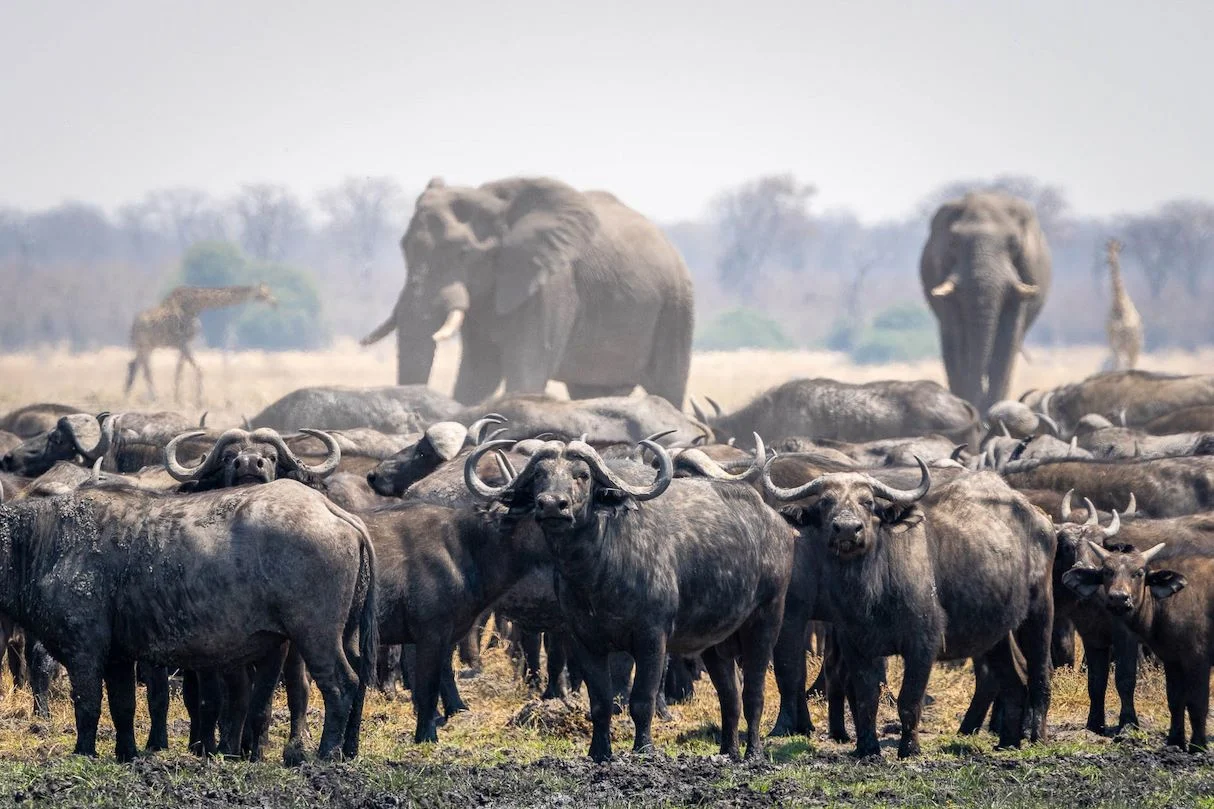
Mababe is widely known for strong lion presence, with prides frequently seen moving across open grasslands. Buffalo herds gather in significant numbers during the dry season, often drawing predator attention. Elephants traverse the corridor between the Okavango Delta and Chobe, reinforcing the region’s role as a migratory pathway.
Leopards, hyenas, and occasionally African wild dogs are present depending on seasonal prey distribution. Because tourism traffic is generally lower than in riverfront Chobe, wildlife encounters often unfold without crowding.
The combination of predator density and open viewing terrain makes Mababe particularly appealing to wildlife photographers.
Seasonal Patterns
The green season brings rainfall that stimulates grass growth across the depression. This attracts antelope species and increases overall wildlife movement. Birdlife becomes especially active during this period, with migratory species adding to the region’s biodiversity.
In the dry season, diminishing surface water encourages wildlife to gather near the Mababe River and remaining pans. Predator sightings often intensify as prey species concentrate. Cooler temperatures during winter months also make extended game drives more comfortable.
Seasonal change is central to Mababe’s wildlife rhythm.
Safari Activities
Game drives are the primary safari activity in Mababe. The wide plains allow guides to follow wildlife movements across open ground, often observing hunts and social interactions at length. Because the region functions as a corridor between major ecosystems, drives may reveal species moving in transit between delta wetlands and Chobe woodlands.
Walking safaris may be offered in certain concession areas under guided supervision, allowing a closer examination of tracks and vegetation patterns. The scale of the landscape encourages exploration and reinforces a sense of vastness.
Mababe emphasizes immersive land-based safari rather than water-focused activities.
Accommodation and Access
Accommodation in Mababe typically consists of tented safari camps positioned strategically near wildlife corridors. Camps are smaller and more intimate than riverfront lodges, maintaining Botswana’s low-density tourism philosophy. Access is generally by light aircraft into nearby airstrips or via 4x4 road transfer depending on itinerary design.
The remoteness of Mababe enhances its appeal for travelers seeking fewer vehicles and a stronger sense of isolation.
Mababe Within a Botswana Itinerary
Mababe works particularly well as part of a broader northern Botswana safari that combines the Okavango Delta and Chobe National Park. Its position between these two ecosystems provides ecological contrast and continuity, enriching the overall safari narrative.
While it may not carry the same international recognition as Chief’s Island or the Chobe Riverfront, Mababe delivers equally compelling wildlife experiences in a quieter setting.
Overall Experience
Mababe offers a powerful combination of open landscapes, strong predator presence, and strategic location between Botswana’s most famous ecosystems. Its transitional character creates consistent wildlife movement and dynamic viewing opportunities without the pressure of heavy tourism traffic.
For travelers seeking a land-focused safari with dramatic plains and active predator populations, Mababe stands as one of Botswana’s most rewarding yet understated destinations.
In Africa’s national parks, every sunrise paints a masterpiece — where the wild’s call echoes across endless horizons. Visiting these parks is to witness nature in its purest form, a timeless dance that stirs the soul.
Steps to Book Your Southern Africa Tour
Choose Your Adventure
Confirm Your Booking
Begin Your Journey
Ready to plan your tailor-made safari?