Everything You Should Know About Tanzania Tours
February 1, 2026
Safaris & Tours In Tanzania
February 1, 2026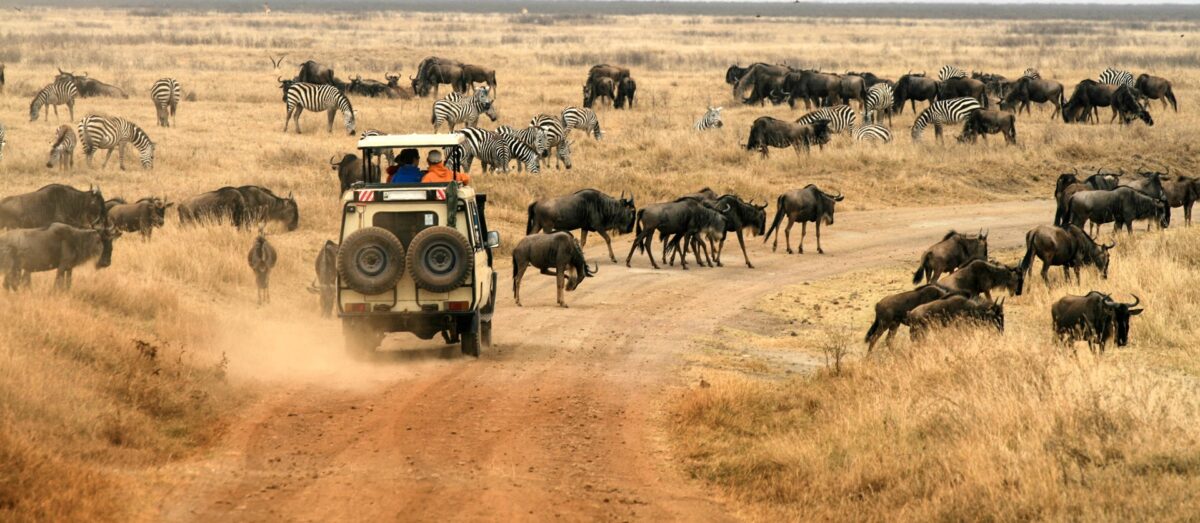
Tanzania
Home / Destinations / Tanzania Safaris /
When to go to Tanzania For Safaris
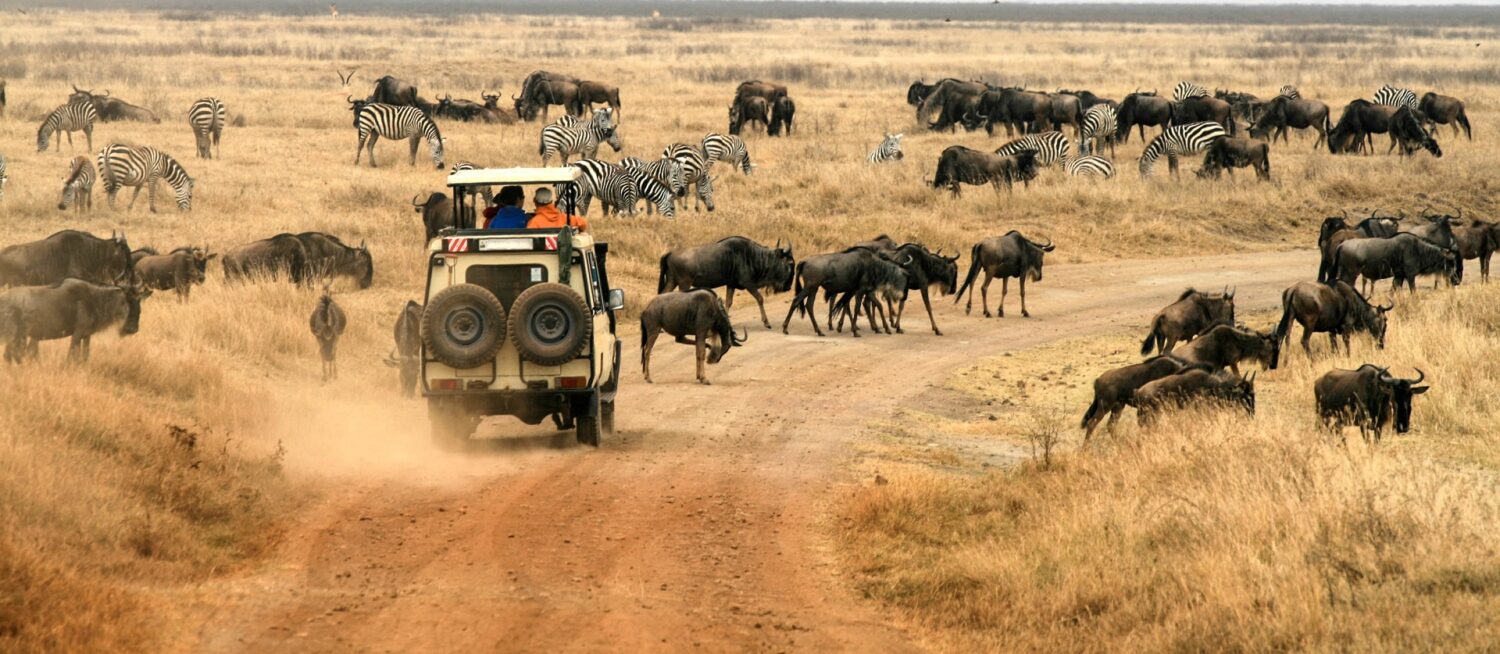
The best time to visit Tanzania is generally during the dry season from June to October, when vegetation thins out, wildlife gathers around rivers and waterholes, and game viewing becomes exceptional across the Serengeti, Ngorongoro Crater, Tarangire, and Ruaha. These months also coincide with key phases of the Great Wildebeest Migration in the Serengeti. Days are sunny and comfortable, nights are cooler, and safari conditions are at their most rewarding.
However, the green season from November to May brings lush landscapes, dramatic skies, and fewer visitors. This period offers excellent birdwatching, newborn wildlife, and beautiful photographic scenery, particularly during the calving season in the southern Serengeti. While short rains may occur, the scenery becomes vibrant and rich, making it ideal for travellers who prefer quieter parks and striking natural contrasts.
Why Book Any Time Of The Year
Tips For First Time Travellers
For first-time travelers, keep your planning simple and focus on the essentials. Start by choosing a clear itinerary so you’re not rushing between too many places, and always book trusted accommodations, transfers, and tours in advance. Pack light, versatile clothing and include basics like a power bank, travel documents, and any personal medication. Be mindful of local customs, keep an open mind, and give yourself time to adjust to new environments. Most importantly, stay flexible—unexpected moments often become the highlights of your trip.
Month By Month
January
January in Tanzania
Green Season Drama, Calving Spectacle, and Lush Safari Landscapes
January falls within Tanzania’s green season, a period shaped by short rains that refresh the savannah and transform the country’s major wildlife ecosystems. The plains of the Serengeti turn vibrant green, seasonal water sources replenish, and dramatic cloud formations build across wide horizons. While this period sits outside the classic dry-season peak, it delivers one of the most biologically significant wildlife moments of the year.
Tourism remains moderate in January, particularly outside of the New Year holiday window. Safari areas feel spacious, and experiences unfold at a relaxed pace. January appeals to travelers seeking ecological depth, exceptional predator-prey interaction, and rich photographic opportunities rather than dry-season waterhole concentration.
Understanding the January Weather in Tanzania
January brings warm temperatures across Tanzania’s northern safari circuit. Daytime temperatures typically range between 20 °C and 32 °C depending on elevation. Rainfall from the short rains lingers into early January but usually appears as brief afternoon showers rather than continuous rainfall.
Humidity remains moderate in lowland areas such as the Serengeti, while higher elevations like Ngorongoro Crater and Karatu remain cooler, especially in the mornings and evenings. Coastal areas and Zanzibar experience warmer and more humid conditions, with sea temperatures averaging around 27–28 °C.
Wildlife Experiences in January
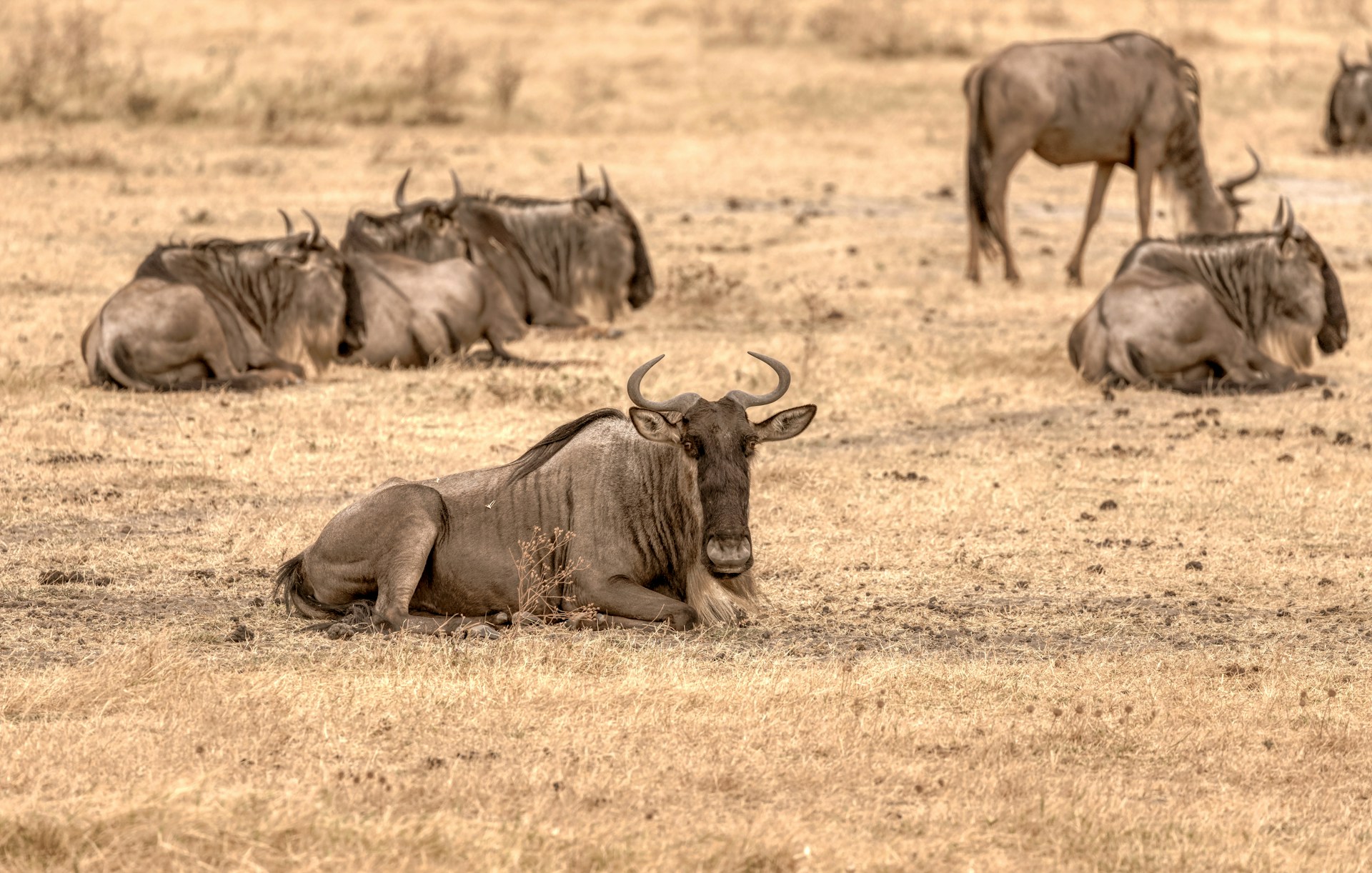
January marks the peak of the Great Migration calving season in the southern Serengeti and Ndutu region. Hundreds of thousands of wildebeest gather on nutrient-rich short-grass plains to give birth, creating one of Africa’s most dramatic wildlife spectacles. Predator activity intensifies as lions, cheetahs, and hyenas track vulnerable newborns.
Wildlife dispersal occurs beyond permanent water sources due to widespread surface water, but the southern Serengeti becomes highly concentrated due to calving behavior. Birdlife remains strong, with migratory species active across wetlands and woodland areas.
Average January Weather in Tanzania
Across the Serengeti and Ngorongoro region, temperatures generally range from 20 °C to 32 °C, with rainfall averaging between 40 and 100 mm depending on location. Rain typically arrives in short bursts rather than prolonged storms.
Coastal regions including Zanzibar maintain temperatures between 24 °C and 33 °C, with warm ocean waters averaging around 27–28 °C.
Best Places to Visit in Tanzania in January
The southern Serengeti and Ndutu region perform exceptionally well in January due to migration calving activity. Ngorongoro Crater offers consistent year-round wildlife viewing with cooler highland temperatures.
Tarangire remains productive with resident wildlife, while Zanzibar provides warm beach conditions between rain intervals.
Activities to Enjoy in January
January supports wildlife-focused safaris centered on calving season dynamics. Game drives in the southern Serengeti deliver high predator density and newborn wildlife sightings. Photographic safaris benefit from lush grasslands and dramatic skies.
Cultural visits near Ngorongoro integrate easily into itineraries. Coastal relaxation and marine activities in Zanzibar operate comfortably between short showers. January delivers one of Tanzania’s most ecologically intense safari experiences, defined by renewal, birth cycles, and green-season vibrancy.
February
February in Tanzania
Peak Calving Season, Predator Intensity, and Lush Savannah Energy
February remains firmly within Tanzania’s green season and represents one of the most biologically dramatic months of the year. The southern Serengeti plains stay vibrant and nutrient-rich, supporting the height of the Great Migration calving season. New life dominates the ecosystem, and predator-prey interactions intensify across open grasslands framed by dramatic summer skies.
Tourism remains moderate outside select high-demand migration zones, allowing flexible safari pacing and spacious game viewing. February appeals to travelers seeking raw wildlife interaction, exceptional predator sightings, and dynamic photographic conditions rather than classic dry-season waterhole concentration.
Understanding the February Weather in Tanzania
February brings warm and relatively stable conditions across northern Tanzania’s safari circuit. Daytime temperatures typically range between 21 °C and 33 °C depending on altitude. Rainfall decreases compared to January, with shorter and less frequent showers, often limited to brief afternoon storms.
Humidity remains moderate in lowland savannah regions, while higher elevations such as Ngorongoro Crater experience cooler mornings and evenings. Coastal areas and Zanzibar remain warm and humid, with sea temperatures averaging around 27–28 °C.
Wildlife Experiences in February
February marks the peak of the Great Migration calving season in the Ndutu and southern Serengeti region. Hundreds of thousands of wildebeest calves are born within a concentrated timeframe, attracting high predator density. Lions, cheetahs, hyenas, and other carnivores operate actively across open plains.
The short-grass ecosystem supports excellent visibility, making predator tracking particularly effective. Birdlife remains strong across wetlands and woodland areas, with migratory species still present. February offers one of the most action-driven wildlife months in East Africa.
Average February Weather in Tanzania
Across the Serengeti and Ngorongoro region, temperatures generally range from 21 °C to 33 °C, with rainfall averaging between 30 and 80 mm depending on location. Rain typically occurs in short, localized bursts.
Coastal regions including Zanzibar maintain temperatures between 24 °C and 33 °C, with warm ocean conditions averaging around 27–28 °C.
Best Places to Visit in Tanzania in February
The southern Serengeti and Ndutu area perform at peak level due to concentrated calving activity and predator density. Ngorongoro Crater continues to offer consistent wildlife viewing in a compact ecosystem.
Tarangire remains productive with resident species, while Zanzibar provides warm beach conditions and stable marine access during short dry intervals.
Activities to Enjoy in February
February supports wildlife-focused itineraries centered on migration and predator activity. Game drives in the southern Serengeti offer intense predator-prey encounters and newborn wildlife observation.
Photographic safaris benefit from green grasslands and strong animal concentration. Cultural visits near Ngorongoro integrate smoothly into itineraries. Coastal relaxation, snorkeling, and dhow excursions in Zanzibar operate comfortably between brief rain showers. February delivers one of Tanzania’s most wildlife-dynamic safari experiences, defined by birth cycles and predator intensity.
March
March in Tanzania
Late Green Season, Migration Movement, and Expanding Savannah Horizons
March marks the latter phase of Tanzania’s green season, maintaining lush landscapes while signaling gradual ecological transition. The intense calving activity of January and February begins tapering as herds prepare to shift movement patterns. Grasslands remain vibrant, skies alternate between clear intervals and dramatic cloud build-up, and wildlife behavior reflects seasonal adaptation rather than peak concentration.
Tourism remains moderate in March, creating relaxed safari pacing across the northern circuit. Parks feel spacious, and game drives operate without peak-season traffic. March appeals to travelers seeking green-season atmosphere, evolving migration movement, and reduced visitor pressure.
Understanding the March Weather in Tanzania
March brings warm and increasingly humid conditions across northern Tanzania. Daytime temperatures typically range between 21 °C and 32 °C depending on elevation. Rainfall begins increasing toward the end of the month as the long rains approach, often arriving as afternoon thunderstorms.
Humidity becomes more noticeable in lowland areas such as the Serengeti, while highland regions like Ngorongoro remain cooler during mornings and evenings. Coastal areas and Zanzibar maintain warm temperatures between 25 °C and 33 °C, with sea temperatures averaging around 27–28 °C.
Wildlife Experiences in March
Wildlife viewing in March reflects shifting migration dynamics. In the southern Serengeti and Ndutu region, herds begin gradual movement westward as grazing conditions evolve. Predator activity remains visible, though calving intensity decreases compared to February.
Vegetation remains dense, requiring skilled guiding for consistent sightings. Birdlife continues to perform strongly, particularly in wetlands and woodland areas where migratory species remain active. March rewards travelers interested in ecological processes and broader landscape immersion.
Average March Weather in Tanzania
Across the Serengeti and Ngorongoro region, temperatures generally range from 21 °C to 32 °C, with rainfall averaging between 50 and 120 mm depending on timing within the month. Showers remain intermittent rather than continuous early in March.
Coastal regions including Zanzibar maintain temperatures between 25 °C and 33 °C, with warm sea conditions around 27–28 °C.
Best Places to Visit in Tanzania in March
The southern Serengeti remains productive early in the month before herds shift westward. The western Serengeti corridor begins gaining movement toward the end of March.
Ngorongoro Crater offers consistent wildlife viewing regardless of seasonal migration changes. Tarangire and Lake Manyara remain accessible though wildlife may disperse due to rainfall. Zanzibar continues offering warm beach conditions between rain intervals.
Activities to Enjoy in March
March supports wildlife-focused safaris emphasizing movement and behavioral observation rather than peak density. Game drives track shifting migration patterns and predator activity across green plains.
Photographic safaris benefit from dramatic skies and lush scenery. Cultural visits around Ngorongoro integrate smoothly into itineraries. Coastal relaxation, snorkeling, and dhow sailing in Zanzibar operate during clear intervals between storms. March delivers a transitional Tanzania safari experience shaped by evolving migration movement and late green-season energy.
April
April in Tanzania
Long Rains, Emerald Landscapes, and Quiet Safari Atmosphere
April sits at the heart of Tanzania’s long rainy season, bringing consistent rainfall, deep green landscapes, and dramatically shifting skies across the northern safari circuit. Grasslands reach peak lushness, seasonal rivers flow strongly, and cloud formations dominate the horizon. The ecosystem feels refreshed and expansive, shaped by moisture and seasonal renewal.
Tourism reaches its lowest point in April due to sustained rainfall and challenging road conditions in certain remote areas. National parks feel exceptionally quiet, and safari experiences unfold without vehicle congestion. April appeals to travelers seeking solitude, strong photographic contrast, and immersion in green-season atmosphere rather than structured dry-season predictability.
Understanding the A|pril Weather in Tanzania
April brings warm and humid conditions across much of Tanzania. Daytime temperatures typically range between 20 °C and 30 °C depending on elevation. Rainfall becomes more consistent than in March, often occurring in prolonged showers or steady daily patterns rather than brief afternoon storms.
Lowland areas such as the Serengeti experience higher humidity, while elevated regions like Ngorongoro Crater remain cooler, especially during mornings and evenings. Coastal areas and Zanzibar experience frequent showers with temperatures ranging between 25 °C and 32 °C. Sea temperatures remain warm at approximately 27–28 °C.
Wildlife Experiences in April
Wildlife viewing in April reflects widespread water availability and thick vegetation. Migration herds move gradually toward the western corridor of the Serengeti, though tracking becomes more challenging due to muddy terrain and dispersed movement.
Predator activity continues but requires experienced guiding to locate in denser vegetation. Birdlife remains abundant, particularly in wetland zones and woodland areas. April favors ecological observation and landscape immersion over concentrated wildlife density.
Average April Weather in Tanzania
Across the Serengeti and Ngorongoro region, temperatures generally range from 20 °C to 30 °C, with rainfall averaging between 120 and 250 mm depending on region and timing. Roads in remote areas may become muddy or temporarily inaccessible.
Coastal regions including Zanzibar maintain temperatures between 25 °C and 32 °C, with frequent rainfall and warm ocean waters averaging 27–28 °C.
Best Places to Visit in Tanzania in April
Ngorongoro Crater remains accessible and continues to provide consistent wildlife viewing despite rainfall. The central and western Serengeti regions hold migrating herds though accessibility varies depending on road conditions.
Tarangire and Lake Manyara remain open but wildlife disperses widely due to abundant surface water. Zanzibar offers tropical beach conditions though rainfall remains frequent.
Activities to Enjoy in April
April supports flexible safari schedules adapted to weather windows. Game drives operate between rain intervals, often focusing on shorter morning and afternoon sessions.
Photography thrives under dramatic storm light and saturated landscapes. Cultural visits near Ngorongoro integrate well into itineraries. Coastal relaxation and marine activities in Zanzibar continue during dry intervals. April delivers a quiet, atmospheric Tanzania experience defined by long rains, lush scenery, and minimal visitor pressure.
May
May in Tanzania
Late Long Rains, Deep Green Plains, and Gradual Seasonal Transition
May represents the final phase of Tanzania’s long rainy season, maintaining lush landscapes while gradually signaling the approach of the dry months. Grasslands remain saturated and vibrant, seasonal rivers continue flowing, and skies alternate between heavy cloud cover and emerging clear intervals. The ecosystem feels dense and fully refreshed, shaped by weeks of consistent rainfall.
Tourism remains low in May, preserving a quiet and spacious safari atmosphere across the northern circuit. National parks operate steadily, though some remote roads may still present muddy conditions. May appeals to travelers seeking solitude, green-season depth, and evolving migration movement before peak dry-season demand returns.
Understanding the May Weather in Tanzania
May brings warm and humid conditions across much of northern Tanzania. Daytime temperatures typically range between 19°C and 29°C depending on elevation. Rainfall remains present, though frequency gradually decreases toward the end of the month.
Humidity stays elevated in lowland savannah regions such as the Serengeti, while highland areas like Ngorongoro Crater maintain cooler mornings and evenings. Coastal areas and Zanzibar continue experiencing periodic rainfall, with temperatures ranging between 24°C and 31°C. Sea temperatures remain warm at approximately 27°C.
Wildlife Experiences in May
Wildlife viewing in May reflects ongoing migration movement and dispersed animal distribution. Herds of wildebeest and zebra continue shifting toward the western Serengeti corridor as grazing patterns evolve.
Vegetation density remains high, requiring experienced guiding for consistent sightings. Predator presence remains steady, though less concentrated than during peak calving or dry-season waterhole periods. Birdlife continues performing strongly in wetland areas and woodland zones.
Average May Weather in Tanzania
Across the Serengeti and Ngorongoro region, temperatures generally range from 19°C to 29°C, with rainfall averaging between 80 and 150 mm depending on the region and timing within the month. Rainfall decreases gradually toward late May.
Coastal regions, including Zanzibar, maintain temperatures between 24°C and 31°C, with occasional showers and warm ocean waters averaging 27°C.
Best Places to Visit in Tanzania in May
The western Serengeti corridor becomes increasingly relevant as migration herds shift westward. Ngorongoro Crater remains reliable for year-round wildlife viewing regardless of seasonal rain.
Tarangire and Lake Manyara remain accessible, though wildlife dispersal continues due to lingering surface water. Zanzibar offers tropical beach conditions with improving weather toward the end of the month.
Activities to Enjoy in May
May supports flexible safari schedules adapted to shifting rainfall patterns. Game drives focus on migration tracking and predator movement across greener landscapes.
Photographic safaris benefit from dramatic skies and saturated scenery. Cultural visits near Ngorongoro integrate smoothly into itineraries during dry intervals. Coastal relaxation and snorkeling in Zanzibar operate increasingly reliably as rainfall tapers. May delivers a transitional Tanzania safari experience defined by lush terrain and gradual movement toward the dry season.
June
June in Tanzania
Dry Season Arrival, Clear Horizons, and Migration Momentum
June marks the clear beginning of Tanzania’s dry season, bringing cooler mornings, clear skies, and steadily improving wildlife visibility. The long rains subside fully, vegetation begins thinning, and water sources gradually reduce across the northern safari circuit. Landscapes shift from saturated green toward golden tones, opening expansive visibility across savannah plains.
Tourism strengthens significantly in June as safari conditions stabilize and migration movement gains momentum. National parks operate under reliable weather, and road conditions improve dramatically. June appeals to travelers seeking structured wildlife viewing, comfortable temperatures, and predictable migration tracking before peak-season congestion intensifies.
Understanding the June Weather in Tanzania
June brings mild and dry conditions across much of northern Tanzania. Daytime temperatures typically range between 17 °C and 27 °C depending on elevation. Early mornings and evenings feel cool, especially in highland areas such as Ngorongoro and Karatu.
Rainfall becomes virtually absent, and humidity drops considerably compared to the preceding months. Skies remain clear for extended periods, enhancing photographic light and visibility. Coastal regions and Zanzibar maintain warm daytime temperatures between 24 °C and 30 °C, with sea temperatures averaging around 26–27 °C.
Wildlife Experiences in June
Wildlife viewing improves rapidly in June as vegetation thins and surface water recedes. The Great Migration herds continue moving through the western Serengeti corridor toward the Grumeti River region. Large concentrations of wildebeest and zebra become easier to track due to improved road conditions and clearer terrain.
Predator activity remains consistent along migration routes, particularly near river systems. Ngorongoro Crater continues delivering high-density wildlife viewing year-round. Birdlife remains present but less migratory compared to green-season peaks.
Average June Weather in Tanzania
Across the Serengeti and Ngorongoro region, temperatures generally range from 17 °C to 27 °C, with negligible rainfall during the month. Northern highlands may experience cooler nighttime lows.
Coastal regions including Zanzibar maintain temperatures between 24 °C and 30 °C, with warm sea conditions averaging around 26–27 °C and minimal rainfall.
Best Places to Visit in Tanzania in June
The western Serengeti becomes particularly relevant as migration herds approach the Grumeti River crossings. Central Serengeti remains productive with resident wildlife and improved visibility.
Ngorongoro Crater continues offering consistent year-round wildlife density. Tarangire begins strengthening as water sources diminish and wildlife movement becomes more structured. Zanzibar provides stable beach conditions under clear skies.
Activities to Enjoy in June
June supports highly structured safari itineraries. Game drives focus on migration tracking, predator encounters, and water-source concentration. Photographic safaris benefit from clear light and open terrain.
Cultural visits near Ngorongoro integrate smoothly into dry-season schedules. Coastal relaxation, snorkeling, and dhow sailing in Zanzibar operate reliably under stable conditions. June delivers a balanced Tanzania safari experience defined by dry-season clarity and expanding migration momentum.
July
July in Tanzania
Peak Dry Season Clarity, River Crossings, and High Safari Performance
July marks the height of Tanzania’s dry season, bringing cool mornings, bright afternoons, and exceptionally clear visibility across the northern safari circuit. Vegetation thins significantly, seasonal water sources disappear, and wildlife concentration strengthens around permanent rivers and remaining water points. The savannah turns golden, and skies remain consistently blue, creating classic East African safari conditions.
Tourism reaches one of its annual peaks in July as international travelers take advantage of prime migration timing and stable weather. Despite increased vehicle presence in key migration zones, Tanzania’s scale preserves strong viewing opportunities across multiple regions. July appeals to travelers seeking high-probability wildlife encounters, dramatic river crossings, and predictable travel logistics.
Understanding the July Weather in Tanzania
July brings cool and dry conditions across northern Tanzania. Daytime temperatures typically range between 16 °C and 26 °C depending on elevation. Early mornings in the Serengeti and Ngorongoro highlands can feel cold, particularly during pre-dawn game drives.
Rainfall is virtually absent, and humidity remains low. Skies stay clear, enhancing sunrise and sunset photography. Coastal regions and Zanzibar maintain warm temperatures between 24 °C and 30 °C, with sea temperatures averaging around 25–26 °C and minimal rainfall.
Wildlife Experiences in July
Wildlife viewing reaches a strong phase in July. The Great Migration herds move through the western and northern Serengeti regions, with river crossings along the Grumeti and Mara River becoming major highlights. Large herds gather at crossing points, attracting crocodiles and predators.
Resident wildlife across central Serengeti remains highly visible due to sparse vegetation. Ngorongoro Crater continues offering concentrated wildlife density in a compact ecosystem. Tarangire strengthens as water sources decline and elephant herds gather in larger numbers.
Average July Weather in Tanzania
Across the Serengeti and Ngorongoro region, temperatures generally range from 16 °C to 26 °C, with negligible rainfall during the month. Northern Serengeti areas remain cool in the mornings but warm under midday sun.
Coastal regions including Zanzibar maintain temperatures between 24 °C and 30 °C, with warm ocean waters averaging 25–26 °C.
Best Places to Visit in Tanzania in July
The northern Serengeti becomes highly relevant for Mara River crossing activity. Central Serengeti remains productive for resident predator sightings.
Ngorongoro Crater offers reliable wildlife viewing regardless of migration timing. Tarangire provides excellent elephant concentration. Zanzibar delivers stable beach conditions and clear skies for post-safari relaxation.
Activities to Enjoy in July
July supports structured migration-focused itineraries. Game drives center on river crossing anticipation and predator tracking. Wildlife photography benefits from clear light, open terrain, and concentrated animal movement.
Balloon safaris over the Serengeti operate under stable weather conditions. Cultural visits and highland excursions near Ngorongoro integrate seamlessly into dry-season schedules. Coastal snorkeling, dhow sailing, and beach relaxation in Zanzibar operate reliably under calm seas. July delivers one of Tanzania’s most consistent and high-impact safari months, defined by river drama and dry-season precision.
August
August in Tanzania
Peak Migration Drama, Cool Mornings, and Golden Savannah Light
August continues Tanzania’s dry season at full strength, delivering clear skies, cool early mornings, and highly concentrated wildlife activity across the northern circuit. Vegetation remains sparse, water sources stay limited, and the savannah glows in golden tones beneath crisp winter light. Visibility reaches its peak, creating strong photographic clarity across open plains.
Tourism remains high in August as global travelers target prime migration timing and stable weather. Key areas of the northern Serengeti experience focused vehicle presence around river crossings, while other regions maintain spacious game-viewing conditions. August appeals to travelers seeking dramatic wildlife movement, consistent predator sightings, and reliable safari logistics
Understanding the August Weather in Tanzania
August brings cool mornings and mild afternoons across northern Tanzania. Daytime temperatures typically range between 17°C and 27°C depending on elevation. Early morning game drives in the Serengeti and Ngorongoro highlands often require layered clothing due to chilly pre-sunrise conditions.
Rainfall remains virtually absent, and humidity stays low. Skies remain clear and bright for extended periods. Coastal regions and Zanzibar maintain warm daytime temperatures between 24°C and 30°C, with sea temperatures averaging around 25–26°C.
Wildlife Experiences in August
Wildlife viewing remains at peak intensity in August. The Great Migration herds concentrate in the northern Serengeti, where Mara River crossings continue attracting large numbers of wildebeest and zebra. Crocodile presence and predator tracking around crossing zones create dynamic viewing opportunities.
Resident predator populations remain highly visible across the central Serengeti due to minimal vegetation. Ngorongoro Crater continues offering year-round wildlife density. Tarangire sustains strong elephant concentrations around remaining water sources.
Average August Weather in Tanzania
Across the Serengeti and Ngorongoro region, temperatures generally range from 17°C to 27°C, with negligible rainfall throughout the month. Northern Serengeti remains cool in the mornings with warm afternoons.
Coastal regions, including Zanzibar, maintain temperatures between 24°C and 30°C, with warm ocean waters averaging around 25–26°C and stable marine conditions.
Best Places to Visit in Tanzania in August
The northern Serengeti performs exceptionally well for Mara River crossing activity. Central Serengeti continues providing consistent predator sightings under clear skies.
Ngorongoro Crater remains a reliable wildlife hotspot. Tarangire maintains strong dry-season elephant gatherings. Zanzibar offers calm beach environments and dependable snorkeling conditions.
Activities to Enjoy in August
August supports migration-focused safari planning. Game drives emphasize river crossing anticipation, predator tracking, and structured wildlife observation.
Balloon safaris over the Serengeti operate reliably under clear morning skies. Photographic safaris benefit from strong contrast and open visibility. Cultural excursions near Ngorongoro integrate smoothly into itineraries. Coastal snorkeling, dhow sailing, and beach relaxation in Zanzibar operate consistently under stable weather. August delivers one of Tanzania’s most dramatic and visually rewarding safari periods, defined by migration intensity and dry-season clarity.
September
September in Tanzania
Late Dry Season Precision, Sustained Migration Movement, and Expansive Safari Visibility
September marks the latter phase of Tanzania’s dry season, maintaining clear skies, sparse vegetation, and highly predictable wildlife movement across the northern circuit. The savannah remains golden and dry, water sources stay limited, and visibility continues at peak levels. Landscapes feel open and structured, allowing long-range viewing across plains and river systems.
Tourism remains strong in September, though slightly less intense than July and August in key migration zones. Safari experiences feel balanced and highly productive, with consistent wildlife activity and stable travel logistics. September appeals to travelers seeking reliable migration tracking, strong predator sightings, and comfortable dry-season temperatures.
Understanding the September Weather in Tanzania
September brings mild mornings and increasingly warmer afternoons. Daytime temperatures typically range between 18 °C and 30 °C depending on region and elevation. Early mornings in the Serengeti and Ngorongoro highlands remain cool, though less cold than peak winter months.
Rainfall remains virtually absent across northern Tanzania. Humidity stays low, and skies remain clear with uninterrupted sunlight. Coastal regions and Zanzibar maintain warm temperatures between 25 °C and 31 °C, with sea temperatures averaging around 25–27 °C.
Wildlife Experiences in September
Wildlife viewing remains highly consistent in September. The Great Migration herds continue occupying the northern Serengeti and areas near the Mara River, with river crossing activity still possible depending on herd movement patterns.
Resident wildlife across central Serengeti remains highly visible due to minimal vegetation cover. Predator sightings remain strong across both central and northern sectors. Ngorongoro Crater continues delivering dense wildlife concentration year-round. Tarangire sustains structured elephant gatherings as dry-season water scarcity persists.
Average September Weather in Tanzania
Across the Serengeti and Ngorongoro region, temperatures generally range from 18 °C to 30 °C, with negligible rainfall throughout the month. Northern Serengeti areas experience warm afternoons and mild evenings.
Coastal regions including Zanzibar maintain temperatures between 25 °C and 31 °C, with warm ocean waters averaging 25–27 °C and stable marine conditions.
Best Places to Visit in Tanzania in September
The northern Serengeti remains highly relevant for continued migration movement and predator activity. Central Serengeti offers reliable resident wildlife viewing under clear skies.
Ngorongoro Crater maintains strong wildlife density regardless of migration shifts. Tarangire remains productive for elephant viewing and structured dry-season movement. Zanzibar continues offering calm beach conditions and dependable snorkeling.
Activities to Enjoy in September
September supports structured safari itineraries focused on migration tracking and predator observation. Game drives operate smoothly under stable weather and predictable wildlife patterns.
Balloon safaris continue operating reliably over Serengeti plains. Wildlife photography benefits from clear atmospheric conditions and open terrain. Cultural visits and crater excursions integrate seamlessly into dry-season planning. Coastal snorkeling, diving, and dhow sailing in Zanzibar operate under warm and stable sea conditions. September delivers a refined Tanzania safari experience defined by sustained migration movement and late dry-season clarity.
October
October in Tanzania
Late Dry Season Heat, Wildlife Concentration, and Pre-Rain Anticipation
October represents the final and warmest phase of Tanzania’s dry season. Temperatures rise noticeably, vegetation reaches its sparsest point, and water sources diminish further across the northern safari circuit. The landscape appears sun-bleached and expansive, with strong light defining the open plains and river corridors.
Tourism begins to ease slightly compared to peak July–August months, yet safari performance remains strong. Wildlife visibility stays high, and predator-prey dynamics intensify around remaining water sources. October appeals to travelers seeking concentrated wildlife sightings, clear skies, and fewer vehicles before the short rains arrive.
Understanding the October Weather in Tanzania
October brings warmer daytime temperatures across northern Tanzania, typically ranging between 20 °C and 32 °C depending on elevation. Early mornings remain mild rather than cold, and afternoons can become hot, particularly in lower-altitude savannah regions.
Rainfall remains minimal for most of the month, though isolated showers may occur toward the end as the short rains approach. Humidity begins to increase slightly, especially in northern Serengeti areas. Coastal regions and Zanzibar maintain warm temperatures between 25 °C and 32 °C, with sea temperatures averaging around 26–27 °C.
Wildlife Experiences in October
Wildlife viewing remains highly productive in October due to limited water availability and thin vegetation. In the Serengeti, resident wildlife stays visible across central regions, while migration herds may begin shifting southward depending on seasonal rainfall patterns.
Predator activity increases around concentrated prey movement near water sources. Ngorongoro Crater continues providing dense wildlife viewing year-round. Tarangire often reaches peak elephant concentration during this late dry-season period as herds gather along the Tarangire River.
Average October Weather in Tanzania
Across the Serengeti and Ngorongoro region, temperatures generally range from 20 °C to 32 °C, with rainfall typically below 20 mm for most of the month. Conditions remain dry and stable until late October.
Coastal regions including Zanzibar maintain temperatures between 25 °C and 32 °C, with warm ocean waters averaging around 26–27 °C and stable marine access.
Best Places to Visit in Tanzania in October
Central Serengeti remains highly productive for resident wildlife sightings. Northern Serengeti may still offer migration activity depending on rainfall timing.
Tarangire performs exceptionally well due to concentrated elephant herds and dry-season wildlife density. Ngorongoro Crater remains consistently rewarding. Zanzibar continues offering warm beach conditions under stable skies.
Activities to Enjoy in October
October supports structured game drives focused on waterhole concentration and predator tracking. Wildlife photography benefits from open terrain and strong light contrast.
Balloon safaris operate reliably in dry conditions. Cultural visits and crater exploration integrate seamlessly into itineraries. Coastal snorkeling, diving, and dhow sailing in Zanzibar remain comfortable under warm sea temperatures. October delivers a concentrated and visually striking Tanzania safari experience just before seasonal rains reshape the landscape.
November
November in Tanzania
Short Rains Arrival, Migration Reset, and Renewed Savannah Colour
November marks the arrival of Tanzania’s short rains, bringing the first meaningful rainfall after the long dry season. Storm systems build across the northern safari circuit, dust settles, and fresh green shoots begin emerging across the plains. The transformation does not occur overnight, but the landscape gradually shifts from dry gold to early-season green under dramatic cloud formations.
Tourism declines compared to peak dry-season months, creating quieter safari conditions and flexible itineraries. Game drives feel spacious, and parks operate without congestion. November appeals to travelers seeking atmospheric skies, evolving migration movement, and lower visitor pressure before the high-demand holiday period begins.
Understanding the November Weather in Tanzania
November brings warm temperatures with increasing humidity. Daytime temperatures typically range between 20 °C and 31 °C depending on elevation. Rainfall begins in the form of scattered afternoon or evening thunderstorms rather than continuous rain.
Showers are often localized and short-lived, allowing clear intervals between storm systems. Highland regions such as Ngorongoro remain cooler in the mornings, while lowland savannah areas feel warmer and slightly more humid. Coastal regions and Zanzibar maintain temperatures between 25 °C and 32 °C, with sea temperatures averaging around 27 °C.
Wildlife Experiences in November
Wildlife behavior shifts noticeably in November as rainfall restores surface water and stimulates fresh grazing. Migration herds begin moving southward toward the short-grass plains of the southern Serengeti in response to new growth.
Wildlife disperses slightly due to renewed water availability, requiring active tracking rather than strict waterhole observation. Predator movement follows grazing herds, creating mobile viewing opportunities. Birdlife increases as migratory species return and breeding activity intensifies.
Average November Weather in Tanzania
Across the Serengeti and Ngorongoro region, temperatures generally range from 20 °C to 31 °C, with rainfall averaging between 40 and 100 mm depending on location and timing within the month.
Coastal regions including Zanzibar maintain temperatures between 25 °C and 32 °C, with warm ocean waters averaging around 27 °C and intermittent showers.
Best Places to Visit in Tanzania in November
The central and southern Serengeti regions begin gaining importance as migration herds move south in response to rainfall. Ngorongoro Crater remains consistently productive regardless of seasonal shifts.
Tarangire gradually sees wildlife dispersal as surface water reappears. Zanzibar continues offering warm beach conditions, though occasional showers occur.
Activities to Enjoy in November
November supports flexible safari schedules adapted to afternoon rain patterns. Game drives focus on tracking migrating herds and observing predator movement across newly green terrain.
Photography thrives under dramatic storm light and renewed landscape colour. Cultural visits and crater exploration integrate smoothly into itineraries. Coastal snorkeling, dhow sailing, and beach relaxation in Zanzibar continue during clear weather windows. November delivers a transitional Tanzania safari experience defined by short rains, migration reset, and expanding ecological renewal.
December
December in Tanzania
Green Season Return, Migration Gathering, and Festive Safari Energy
December marks the full establishment of Tanzania’s green season following the short rains. Fresh grass carpets the southern Serengeti plains, seasonal water sources replenish, and wildlife movement adjusts to renewed grazing patterns. The landscape shifts from dry-season gold to vibrant green, framed by dramatic cloud build-up and occasional afternoon showers.
Tourism increases toward the festive period, particularly in late December, though safari areas remain less congested than peak July–August months. The atmosphere blends ecological renewal with holiday travel energy. December appeals to travelers seeking migration movement, lush scenery, and a dynamic safari environment before peak calving begins in January.
Understanding the December Weather in Tanzania
December brings warm and moderately humid conditions across northern Tanzania. Daytime temperatures typically range between 20 °C and 31 °C depending on elevation. Rainfall continues from the short rains but usually arrives in localized afternoon or evening showers rather than prolonged downpours.
Humidity remains manageable, especially in higher elevations such as Ngorongoro. Skies alternate between bright sunshine and dramatic storm build-up. Coastal regions and Zanzibar maintain warm temperatures between 25 °C and 32 °C, with sea temperatures averaging around 27–28 °C.
Wildlife Experiences in December
Wildlife viewing centers on migration herds gathering across the southern Serengeti and Ndutu region in response to fresh grazing conditions. Large concentrations of wildebeest and zebra begin forming in preparation for the upcoming calving season.
Predator movement follows these herds, creating strong tracking opportunities across open short-grass plains. Vegetation remains relatively low in the south, supporting good visibility despite seasonal rainfall. Birdlife increases further as migratory species settle into wetland and woodland areas.
Average December Weather in Tanzania
Across the Serengeti and Ngorongoro region, temperatures generally range from 20 °C to 31 °C, with rainfall averaging between 60 and 120 mm depending on region and timing within the month.
Coastal regions including Zanzibar maintain temperatures between 25 °C and 32 °C, with warm ocean waters averaging around 27–28 °C and intermittent showers.
Best Places to Visit in Tanzania in December
The southern Serengeti and Ndutu region become increasingly important as migration herds concentrate ahead of calving season. Central Serengeti continues offering reliable resident wildlife viewing.
Ngorongoro Crater remains consistently productive year-round. Tarangire begins transitioning toward green-season dispersal. Zanzibar offers warm beach conditions and festive coastal energy despite occasional rainfall.
Activities to Enjoy in December
December supports migration-focused safaris emphasizing herd concentration and predator tracking across southern Serengeti plains. Game drives operate effectively between rain intervals, particularly during morning and late afternoon sessions.
Photographic safaris benefit from lush green landscapes and dramatic skies. Cultural visits and crater exploration integrate smoothly into festive-season itineraries. Coastal snorkeling, dhow sailing, and beach relaxation in Zanzibar operate comfortably under warm sea temperatures. December delivers a vibrant Tanzania safari experience defined by green-season renewal, migration gathering, and holiday-season momentum.
Steps to Book Your Southern Africa Tour
Choose Your Adventure
Confirm Your Booking
Begin Your Journey
Ready to plan your tailor-made safari?