Birding Safaris
November 18, 2025
Rail Safaris and Luxury Train Travel in Africa
November 18, 2025
Home / Experiences /
Mountain Climbing Safaris in Africa
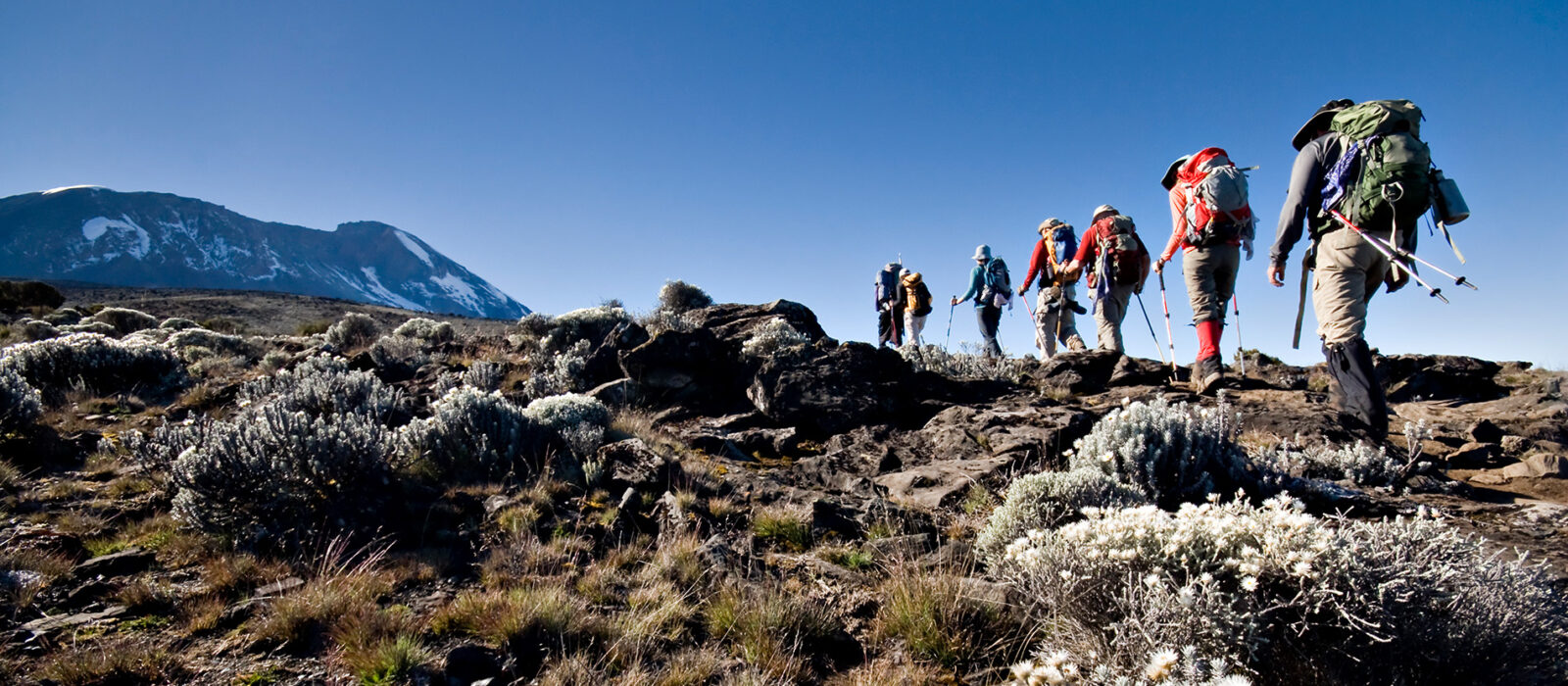
Mountain climbing safaris in Africa combine physical challenge with dramatic landscapes and cultural depth. These journeys take you from forested foothills to alpine zones and, in some cases, to snow-capped summits near the equator. Unlike traditional safaris that focus on wildlife viewing, mountain climbing safaris emphasize movement, endurance, and progression through changing environments. The experience rewards effort with panoramic views, personal achievement, and a deeper connection to Africa’s natural diversity.
Why Book This Destination
Explore More about Mountain Climbing Safaris in Africa
What Defines a Mountain Climbing Safari
A Journey Through Changing Ecosystems
Climbing in Africa involves moving through distinct ecological zones. You may start in tropical forest, pass through heath and moorland, and reach alpine desert or glacial terrain. Each zone introduces different vegetation, temperatures, and scenery.
This progression creates a layered experience. You do not just reach a summit; you experience a full environmental transition along the way.
Guided and Structured Expeditions
Mountain climbs operate under structured systems with trained guides, porters, and support teams. Guides manage pace, monitor health, and ensure safety throughout the journey. Porters carry equipment and set up camps, which allows climbers to focus on the ascent.
The support structure makes high-altitude climbing more accessible while maintaining safety standards.
Top Mountain Climbing Destinations in Africa
Mount Kilimanjaro, Tanzania
Africa’s Highest Peak
Mount Kilimanjaro rises to 5,895 meters and stands as the highest mountain in Africa. The climb does not require technical mountaineering skills, but it demands endurance and proper acclimatization.
Routes and Experience
Several routes lead to the summit, each offering different scenery and difficulty levels. Routes such as Machame and Lemosho provide gradual acclimatization and scenic variety, while Marangu offers hut accommodation.
The climb typically takes between five and nine days. Summit night presents the most challenging stage, where climbers ascend in cold conditions to reach Uhuru Peak at sunrise.
Mount Kenya, Kenya
Technical and Scenic Climbing
Mount Kenya offers a more technical climbing experience compared to Kilimanjaro. The mountain features multiple peaks, with Point Lenana accessible to trekkers and Batian and Nelion requiring technical climbing skills.
Landscape and Wildlife
The mountain’s slopes support forests, bamboo zones, and alpine vegetation. Wildlife such as colobus monkeys. The scenery feels varied and less crowded than Kilimanjaro.
Rwenzori Mountains, Uganda
The “Mountains of the Moon”
The Rwenzori Mountains offer one of Africa’s most unique climbing experiences. Peaks rise above 5,000 meters, with glaciers, waterfalls, and dense vegetation shaping the landscape.
Challenging Conditions
The terrain remains wet and rugged, with muddy trails and dense vegetation. Climbers move through thick forest and high-altitude which requires both physical and mental endurance.
The experience feels remote and adventurous, appealing to experienced trekkers.
Mount Meru, Tanzania
A Shorter High-Altitude Climb
Mount Meru stands at 4,566 meters and offers a shorter but rewarding climb. The route passes through Arusha National Park, where wildlife such as giraffes and buffalo appear along the lower slopes.
Preparation for Kilimanjaro
Many climbers use Mount Meru as preparation for Kilimanjaro due to its altitude and structure. The climb provides acclimatization and a similar trekking experience.
Climbing Experience and Daily Routine
Gradual Ascent and Acclimatization
Climbs follow a structured pace that allows the body to adjust to altitude. Days involve several hours of trekking, followed by rest and acclimatization. Guides monitor progress and adjust pace as needed.
Camp Life
Camps form the base for each stage of the climb. Support teams set up tents or prepare huts, depending on the route. Meals provide energy and hydration, which remain essential for maintaining strength.
Evenings allow rest and preparation for the next day’s ascent.
Physical and Mental Preparation
Fitness Requirements
Climbing African mountains requires a good level of fitness. You should feel comfortable walking for several hours over consecutive days. Endurance matters more than speed, as the pace remains steady.
Altitude Awareness
Altitude affects every climber differently. Symptoms such as headaches or fatigue may appear as elevation increases. Proper acclimatization, hydration, and pacing reduce risks and improve success rates.
Best Time for Mountain Climbing Safaris
Dry Seasons for Clarity and Safety
Dry seasons provide the best conditions for climbing. Trails remain more stable, and visibility improves. In East Africa, January to March and June to October offer favorable conditions.
Seasonal Variation
Rainy seasons introduce challenging conditions, including slippery trails and reduced visibility. However, landscapes appear greener and less crowded during these periods.
Combining Climbing with Safari Experiences
Wildlife Safaris After the Climb
Many travelers combine mountain climbing with traditional wildlife safaris. After reaching the summit, a safari in parks such as Serengeti, Maasai Mara, or Queen Elizabeth National Park adds relaxation and variety.
Beach Extensions
Beach destinations such as Zanzibar or the Kenyan coast provide a relaxing end to a physically demanding climb. This combination balances adventure with recovery.
Planning a Mountain Climbing Safari
Choosing the Right Mountain
Selecting the right mountain depends on experience level, time, and goals. Kilimanjaro suits first-time high-altitude climbers, while Mount Kenya and Rwenzori suit those seeking more technical or remote challenges.
Working with Experienced Operators
Professional operators ensure proper logistics, trained guides, and safety measures. They also provide equipment lists and preparation guidance.
A Journey of Challenge and Reward
Mountain climbing safaris in Africa offer more than physical achievement. They create a journey through changing landscapes, cultures, and personal limits. Each step brings you closer to both the summit and a deeper understanding of the environment.
The experience combines effort, scenery, and accomplishment into one of Africa’s most rewarding
In Africa’s national parks, every sunrise paints a masterpiece — where the wild’s call echoes across endless horizons. Visiting these parks is to witness nature in its purest form, a timeless dance that stirs the soul.
Steps to Book Your Southern Africa Tour
Choose Your Adventure
Confirm Your Booking
Begin Your Journey
Ready to plan your tailor-made safari?