
Is South Africa Safe?
November 18, 2025
LGBTQ Travel in South Africa
November 18, 2025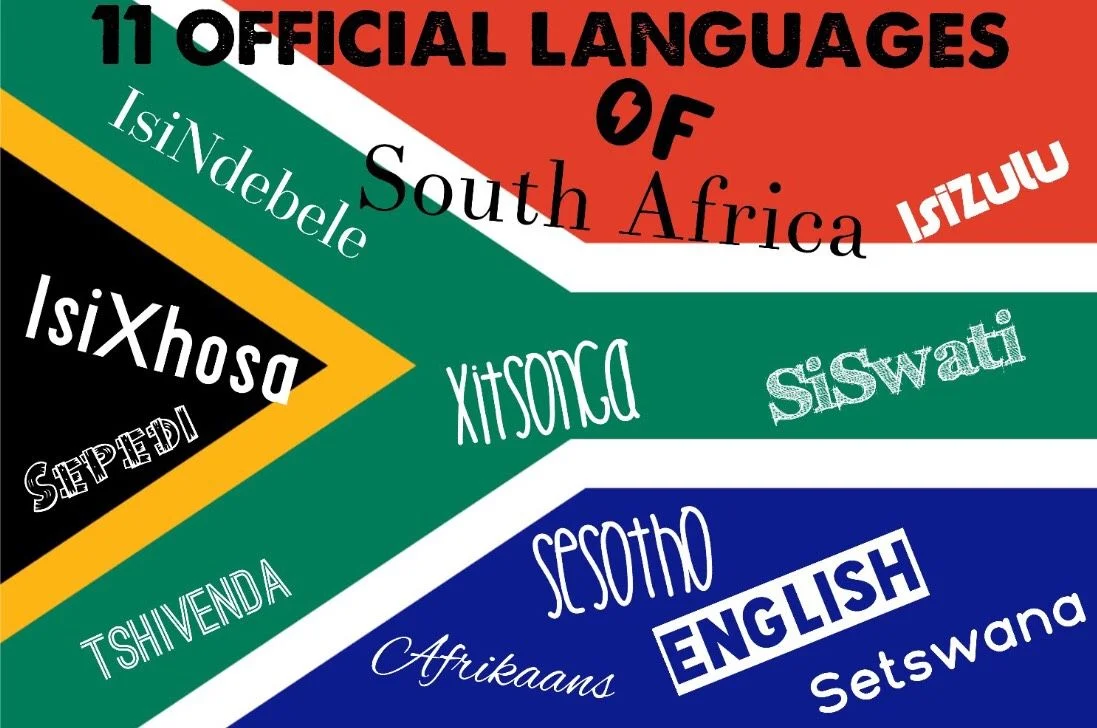
Languages in South Africa
Languages in South Africa reflect the country’s remarkable cultural diversity, complex history, and multicultural identity. Known as the “Rainbow Nation,” South Africa recognizes 12 official languages, making it one of the most linguistically diverse countries in the world.
The country’s languages represent different communities, traditions, and historical influences. From indigenous African languages spoken by millions of people to English and Afrikaans used widely in business and tourism, communication in South Africa reflects centuries of cultural interaction.
For travelers planning South Africa Safaris, understanding the country’s languages provides a deeper appreciation of local communities, heritage, and everyday life. While English remains widely understood in tourism areas, learning a few local greetings can create meaningful connections with people during your journey.
Why Book This Destination
Explore More about Languages in South Africa
Official Languages of South Africa
South Africa recognizes 12 official languages. The constitution protects these languages and promotes their use across government, education, and public services.
The official languages include:
Zulu (isiZulu)
Zulu is the most widely spoken home language in South Africa. It belongs to the Nguni language group and has strong cultural importance, especially in KwaZulu-Natal province.
Visitors often hear Zulu during cultural experiences, community visits, and wildlife tours. Common greetings such as “Sawubona” (hello) help travelers connect with local communities.
Xhosa (isiXhosa)
Xhosa is one of South Africa’s major indigenous languages and is widely spoken in the Eastern Cape and Western Cape provinces.
The language is famous for its distinctive click sounds, which make it unique among world languages. Xhosa culture has contributed significantly to South Africa’s history, music, and traditions.
Afrikaans
Afrikaans developed from Dutch influences during the colonial period and remains one of the country’s most widely spoken languages.
It is commonly used in the Western Cape, Northern Cape, and parts of other provinces. Afrikaans has influenced South African literature, music, and everyday expressions.
English
English plays a major role in South Africa’s public life. It serves as a common language for business, tourism, international communication, and higher education.
Most visitors find English easy to use in hotels, restaurants, airports, safari lodges, and major cities.
Sesotho (Southern Sotho)
Sesotho is mainly spoken in the Free State and surrounding areas. It forms part of the Sotho-Tswana language family.
The language has a strong connection with traditional music, storytelling, and community identity.
Sepedi (Northern Sotho)
Sepedi, also known as Northern Sotho, is widely spoken in Limpopo province.
It represents one of several related Sotho languages found across southern Africa.
Setswana
Setswana is spoken mainly in North West province and parts of other regions. It also has strong connections with Botswana, where it is the national language.
Siswati
Siswati is spoken mainly in Mpumalanga province and is closely related to languages spoken in neighboring Eswatini.
Tshivenda
Tshivenda is mainly spoken in Limpopo province and has unique cultural traditions, including distinctive music and ceremonies.
Xitsonga
Xitsonga is spoken mainly in Limpopo and Mpumalanga provinces and shares connections with languages found in Mozambique.
Ndebele
Ndebele represents the cultural identity of Ndebele communities, known for their colorful artwork, traditional clothing, and distinctive designs.
South African Sign Language
South African Sign Language became an official language in 2023, recognizing the importance of accessibility and communication for the deaf community.
English and Tourism in South Africa
For travelers planning South Africa Safaris, English remains the most useful language. Most tourism professionals, guides, hotel staff, and service providers communicate comfortably in English.
Visitors can easily navigate airports, restaurants, transportation services, and national parks using English.
Safari guides often introduce travelers to local words and cultural expressions during game drives and community visits, creating a richer travel experience.
Languages and South African Culture
The Languages in South Africa represent more than communication; they preserve history, identity, and traditions.
Many indigenous languages carry oral histories passed down through generations. Stories, songs, proverbs, and ceremonies continue to preserve cultural knowledge.
Language also plays an important role in music, with South African artists using different languages to express social experiences, emotions, and cultural pride.
Traditional ceremonies often include indigenous languages that connect communities with their ancestors and heritage.
Language Differences Across South African Regions
South Africa’s linguistic landscape changes significantly from one region to another.
KwaZulu-Natal has a strong Zulu influence, while the Eastern Cape has a strong Xhosa identity.
The Western Cape features a mixture of Afrikaans, English, and Xhosa speakers.
Limpopo has a high concentration of Sepedi, Tshivenda, and Xitsonga speakers.
Gauteng, including Johannesburg and Pretoria, represents one of the most multilingual regions because of migration from different parts of the country and continent.
Learning Useful South African Words
Travelers do not need to master local languages before visiting South Africa, but learning a few expressions can create friendly interactions.
In Zulu, “Sawubona” means hello.
In Xhosa, “Molo” means hello.
In Afrikaans, “Dankie” means thank you.
In Sesotho, “Kea leboha” means thank you.
Using local greetings shows respect and appreciation for South African culture.
Languages During South Africa Safari Experiences
Languages in South Africa add value to safari experiences by helping travelers understand local communities and conservation stories.
Safari guides often share information about indigenous names for animals, plants, and landscapes. These names frequently reveal cultural relationships with nature.
Community visits near reserves provide opportunities to learn about traditional lifestyles and hear local languages spoken in authentic settings.
Understanding language diversity helps travelers appreciate that South Africa’s wildlife experiences exist within a rich human and cultural landscape.
Why Learn About Languages in South Africa?
Understanding Languages in South Africa enhances travel experiences by creating stronger connections with people and places.
The country’s linguistic diversity reflects resilience, history, and cultural creativity. Each language carries stories and traditions that contribute to South Africa’s unique identity.
For travelers exploring South Africa’s cities, beaches, and safari destinations, language becomes a doorway to deeper cultural discovery.
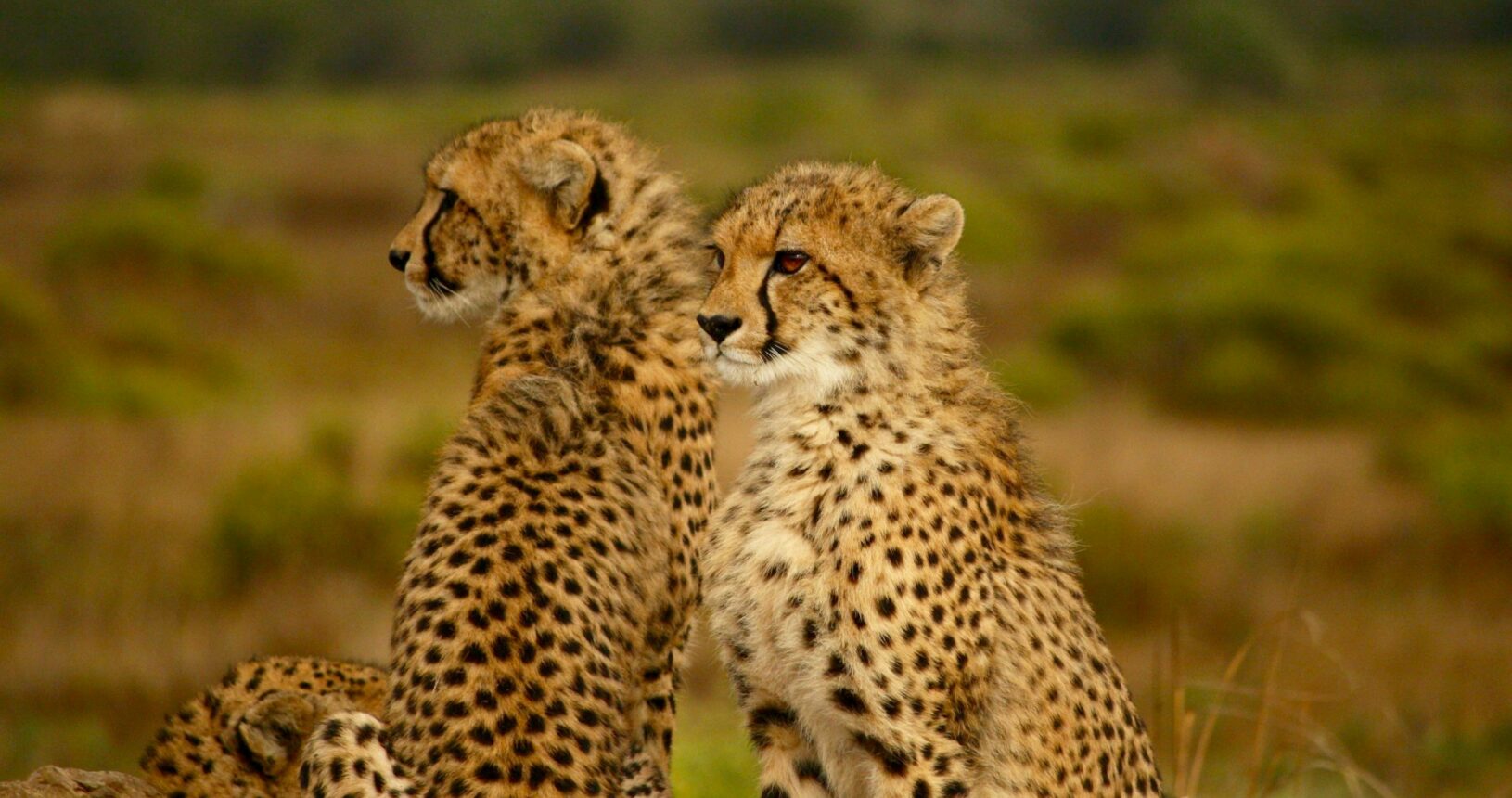
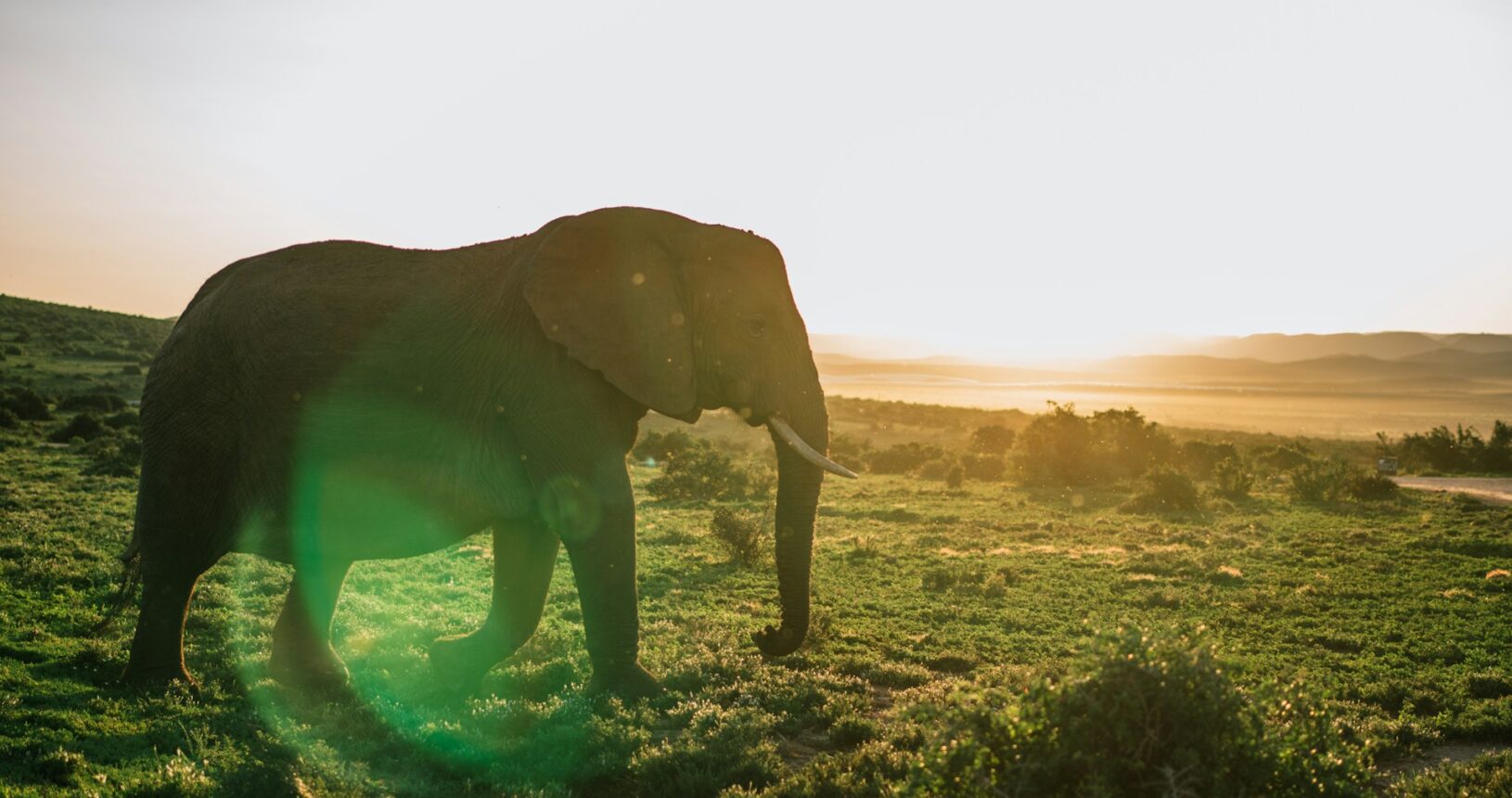
In Africa’s national parks, every sunrise paints a masterpiece — where the wild’s call echoes across endless horizons. Visiting these parks is to witness nature in its purest form, a timeless dance that stirs the soul.

Steps to Book Your Southern Africa Tour
Choose Your Adventure
Confirm Your Booking
Begin Your Journey
Ready to plan your tailor-made safari?