
Top 10 National Parks in Tanzania You Must Visit
July 24, 2026
Top 10 Most Unique Safari Experiences in Africa
July 27, 2026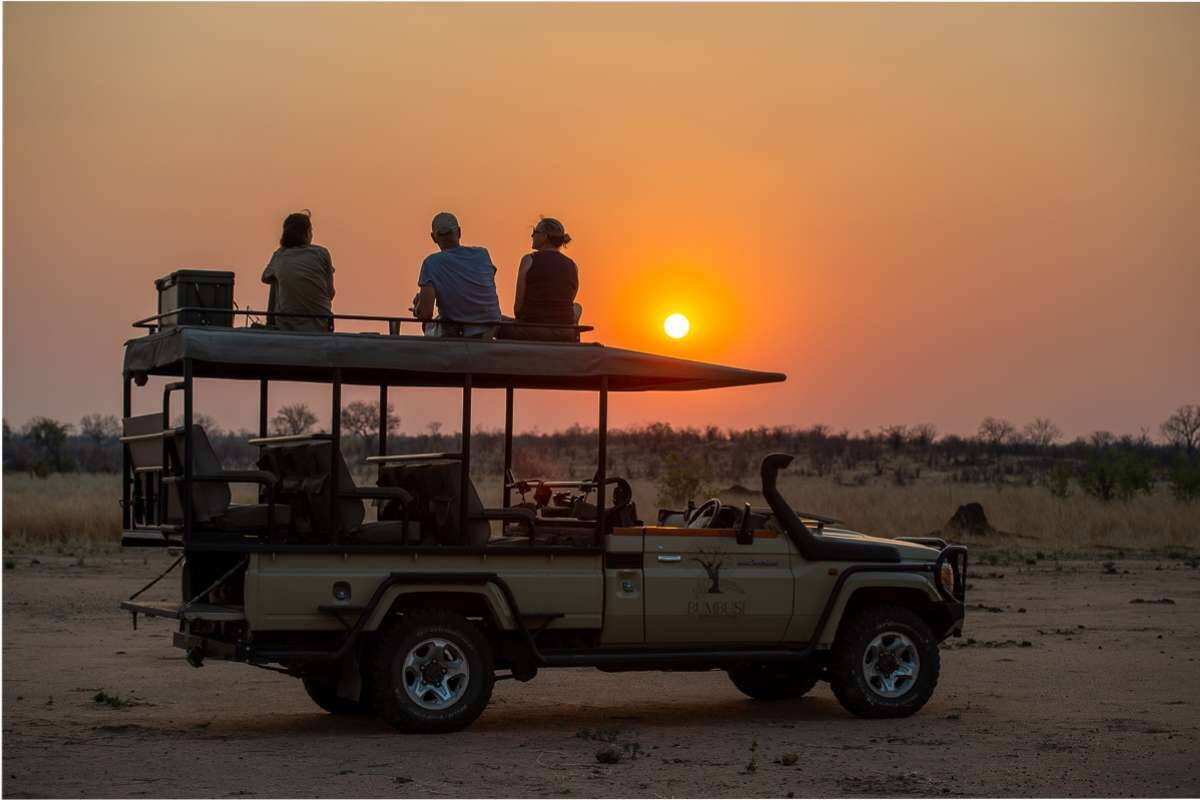
10 Best Game Drives in Africa for Wildlife Photography
Africa is one of the greatest destinations in the world for wildlife photography. The continent’s diverse landscapes, incredible animal species, and dramatic natural environments create endless opportunities for capturing unforgettable images.
A successful wildlife photography safari depends on choosing the right destination, understanding animal behavior, and having access to experienced guides who know the best locations and times for sightings.
From the open plains of the Serengeti to the waterways of Botswana’s Okavango Delta, Africa offers some of the best game drives for photographers looking to capture lions, elephants, leopards, birds, and other iconic wildlife.
For 2026 and 2027, wildlife photography safaris continue growing in popularity among travelers who want more than traditional game viewing. These experiences combine adventure, conservation, and the opportunity to capture Africa’s natural beauty through photography.
Here are the 10 best game drive destinations in Africa for wildlife photography.
1. Serengeti National Park, Tanzania
Serengeti National Park is one of the world’s greatest wildlife photography destinations.
The park’s endless grasslands provide a stunning background for photographing large herds of animals and dramatic predator encounters. The Great Migration offers some of the most powerful photography opportunities, with millions of wildebeest and zebras moving across the plains.
Photographers can capture lions hunting, cheetahs running across open landscapes, elephants walking through golden grasslands, and giraffes against beautiful sunsets.
The Serengeti also offers excellent year-round photography because resident wildlife remains abundant throughout the seasons.
Professional guides understand animal movements and help photographers position themselves for the best opportunities while respecting wildlife behavior.
2. Masai Mara National Reserve, Kenya
The Masai Mara is one of Africa’s most famous safari destinations and a favorite among wildlife photographers.
The reserve is known for its high concentration of predators, including lions, leopards, and cheetahs. The open savannah makes it easier to capture clear images of wildlife.
During the Great Migration between July and October, photographers can witness dramatic river crossings where thousands of wildebeest cross the Mara River.
The Mara also provides excellent opportunities for photographing elephants, giraffes, zebras, and colorful bird species.
The combination of abundant wildlife and skilled guides makes the Masai Mara one of Africa’s top photography destinations.
3. Okavango Delta, Botswana
The Okavango Delta offers a unique photography experience because of its combination of water, wildlife, and remote wilderness.
This UNESCO World Heritage Site features rivers, lagoons, islands, and floodplains that create beautiful natural backgrounds.
Game drives through the delta provide opportunities to photograph elephants, lions, leopards, buffalo, and rare antelope species.
The changing landscapes create incredible lighting conditions, especially during sunrise and sunset.
Photographers can also enjoy boat safaris and mokoro excursions, allowing them to capture wildlife from different perspectives.
4. Kruger National Park, South Africa
Kruger National Park is one of Africa’s most accessible and rewarding wildlife photography destinations.
The park supports an impressive variety of wildlife, including the Big Five, hundreds of bird species, and diverse landscapes.
Photographers can explore the park through guided game drives or stay in nearby private reserves such as Sabi Sand, Timbavati, and Thornybush.
Private reserves often provide off-road access and experienced guides who improve photography opportunities.
Kruger’s excellent infrastructure, variety of accommodation, and reliable wildlife sightings make it ideal for both beginner and professional photographers.
5. Chobe National Park, Botswana
Chobe National Park is famous for its large elephant population and excellent wildlife photography opportunities.
The Chobe River creates a unique environment where photographers can capture elephants drinking, swimming, and interacting along the shoreline.
Boat safaris provide exceptional angles for photographing wildlife from the water, especially during golden hour.
The park also offers opportunities to photograph lions, buffalo, hippos, crocodiles, and many bird species.
Chobe is a perfect destination for photographers who want both land and water-based wildlife experiences.
6. South Luangwa National Park, Zambia
South Luangwa National Park is one of Africa’s best destinations for photographers seeking authentic wilderness experiences.
The park is famous for its leopard sightings and excellent guiding standards.
The Luangwa River attracts large numbers of animals, creating opportunities for dramatic wildlife scenes.
Photographers can capture elephants crossing rivers, lions resting under trees, hippos in water, and predators moving through the landscape.
South Luangwa is also known for walking safaris, offering a different way to experience and photograph the African wilderness.
7. Etosha National Park, Namibia
Etosha National Park offers a unique wildlife photography experience because of its desert environment and famous waterholes.
The park’s open landscapes make it easier to photograph animals clearly, especially around water sources.
During the dry season, wildlife gathers at waterholes, creating excellent opportunities to capture interactions between different species.
Photographers can capture elephants, lions, rhinos, giraffes, zebras, and many antelope species against Namibia’s dramatic scenery.
The contrast between wildlife and the surrounding desert creates truly distinctive images.
8. Hwange National Park, Zimbabwe
Hwange National Park is one of Zimbabwe’s best destinations for wildlife photography.
The park is famous for its large elephant population and diverse wildlife.
Waterholes attract animals throughout the year, creating excellent photography opportunities from specially designed hides and viewing areas.
Photographers can capture elephants, lions, wild dogs, buffalo, and many bird species.
Hwange offers a quieter safari experience with fewer visitors, allowing photographers more time and space to capture special moments.
9. Nyerere National Park, Tanzania
Nyerere National Park offers a diverse photography experience with both land and water-based activities.
The park’s vast wilderness includes rivers, lakes, forests, and open plains.
Game drives provide opportunities to photograph elephants, lions, giraffes, zebras, and other wildlife.
Boat safaris along the Rufiji River create unique images of hippos, crocodiles, birds, and animals gathering near the water.
The park’s remote atmosphere makes it ideal for photographers seeking less crowded locations.
10. Amboseli National Park, Kenya
Amboseli National Park is one of Africa’s most iconic photography destinations.
The park is famous for its views of Mount Kilimanjaro, Africa’s highest mountain, rising behind large elephant herds.
The combination of elephants, open plains, and dramatic mountain scenery creates some of the most recognizable safari photographs.
Photographers can capture elephants walking beneath the snow-capped peak, lions hunting across the plains, and beautiful sunset scenes.
Amboseli offers some of the best opportunities for landscape and wildlife photography combined.
Best Time for Wildlife Photography Safaris in Africa
The best time for wildlife photography depends on your chosen destination.
The dry season between June and October is popular because animals gather near water sources and vegetation becomes thinner.
This period provides excellent visibility in destinations such as Serengeti, Masai Mara, Botswana, and South Africa.
The green season between November and May offers different advantages, including dramatic skies, fresh landscapes, newborn animals, and excellent bird photography.
Each season provides unique opportunities for capturing Africa’s wildlife.
Essential Photography Tips for African Safaris
Successful wildlife photography requires preparation and patience.
A camera with a good zoom lens helps capture animals from a safe distance without disturbing them.
Early morning and late afternoon game drives usually provide the best lighting because the soft golden light creates more dramatic images.
Listening to experienced guides is also important because they understand animal behavior and know where sightings are likely to occur.
Respecting wildlife rules ensures both safety and responsible photography.
Choosing the Right Photography Safari
Photography-focused safaris are designed differently from standard wildlife trips.
Specialist photography safaris often provide vehicles with better camera positioning, longer time at sightings, and guides with wildlife knowledge.
Some lodges offer private vehicles, professional photographers, and photography workshops.
Choosing the right safari style can make a significant difference in your overall experience.
Why Africa Is Perfect for Wildlife Photography
Africa offers some of the most diverse wildlife photography opportunities on Earth.
From predator encounters and elephant herds to dramatic landscapes and rare species, every destination provides something unique.
The continent’s protected areas, experienced guides, and incredible biodiversity create the perfect environment for photographers.
Whether you are a beginner with a smartphone or a professional photographer with advanced equipment, Africa offers endless opportunities to capture unforgettable moments.
Plan Your African Wildlife Photography Safari
A successful photography safari requires choosing the right destination, season, accommodation, and guiding team.
An experienced safari operator can help design a journey that matches your photography goals and wildlife interests.
Plan your African wildlife photography safari today and capture the landscapes, animals, and unforgettable moments that make Africa extraordinary.