
Hot Air Balloon Safari Over the Serengeti
July 20, 2026
Family Safari Guide
July 20, 2026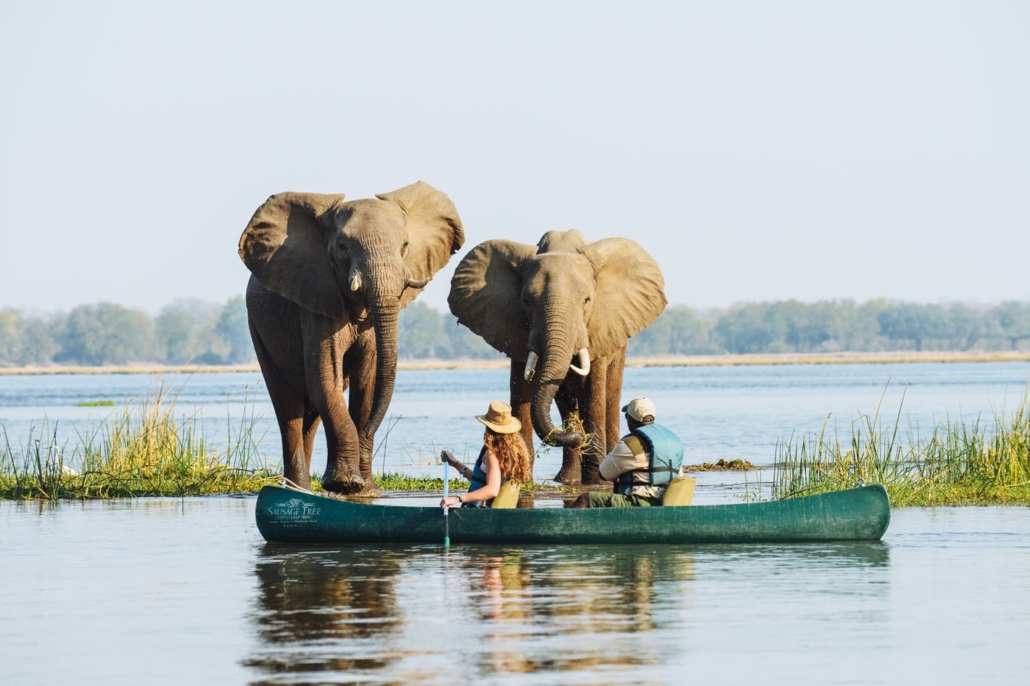
Mokoro Ride in the Okavango Delta: What to Expect
A mokoro ride in Botswana’s Okavango Delta offers one of Africa’s most peaceful and authentic wildlife experiences. Moving quietly through crystal-clear channels surrounded by reeds, water lilies, and endless wetlands creates a deep connection with nature that few safari activities can match.
Unlike traditional game drives, a mokoro safari explores the Okavango Delta from the water. The gentle movement of the canoe allows travellers to discover hidden waterways while observing wildlife that depends on this unique ecosystem.
The experience feels timeless. For generations, local communities have used mokoros as a practical way to navigate the delta’s waterways. Today, these traditional canoes provide visitors with a sustainable way to explore one of the world’s most remarkable wilderness areas.
From watching elephants drink at the water’s edge to spotting colorful birds among the reeds, a mokoro ride reveals the quieter side of African wildlife.
Understanding the Mokoro Experience
A mokoro is a traditional dugout canoe originally made from a single tree trunk. Today, most operators use modern fiberglass versions that protect trees while maintaining the traditional design and experience.
A skilled local guide, known as a poler, stands at the back of the canoe and uses a long wooden pole to move through the shallow waters. This technique allows the mokoro to glide silently through narrow channels and shallow lagoons.
The slow pace creates excellent opportunities for wildlife viewing and photography. Without the noise of an engine, visitors can hear birds calling, water flowing, and the natural sounds of the delta.
A typical mokoro excursion lasts several hours, although some safari camps offer full-day adventures or multi-day wilderness experiences that combine canoeing with walking safaris.
Why Choose a Mokoro Ride in the Okavango Delta?
The Okavango Delta is one of Africa’s most extraordinary ecosystems. Unlike most rivers that flow into the ocean, the Okavango River spreads across the Kalahari Desert, creating a vast inland wetland filled with channels, islands, and floodplains.
A mokoro allows visitors to explore areas that vehicles cannot reach. The narrow waterways provide access to hidden parts of the delta where wildlife gathers away from busy safari routes.
The experience encourages slow travel. Instead of searching constantly for large animals, travelers appreciate the smaller details that make the ecosystem unique.
You may notice frogs resting on floating vegetation, dragonflies moving above the water, fish swimming beneath the canoe, or birds hunting among the reeds.
A mokoro ride reminds visitors that Africa’s wilderness includes more than the famous Big Five.
What Wildlife Can You See During a Mokoro Ride?
The Okavango Delta supports an incredible variety of wildlife. While a mokoro safari focuses mainly on aquatic and wetland species, many large animals also depend on these waterways.
Elephants Along the Water Channels
Elephants are among the most common and impressive sightings during a mokoro ride.
Large herds often move through the delta searching for water and fresh vegetation. Seeing elephants from a quiet canoe creates a memorable experience as they drink, bathe, or cross shallow channels.
Experienced guides understand elephant behavior and choose viewing areas that maintain a safe and respectful distance.
Hippos and Crocodiles
Hippos are closely connected to the Okavango Delta’s waterways. They spend much of the day submerged in deeper channels before moving onto land to feed at night.
Crocodiles also inhabit the delta’s waters. They often rest along riverbanks or sandy areas while waiting patiently for opportunities to hunt.
Guides carefully navigate these areas because they understand the behavior and movements of these powerful animals.
Birds of the Okavango Delta
The delta is a paradise for bird lovers. The peaceful movement of a mokoro creates excellent conditions for bird watching.
Common sightings include African fish eagles, kingfishers, herons, storks, jacanas, bee-eaters, and many other wetland species.
The combination of quiet movement and open waterways allows photographers to capture birds from unique angles.
Best Areas for a Mokoro Ride in the Okavango Delta
Moremi Game Reserve
Moremi Game Reserve provides one of the most diverse Okavango Delta experiences. The reserve protects a combination of wetlands, forests, lagoons, and open plains.
Mokoro excursions in Moremi explore beautiful waterways where visitors can observe wildlife from a peaceful perspective.
The area also offers excellent opportunities for traditional game drives, making it ideal for travellers who want both water- and land-based safari experiences.
Chief’s Island
Chief’s Island is one of the most famous areas within the Okavango Delta. The island contains rich wildlife habitats and supports large populations of elephants, buffalo, antelope, and predators.
Mokoro trips around Chief’s Island reveal the beauty of the delta’s channels and provide opportunities to observe the relationship between water and wildlife.
Panhandle Region
The northern Okavango Panhandle offers permanent waterways surrounded by lush vegetation.
This region provides excellent opportunities for bird watching, fishing experiences, and peaceful canoe excursions.
The permanent water creates a beautiful environment where visitors can appreciate the delta’s aquatic ecosystem throughout the year.
Best Time for a Mokoro Ride in Botswana
The best time for a mokoro ride depends on the water levels of the Okavango Delta.
The flood season usually arrives between May and August, when water from Angola reaches Botswana. During this period, channels fill, islands become surrounded by water, and mokoro routes expand.
This period also coincides with the dry season, when wildlife gathers around permanent water sources. As a result, visitors enjoy excellent wildlife viewing alongside beautiful wetland scenery.
From September to October, water levels begin decreasing, but wildlife viewing remains outstanding because animals continue gathering around remaining water sources.
The green season between November and March offers lush landscapes, newborn animals, and excellent bird activity, although some water channels may become less accessible.
What to Expect During a Mokoro Ride
A mokoro experience usually begins with a transfer from your lodge or camp to a nearby launch point.
Your local porter welcomes you and provides information about the route, safety guidelines, and what to expect during the journey.
Once on the water, the canoe moves slowly through narrow channels surrounded by reeds and vegetation.
Guides explain the plants, animals, and traditional importance of the waterways. They often point out hidden wildlife and share knowledge about local ecosystems.
Many excursions include a walking experience on one of the delta islands. This allows visitors to explore the landscape on foot while learning about animal tracks, plants, and smaller wildlife.
The peaceful atmosphere becomes the highlight of the journey.
Is a Mokoro Ride Safe?
Mokoro rides are safe when experienced with trained and professional guides.
Local polers have extensive knowledge of the waterways and understand wildlife behavior within the delta.
Guides select suitable routes based on water conditions, wildlife movements, and seasonal changes.
Visitors receive safety instructions before entering the canoe. These instructions usually include staying seated, avoiding sudden movements, and following guide recommendations.
Although the delta contains animals such as hippos and crocodiles, experienced guides know how to navigate safely while respecting wildlife.
What to Wear and Bring for a Mokoro Safari
Comfortable preparation improves the experience, especially during longer excursions.
Lightweight clothing helps manage warm temperatures during the day. Neutral colors are recommended because they blend naturally with the environment.
A wide-brimmed hat, sunglasses, sunscreen, and insect repellent provide protection from the sun and insects.
Binoculars are useful for bird watching and spotting wildlife along distant channels.
A waterproof bag helps protect cameras, phones, and personal items from splashes.
Because the canoe moves slowly, bringing a camera allows you to capture the beauty of the delta’s landscapes and wildlife.
Mokoro Safaris and Conservation
Mokoro tourism plays an important role in protecting the Okavango Delta.
The experience provides income for local communities, especially the skilled polers who share their knowledge of the waterways with visitors.
Tourism revenue supports conservation programs that protect wetlands, wildlife habitats, and endangered species.
The low environmental impact of mokoros makes them one of the most sustainable ways to explore the delta.
By choosing responsible safari operators, travelers contribute to protecting Botswana’s natural heritage while supporting local livelihoods.
Combining a Mokoro Ride With Other Safari Activities
A mokoro ride works best as part of a wider Okavango Delta adventure.
Many travellers combine canoe excursions with game drives, walking safaris, boat cruises, and wildlife photography experiences.
Game drives provide opportunities to see lions, leopards, cheetahs, and other land-based wildlife, while mokoro rides reveal the hidden world of the wetlands.
Travellers can also combine the Okavango Delta with Chobe National Park, Victoria Falls, or Botswana’s private reserves for a complete Southern Africa safari.
Is a Mokoro Ride Worth It?
A mokoro ride is one of the most memorable experiences in Botswana. It offers something different from traditional safari activities by focusing on tranquillity, discovery, and connection with nature.
While it may not provide the same number of large animal sightings as a game drive, it reveals the incredible details of the delta’s waterways and demonstrates how wildlife depends on this fragile ecosystem.
The silence of the channels, the knowledge of local guides, and the beauty of the landscape create an experience that stays with travelers long after they leave Botswana.
For anyone visiting the Okavango Delta, a mokoro ride is an experience worth adding to the itinerary.
Plan Your Mokoro Adventure in Botswana
A mokoro ride in the Okavango Delta provides a rare opportunity to explore Africa’s wilderness at a slower and more meaningful pace.
Gliding through clear channels surrounded by wildlife and untouched landscapes allows travellers to experience Botswana’s natural beauty from a unique viewpoint.
Whether you are a first-time safari traveller, wildlife photographer, or experienced explorer, a mokoro safari offers a peaceful adventure unlike any other.
Plan your Botswana safari with an experienced local operator and discover the magic of the Okavango Delta from a traditional mokoro canoe.