
Luxury Safari vs Budget Safari: Which Is Right for You?
July 16, 2026
Canoe Safari
July 20, 2026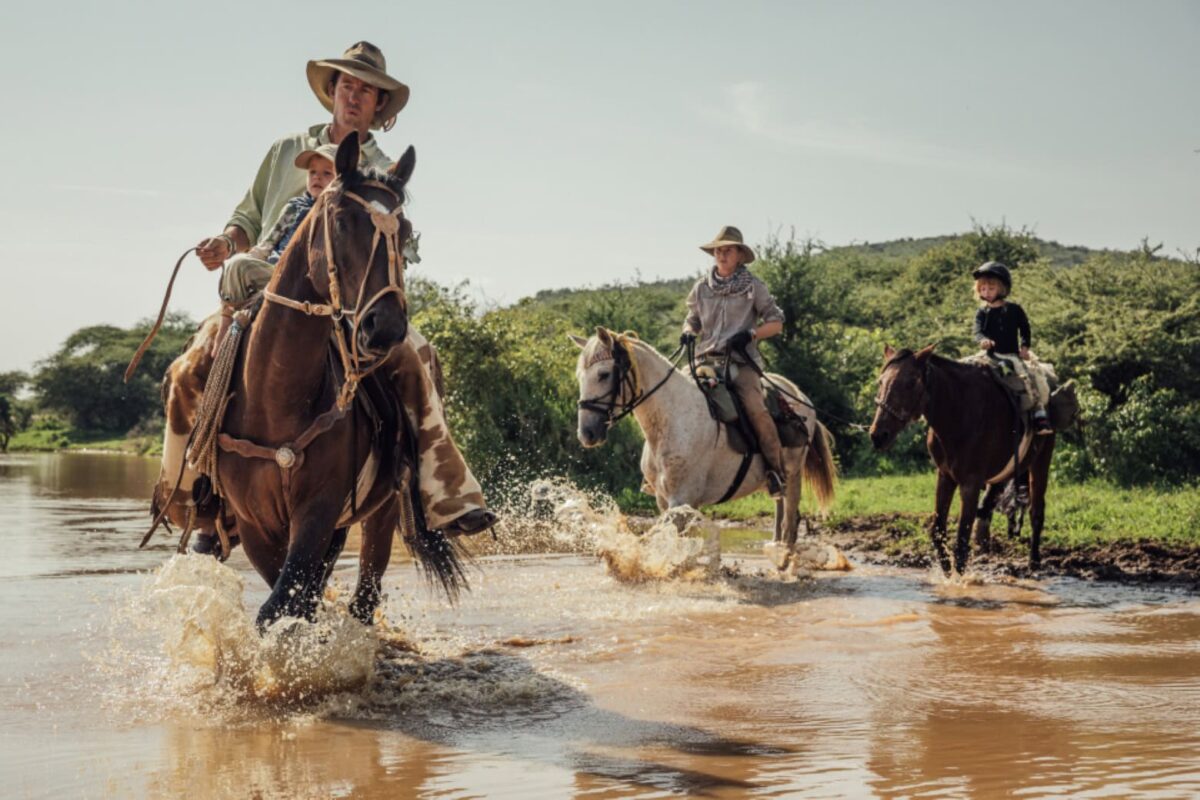
Horseback Safari: Riding Through the African Bush
Few safari experiences compare to exploring the African wilderness on horseback. A horseback safari allows you to leave roads behind and travel quietly through open plains, river valleys, forests, and bush landscapes without the sound of an engine. The result is a closer connection with nature and a unique perspective on Africa’s extraordinary wildlife.
Unlike traditional game drives, horseback safaris place you at the same level as the animals around you. Antelope often continue grazing without concern, giraffes watch curiously from a distance, and zebras may run alongside your horse before disappearing into the horizon. Every ride feels natural because horses become part of the landscape rather than an intrusion.
Horseback safaris combine adventure, wildlife viewing, and horsemanship into one unforgettable experience. Whether you are an experienced rider seeking a thrilling expedition or someone looking for a peaceful journey through Africa’s wilderness, horseback safaris offer an entirely different way to discover the continent.
Several African destinations provide exceptional riding experiences, each with its own landscapes, wildlife, and riding style. From South Africa’s private reserves to Botswana’s floodplains and Namibia’s deserts, horseback safaris reveal Africa from a fresh and exciting perspective.
What Is a Horseback Safari?
A horseback safari is a guided wildlife experience where visitors explore protected wilderness areas while riding specially trained safari horses. Experienced guides lead every ride and carefully plan routes based on wildlife activity, terrain, and rider ability.
Unlike horse riding holidays that focus mainly on equestrian activities, horseback safaris combine riding with wildlife observation. Riders travel through natural habitats where wild animals roam freely, creating opportunities for remarkable encounters.
The experience encourages a slower pace than vehicle safaris. Riders notice fresh animal tracks, changing landscapes, bird calls, and subtle movements that often remain hidden during game drives.
Many horseback safaris also include cultural experiences, luxury lodges, bush camps, or multi-day riding expeditions that explore remote wilderness areas.
Why Choose a Horseback Safari?
Horseback safaris offer an experience that feels more personal than many traditional wildlife excursions. Horses move quietly through the bush, allowing riders to approach wildlife without creating unnecessary disturbance.
Many herbivores see horses as part of their natural surroundings. As a result, animals often behave more naturally than they might around vehicles.
Riding through Africa also creates a stronger connection with the environment. You feel the changing terrain beneath your horse, notice different scents carried by the wind, and become more aware of the sounds that fill the bush.
Every ride becomes an adventure because wildlife movements remain unpredictable. A peaceful morning ride may suddenly include elephants crossing a river, giraffes feeding from acacia trees, or zebras galloping across open plains.
For travellers seeking a safari that combines wildlife, adventure, and outdoor exploration, horseback riding provides an unforgettable alternative.
Is a Horseback Safari Safe?
Safety remains the foundation of every professionally guided horseback safari. Operators carefully assess each rider’s experience before assigning horses and planning routes.
Safari horses receive specialised training to remain calm around wildlife. They learn to respond confidently in natural environments while following the guidance of experienced riders.
Professional guides understand animal behaviour and avoid situations that could create unnecessary risks. They maintain safe distances from potentially dangerous wildlife and adjust routes according to recent animal movements.
Before every ride, guides explain safety procedures, riding techniques, and communication signals.
Most horseback safaris require participants to have previous riding experience. Some destinations also offer shorter rides for beginners in wildlife areas where conditions remain more suitable.
Wildlife You Can See on a Horseback Safari
Horseback safaris provide opportunities to see a wide variety of wildlife across different ecosystems.
Common sightings include giraffes, zebras, wildebeest, impalas, kudus, waterbucks, warthogs, and numerous antelope species. Many rides also include encounters with elephants, buffalo, and abundant birdlife.
Predator sightings remain possible, although guides carefully manage these encounters to ensure the safety of both riders and wildlife.
Bird enthusiasts often enjoy horseback safaris because the slower pace allows more time to observe colourful species, birds of prey, and waterbirds.
The experience focuses on respectful wildlife observation while allowing animals to behave naturally within their environment.
Best Destinations for Horseback Safaris in Africa
Botswana: Riding Through the Okavango Delta
Botswana offers one of Africa’s most iconic horseback safari experiences. The Okavango Delta combines wetlands, islands, floodplains, and open grasslands to create an exceptional riding destination.
Horseback safaris in the delta often pass through shallow water, open plains, and palm-covered islands where wildlife gathers throughout the year.
Riders may encounter elephants feeding near water channels, giraffes browsing among trees, and large herds of antelope crossing the floodplains.
The absence of fences in many parts of the delta creates a genuine wilderness experience where wildlife moves freely across the landscape.
Experienced riders often consider Botswana one of the finest horseback safari destinations in the world.
South Africa: Luxury Horseback Safaris
South Africa provides outstanding horseback safari experiences within private reserves and conservation areas.
The Waterberg region has become particularly popular because it combines beautiful scenery with excellent wildlife viewing.
Private reserves often offer luxury accommodation alongside professionally guided rides. Guests enjoy comfortable lodges before setting out to explore the surrounding wilderness on horseback.
Some reserves also provide opportunities to see rhinos, giraffes, zebras, and numerous antelope species while riding through protected landscapes.
South Africa’s excellent infrastructure makes it an ideal destination for travellers combining horseback riding with traditional Big Five safaris.
Zimbabwe: Riding Through Untouched Wilderness
Zimbabwe offers adventurous horseback safaris in remote wilderness areas where visitor numbers remain relatively low.
Hwange National Park and surrounding conservancies provide diverse habitats that support elephants, giraffes, zebras, and many antelope species.
Horseback safaris in Zimbabwe often emphasise long rides through open landscapes where riders experience the true scale of Africa’s wilderness.
The country’s experienced guides and uncrowded safari areas create rewarding experiences for confident riders.
Namibia: Desert Horseback Adventures
Namibia offers one of Africa’s most distinctive horseback safari experiences.
The country’s dramatic desert landscapes, rocky mountains, and wide-open plains create unforgettable riding conditions.
Horseback safaris in Namibia focus on scenery as much as wildlife. Riders explore remote regions where desert-adapted animals survive in challenging environments.
The combination of vast landscapes, ancient geology, and unique wildlife creates an adventure unlike anywhere else in Africa.
Kenya: Riding Beneath Mount Kenya
Kenya combines horseback riding with spectacular scenery and abundant wildlife.
The Laikipia Plateau offers exceptional riding opportunities across private conservancies that protect important wildlife habitats.
Riders often enjoy encounters with giraffes, zebras, elephants, and various antelope species while travelling beneath the backdrop of Mount Kenya.
Many conservancies support conservation programmes that protect endangered species and work closely with local communities.
Horseback safaris in Kenya combine wildlife, conservation, and cultural experiences into one memorable journey.
What to Expect During a Horseback Safari
A typical horseback safari begins early in the morning when temperatures remain comfortable and wildlife becomes more active.
Guides introduce riders to their horses before explaining safety procedures and the planned route.
The pace varies throughout the ride. Some sections involve relaxed walking while others include opportunities for trotting or cantering across open ground where conditions allow.
Frequent stops give riders time to observe wildlife, photograph landscapes, and learn about local ecology.
Some multi-day horseback safaris include bush breakfasts, picnic lunches, or overnight camps that deepen the wilderness experience.
Every ride remains flexible because wildlife movements influence the day’s adventure.
What to Wear on a Horseback Safari
Comfortable riding clothing helps ensure an enjoyable experience.
Long trousers protect against saddle rub and vegetation, while lightweight long-sleeved shirts provide protection from the sun.
Riding boots or closed shoes with a small heel improve safety in the stirrups.
A properly fitted riding helmet is essential and many safari operators provide helmets if needed.
Neutral colours such as khaki, brown, olive, and beige help riders blend naturally with the surrounding environment.
Sunscreen, sunglasses, gloves, and a reusable water bottle also improve comfort during longer rides.
Horseback Safaris and Conservation
Horseback safaris contribute to conservation by creating sustainable tourism opportunities in protected wilderness areas.
Tourism revenue supports wildlife management, anti-poaching programmes, habitat restoration, and community development initiatives.
Many horseback safari operators work closely with conservation organisations to protect endangered wildlife and maintain healthy ecosystems.
The low environmental impact of horseback safaris also makes them an environmentally friendly way to explore sensitive habitats.
Choosing responsible safari operators ensures your journey supports both wildlife conservation and local communities.
Is a Horseback Safari Right for You?
Horseback safaris suit travellers who enjoy both riding and wildlife. Most operators recommend previous riding experience because the environment can be unpredictable.
Experienced riders often appreciate the freedom and excitement of exploring wilderness areas without vehicles.
Adventure travellers, photographers, couples, and repeat safari visitors frequently choose horseback safaris because they offer something different from traditional game drives.
If you are new to riding, several destinations provide beginner-friendly experiences within controlled environments before introducing longer wildlife rides.
Regardless of your experience level, selecting an operator that matches your riding ability helps ensure a safe and enjoyable adventure.
Plan Your Horseback Safari Adventure
A horseback safari transforms the way you experience Africa. Instead of observing wildlife from a distance, you become part of the landscape and move through nature at its own pace.
From Botswana’s floodplains to Namibia’s deserts and South Africa’s private reserves, Africa offers exceptional destinations for unforgettable riding adventures.
Every journey brings new wildlife encounters, breathtaking scenery, and a deeper appreciation for the continent’s remarkable ecosystems.
Whether you dream of cantering across open plains, riding beside giraffes, or exploring remote wilderness on horseback, this unique safari experience offers memories that last a lifetime.
Plan your horseback safari with an experienced local operator and discover Africa’s wilderness from the saddle of a trusted safari horse.