Cultural Practices of Kenya
February 10, 2026
Kenya vs South Africa
February 10, 2026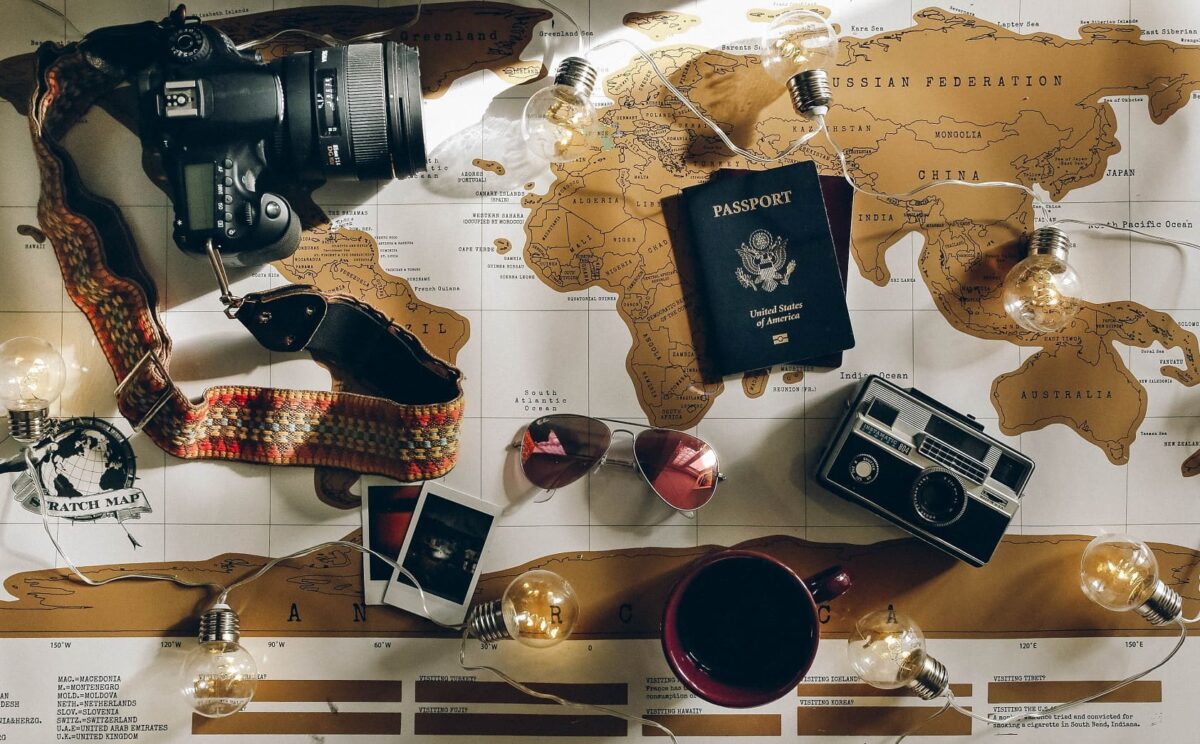
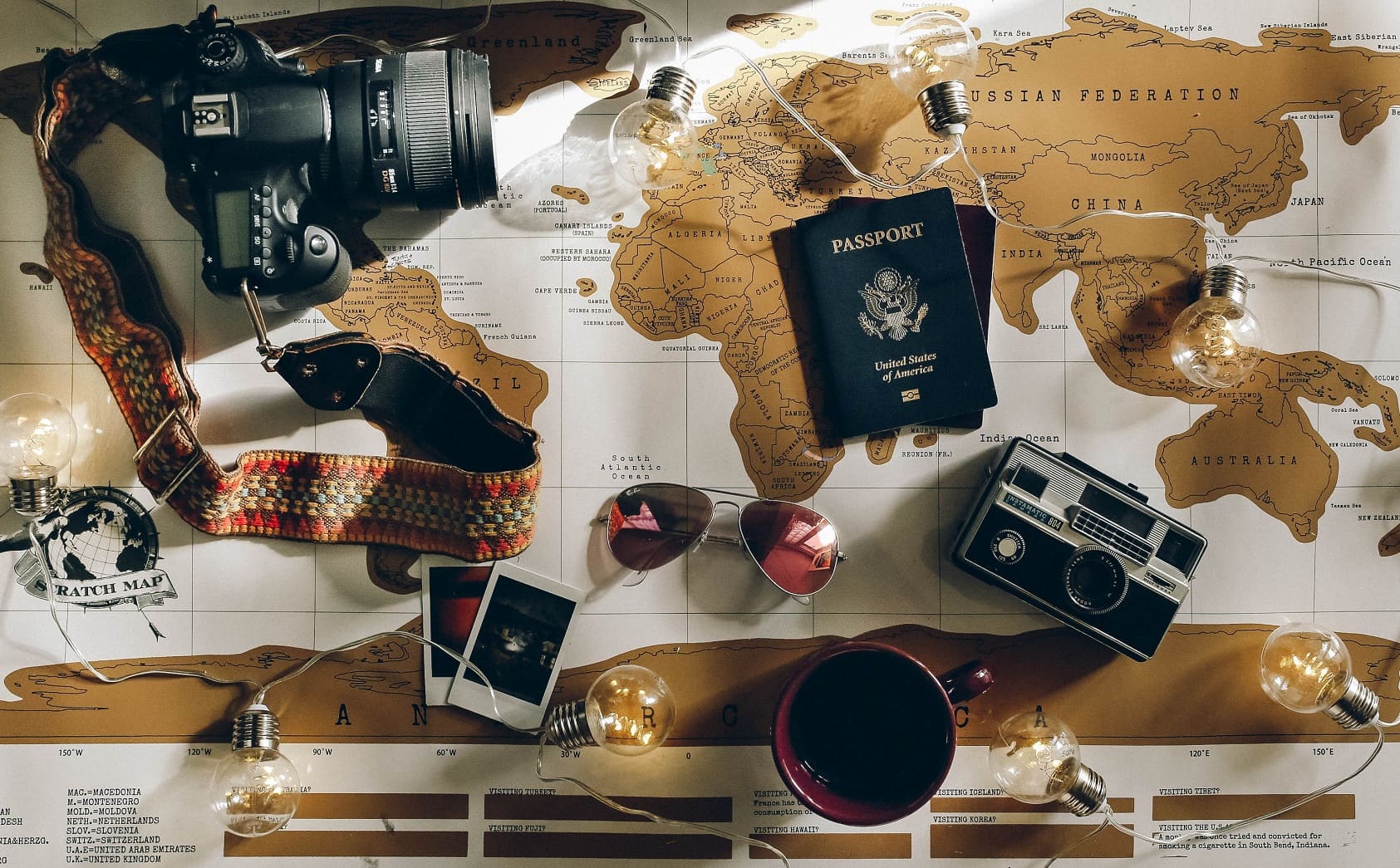
Kenya Safari Packing List
Packing for a safari in Kenya requires practicality, climate awareness, and an understanding of bush conditions. Whether visiting the Maasai Mara, Amboseli National Park, or the Laikipia conservancies, your luggage should prioritize comfort, mobility, and protection from sun and dust.
Safari days often begin early, temperatures fluctuate between cool mornings and warm afternoons, and game drives expose you to wind, dust, and strong sunlight. Packing strategically ensures you remain comfortable without overpacking.
Why Book This Destination
Explore More about Kenya Safari Packing List
Clothing for Game Drives
Neutral-colored clothing is essential. Shades such as khaki, olive, beige, and muted brown blend into the environment and reduce disturbance to wildlife. Bright colors and heavy patterns are best avoided, as they can attract insects and stand out in the bush.
Lightweight, breathable fabrics are ideal for daytime drives, while a warm fleece or light jacket is necessary for early morning and evening safaris when temperatures can drop significantly. Even during warmer months, mornings in open vehicles can feel cold due to wind exposure.
Long-sleeved shirts and lightweight trousers provide protection from sunburn and insects without causing overheating.
Footwear and Accessories
Comfortable closed shoes are sufficient for most safaris, especially if activities are vehicle-based. Lightweight walking shoes or trainers are practical for lodge grounds and short bush walks. Heavy hiking boots are unnecessary unless your itinerary includes extended walking safaris.
A wide-brimmed hat and polarized sunglasses are highly recommended for sun protection. The equatorial sun in Kenya can be intense, particularly in open savannah environments such as the Maasai Mara.
A lightweight scarf or buff can help shield your face from dust during dry season drives.
Luggage Considerations
Soft-sided luggage is strongly recommended, especially if your itinerary includes domestic flights from Nairobi’s Wilson Airport to remote airstrips. Small aircraft used in safari regions often have strict weight limits, typically around 15 kilograms including hand luggage.
Hard-shell suitcases are discouraged due to limited storage space in bush planes and safari vehicles. Packing cubes or compression bags can help organize clothing efficiently within weight limits.
Travel insurance documents and essential items should be kept in carry-on luggage.
Health and Personal Essentials
Sunscreen with high SPF, lip balm, and insect repellent are essential items. Mosquito activity varies by region and season, but protection is important particularly near water-based ecosystems.
Personal medication should be packed in original containers with prescriptions if necessary. Basic toiletries are often provided in midrange and luxury camps, though bringing preferred personal items ensures comfort.
Hand sanitizer and wet wipes are useful during long game drives.
Photography and Safari Gear
A good-quality camera with zoom capability enhances wildlife photography, especially in open landscapes where animals may be at a distance. Extra memory cards and spare batteries are important, as charging opportunities may be limited during extended drives.
Binoculars significantly improve the safari experience, allowing you to observe birdlife and distant predators in greater detail. While some lodges provide shared binoculars, having a personal pair ensures consistent access.
A small daypack is useful for carrying essentials during game drives.
Evening and Lodge Wear
Safari lodges in Kenya maintain a relaxed dress code. Casual attire such as lightweight trousers, shirts, and comfortable shoes are appropriate for dinner. Even in luxury camps, formal clothing is unnecessary.
Because evenings can be cool, particularly between June and August, a warm layer remains essential after sunset.
Laundry services are commonly available in midrange and high-end camps, reducing the need to pack excessive clothing.
Seasonal Adjustments
During the dry season from June to October, dust levels increase, and mornings are cooler. Packing an additional light jacket and protective scarf is advisable. In the green season from March to May and November, rainfall may occur, so a lightweight waterproof jacket is useful.
Understanding seasonal variation helps refine your packing list without adding unnecessary weight.
Overall Packing Strategy
Packing for a Kenya safari is about efficiency rather than quantity. Focus on neutral clothing, sun protection, lightweight layering, and essential gear. Avoid overpacking, particularly if your itinerary includes domestic flights.
With thoughtful preparation, your packing choices will enhance comfort and allow you to focus fully on Kenya’s wildlife, landscapes, and safari experience rather than logistical inconveniences.
In Africa’s national parks, every sunrise paints a masterpiece — where the wild’s call echoes across endless horizons. Visiting these parks is to witness nature in its purest form, a timeless dance that stirs the soul.
Steps to Book Your Southern Africa Tour
Choose Your Adventure
Confirm Your Booking
Begin Your Journey
Ready to plan your tailor-made safari?