Kenya Birding Safaris
February 10, 2026
Photographic Safaris
February 10, 2026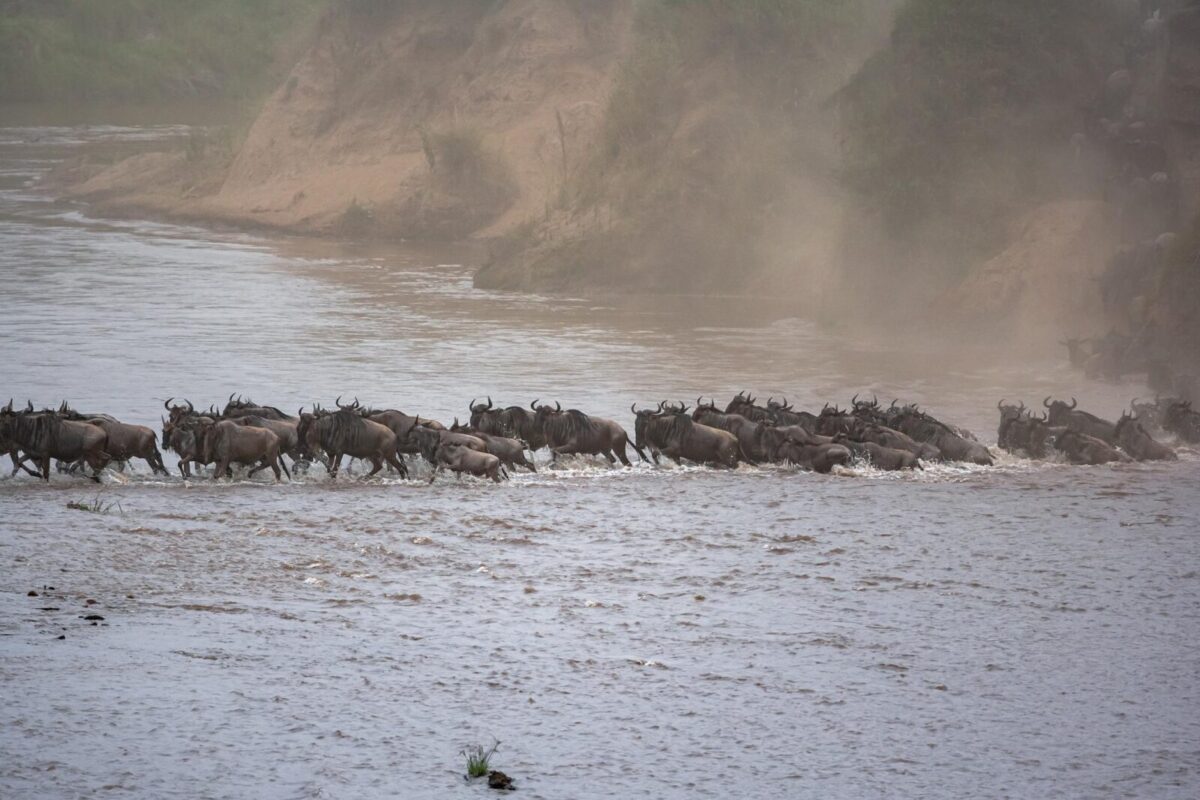
Great Migration Safaris
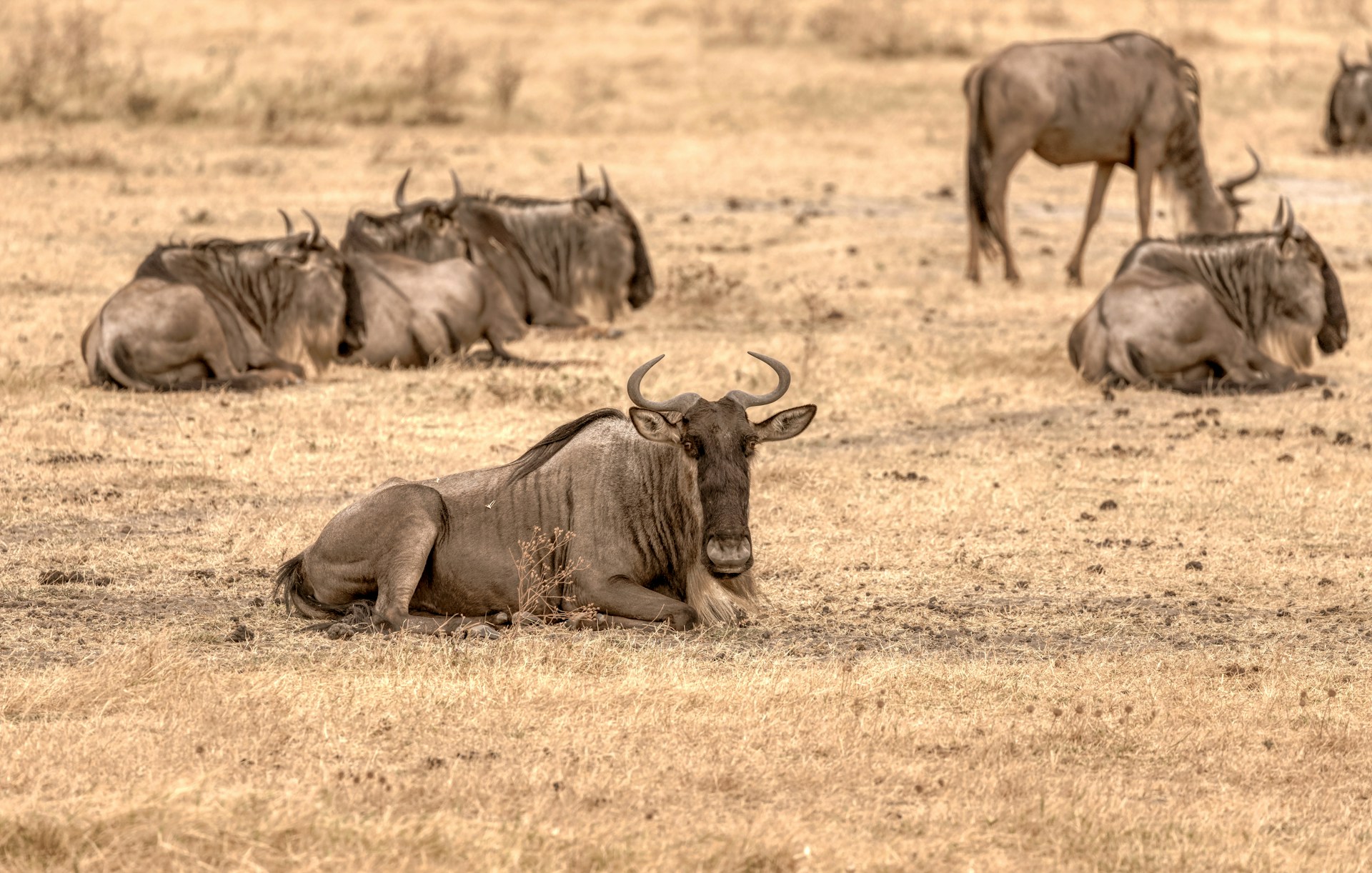
Great Migration safaris revolve around one of the most extraordinary wildlife movements on earth — the annual migration of over a million wildebeest accompanied by hundreds of thousands of zebra and gazelle across the plains of Tanzania and Kenya. This continuous circular journey unfolds between the Serengeti National Park and the Maasai Mara, driven by rainfall patterns and fresh grazing.
Unlike a one-time event, the migration is a year-round cycle. However, specific months bring dramatic highlights such as river crossings, calving season, and intense predator activity. Great Migration safaris are structured around positioning travelers in the right ecosystem at the right time.
Why Book This Destination
Explore More about Great Migration Safaris
The Migration Cycle
The migration begins in southern Serengeti around January and February when wildebeest gather for calving season. Thousands of calves are born within a short period, creating a surge of predator activity as lions, cheetahs, and hyenas take advantage of vulnerable young.
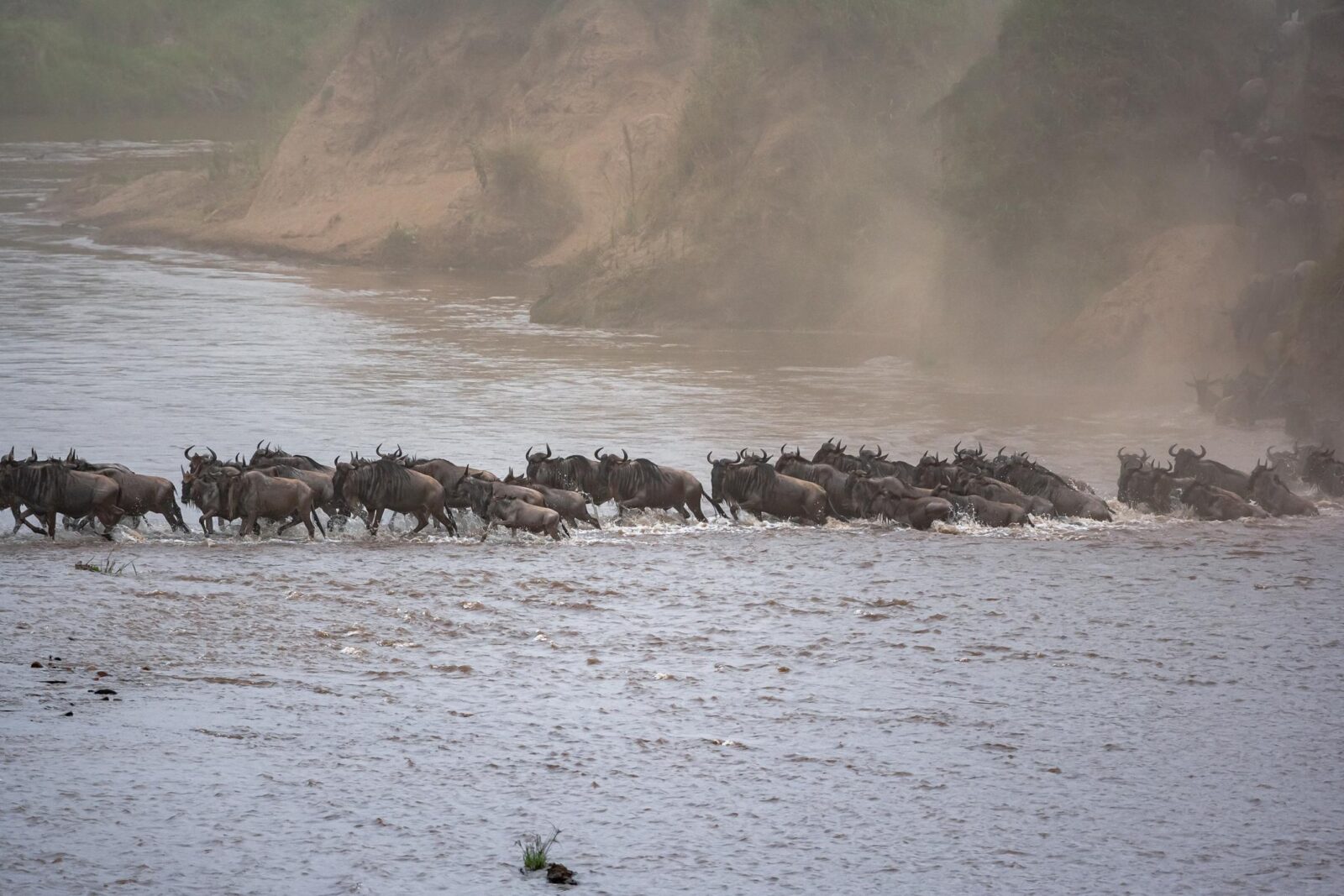
By April and May, herds begin moving northwest through central Serengeti. As the dry season intensifies between June and July, animals push toward the Grumeti and Mara rivers. River crossings become the most dramatic stage of the migration, particularly between July and October when herds attempt to cross into Kenya’s Maasai Mara.
Toward November and December, rainfall draws the animals back into Tanzania, completing the cycle.
River Crossings
River crossings along the Mara River represent the most iconic migration moments. Wildebeest gather along steep banks before plunging into crocodile-inhabited waters. The crossing may appear chaotic, yet it follows instinctual patterns shaped by survival and momentum.
These crossings are unpredictable. Herds may hesitate for hours or days before moving. Successful migration safaris rely heavily on experienced guides who understand herd behavior and seasonal timing.
While river crossings capture global attention, they represent only one phase of a much larger ecological movement.
Predator Interaction
Predators track the migration closely. Lions patrol crossing points and open plains where wildebeest concentrate. Cheetahs hunt calves during calving season in the southern Serengeti. Hyenas and vultures remain constant observers, feeding on the aftermath of hunts.
The scale of prey concentration amplifies predator visibility, making migration safaris particularly dynamic for wildlife enthusiasts and photographers.
The ecological relationship between predator and prey defines the migration’s intensity.
Best Time for Great Migration Safaris
Timing depends on which phase of the migration you wish to witness. January to March is ideal for calving season in southern Serengeti. June to July offers strong herd movement through central and western Serengeti. July to October is peak season for Mara River crossings in northern Serengeti and the Maasai Mara.
Because the migration follows rainfall rather than fixed dates, flexibility improves success rates. Working with experienced operators increases the likelihood of positioning camps near herd movement.
Understanding the migration calendar is essential for trip planning.
Safari Styles and Accommodation
Great Migration safaris range from mobile tented camps that relocate seasonally to permanent luxury lodges overlooking key corridors. Mobile camps provide close proximity to herds as they move, while permanent lodges offer consistent comfort and infrastructure.
Hot air balloon safaris over the Maasai Mara provide aerial perspectives of herd movement at sunrise. Private conservancies bordering the Mara offer lower vehicle density and controlled viewing environments.
The style of accommodation influences both comfort and viewing intimacy.
Kenya vs Tanzania for Migration Safaris
In Tanzania’s Serengeti, migration safaris often focus on calving season and extended herd movement across open plains. In Kenya’s Maasai Mara, emphasis is placed on river crossings and predator concentration during peak dry months.
Both sides of the ecosystem deliver exceptional experiences, but Kenya’s Mara is generally more accessible for river crossing sightings, while Tanzania offers broader landscape scale during earlier migration phases.
Choosing between the two depends on timing and preferred viewing emphasis.
Beyond the Migration
Although the migration dominates attention, both Serengeti and Maasai Mara support resident wildlife populations year-round. Even outside peak migration months, lions, elephants, leopards, and diverse antelope species remain active.
A well-designed migration safari incorporates broader ecosystem exploration rather than focusing exclusively on crossings.
Overall Great Migration Safari Experience
Great Migration safaris deliver one of Africa’s most powerful wildlife spectacles. The movement of vast herds across open plains, the tension of river crossings, and the constant presence of predators create a safari defined by scale and survival.
When timed correctly and guided by experienced professionals, a Great Migration safari becomes more than a viewing opportunity. It becomes an immersion into one of nature’s most enduring and dramatic ecological cycles.
In Africa’s national parks, every sunrise paints a masterpiece — where the wild’s call echoes across endless horizons. Visiting these parks is to witness nature in its purest form, a timeless dance that stirs the soul.
Steps to Book Your Southern Africa Tour
Choose Your Adventure
Confirm Your Booking
Begin Your Journey
Ready to plan your tailor-made safari?