Tsavo East and West National Parks
February 10, 2026
Cultural Safaris
February 10, 2026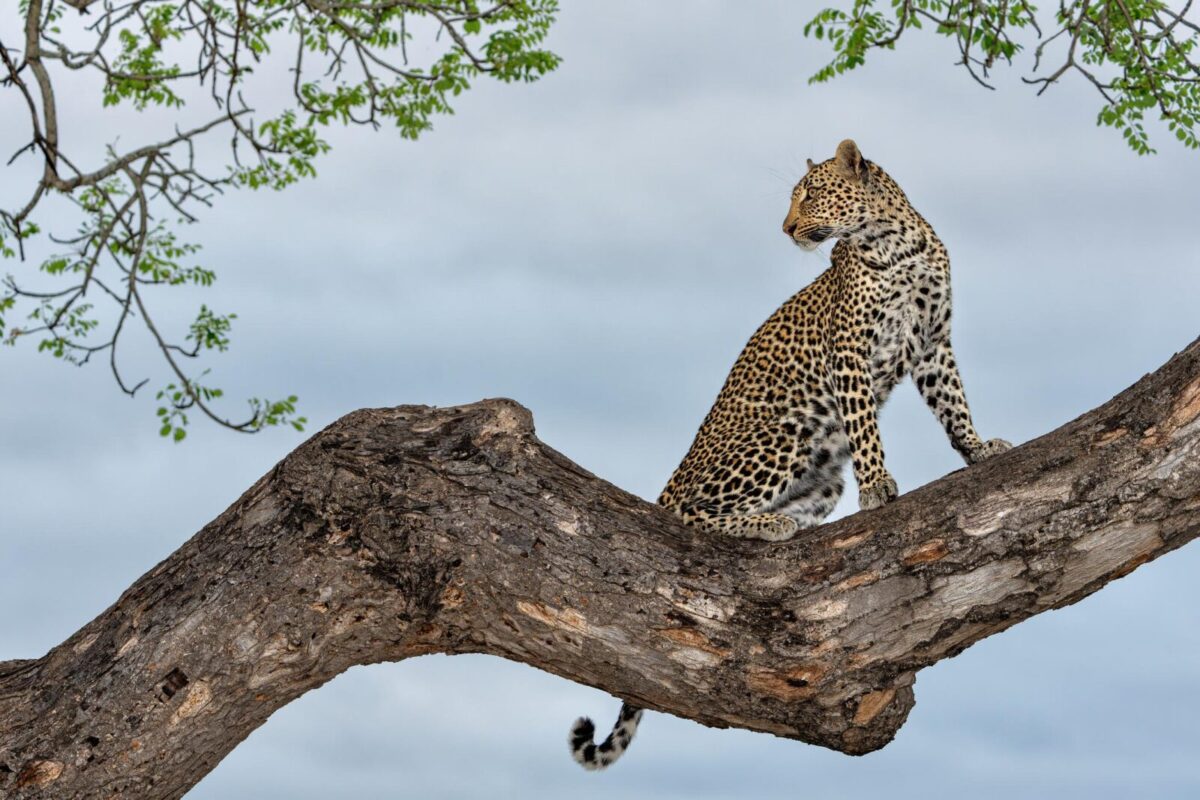
Big Five Safaris
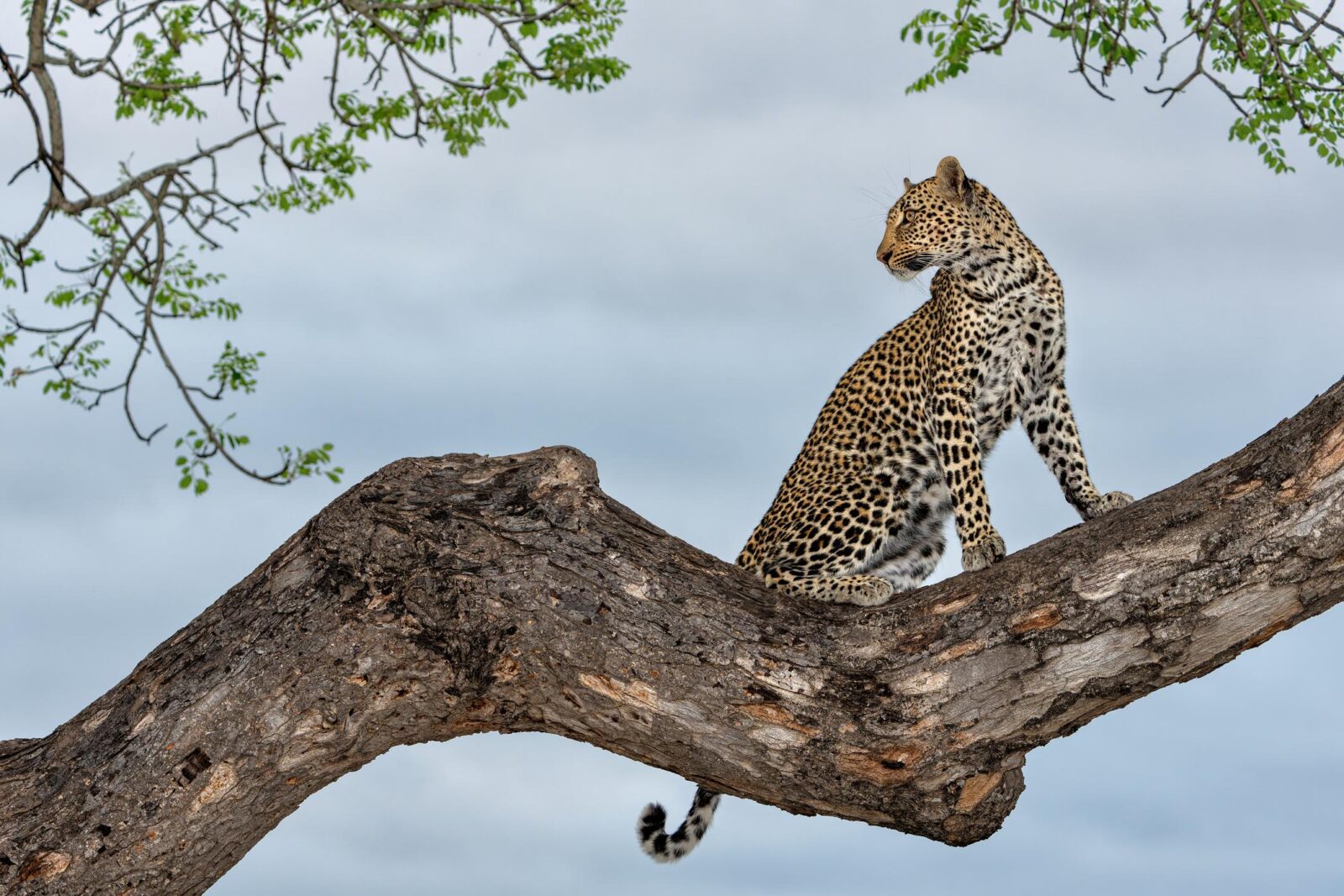
Big Five safaris focus on encountering Africa’s most iconic wildlife species: the Lion, Leopard, African elephant, Rhinoceros, and Cape buffalo. Originally a term used by big-game hunters to describe the most dangerous animals to hunt on foot, the phrase today represents the ultimate wildlife viewing achievement for safari travelers.
Big Five safaris are offered in several African countries, each delivering a slightly different landscape, viewing style, and level of exclusivity. The quality of the experience depends not only on wildlife density but also on guiding standards, seasonal timing, and conservation management.
Why Book This Destination
Explore More about Big Five Safaris
What Defines a True Big Five Safari
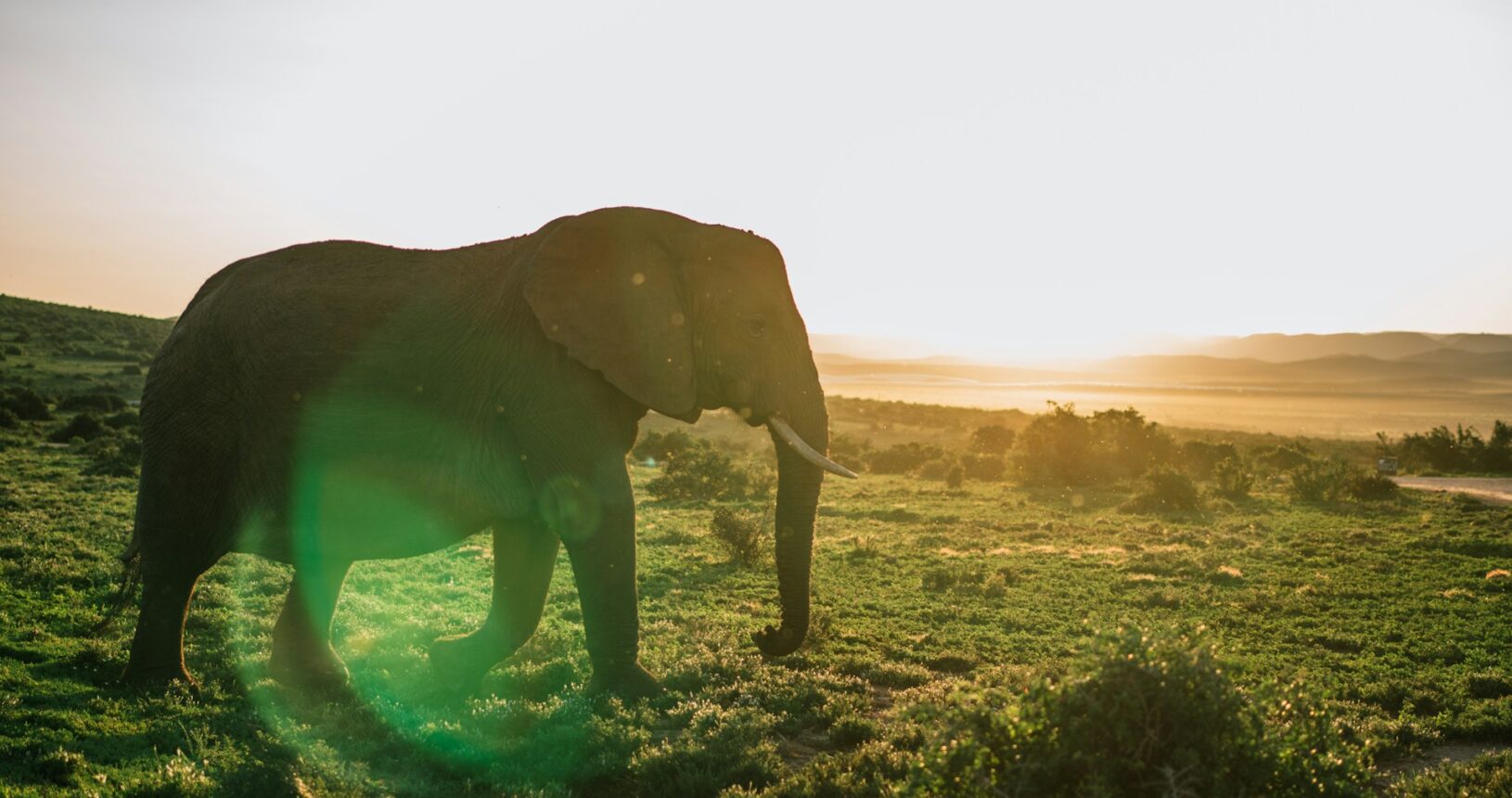
A genuine Big Five safari goes beyond simply spotting the five species. It involves understanding habitat dynamics, observing animal behavior, and experiencing the ecosystems that sustain these animals. Lions may be seen resting in prides before sunset hunts. Leopards often require patience and sharp tracking skills. Elephants move in complex family structures, while rhinos and buffalo add intensity and unpredictability to sightings.
The goal is not speed but depth. The best safaris allow time for extended observation rather than rushing between animals.
Top Destinations for Big Five Safaris
In East Africa, the Maasai Mara is known for strong lion density and open visibility, particularly during the migration season. In Southern Africa, Kruger National Park and private reserves such as Sabi Sands Game Reserve offer reliable leopard sightings and structured conservation programs that protect rhino populations.
Botswana provides Big Five opportunities in regions such as the Okavango Delta and Chobe, where elephant herds are particularly impressive. Tanzania combines vast savannah ecosystems with predator-rich environments in parks like the Serengeti.
Each destination delivers a different balance of landscape scale, crowd levels, and wildlife consistency.
Seasonal Influence on Sightings
The dry season is typically the most productive time for Big Five safaris. As water sources shrink, animals gather near rivers and permanent waterholes, increasing predictability. Vegetation thins, making visibility easier and tracking more efficient.
During the green season, wildlife disperses across wider areas due to abundant grazing and rainfall. Although landscapes are lush and photogenic, sightings may require more patience. Birdlife, however, flourishes during this period, adding biodiversity beyond the Big Five.
Seasonal timing plays a crucial role in safari success.
Safari Styles and Experience Levels
Big Five safaris range from luxury fly-in experiences in private reserves to road-based tours in national parks. Private reserves often allow off-road driving and limited vehicle numbers, enhancing close encounters and reducing crowding. National parks may offer larger landscapes and greater affordability but can experience higher visitor traffic in peak months.
Luxury lodges emphasize personalized service, expert guiding, and extended viewing time. Midrange and mobile safaris focus more on adventure and exploration while still delivering strong wildlife exposure.
The structure of the safari shapes the intensity and intimacy of encounters.
Conservation and Ethical Considerations
Rhino populations require active protection due to poaching threats, making responsible tourism essential. Many Big Five destinations contribute directly to conservation through park fees and community partnerships. Private conservancies often reinvest tourism revenue into wildlife monitoring and habitat preservation.
Choosing reputable operators ensures that Big Five safaris support long-term ecosystem sustainability rather than simply promoting wildlife viewing.
Ethical guiding and responsible visitor behavior remain central to meaningful safari experiences.
Beyond the Big Five
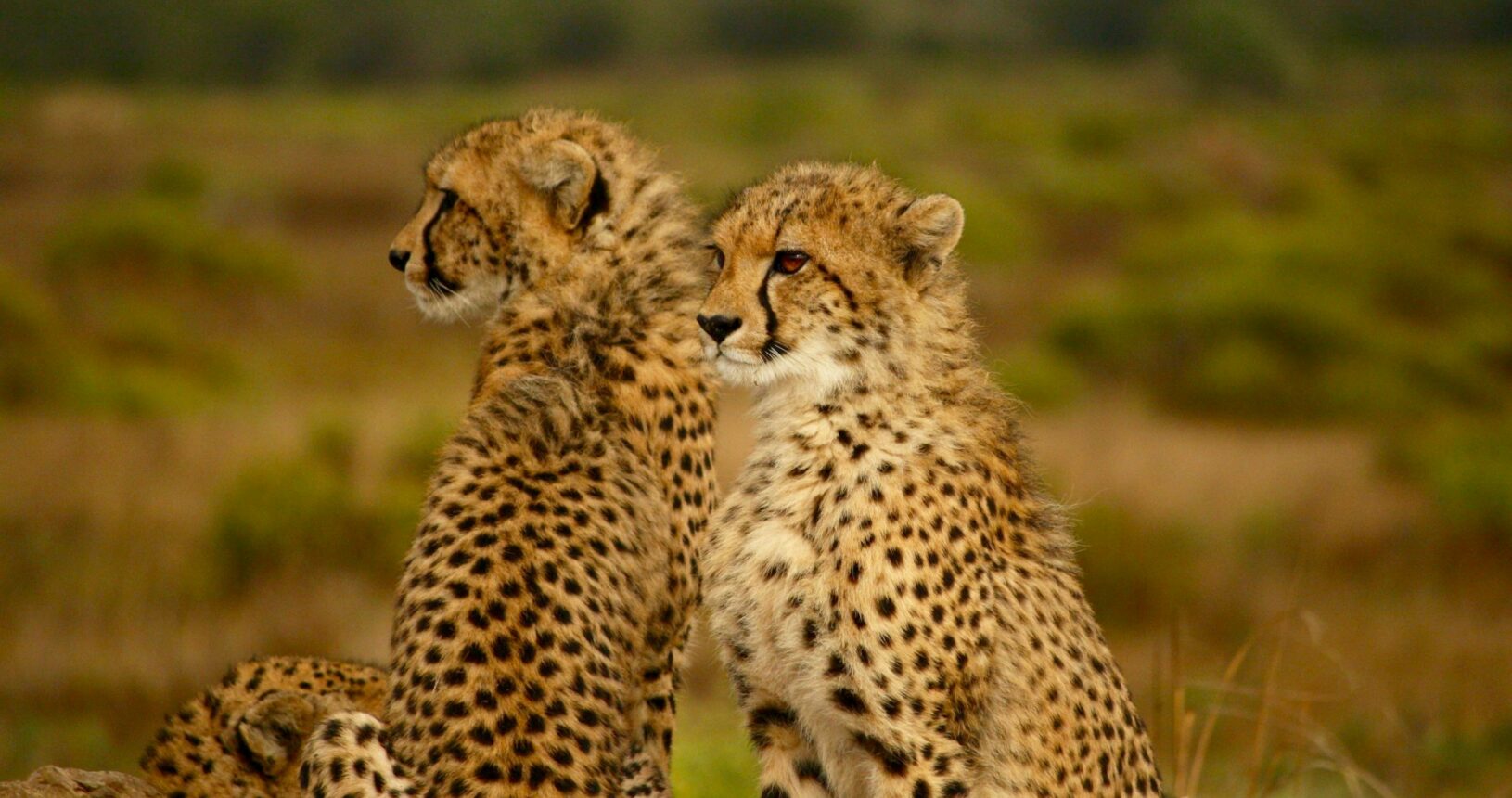
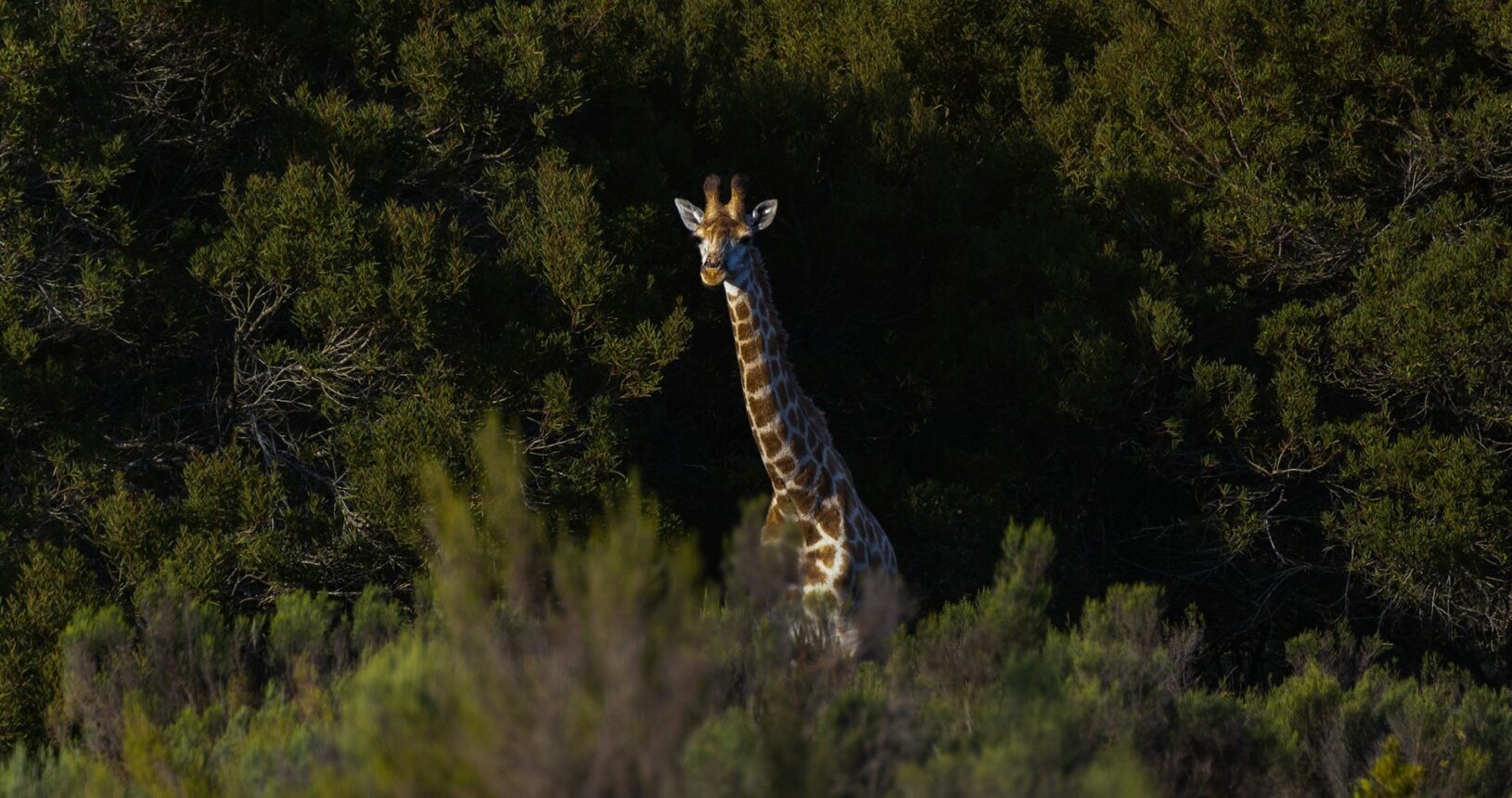
While the Big Five remain iconic, Africa’s ecosystems extend far beyond these five species. Cheetahs, wild dogs, giraffes, hippos, and countless antelope species enrich the safari environment. Birdlife diversity often exceeds expectations, particularly in wetland and river systems.
A well-rounded safari appreciates the entire ecosystem rather than focusing solely on a checklist.
Overall Big Five Safari Experience
Big Five safaris represent one of Africa’s most powerful wildlife journeys. Whether across open savannah, dense bushveld, or riverine woodland, encountering lion, leopard, elephant, rhino, and buffalo in their natural habitat remains a defining travel experience.
When structured thoughtfully and guided by skilled professionals, a Big Five safari becomes far more than a goal of five sightings. It becomes an immersion into the balance of power, adaptation, and survival that defines Africa’s wilderness.
In Africa’s national parks, every sunrise paints a masterpiece — where the wild’s call echoes across endless horizons. Visiting these parks is to witness nature in its purest form, a timeless dance that stirs the soul.
Steps to Book Your Southern Africa Tour
Choose Your Adventure
Confirm Your Booking
Begin Your Journey
Ready to plan your tailor-made safari?