Samburu
February 10, 2026
Tsavo East and West National Parks
February 10, 2026
The Coastal Belt of Kenya
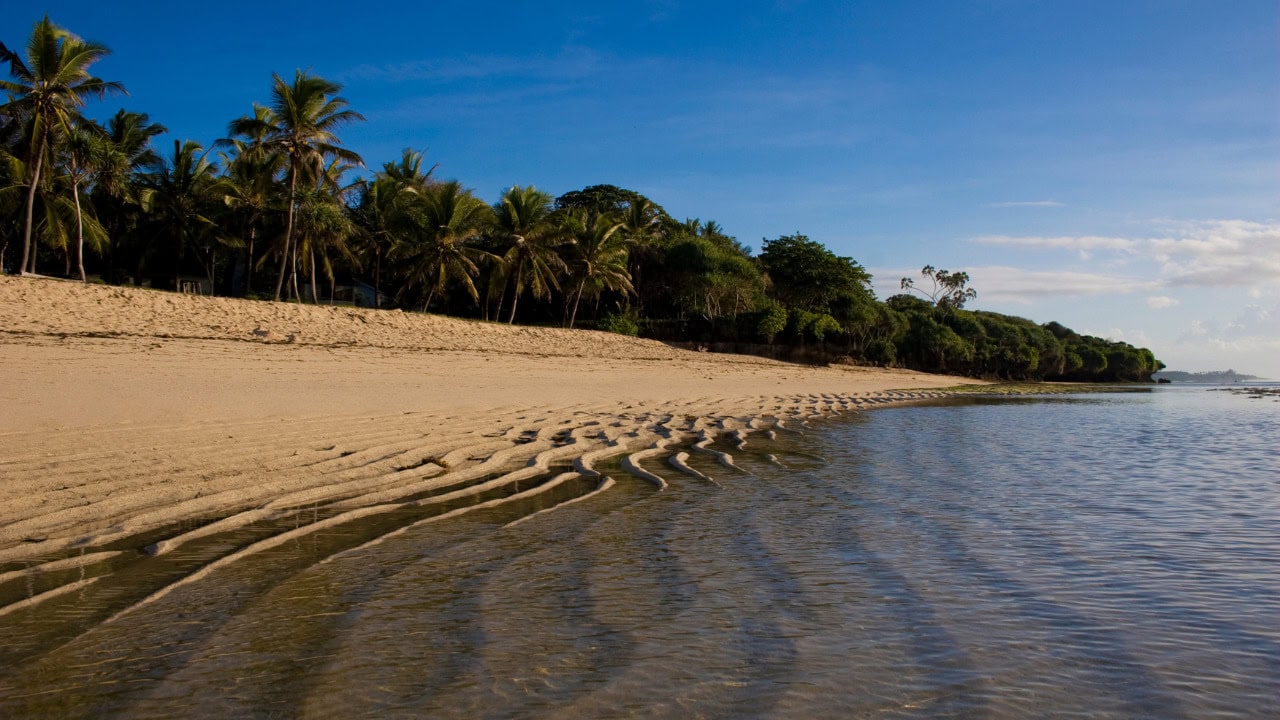
The Kenyan coastal belt stretches along the warm waters of the Indian Ocean, forming one of East Africa’s most scenic and culturally rich regions. This coastline extends for more than 500 kilometers from the border with Somalia in the north to Tanzania in the south. It combines tropical beaches, coral reefs, historic Swahili settlements, and vibrant marine ecosystems.
Unlike Kenya’s inland safari destinations, the coastal belt offers a completely different travel experience defined by ocean breezes, palm-lined beaches, and centuries-old maritime culture. The region has long served as a crossroads of African, Arab, Persian, and European influences that shaped the distinctive Swahili civilization.
Today, the coastal belt remains a popular extension to wildlife safaris, offering relaxation, marine exploration, and cultural discovery.
Why Book This Destination
Explore More about The Coastal Belt of Kenya
Geography and Coastal Landscape
The Kenyan coast features long stretches of white sand beaches, coral rag cliffs, tidal creeks, and mangrove forests that support a variety of marine and coastal ecosystems. The warm Indian Ocean waters create ideal conditions for coral reef formation, attracting diverse marine life.
Several small islands and lagoons dot the coastline, particularly near the Lamu archipelago in the north. Coral reefs protect many beaches from strong waves, creating calm lagoons suitable for swimming and snorkeling.
The coastal climate is generally warm and humid, with sea breezes moderating temperatures throughout the year.
Major Coastal Destinations
One of the most famous destinations along the Kenyan coast is Diani Beach, located south of Mombasa. Known for its powdery white sand and turquoise waters, Diani Beach is widely regarded as one of Africa’s most beautiful beaches.
Further north lies Watamu, famous for its marine national park and coral reefs. The area attracts snorkelers and divers interested in exploring vibrant underwater ecosystems.
Lamu Island offers a completely different atmosphere with its historic Swahili architecture, narrow streets, and traditional dhow boats that glide through coastal waters.
These destinations represent different aspects of Kenya’s coastal heritage and natural beauty.
Swahili Culture and History
The Kenyan coast has been a center of maritime trade for more than a thousand years. Arab traders, Persian merchants, and later European explorers established settlements along the coast, contributing to the development of Swahili culture.
This heritage is visible in historic towns such as Mombasa and Lamu, where coral-stone buildings, carved wooden doors, and ancient mosques reflect centuries of cultural exchange.
Swahili cuisine, language, and traditional dhow sailing continue to shape daily life along the coast. Cultural festivals and music traditions further highlight the region’s diverse influences.
Marine Parks and Ocean Wildlife
Kenya’s coastal waters are protected by several marine national parks that preserve coral reefs and marine biodiversity. The Watamu Marine National Park and Kisite-Mpunguti Marine Park are among the most important protected marine areas in the country.
These parks support coral reefs, sea turtles, dolphins, and hundreds of species of tropical fish. The clear waters and abundant marine life make the Kenyan coast an excellent destination for snorkeling and diving.
Seasonal whale shark sightings and dolphin encounters add to the region’s marine attractions.
Coastal Activities
The coastal belt offers a wide range of recreational activities that complement Kenya’s inland safari experiences. Snorkeling and scuba diving are particularly popular due to the presence of coral reefs and marine parks.
Visitors can also enjoy dhow sailing excursions, deep-sea fishing trips, and kayaking through mangrove channels. Beach walks, sunset cruises, and cultural tours of historic towns provide more relaxed ways to explore the region.
These activities allow travelers to experience both the natural beauty and cultural heritage of the Kenyan coast.
Coastal Cuisine
Swahili cuisine is one of the highlights of the coastal experience. Influenced by Arab, Indian, and African culinary traditions, coastal dishes often feature coconut milk, spices, and fresh seafood.
Popular meals include coconut rice, grilled fish, and aromatic stews flavored with cardamom, cloves, and cinnamon. Street markets and seaside restaurants offer visitors opportunities to experience authentic Swahili flavors.
The coastal culinary tradition reflects centuries of cultural interaction along the Indian Ocean trade routes.
Best Time to Visit
The Kenyan coast can be visited year-round, though the best weather conditions are typically found during the dry seasons between December and March and July to October. During these periods the sea is calm and visibility for snorkeling and diving is excellent.
The rainy seasons bring lush vegetation and fewer visitors, though occasional heavy showers may occur.
Warm ocean temperatures make swimming possible throughout the year.
Combining the Coast with Safari
Many travelers combine Kenya’s coastal belt with inland safari destinations such as the Maasai Mara or Amboseli. After several days of wildlife exploration, a beach extension offers relaxation and recovery beside the Indian Ocean.
This combination of savannah safari and tropical coastline has become one of the most popular travel itineraries in East Africa.
The contrast between wildlife landscapes and ocean scenery creates a well-rounded travel experience.
Overall Coastal Experience
The Kenyan coastal belt offers a vibrant blend of natural beauty, marine adventure, and cultural heritage. Its white sand beaches, coral reefs, historic towns, and warm tropical climate create an atmosphere that is both relaxing and culturally rich.
For travelers exploring Kenya, the coastal region provides the perfect complement to inland safari destinations, adding ocean landscapes and Swahili culture to the country’s diverse travel experiences.
In Africa’s national parks, every sunrise paints a masterpiece — where the wild’s call echoes across endless horizons. Visiting these parks is to witness nature in its purest form, a timeless dance that stirs the soul.
Steps to Book Your Southern Africa Tour
Choose Your Adventure
Confirm Your Booking
Begin Your Journey
Ready to plan your tailor-made safari?