
The Coastal Belt
February 10, 2026
Big Five Safaris
February 10, 2026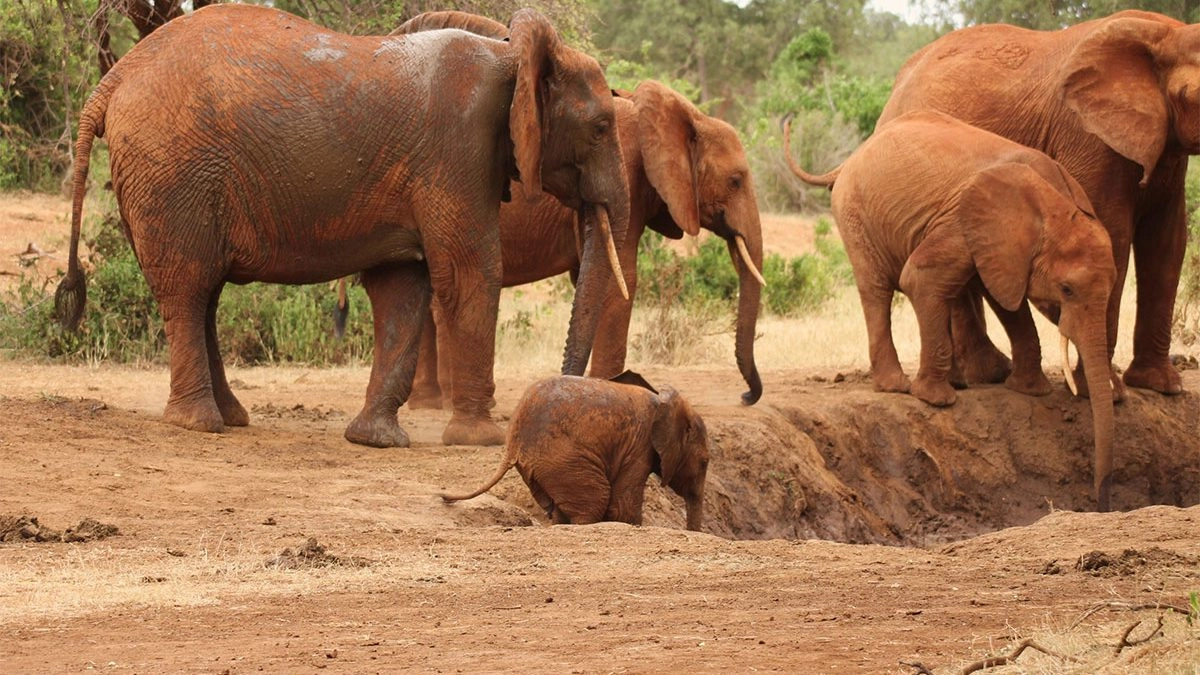
Tsavo East and Tsavo West National Parks
Tsavo East National Park and Tsavo West National Park together form the largest protected wildlife ecosystem in Kenya. Covering more than 22,000 square kilometers, the Tsavo parks create a vast wilderness stretching between Nairobi and the Kenyan coast near Mombasa.
Separated by the Nairobi–Mombasa highway and railway, the two parks share a common ecological system but differ significantly in landscape and safari experiences. Tsavo East is characterized by wide open plains and red soil landscapes, while Tsavo West features rugged volcanic terrain, lush springs, and dramatic mountain scenery.
Together they represent one of Africa’s largest and most diverse wildlife regions.
Why Book This Destination
Explore More about Tsavo East and Tsavo West National Parks
Location and Geography
The Tsavo ecosystem lies in southeastern Kenya and connects several wildlife corridors that extend toward Amboseli and coastal forests. The region’s vast size allows wildlife to move freely across large distances, creating one of the most important conservation landscapes in East Africa.
The parks are divided by a major transport corridor linking Nairobi and Mombasa. Despite this separation, the ecosystems remain connected through wildlife migration routes and shared habitats.
Their location between Kenya’s interior and coastline makes Tsavo a popular stop for travelers moving between safari destinations and beach resorts.
Tsavo East National Park
Tsavo East National Park is the larger of the two parks and is known for its expansive open plains, semi-arid landscapes, and dramatic red soil. The red dust of Tsavo coats many animals, especially elephants, giving them their famous reddish appearance.
The park is divided by the Galana River, which provides a vital water source for wildlife. The river attracts elephants, buffalo, and numerous antelope species that gather along its banks, particularly during the dry season.
Tsavo East’s open terrain allows for long-distance wildlife viewing and wide panoramic landscapes that create a classic African safari atmosphere.
Tsavo West National Park
Tsavo West National Park offers a completely different landscape. The park features rugged volcanic hills, lava flows, dense vegetation, and natural springs that create lush pockets of greenery.
One of the park’s most famous attractions is Mzima Springs, a crystal-clear freshwater oasis fed by underground streams from the Chyulu Hills. The springs support hippos, crocodiles, and fish, and visitors can observe aquatic wildlife from an underwater viewing chamber.
The varied terrain of Tsavo West provides scenic diversity and unique geological features rarely found in other Kenyan parks.
Wildlife in Tsavo
The Tsavo ecosystem supports a wide variety of wildlife species. Elephants are among the most iconic animals of the region, often seen moving across the plains or gathering near rivers and waterholes.
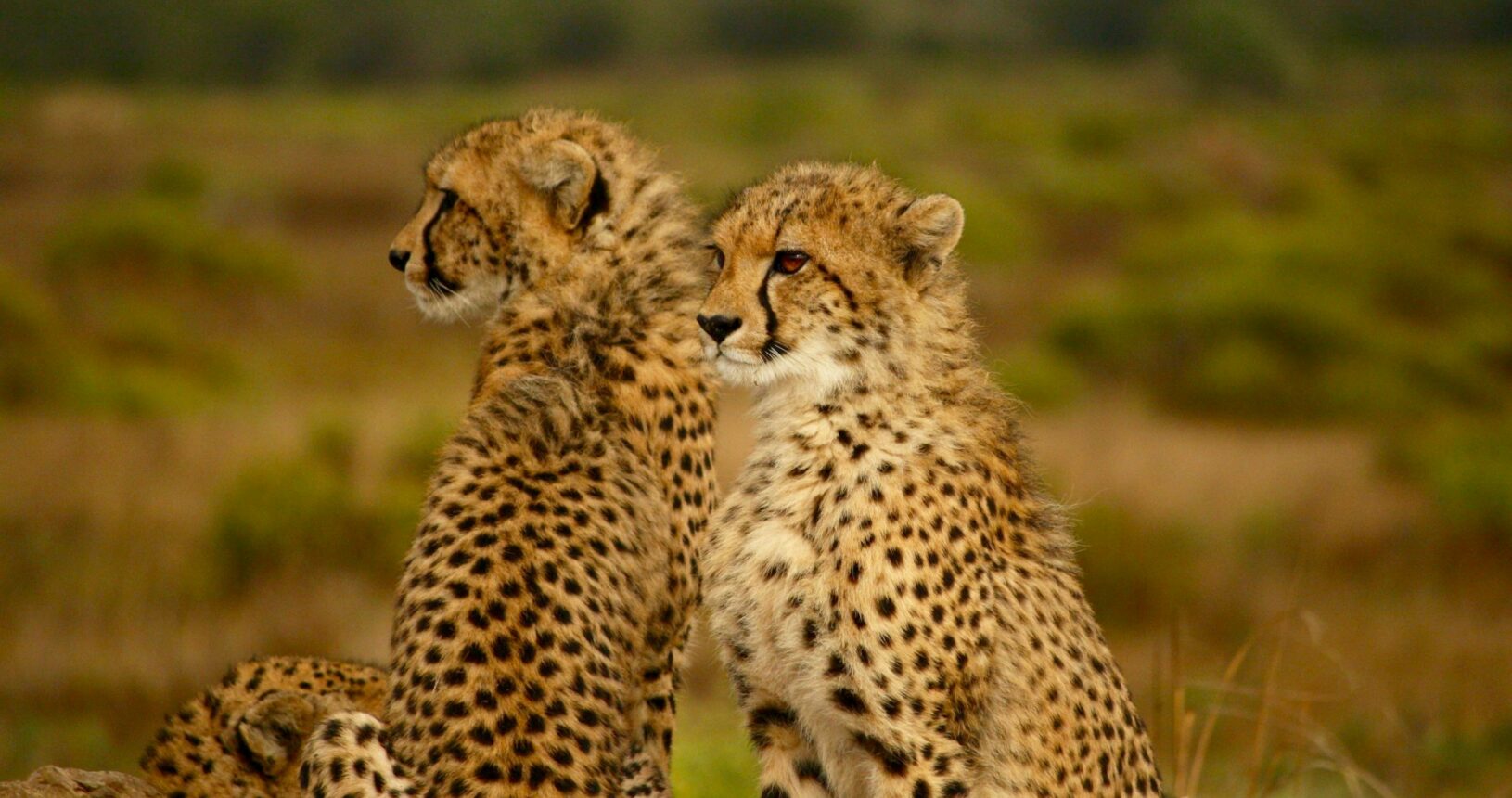
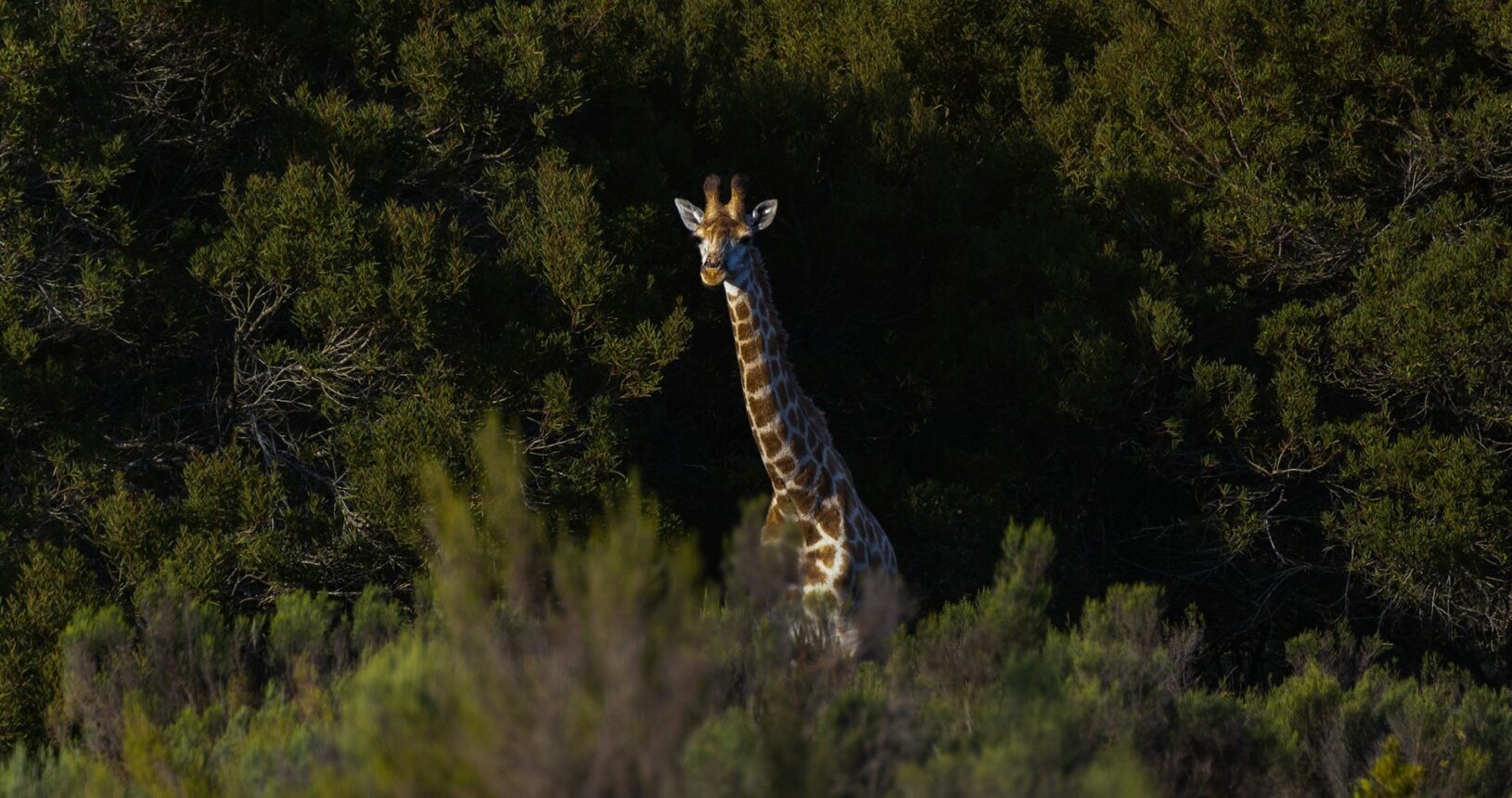
Other large mammals include lions, leopards, cheetahs, buffalo, giraffes, zebras, and numerous antelope species. Tsavo has historically been associated with the famous “man-eating lions” of the late nineteenth century, though modern lion populations behave naturally within the ecosystem.
Hippos and crocodiles inhabit the rivers and springs, while smaller mammals and reptiles occupy the diverse habitats across the parks.
Birdlife
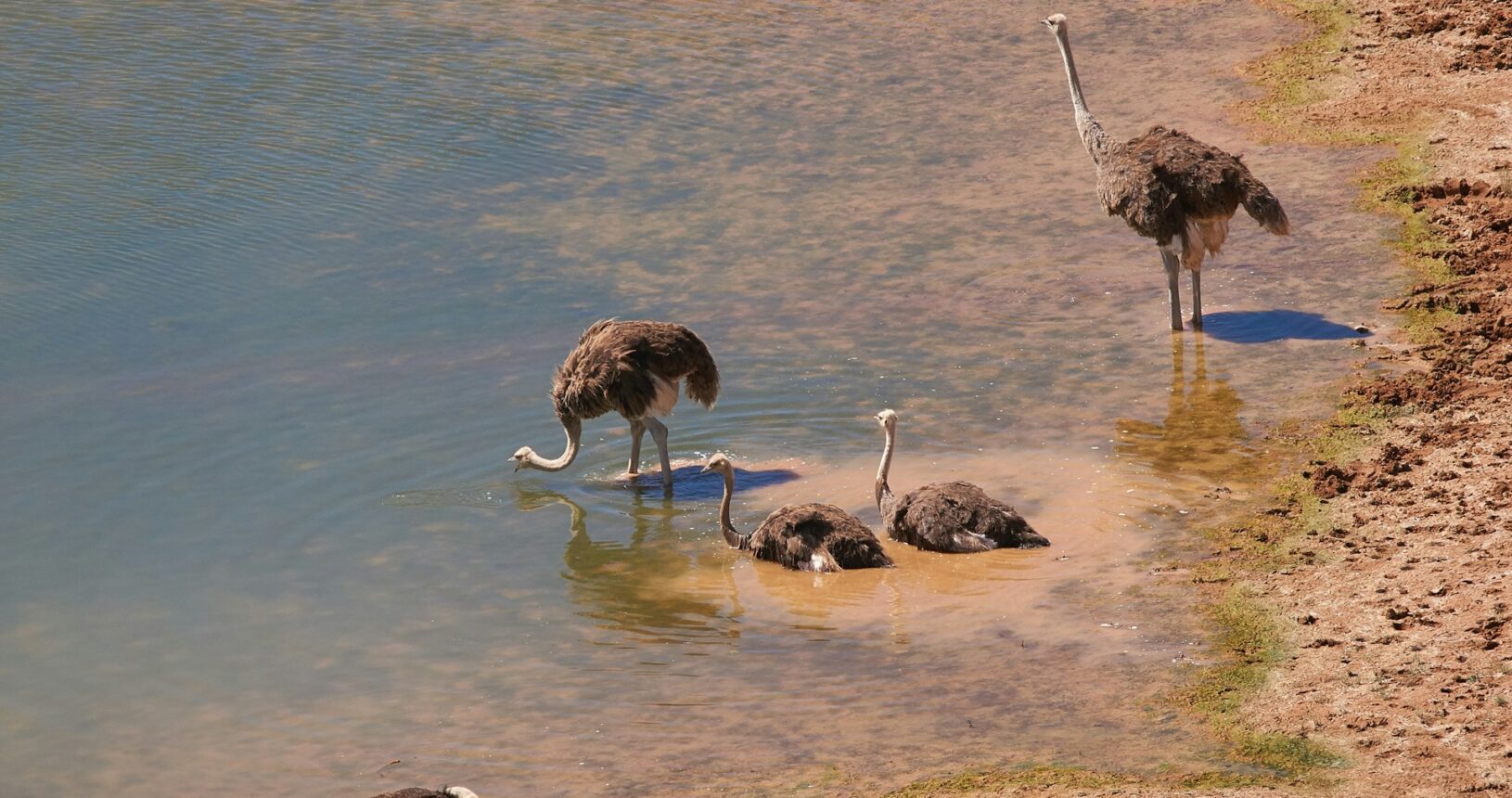
Tsavo East and Tsavo West together support more than 500 bird species, making the region an excellent destination for birdwatchers. The parks’ varied landscapes—from open savannah to riverine forest and wetlands—create habitats for both resident and migratory birds.
Raptors such as martial eagles and vultures often soar above the plains, while waterbirds inhabit rivers and springs. Brightly colored species such as bee-eaters and rollers are also frequently observed.
The diversity of birdlife adds another dimension to the safari experience.
Safari Activities
Game drives are the primary activity in both Tsavo East and Tsavo West National Parks. Visitors explore the vast landscapes with experienced guides who interpret animal behavior and ecological patterns.
In Tsavo West, visitors may also explore scenic attractions such as Mzima Springs and the Shetani Lava Flow, which reveal the park’s volcanic history. Some lodges offer guided nature walks in surrounding areas where permitted.
Photography is particularly rewarding due to the dramatic contrasts between red soil, green vegetation, and wildlife movement across the plains.
Conservation Importance
The Tsavo ecosystem plays a crucial role in Kenya’s conservation network. Its immense size provides habitat for large wildlife populations and maintains important migration corridors connecting other protected areas.
Conservation efforts focus on protecting elephants, preventing poaching, and maintaining ecological balance across the region. The parks also serve as critical water catchment areas and biodiversity reservoirs for southeastern Kenya.
These efforts ensure that Tsavo remains one of Africa’s most important wilderness landscapes.
Best Time to Visit
The best wildlife viewing conditions in Tsavo generally occur during the dry seasons between June and October and January to March. During these months animals gather near rivers and waterholes, making sightings more frequent.
The rainy seasons bring greener landscapes and improved scenery, though dense vegetation may make wildlife more difficult to spot.
Travelers visiting coastal destinations often combine Tsavo safaris with beach holidays along the Indian Ocean.
Overall Safari Experience
Tsavo East and Tsavo West National Parks offer one of the most expansive and untamed safari experiences in Kenya. Their immense landscapes, diverse habitats, and abundant wildlife create a sense of wilderness rarely found in smaller parks.
For travelers seeking a classic African safari away from crowded destinations, Tsavo provides a powerful combination of scenic beauty, wildlife encounters, and remote exploration.
In Africa’s national parks, every sunrise paints a masterpiece — where the wild’s call echoes across endless horizons. Visiting these parks is to witness nature in its purest form, a timeless dance that stirs the soul.
Steps to Book Your Southern Africa Tour
Choose Your Adventure
Confirm Your Booking
Begin Your Journey
Ready to plan your tailor-made safari?