
Cost of a Tanzania Safari
February 10, 2026
Safari in Tanzania vs Safari in Rwanda
February 10, 2026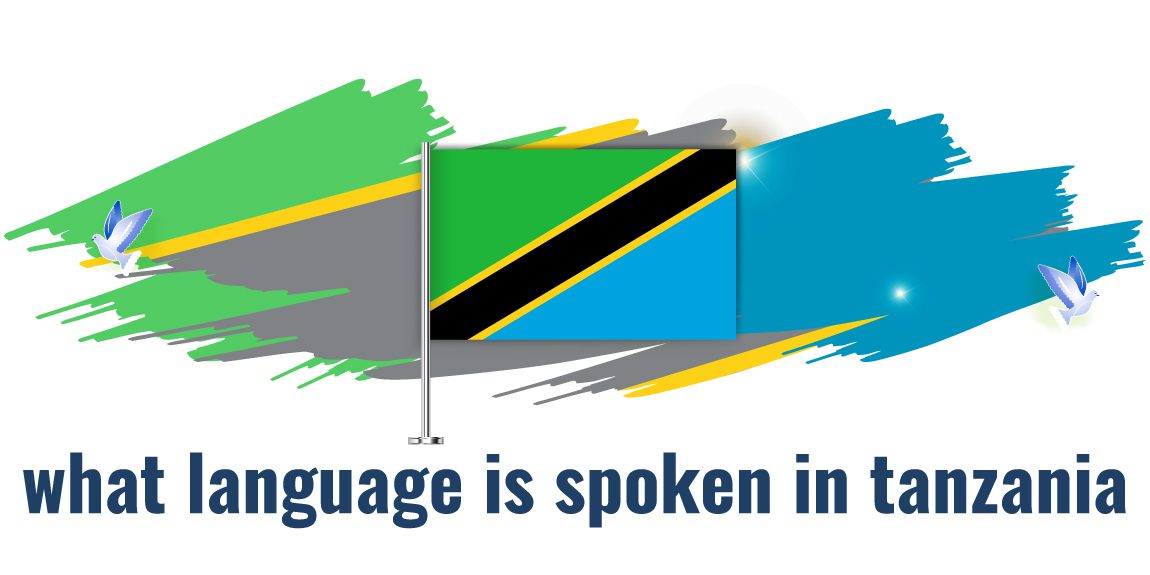
Languages Spoken in Tanzania
Understanding the languages spoken in Tanzania can make your journey more enjoyable and meaningful. Tanzania is one of Africa's most culturally diverse countries, with more than 120 ethnic groups living across its mainland and islands. Each community has its own traditions and, in many cases, its own language.
Despite this diversity, communication remains easy for visitors. Most Tanzanians speak Swahili, the country's national language, while English serves as the primary official language for business, tourism, and higher education. Together, these languages help unite the country and make travel convenient for international visitors.
Whether you plan to explore the Serengeti, climb Mount Kilimanjaro, relax in Zanzibar, or visit local villages, learning about the languages spoken in Tanzania will enrich your travel experience and help you connect with local people.
Why Book This Destination
Explore More about Languages Spoken in Tanzania
Swahili: Tanzania's National Language
Swahili, or Kiswahili, is the most widely spoken language in Tanzania. Almost everyone in the country understands and speaks it, regardless of their ethnic background. Swahili serves as the language of daily life, education, government, media, and social interaction.
The language has deep historical roots along the East African coast. Over centuries, it developed through interactions between African communities and traders from Arabia, Persia, and later Europe. Today, Swahili stands as one of Africa's most important languages and is spoken by millions of people across East and Central Africa.
Visitors quickly notice Swahili in road signs, markets, restaurants, and public transportation. Learning a few simple phrases often creates warm interactions with local communities and shows respect for Tanzanian culture.
English in Tanzania
English plays an important role among the languages spoken in Tanzania. It serves as one of the country's official languages and appears widely in tourism, business, higher education, and government institutions.
Most safari guides, hotel staff, tour operators, and park rangers speak fluent English. International visitors can comfortably communicate during safaris, city tours, and other travel experiences.
In larger cities such as Dar es Salaam, Arusha, and Mwanza, English is common in hotels, restaurants, shopping centers, and airports. In smaller villages and remote rural areas, however, Swahili becomes the primary language of everyday communication.
Travelers who know only English rarely face communication challenges while visiting Tanzania's main tourist destinations.
Indigenous Languages of Tanzania
Beyond Swahili and English, the languages spoken in Tanzania include more than 120 indigenous languages. These languages belong to different ethnic communities and reflect the country's remarkable cultural heritage.
Many indigenous languages belong to the Bantu language family, while others come from Nilotic, Cushitic, and Khoisan language groups. Communities continue to use these languages at home, during traditional ceremonies, and within local cultural activities.
Although Swahili connects the nation, indigenous languages help preserve identity, history, and customs across generations.
The Maasai Language
The Maasai people are among Tanzania's most recognized communities. They primarily live in northern Tanzania near Serengeti National Park, the Ngorongoro Conservation Area, and the Kenyan border.
The Maasai speak Maa, a Nilotic language that differs completely from Swahili. Many Maasai also speak Swahili, allowing them to communicate with visitors and neighboring communities.
Travelers often meet Maasai guides during cultural visits or safaris. Learning about their language offers valuable insight into one of East Africa's most famous cultures.
Languages Spoken in Zanzibar
Zanzibar shares the same national language as mainland Tanzania. Swahili remains the most widely spoken language across Unguja and Pemba islands.
However, the islands' long trading history introduced Arabic influences into local culture and language. Many Swahili words used in Zanzibar reflect this historical connection with the Arab world.
English also appears widely throughout Zanzibar's tourism industry. Visitors can communicate easily in hotels, restaurants, spice farms, and historical sites such as Stone Town.
Languages in Tanzania's National Parks
Travelers visiting Tanzania's famous national parks rarely experience language barriers. Professional safari guides speak excellent English and often communicate in several additional international languages.
In parks such as Serengeti National Park, Tarangire National Park, Lake Manyara National Park, and the Ngorongoro Conservation Area, guides explain wildlife behavior, conservation efforts, and local ecosystems in clear English.
Local staff working at lodges, camps, and visitor centers usually speak both Swahili and English. This combination makes Tanzania one of Africa's easiest safari destinations for international travelers.
Why Swahili Is Important for Visitors
Although English works well in tourist areas, learning a few Swahili expressions adds a personal touch to your journey. Local people often appreciate visitors who make the effort to greet them in their own language.
Simple conversations can create stronger connections during market visits, village tours, or everyday interactions. Even a few words demonstrate respect for local culture and traditions.
Swahili also helps travelers better understand local songs, greetings, signs, and cultural expressions they encounter throughout the country.
Useful Swahili Phrases for Travelers
Several basic expressions can make your trip more enjoyable. "Jambo" means hello and remains one of the most familiar greetings for visitors. "Habari" asks how someone is doing, while "Asante" means thank you. If someone helps you, "Asante sana" expresses thank you very much.
When entering shops or hotels, "Karibu" means welcome. If you would like to say goodbye, use "Kwaheri." These simple words often bring smiles and create friendly conversations throughout your journey.
Language and Cultural Respect
Language reflects Tanzania's rich cultural diversity. Speaking respectfully, greeting people politely, and showing interest in local traditions create positive experiences for both visitors and local communities.
Many Tanzanians value friendly conversation and hospitality. Taking time to greet someone before asking a question shows good manners and reflects local customs.
Visitors who respect cultural traditions often enjoy warmer interactions during their travels.
Will You Need a Translator?
Most travelers do not need a translator while visiting Tanzania. English serves as the main language for tourism, and professional guides handle communication throughout safari experiences.
In remote villages, local guides often translate conversations between visitors and community members. This support allows meaningful cultural exchanges without language difficulties.
Whether you travel independently or join an organized safari, communication remains straightforward across the country's main tourism destinations.
Why Tanzania's Linguistic Diversity Matters
The many languages spoken in Tanzania represent centuries of history, migration, and cultural development. Each language carries unique traditions, stories, and knowledge that continue to shape the country's identity.
Swahili unites people from different ethnic backgrounds while allowing indigenous languages to flourish within local communities. This balance creates one of Africa's richest cultural landscapes.
For travelers, understanding this diversity adds depth to every safari, cultural visit, and conversation along the journey.
Plan Your Safari
Learning about the languages spoken in Tanzania helps you appreciate the country's remarkable cultural heritage before your journey begins. While English makes travel easy, a few Swahili words can strengthen your connection with local people and enrich every experience.
Whether you explore the wildlife of the Serengeti, climb Mount Kilimanjaro, visit Zanzibar, or discover traditional communities, Tanzania welcomes visitors with warmth, hospitality, and a rich linguistic heritage that makes every trip even more memorable.
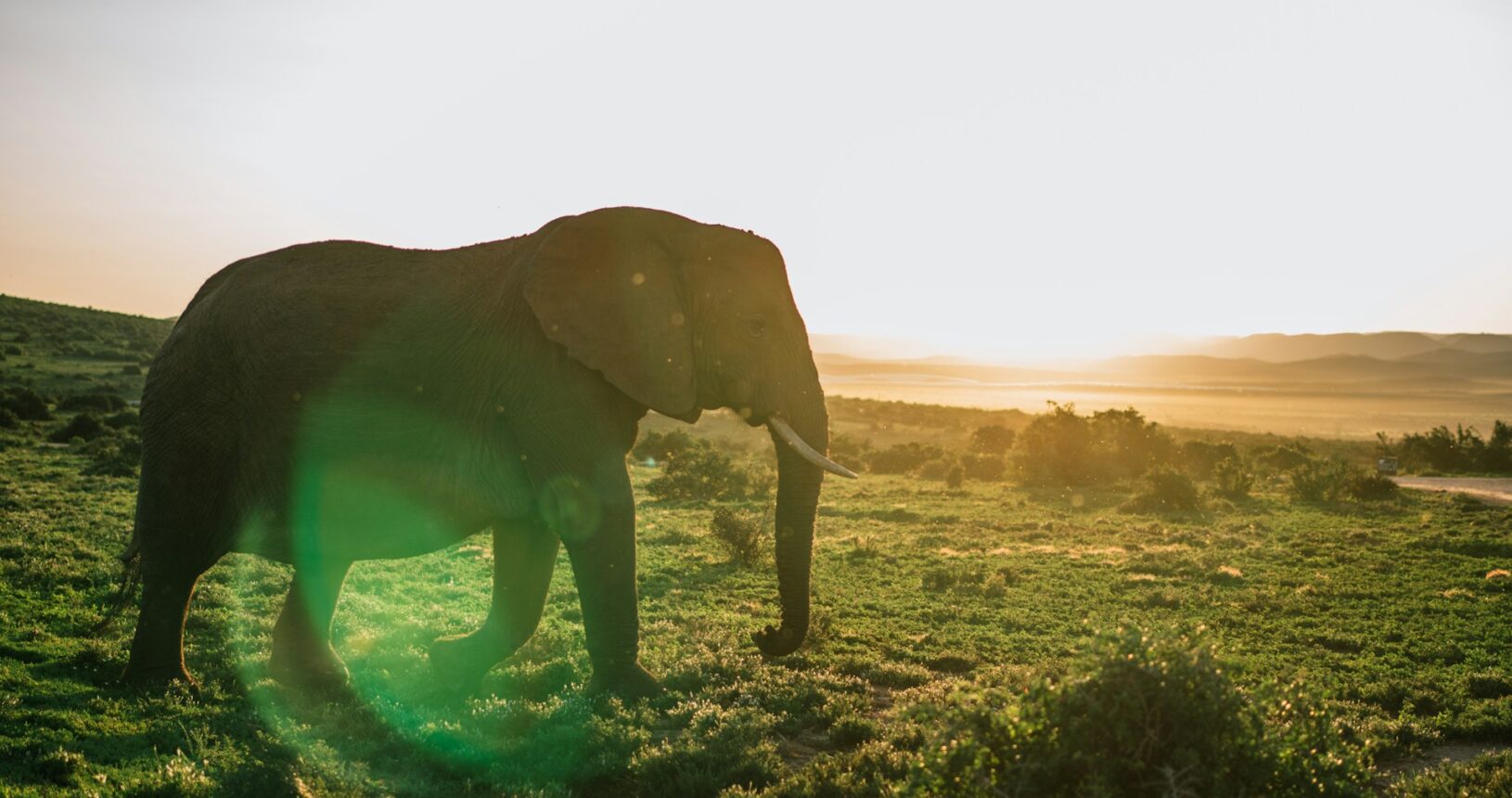
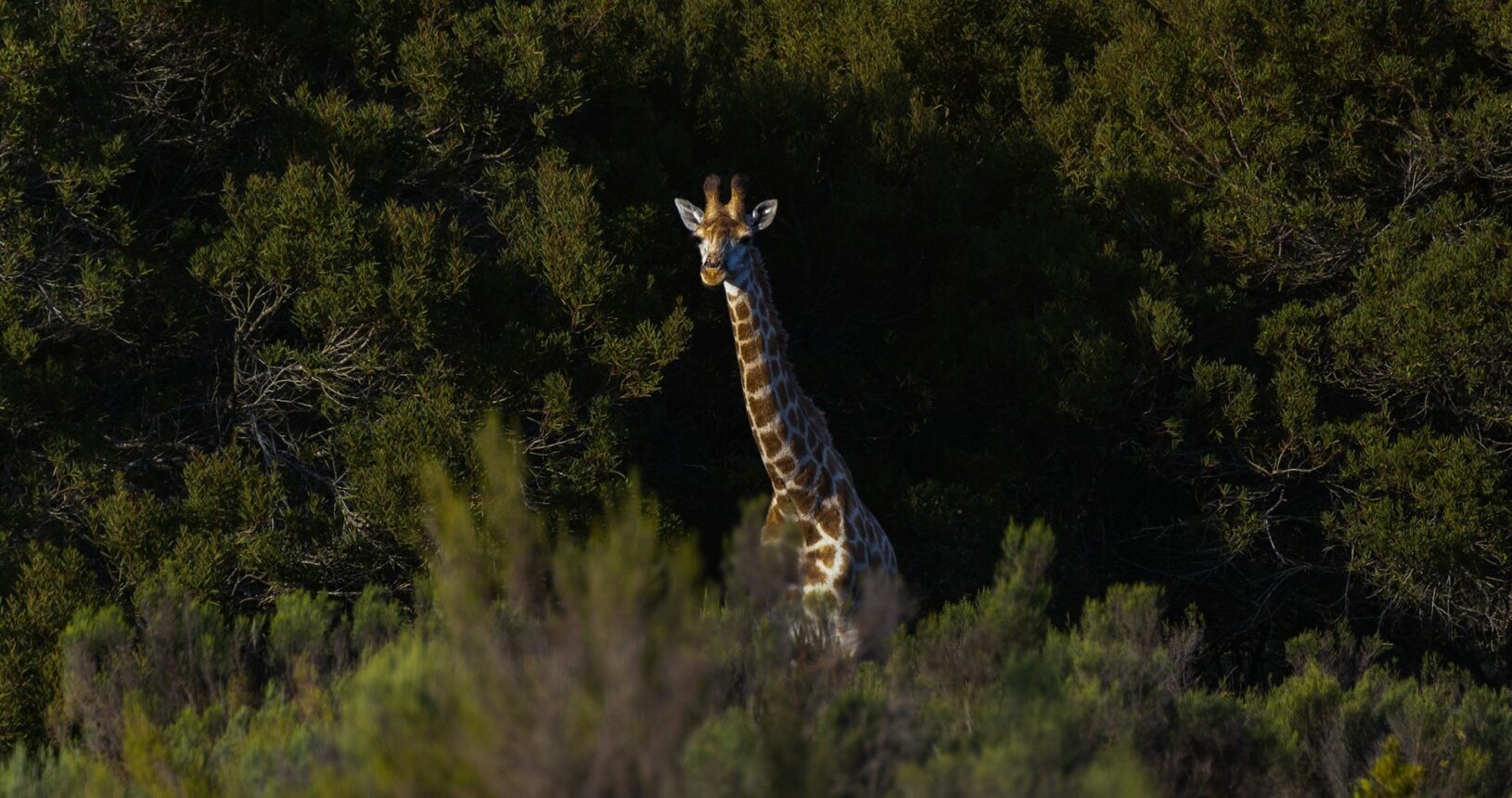
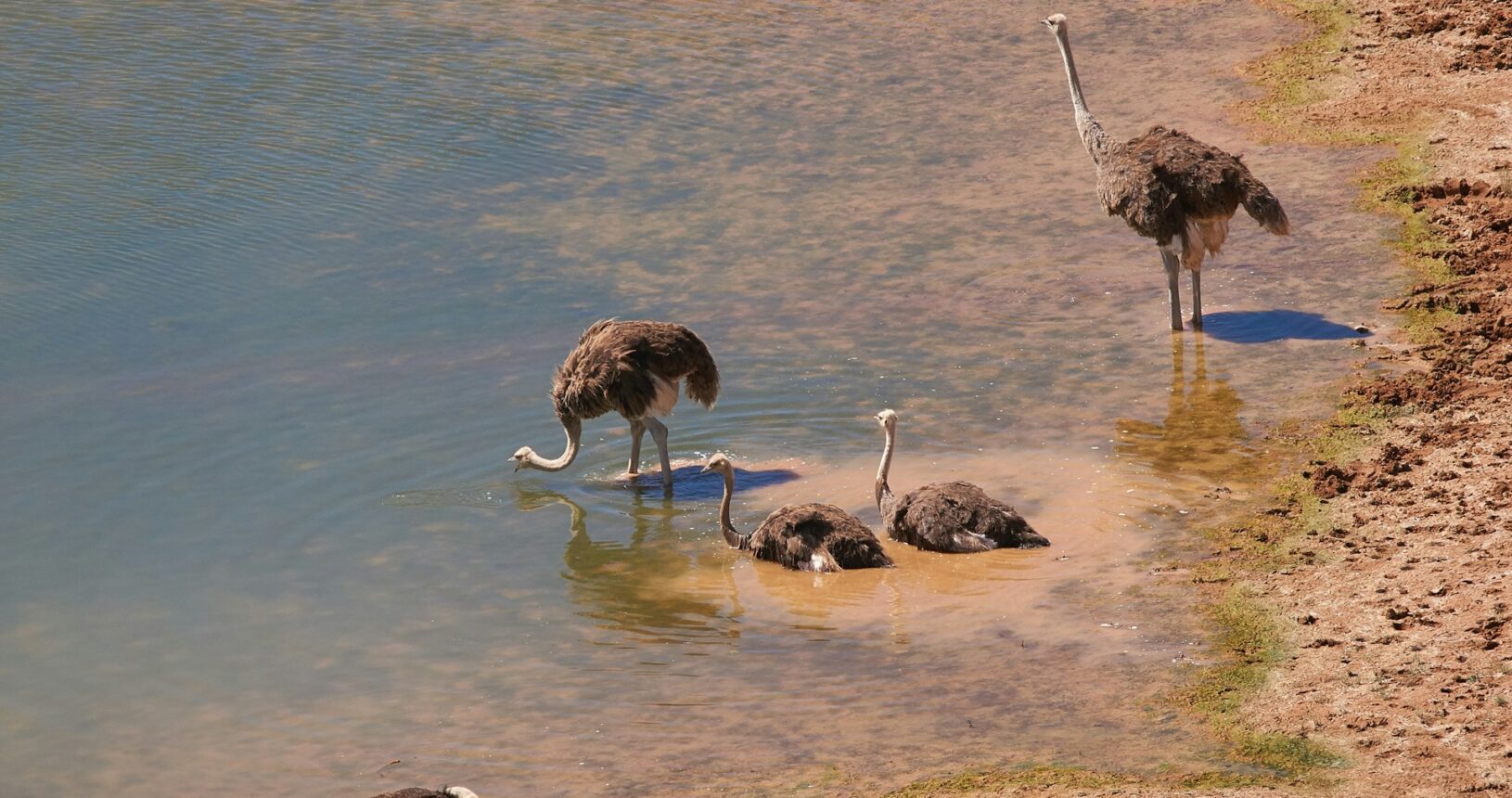
In Africa’s national parks, every sunrise paints a masterpiece — where the wild’s call echoes across endless horizons. Visiting these parks is to witness nature in its purest form, a timeless dance that stirs the soul.
Steps to Book Your Southern Africa Tour
Choose Your Adventure
Confirm Your Booking
Begin Your Journey
Ready to plan your tailor-made safari?