

Pingwe, Dongwe & The Michamvi Peninsula
February 10, 2026
Bawe Island
February 10, 2026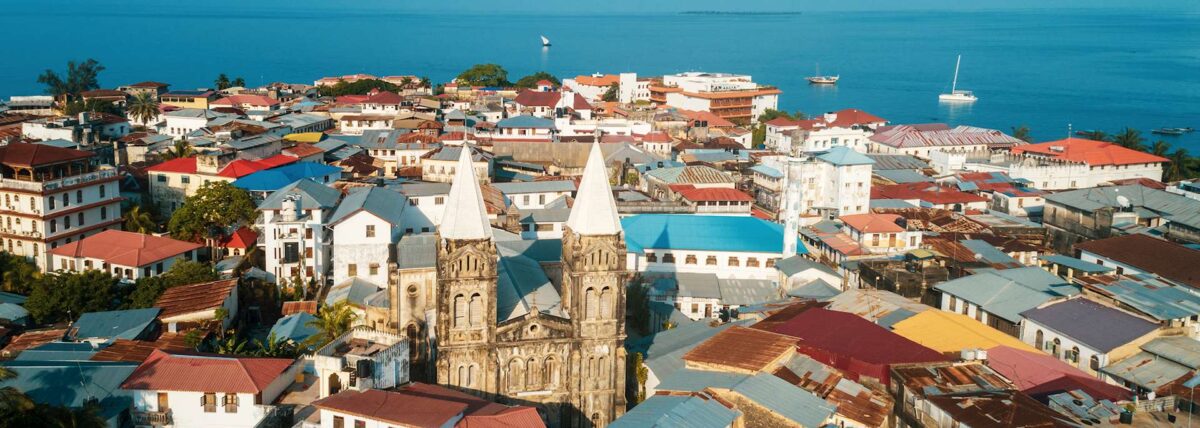
Stone Town Zanzibar
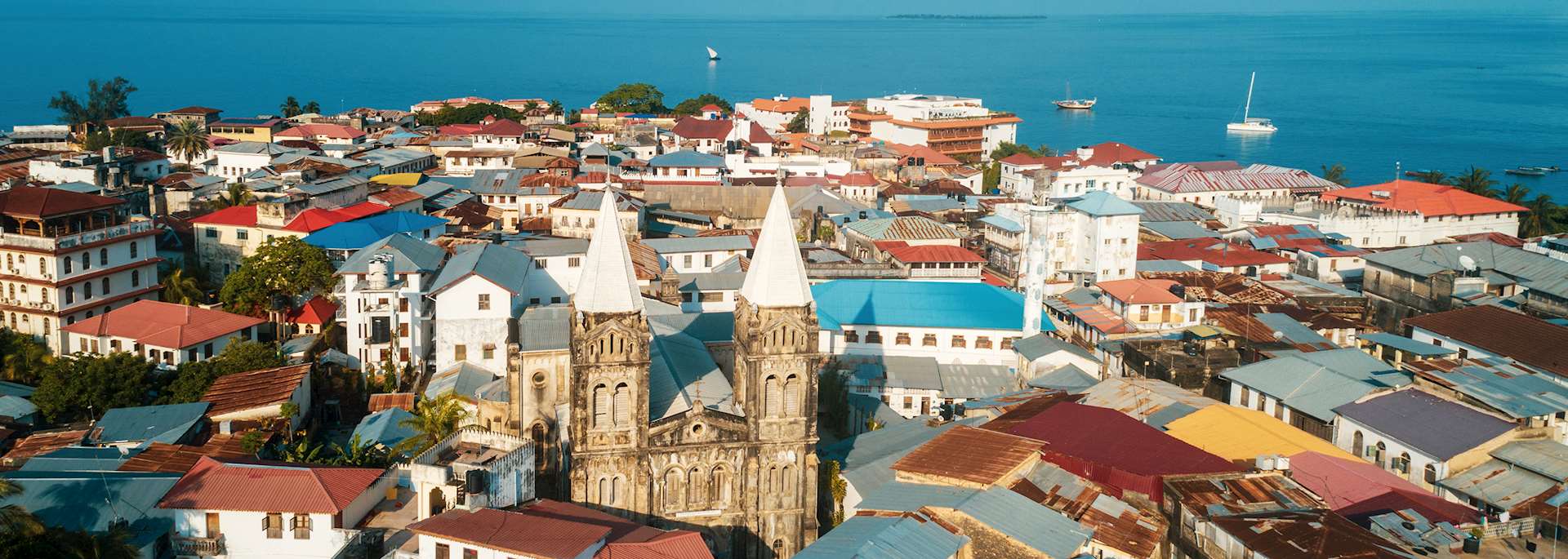
Stone Town stands as the cultural and historical heart of Zanzibar, where centuries of trade, migration, and architecture have shaped a unique coastal city. Located on the western coast of Unguja Island, Stone Town blends Arab, Persian, Indian, and European influences into a dense urban landscape of narrow streets, carved doors, and coral stone buildings. It remains one of East Africa’s most distinctive heritage sites and a key starting point for exploring Zanzibar.
Stone Town forms the old quarter of Zanzibar City and holds UNESCO World Heritage status due to its historical and architectural significance. The town developed as a major trading hub along the Indian Ocean, linking Africa, the Middle East, and Asia.
The layout feels compact and layered, with winding alleys, hidden courtyards, and buildings that rise close together. Despite its age, the town remains active, with markets, homes, shops, and cultural sites all functioning within the same space.
Why Book This Destination
Explore More about Stone Town Zanzibar
Historical Significance
Stone Town’s history reflects Zanzibar’s role in regional and global trade. The town became a center for the spice trade, as well as a key location in the Indian Ocean trading network.
Arab traders, particularly from Oman, influenced much of the town’s development, including its architecture and culture. Later, European powers left their mark through administrative buildings and infrastructure.
The town also holds a complex history linked to the slave trade. Sites such as the former slave market and memorial serve as reminders of this past, offering important historical context for visitors.
Architecture and Urban Character
Stone Town’s architecture stands out for its blend of styles and materials. Buildings use coral stone, which gives the town its name and distinctive appearance.
Carved wooden doors remain one of the most recognizable features. These doors often include intricate designs that reflect cultural identity, social status, and historical influence. Balconies, inner courtyards, and decorative details add depth to the urban landscape.
The narrow streets create shade and a sense of enclosure, which contrasts with the open coastline just a short distance away.
Key Attractions in Stone Town
Stone Town offers a range of historical and cultural sites that reflect its layered past.
House of Wonders (Beit-al-Ajaib)
This building once served as a ceremonial palace and later became a museum. It stands as one of the most prominent landmarks along the waterfront.
Old Fort (Ngome Kongwe)
The Old Fort remains one of the oldest structures in Stone Town. It now hosts cultural events, markets, and exhibitions within its walls.
Former Slave Market and Anglican Cathedral
This site provides insight into Zanzibar’s role in the slave trade. The cathedral stands on the location of the former market, and a memorial marks its historical importance.
Freddie Mercury House
This building is associated with the birthplace of the famous musician. It attracts visitors interested in cultural and modern history.
Forodhani Gardens
Located along the seafront, Forodhani Gardens transforms into a lively food market in the evening. It offers local dishes and a vibrant atmosphere.
Markets and Local Life
Stone Town’s markets reflect daily life and local culture. Darajani Market stands as the main market, where vendors sell fresh produce, spices, seafood, and household goods.
Walking through these markets provides a direct connection to local routines and traditions. The environment feels active and authentic, with a mix of sounds, colors, and movement.
Street life extends beyond the markets, with small shops, cafes, and craftsmen working within the narrow streets.
Cultural Experience
Stone Town offers a strong cultural experience shaped by its diverse influences. Swahili culture forms the foundation, enriched by Arab, Indian, and African traditions.
Visitors often explore the town through guided walking tours, which provide context for its history and architecture. Music, art, and local cuisine add further depth to the experience.
The town’s pace encourages exploration, with each street revealing new details and hidden spaces.
Coastal Setting and Waterfront
Stone Town sits directly along the Indian Ocean, with a waterfront that contrasts with the dense urban core. The seafront provides open space, ocean views, and access to dhow boats.
Sunset views from the waterfront remain a highlight, as the sky changes color over the ocean. Boat trips often depart from this area, connecting visitors to nearby islands and marine activities.
Accommodation Style and Atmosphere
Accommodation in Stone Town includes boutique hotels, restored heritage buildings, and small guesthouses. Many properties occupy historic structures, preserving architectural features while adding modern comfort.
Rooms often include high ceilings, wooden details, and traditional design elements. The atmosphere feels intimate and character-driven, rather than resort-like.
Staying within Stone Town allows visitors to experience the environment more fully, especially during early mornings and evenings.
Who Should Visit Stone Town
Stone Town suits travelers interested in history, culture, and architecture. It appeals to those who enjoy walking, exploring, and learning about a destination’s past.
The town also works well as part of a broader itinerary, often combined with beach stays in other parts of Zanzibar. It may feel less suitable for travelers seeking quiet beach relaxation, as the environment remains active and urban.
Planning Your Visit
A stay of one to two nights allows enough time to explore Stone Town’s main attractions. Guided tours provide valuable insight into the town’s history and layout.
The best time to visit aligns with Zanzibar’s dry seasons, from June to October and December to February. Walking remains the primary way to explore, so comfortable footwear and light clothing are recommended.
Combining Stone Town with beach destinations such as Nungwi, Kendwa, or Matemwe creates a balanced Zanzibar itinerary.
In Africa’s national parks, every sunrise paints a masterpiece — where the wild’s call echoes across endless horizons. Visiting these parks is to witness nature in its purest form, a timeless dance that stirs the soul.




Steps to Book Your Southern Africa Tour
Choose Your Adventure
Confirm Your Booking
Begin Your Journey
Ready to plan your tailor-made safari?