
Cape Town
May 21, 2025
Kenya Safaris
May 21, 2025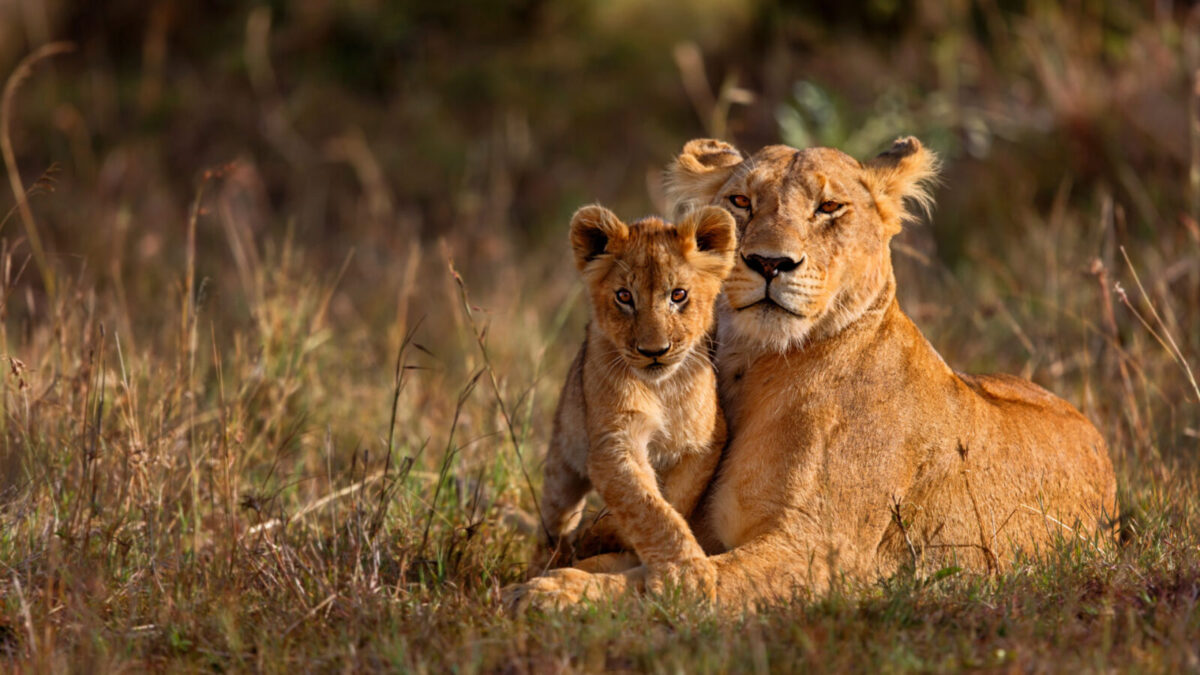
Kruger National Park
Kruger National Park stands as South Africa’s most famous wildlife destination and one of Africa’s largest game reserves. Located in the northeastern part of the country, the park offers incredible wildlife encounters, diverse landscapes, and unforgettable safari experiences.
Covering almost 20,000 square kilometers, Kruger National Park protects one of Africa’s richest ecosystems. The park provides a natural home for thousands of animals, including elephants, lions, leopards, buffaloes, rhinos, and hundreds of bird species.
Visitors from around the world travel to Kruger for its exceptional game viewing, flexible safari options, and remarkable conservation history. Whether you prefer a luxury lodge experience, a guided safari, or a self-drive adventure, Kruger offers something for every traveler.
The park combines wilderness, adventure, and comfort, making it one of the best destinations for a South Africa safari.
Why Book This Destination
Explore More about Kruger National Park
Location and Accessibility of Kruger National Park
Kruger National Park stretches across Limpopo and Mpumalanga provinces in northeastern South Africa. The park shares borders with Zimbabwe to the north and Mozambique to the east, forming part of the Greater Kruger conservation landscape.
Several airports provide access to the park. Many international visitors fly into Johannesburg and connect to nearby airports such as Kruger Mpumalanga International Airport, Hoedspruit Airport, or Skukuza Airport.
The drive from Johannesburg to Kruger takes approximately four to six hours, depending on the entrance gate and destination inside the park.
Kruger has several entrance gates, including Phalaborwa, Orpen, Paul Kruger, and Malelane. Each gate provides access to different landscapes and wildlife areas.
The History of Kruger National Park
The history of Kruger National Park began in 1898 when Paul Kruger, the president of the South African Republic, created the Sabie Game Reserve. The goal was to protect declining wildlife populations caused by uncontrolled hunting.
Over the years, additional protected areas joined together, creating the modern Kruger National Park in 1926. The park continued to expand and became one of Africa’s leading conservation areas.
Today, Kruger forms part of the Great Limpopo Transfrontier Conservation Area. This partnership connects protected areas across South Africa, Mozambique, and Zimbabwe, allowing wildlife to move across larger natural landscapes.
The park’s long conservation history makes it one of the most important wildlife areas on the African continent.
Wildlife in Kruger National Park
The incredible wildlife remains the main reason travelers choose Kruger National Park safaris. The park supports more large mammal species than almost any other African reserve.
The famous Big Five dominate safari experiences. Visitors have excellent opportunities to see elephants, lions, leopards, buffaloes, and rhinos.
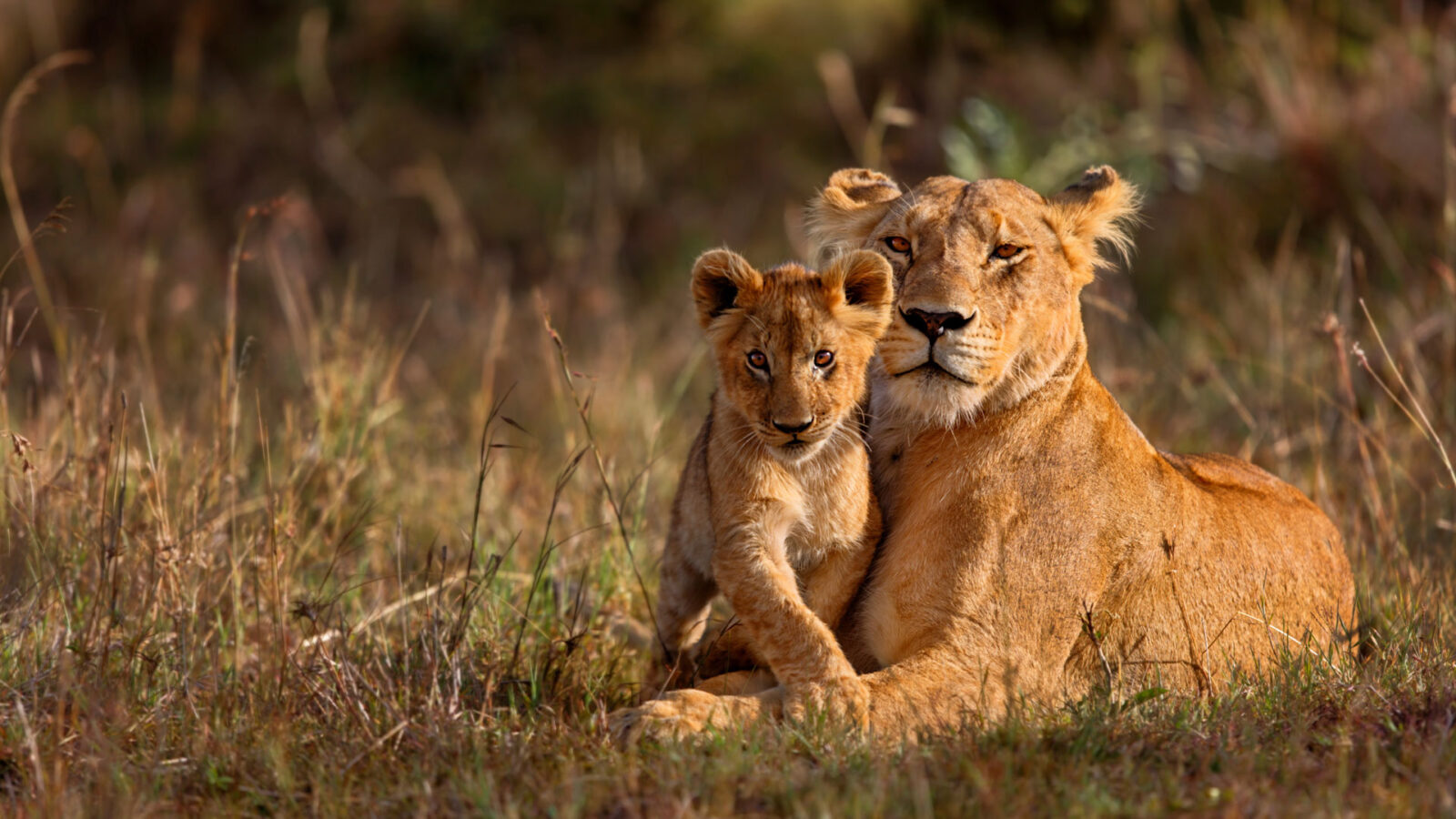
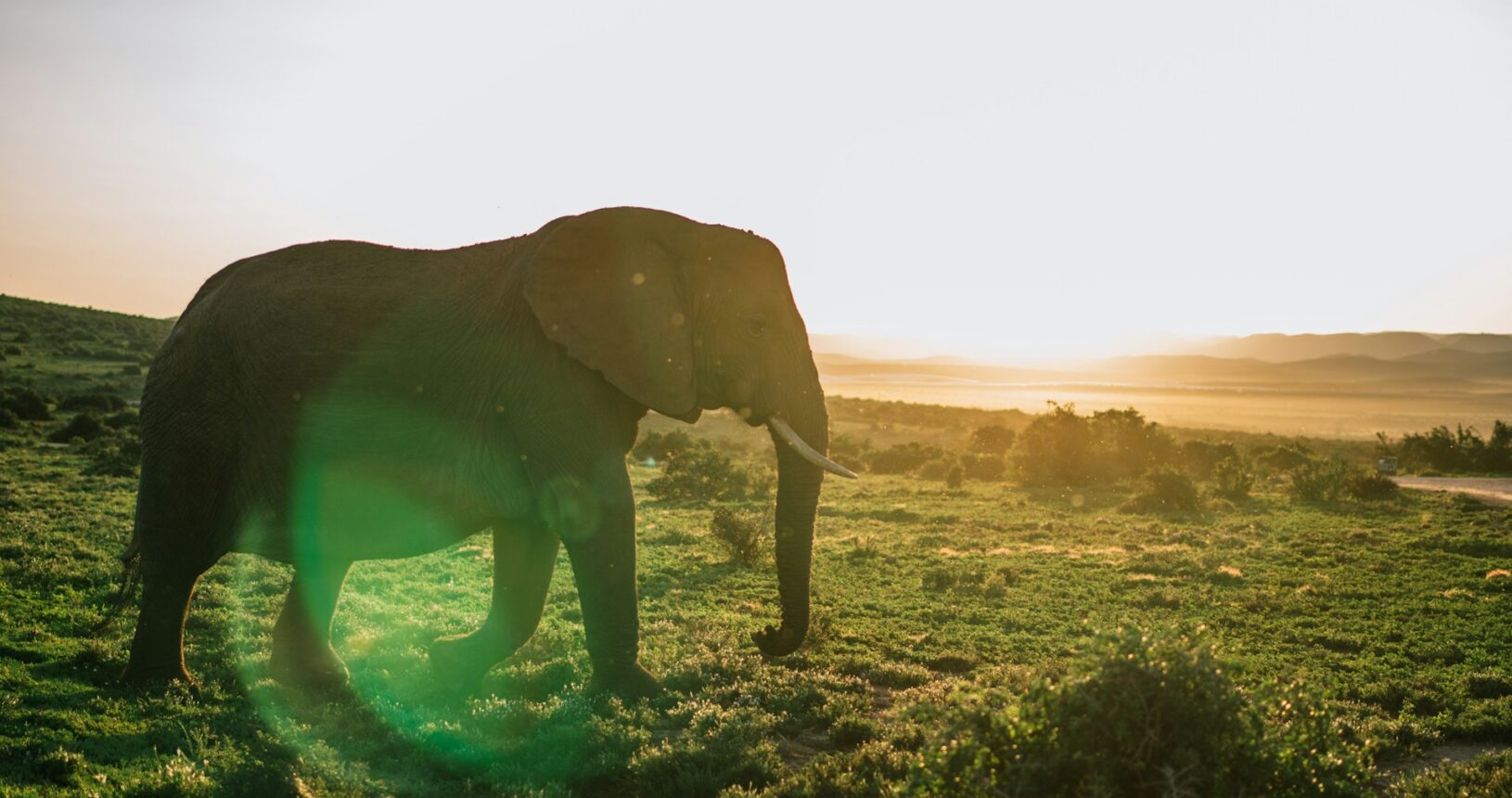
Elephants move through forests and open plains in large family groups. Lions often rest beneath trees during the day before becoming active in the evening. Leopards remain more difficult to find but create some of the most exciting sightings when they appear.
Buffalo herds gather near water sources, while both black and white rhinos roam different areas of the park.
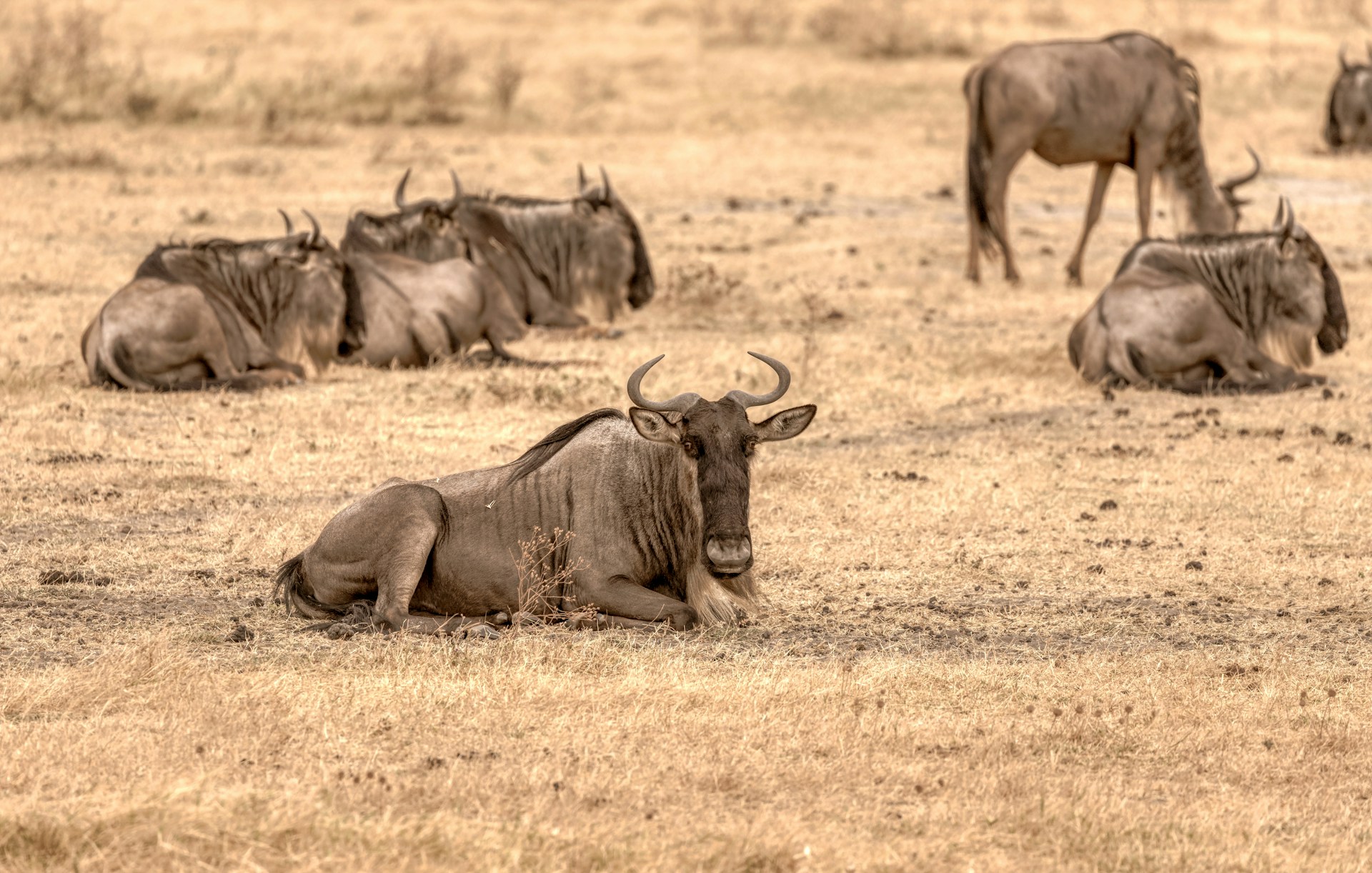
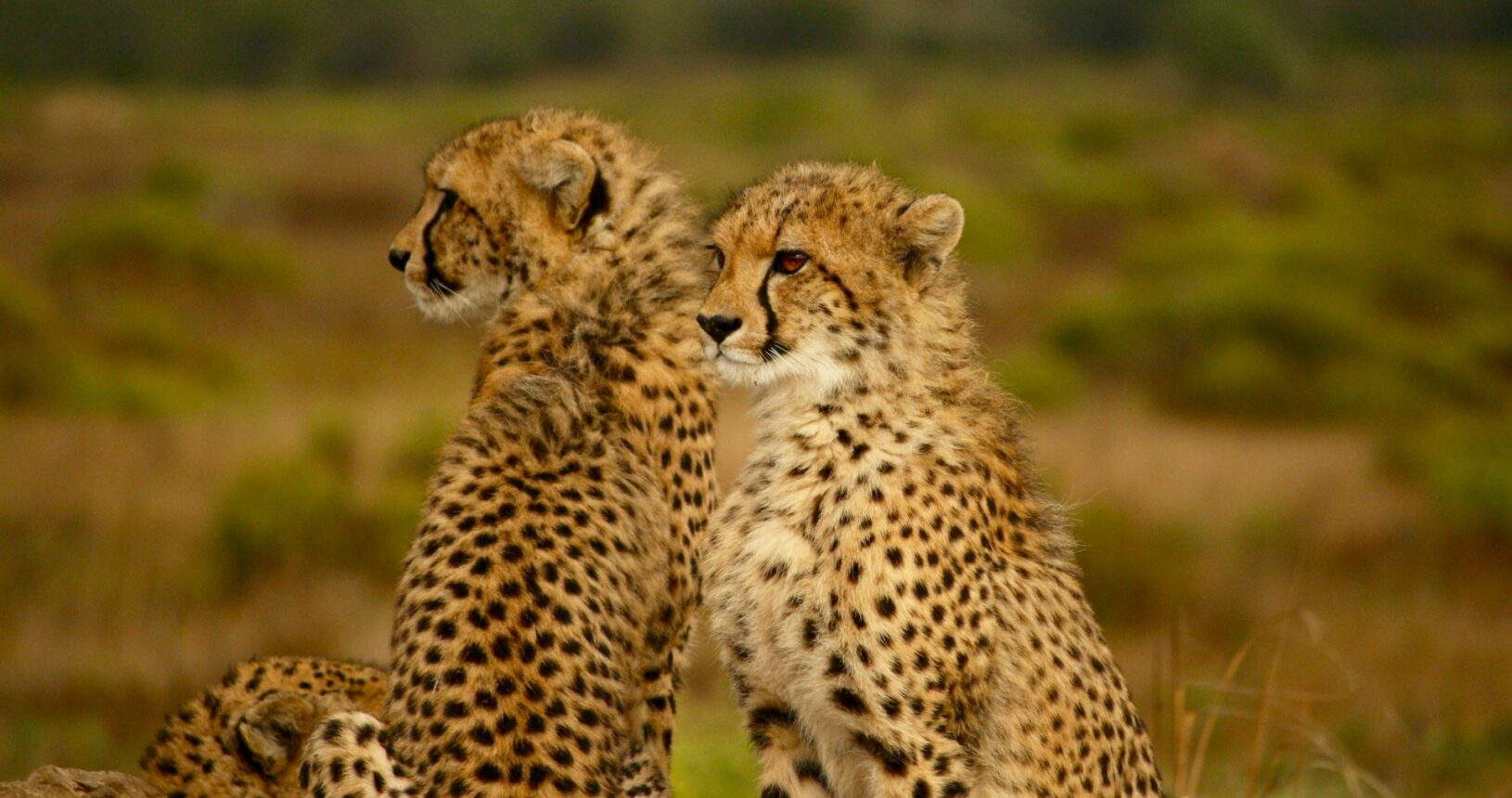
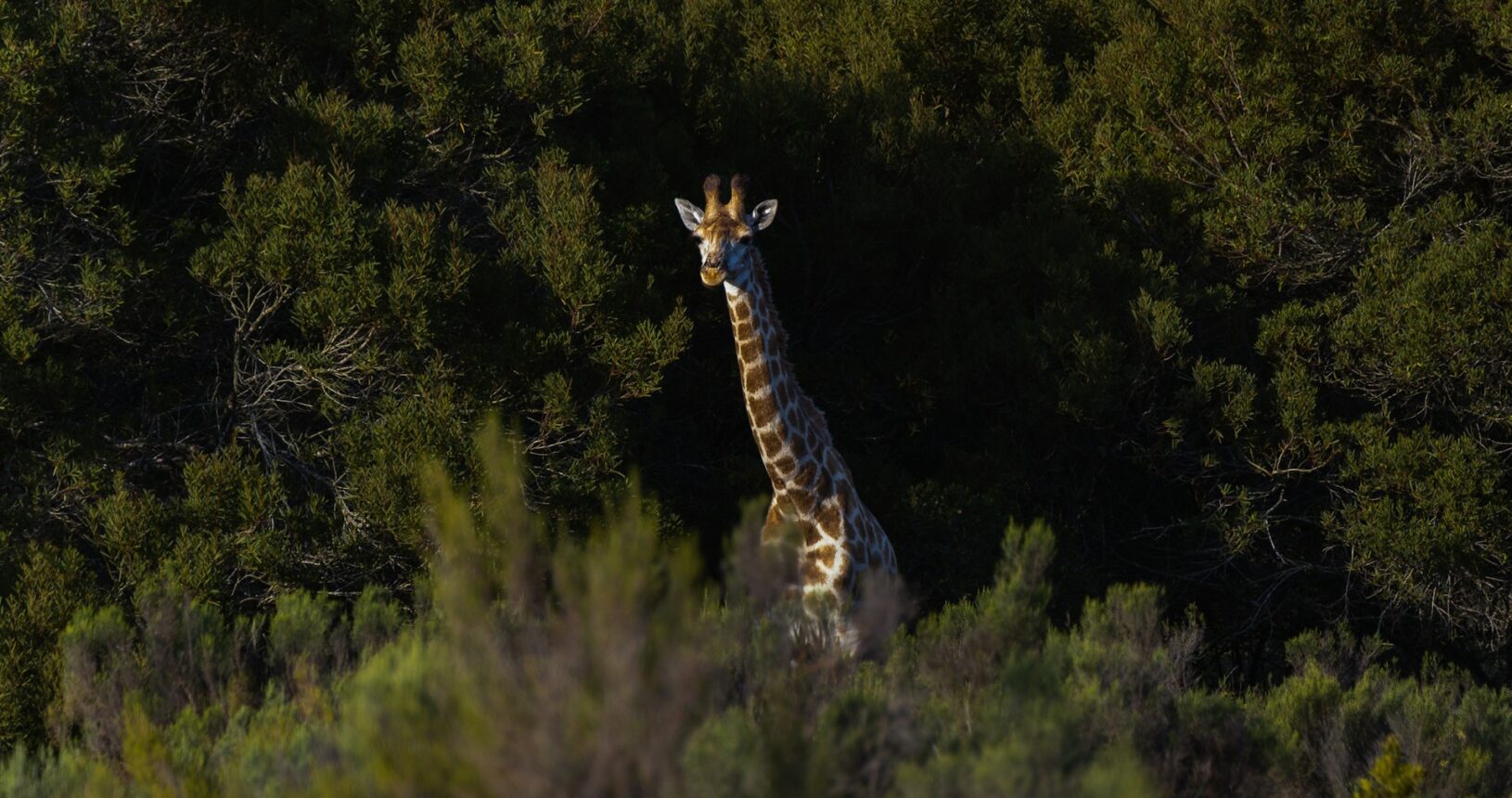
Kruger also protects many other animals, including giraffes, zebras, wildebeests, hippos, cheetahs, hyenas, wild dogs, warthogs, and numerous antelope species.
Every game drive brings new possibilities because wildlife moves freely across this enormous wilderness.
The Big Five Safari Experience
A Big Five safari in Kruger National Park creates some of Africa’s most memorable wildlife moments. The park provides excellent conditions for spotting these iconic animals throughout the year.
Early morning and afternoon game drives offer the best opportunities because many animals become active during cooler hours.
Experienced guides track animal movements, interpret behavior, and share information about the ecosystem. Their knowledge helps visitors understand the relationships between predators, prey, plants, and landscapes.
Seeing a lion pride resting near a waterhole, elephants crossing the road, or a leopard moving through the trees creates powerful memories that last a lifetime.
Bird Watching in Kruger National Park
Kruger National Park is a paradise for bird lovers. The park supports more than 500 bird species across different habitats.
Large birds such as martial eagles, bateleurs, ground hornbills, and vultures attract photographers and bird enthusiasts. Colorful species such as lilac-breasted rollers, bee-eaters, and kingfishers add incredible beauty to the landscape.
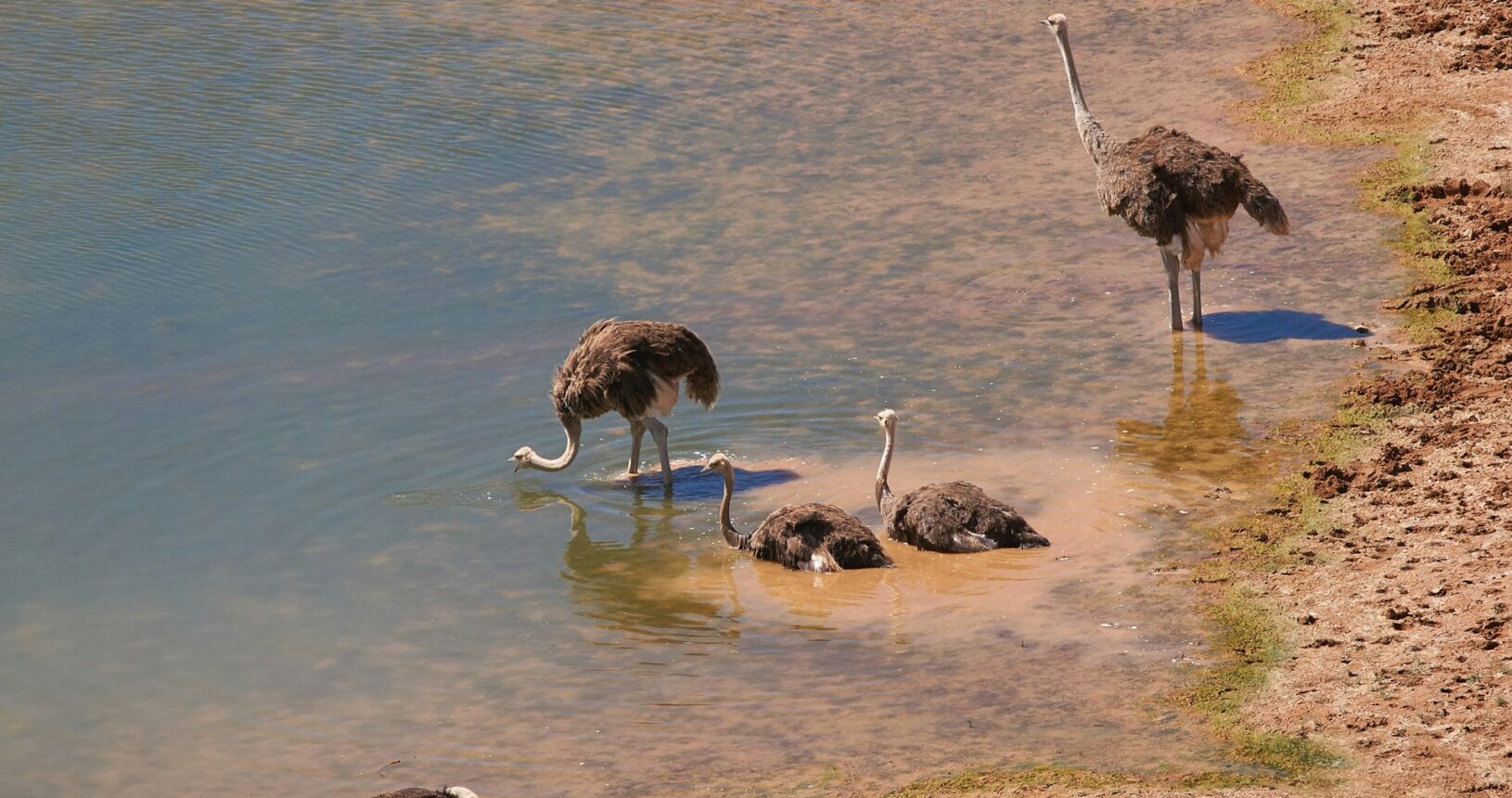
The park also provides important habitats for migratory birds during the summer months. Rivers, wetlands, and forests attract a wide variety of waterbirds and woodland species.
Bird watching adds another dimension to the safari experience and allows visitors to appreciate the park’s complete biodiversity.
Safari Activities in Kruger National Park
Visitors can enjoy many ways to explore Kruger National Park. The variety of activities allows travelers to experience the wilderness at their preferred pace.
Guided game drives remain the most popular activity. Professional rangers use their knowledge of animal behavior and the environment to provide exciting wildlife encounters.
Morning drives begin before sunrise when predators often remain active. Evening drives continue after sunset, offering opportunities to see nocturnal animals.
Self-drive safaris provide freedom and flexibility. The park’s extensive road network allows visitors to explore different areas while creating their own adventure.
Guided bush walks offer a closer connection with nature. Rangers explain animal tracks, plants, insects, and survival skills used by wildlife.
Some private reserves near Kruger also provide exclusive activities such as night drives, photographic safaris, and conservation experiences.
Landscapes and Ecosystems of Kruger National Park
The landscapes of Kruger National Park create a beautiful and diverse environment for wildlife. The park includes savannah plains, river valleys, woodlands, granite hills, and dense forests.
The southern region features higher rainfall and supports large numbers of animals. This area often provides excellent Big Five sightings and attracts many visitors.
The central region contains open grasslands and is known for large herbivore populations. The northern region offers a quieter safari experience with unique landscapes and fewer visitors.
Major rivers, including the Sabie, Olifants, and Limpopo Rivers, support wildlife throughout the year. These waterways create important habitats for elephants, hippos, crocodiles, and many bird species.
Luxury Safari Lodges Around Kruger National Park
Kruger National Park luxury safaris provide travelers with comfort and exclusivity while staying close to nature. Private reserves surrounding the park offer some of South Africa’s finest safari lodges.
Areas such as Sabi Sand, Timbavati, and Manyeleti share unfenced borders with Kruger. Wildlife moves freely between these reserves, creating exceptional game viewing opportunities.
Luxury lodges provide spacious suites, private decks, swimming pools, gourmet dining, and personalized safari experiences. Many properties focus on conservation and sustainable tourism.
Inside Kruger itself, visitors can choose from comfortable rest camps and lodges that provide easy access to wildlife areas.
Best Time to Visit Kruger National Park
Travelers can visit Kruger National Park throughout the year. Each season provides different advantages.
The dry season from May to September offers some of the best wildlife viewing conditions. Animals gather around rivers and waterholes, while thinner vegetation improves visibility.
Winter temperatures remain comfortable during the day, making game drives enjoyable. Early mornings and evenings can feel cold, so warm clothing helps during safari activities.
The summer months from October to April bring green landscapes, newborn animals, and excellent bird watching. Afternoon thunderstorms create dramatic skies and beautiful photography opportunities.
The best time depends on your interests, but Kruger provides rewarding experiences in every season.
Conservation in Kruger National Park
Conservation remains at the heart of Kruger National Park. The park protects important habitats and supports programs that safeguard endangered species.
Anti-poaching teams work continuously to protect rhinos and other vulnerable wildlife. Researchers monitor animal populations and study ecosystem changes to improve conservation strategies.
The park also supports community development programs that connect conservation with local livelihoods.
Responsible tourism plays an important role in protecting Kruger’s future. Visitors contribute by choosing sustainable travel experiences and respecting wildlife guidelines.
Why Visit Kruger National Park?
Kruger National Park offers one of the most complete safari experiences in Africa. Its incredible wildlife diversity, beautiful landscapes, and excellent tourism facilities make it a top choice for travelers worldwide.
The park suits every type of visitor, from first-time safari guests to experienced wildlife photographers. Families enjoy its accessibility, couples appreciate romantic wilderness experiences, and adventure travelers value its endless exploration opportunities.
A safari in Kruger provides a true connection with Africa’s wild landscapes and unforgettable animals.
Plan Your Safari
A journey through Kruger National Park reveals the beauty, power, and diversity of South Africa’s wilderness. From close encounters with elephants and lions to peaceful moments overlooking the African bush, every experience creates lasting memories.
Include Kruger National Park in your South Africa safari itinerary and discover why this legendary destination remains one of the world’s greatest wildlife experiences.
In Africa’s national parks, every sunrise paints a masterpiece — where the wild’s call echoes across endless horizons. Visiting these parks is to witness nature in its purest form, a timeless dance that stirs the soul.
Steps to Book Your Southern Africa Tour
Choose Your Adventure
Confirm Your Booking
Begin Your Journey
Ready to plan your tailor-made safari?