
Languages in Zambia
February 1, 2026
Packing List for Zambia
February 1, 2026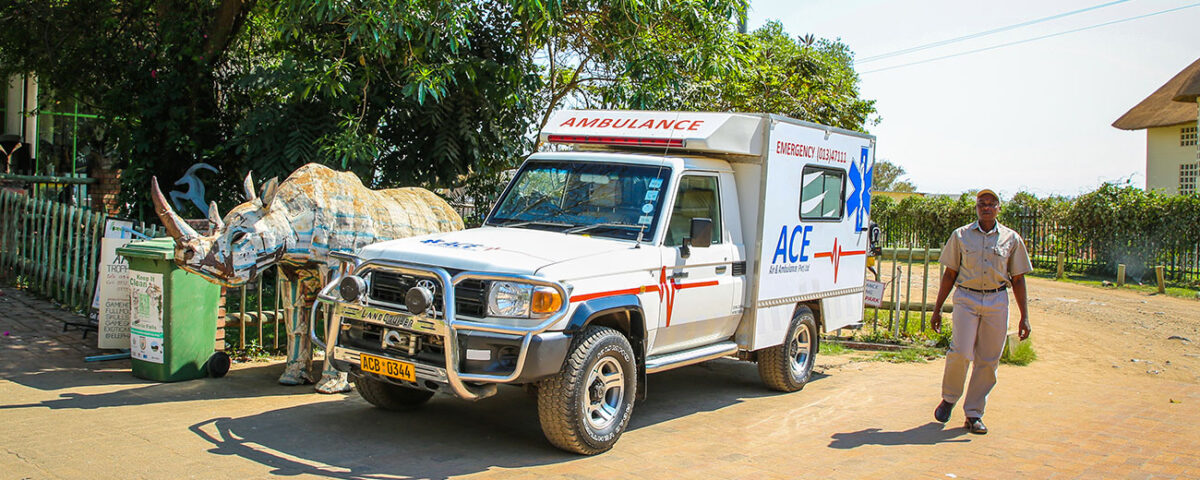
Medical Emergencies in Zambia
Travellers visiting Zambia should understand how medical emergencies are handled before beginning their journey, especially when planning safaris in remote national parks and wilderness regions. Zambia offers remarkable safari experiences across areas such as South Luangwa, Lower Zambezi, Kafue, and Liuwa Plain, but many of these destinations sit far from major hospitals and advanced medical facilities. Good preparation helps travelers respond quickly and confidently if health issues arise during the trip.
Most visitors complete their journeys in Zambia without major medical problems, particularly when they prepare properly and follow safety guidance from safari operators and travel professionals. However, unexpected situations can still occur. Common travel-related medical issues include dehydration, stomach illness, insect bites, minor injuries, allergic reactions, heat exhaustion, or malaria symptoms. More serious emergencies may require evacuation from remote safari areas to larger medical centers in Lusaka, Livingstone, or neighboring countries such as South Africa.
Understanding Zambia’s medical infrastructure, emergency evacuation systems, travel insurance requirements, and safari health precautions can make a significant difference during an emergency situation.
Why Book This Destination
Explore More about Medical Emergencies in Zambia
Medical Facilities in Zambia
Healthcare Standards Vary by Region
Zambia’s medical facilities differ greatly between urban areas and remote safari regions. Lusaka and Livingstone contain the country’s strongest private hospitals and clinics, where travelers can access better equipment, trained specialists, and emergency treatment services. These facilities handle the most serious cases involving tourists and international travelers.
In contrast, smaller towns and rural safari areas often have limited medical infrastructure. Clinics near national parks may only provide basic treatment and stabilization before transferring patients to larger hospitals.
Travellers staying in luxury safari lodges usually benefit from staff trained in emergency communication and first response procedures. Many safari operators maintain direct links with evacuation providers and medical support services in case emergencies occur during wilderness activities.
The remote nature of Zambia’s safari destinations means that serious medical care may require air evacuation depending on the location and severity of the emergency.
Emergency Evacuation During Safaris
Air Evacuation Plays an Important Role
Many safari regions in Zambia sit several hours away from major hospitals by road. Because of this, emergency evacuation systems form a critical part of safari safety planning.
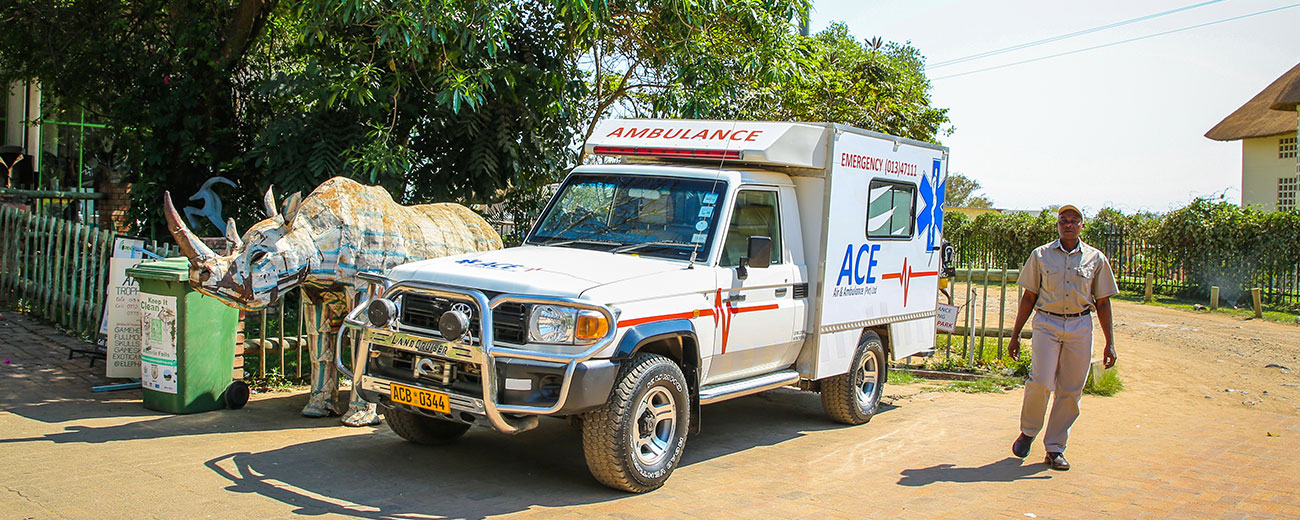
Air evacuation services transport seriously ill or injured travelers from remote camps and airstrips to medical facilities in Lusaka, Livingstone, or neighboring countries with advanced healthcare systems.
Safari camps and lodges usually coordinate these evacuations through specialized emergency response providers. In severe situations, aircraft can land on nearby bush airstrips to transfer patients quickly.
This system works effectively in Zambia’s safari industry, but evacuation costs can become extremely expensive without proper insurance coverage.
Travellers should never visit Zambia for safari travel without comprehensive medical travel insurance that includes emergency evacuation cover.
Why Travel Insurance is Essential
Medical Coverage Protects Travellers Financially and Logistically
Travel insurance remains one of the most important parts of safari preparation in Zambia. A strong insurance policy should include emergency medical treatment, hospitalization, evacuation flights, trip interruption, and repatriation if necessary.
Without proper coverage, emergency evacuation alone can cost thousands of dollars depending on location and medical complexity.
Insurance providers also help coordinate logistics during emergencies, including communication with hospitals, safari operators, and family members.
Travellers should review policy details carefully before departure to confirm that safari activities, bush flights, walking safaris, and adventure activities remain fully covered.
Policies designed specifically for adventure or safari travel usually provide stronger protection than standard holiday insurance plans.
Common Medical Issues Travellers Face
Most Problems Involve Preventable Conditions
The majority of medical issues affecting travelers in Zambia involve manageable and preventable conditions rather than severe emergencies.
Dehydration occurs frequently because safari travelers spend many hours outdoors under strong African sun exposure. Long game drives, walking safaris, and river activities increase fluid loss, especially during hotter months between September and November.
Stomach illness may develop from contaminated food or water, although reputable safari lodges maintain strong hygiene standards. Travellers should still drink treated or bottled water and practice good hand hygiene throughout the trip.
Insect bites also remain common, particularly near rivers and wetlands where mosquitoes thrive. Malaria prevention becomes extremely important across much of Zambia, especially in lower-altitude safari regions.
Minor injuries such as cuts, blisters, sprains, or falls may occur during walking safaris or outdoor activities.
Most safari camps carry first aid equipment and maintain communication systems for additional support if required.
Malaria and Fever Symptoms
Travellers Must Take Symptoms Seriously
Malaria remains one of the most important health risks for travelers visiting Zambia. The disease occurs in many safari regions throughout the year, although risk levels vary depending on rainfall and season.
Travelers should take prescribed antimalarial medication exactly as instructed before, during, and after the trip.
Symptoms such as fever, chills, headaches, fatigue, muscle pain, or flu-like illness require immediate medical attention because malaria can worsen quickly if left untreated.
Safari guides and lodge staff understand malaria risks well and usually respond quickly when travelers report symptoms.
Early diagnosis and treatment remain extremely important.
Emergency Communication in Safari Areas
Camps Maintain Strong Communication Systems
Although safari camps often sit in remote wilderness areas, many maintain reliable communication systems using satellite phones, radio networks, or internet-based emergency channels.
Guides and camp managers coordinate directly with evacuation services and nearby medical support providers when emergencies occur.
Travellers should always inform guides or lodge staff immediately if they feel unwell or experience unusual symptoms during safari activities.
Early communication allows faster response and better medical outcomes.
Adventure Activities and Medical Safety
Risk Awareness During Outdoor Activities
Zambia offers many adventure activities, including white-water rafting, canoe safaris, walking safaris, bungee jumping, fishing, and hiking. These experiences remain generally safe when travelers follow professional guidance and safety procedures.
Qualified operators provide safety briefings, equipment, and trained guides before activities begin.
Travellers should still assess their personal fitness levels honestly before participating in physically demanding experiences.
Hydration, sun protection, and awareness of personal medical conditions become especially important during active outdoor travel.
Preparing Before Travel to Zambia
Prevention Reduces Most Health Risks
Proper preparation greatly reduces the likelihood of medical emergencies during travel in Zambia.
Travelers should visit a travel health clinic several weeks before departure to discuss vaccinations, malaria prevention, and destination-specific advice.
Packing a personal medical kit also improves convenience during remote travel. Basic medication for stomach illness, allergies, headaches, and minor injuries often proves useful during safari journeys.
Travelers with chronic medical conditions should carry enough medication for the entire trip along with copies of prescriptions and important medical information.
Good preparation allows travelers to enjoy Zambia’s safari experiences with greater confidence and peace of mind.
Staying Safe During Your Zambia Safari
Simple Habits Improve Health Protection
Simple daily habits can significantly reduce health risks during safari travel.
Travelers should drink plenty of clean water, wear sunscreen regularly, avoid excessive heat exposure, and use insect repellent consistently during evenings.
Following guide instructions also improves safety during wildlife activities and walking safaris.
Most safari camps maintain excellent operational safety standards, but personal awareness remains equally important.
A cautious and prepared traveler usually experiences a smooth and rewarding safari journey in Zambia.
Why Understanding Medical Emergencies Matters
Zambia’s remote wilderness areas create extraordinary safari experiences, but they also require travelers to think carefully about health preparation and emergency response planning. Medical infrastructure works differently in remote safari regions than in urban tourism destinations, so preparation becomes part of responsible travel.
Travellers who understand evacuation procedures, insurance requirements, malaria prevention, and emergency communication systems can explore Zambia’s wilderness with far greater confidence and security.
In Africa’s national parks, every sunrise paints a masterpiece — where the wild’s call echoes across endless horizons. Visiting these parks is to witness nature in its purest form, a timeless dance that stirs the soul.
Steps to Book Your Southern Africa Tour
Choose Your Adventure
Confirm Your Booking
Begin Your Journey
Ready to plan your tailor-made safari?