Zambia Birding
February 1, 2026
Zambia Wellness
February 1, 2026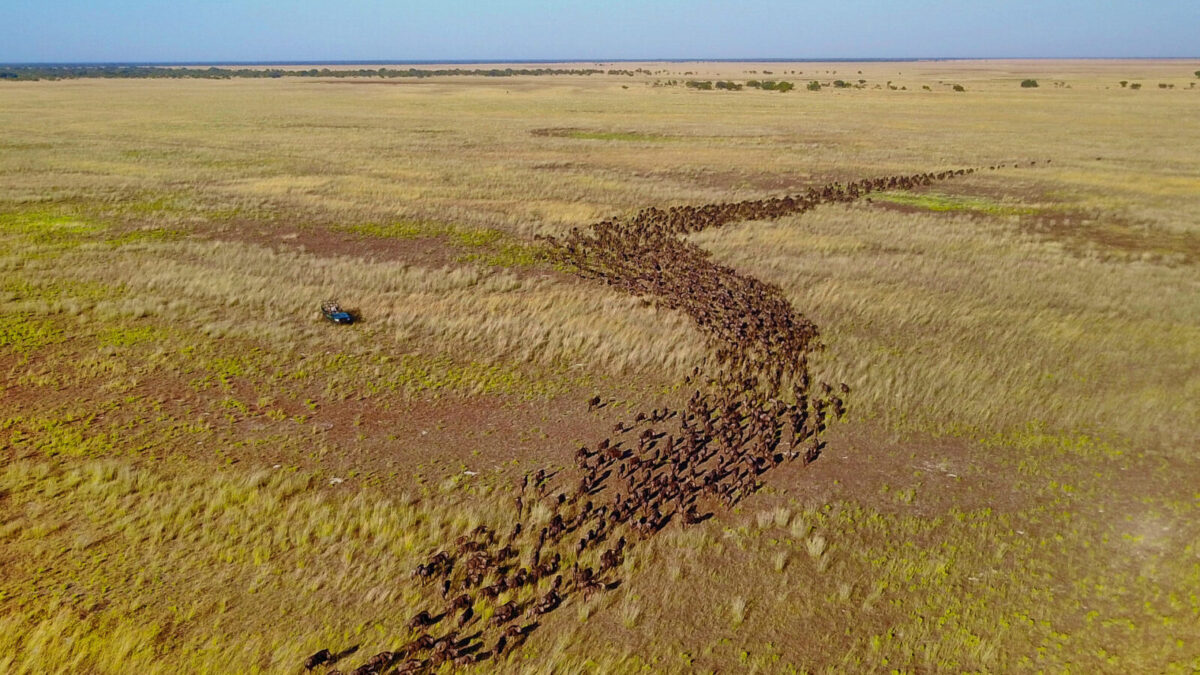
Home / Destinations / Zambia / Experiences in Zambia /
Zambia Migration Safaris
Zambia offers some of Africa’s most remarkable seasonal wildlife migrations, yet many travellers still overlook the country when planning migration safaris. Unlike destinations dominated by a single famous migration route, Zambia delivers several unique migration experiences shaped by rainfall, floodplains, forests, and changing ecological conditions across different regions of the country.
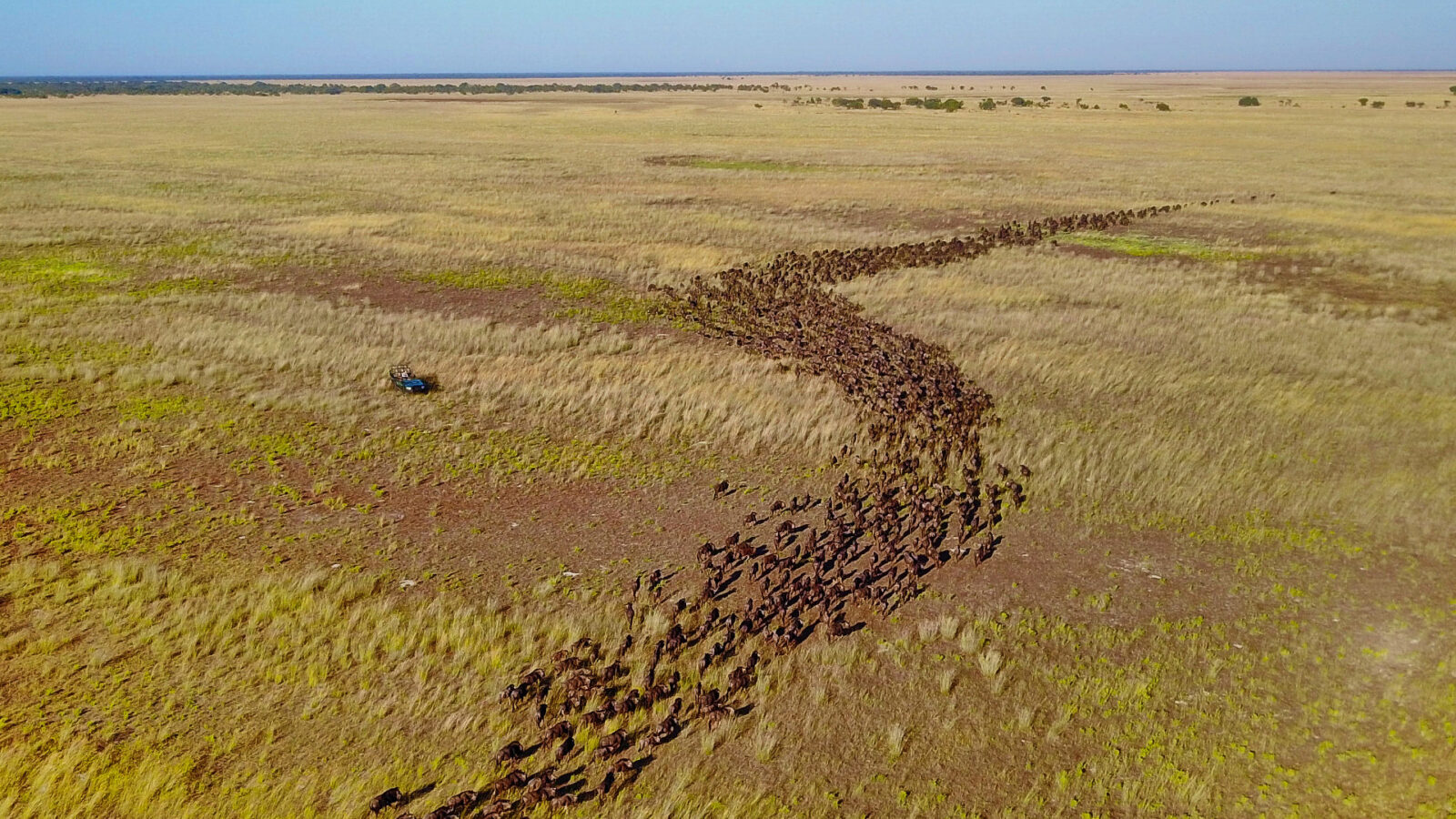
The most famous migration in Zambia takes place in Liuwa Plain National Park, where tens of thousands of wildebeest move across seasonal floodplains in search of fresh grazing after the rains begin. The country also hosts the extraordinary Kasanka bat migration, one of the largest mammal migrations on Earth, where millions of fruit bats gather within a small forest ecosystem during a short seasonal window.
Migration safaris in Zambia focus not only on large animal numbers but also on ecosystem dynamics, predator movement, birdlife activity, and changing wilderness landscapes. Seasonal transformation plays a major role in the safari experience. Floodplains expand, grasslands shift colour, rivers rise and fall, and wildlife adapts constantly to environmental changes.
Zambia’s migration destinations remain far less crowded than East Africa’s famous migration routes. This allows travellers to experience dramatic wildlife events within quieter and more exclusive safari environments.
Why Book This Destination
Explore More about Zambia Migration Safaris
The Liuwa Plain Wildebeest Migration
Zambia’s Most Famous Wildlife Movement
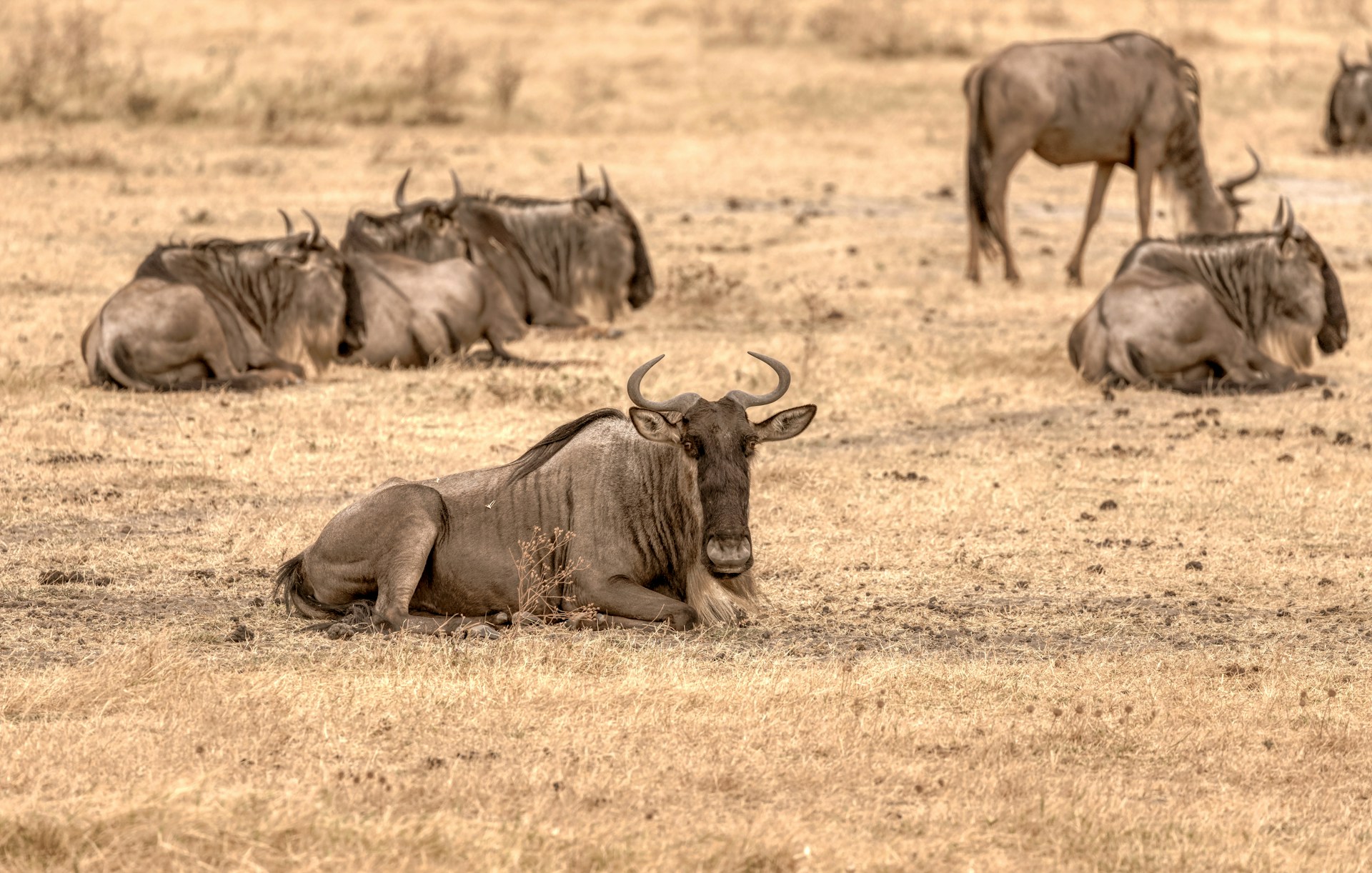
Liuwa Plain National Park hosts Africa’s second-largest wildebeest migration after the Serengeti-Mara ecosystem. Each year, tens of thousands of wildebeest move across the plains in response to rainfall and fresh grass growth, creating one of Southern Africa’s most spectacular wildlife events.
The migration usually intensifies between November and December when early rains transform the dry grasslands into fertile grazing areas. Large herds spread across the floodplains while zebra and other antelope species move alongside them.
Unlike the dramatic river crossings of East Africa, the Liuwa migration feels quieter and more atmospheric. The experience focuses on enormous open landscapes, changing weather systems, and the movement of wildlife beneath dramatic skies.
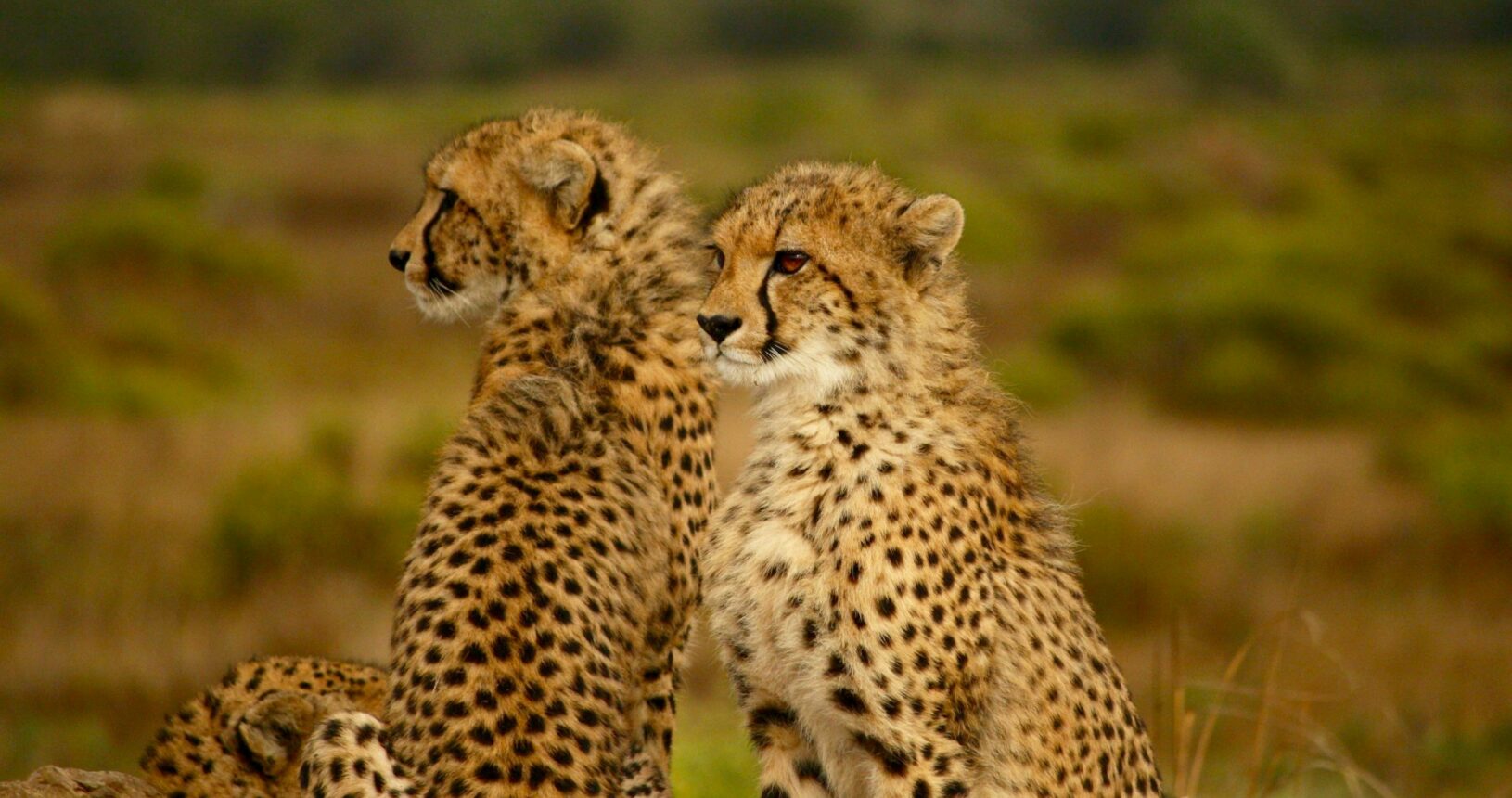
Predators follow the migration closely. Lions, cheetahs, and especially spotted hyenas patrol the plains in search of vulnerable animals moving with the herds.
The remote nature of Liuwa Plain adds another layer to the experience because travellers rarely encounter large safari crowds during migration season.
The Kasanka Bat Migration
One of Earth’s Largest Mammal Migrations
Kasanka National Park hosts one of Africa’s most extraordinary wildlife spectacles between October and December. During this period, millions of straw-coloured fruit bats arrive from across Central Africa and gather within a small swamp forest ecosystem inside the park.
The migration reaches peak intensity around November when the skies fill with bats leaving the forest at sunset to feed across the surrounding landscape. The sheer scale of movement creates a dramatic visual experience unlike any other wildlife event in Africa.
Scientists consider the Kasanka bat migration one of the largest mammal migrations on Earth because of the immense concentration of animals within such a small area.
The migration also attracts predators and birds of prey that feed around the forest during peak bat activity.
Kasanka offers a completely different migration atmosphere compared to traditional safari experiences. Rather than open grasslands and grazing herds, travellers witness dense forest movement, aerial wildlife behaviour, and extraordinary sunset activity.
Photographers and wildlife enthusiasts often consider this one of Zambia’s most unique safari experiences.
Seasonal Wildlife Movement Across Zambia
Dry Season Concentration and Rainy Season Expansion
Migration patterns in Zambia extend beyond the country’s headline wildlife events. Seasonal rainfall strongly influences animal movement throughout nearly all major safari ecosystems.
During the dry season between May and October, wildlife concentrates around permanent rivers, lagoons, and water sources. This creates exceptional game-viewing conditions in places such as South Luangwa, Lower Zambezi, and Kafue National Park.
As the rains arrive, animals spread more widely across the landscape because water and fresh vegetation become available in previously dry areas. Grazing species follow new grass growth, while predators adjust their hunting territories accordingly.
Floodplain systems such as Liuwa Plain and sections of Kafue experience dramatic ecological transformation during seasonal flooding. Bird migration activity also increases significantly during wetter months.
These seasonal wildlife shifts create constantly changing safari experiences throughout the year.
Predator Activity During Migration Seasons
Lions, Hyenas, and Cheetahs on the Plains
Predators respond directly to migration patterns because large herbivore movements create concentrated feeding opportunities.
In Liuwa Plain, spotted hyenas remain especially visible during wildebeest migration periods. The park supports one of Africa’s healthiest hyena populations, and their movement often follows the grazing herds closely.
Lions patrol sections of the floodplain where wildebeest and zebra gather in higher densities after rainfall.
Cheetahs also benefit from the open grassland environment because visibility supports high-speed hunting across the plains.
Predator activity increases dramatically during migration periods because prey becomes more concentrated and movement patterns become more predictable.
This creates excellent opportunities for wildlife photography and behavioural observation.
Bird Migration in Zambia
Seasonal Wetlands and Migratory Species
Bird migration forms another important part of Zambia’s seasonal wildlife cycles. Wetlands, rivers, floodplains, and forests attract migratory bird species from Europe, Asia, and other parts of Africa during the rainy season.
Liuwa Plain, Kafue National Park, Bangweulu Wetlands, and the Zambezi River system all support major seasonal bird activity.
Migratory storks, cranes, pelicans, geese, and waterbirds gather in large numbers around floodplain ecosystems after seasonal rains expand wetland habitats.
Birdwatching during migration seasons becomes especially rewarding because breeding plumage, feeding activity, and wetland diversity all increase significantly during this period.
Zambia’s low tourism density also creates excellent conditions for uninterrupted bird photography and observation.
Best Places for Migration Safaris in Zambia
Liuwa Plain National Park
Liuwa Plain remains Zambia’s leading migration safari destination because of its massive wildebeest movement and remote floodplain wilderness.
Kasanka National Park
Kasanka attracts visitors specifically for the annual fruit bat migration between October and December.
Kafue National Park
Kafue experiences important seasonal wildlife movement linked to floodplains, rivers, and changing grazing conditions.
Bangweulu Wetlands
Bangweulu supports seasonal bird migration activity and unique wetland ecosystems that attract wildlife throughout the year.
Best Time for Zambia Migration Safaris
November to December for Major Migration Events
The wildebeest migration in Liuwa Plain usually peaks between November and December when rainfall transforms the floodplains into fresh grazing areas.
The Kasanka bat migration also reaches peak intensity during this same period, especially in late October and November.
Travellers interested in dry season wildlife concentration rather than migration movement should consider June through October when animals gather near permanent water sources.
Bird migration activity becomes strongest during the rainy season between November and April.
Because migration timing depends on rainfall patterns, yearly conditions can influence exact wildlife movement schedules.
Migration Safari Accommodation in Zambia
Remote Camps and Exclusive Wilderness Lodges
Migration safari accommodation in Zambia focuses strongly on remote wilderness immersion and low visitor density.
King Lewanika Lodge in Liuwa Plain provides luxury access to migration landscapes while maintaining exclusivity and privacy within the floodplain ecosystem.
Kasanka National Park also offers safari camps and lodges positioned close to the bat migration viewing areas.
Accommodation in migration regions usually emphasises guiding quality, photography access, and ecological interpretation rather than large resort-style infrastructure.
Travellers experience quieter and more intimate safari conditions than many mainstream migration destinations elsewhere in Africa.
Why Choose Zambia for a Migration Safari
Zambia offers migration experiences that feel wilder, quieter, and more ecologically immersive than many heavily commercial safari circuits. The country’s migrations connect closely to rainfall, floodplain systems, and seasonal transformation rather than only dramatic herd movement.
Travellers experience huge landscapes, low tourism density, exceptional wildlife behaviour, and diverse ecosystems shaped by changing environmental conditions.
The combination of wildebeest migration, bat migration, predator activity, and seasonal bird movement makes Zambia one of Africa’s most underrated migration safari destinations.
In Africa’s national parks, every sunrise paints a masterpiece — where the wild’s call echoes across endless horizons. Visiting these parks is to witness nature in its purest form, a timeless dance that stirs the soul.
Steps to Book Your Southern Africa Tour
Choose Your Adventure
Confirm Your Booking
Begin Your Journey
Ready to plan your tailor-made safari?