Namibia Wellness
February 1, 2026
Remote Places
February 1, 2026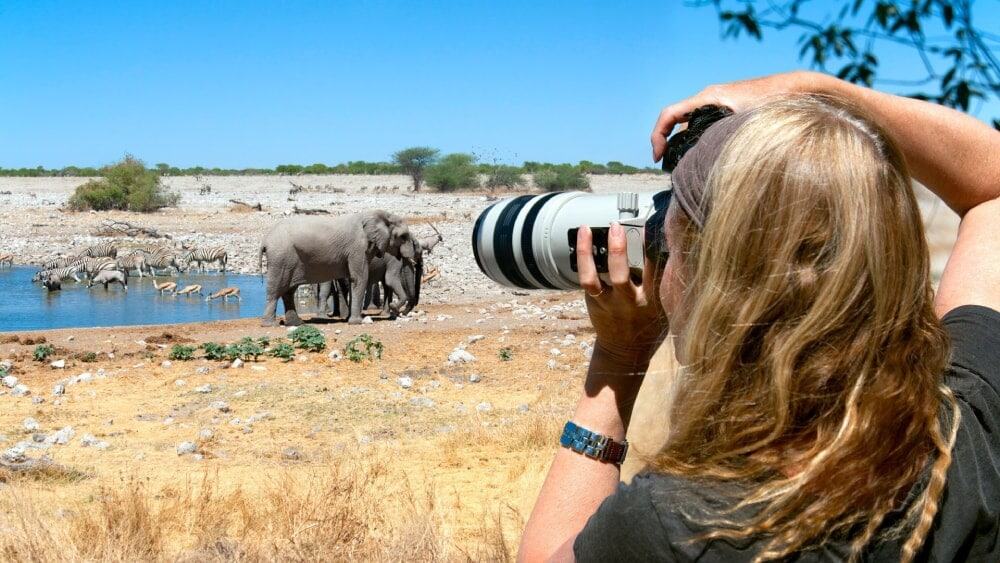
Photographic Namibia
Photographic Namibia refers to the country’s unmatched potential for capturing some of the most dramatic, diverse, and visually striking images in Africa. Namibia combines desert landscapes, wildlife-rich national parks, coastal fog environments, and vast open skies into a single destination that consistently rewards both amateur and professional photographers.
What makes Photographic Namibia truly exceptional is not only the subject matter but also the quality of light, space, and composition. The country’s low population density, clear skies, and expansive scenery allow photographers to work without obstruction, creating images that feel clean, powerful, and timeless.
From the towering red dunes of the Namib Desert to the wildlife gatherings at Etosha waterholes and the haunting shipwrecks of the Skeleton Coast, Namibia offers a continuous visual narrative shaped by contrast and scale.
Why Book This Destination
Explore More about Photographic Namibia
The Namib Desert: A Photographer’s Dream
The Namib Desert forms the foundation of Photographic Namibia, offering some of the most iconic landscape photography opportunities in the world. The dunes of Sossusvlei rise dramatically against deep blue skies, creating strong color contrasts and geometric compositions.
Sunrise and sunset define the best photographic moments in the desert. Early morning light enhances warm tones in the sand, while long shadows add depth and texture. Dune lines shift constantly with wind, allowing photographers to capture ever-changing patterns.
Deadvlei offers one of the most famous compositions in Africa. The stark contrast between blackened ancient trees, white clay ground, and orange dunes creates a surreal scene that has become a global photography icon.
Aerial photography through scenic flights adds another dimension to Photographic Namibia, revealing vast dune fields, dry riverbeds, and abstract desert formations from above.
Wildlife Photography in Etosha National Park
Etosha National Park anchors wildlife-focused Photographic Namibia experiences. The park’s waterhole system creates predictable wildlife gatherings, making it one of the most efficient locations in Africa for capturing diverse species.
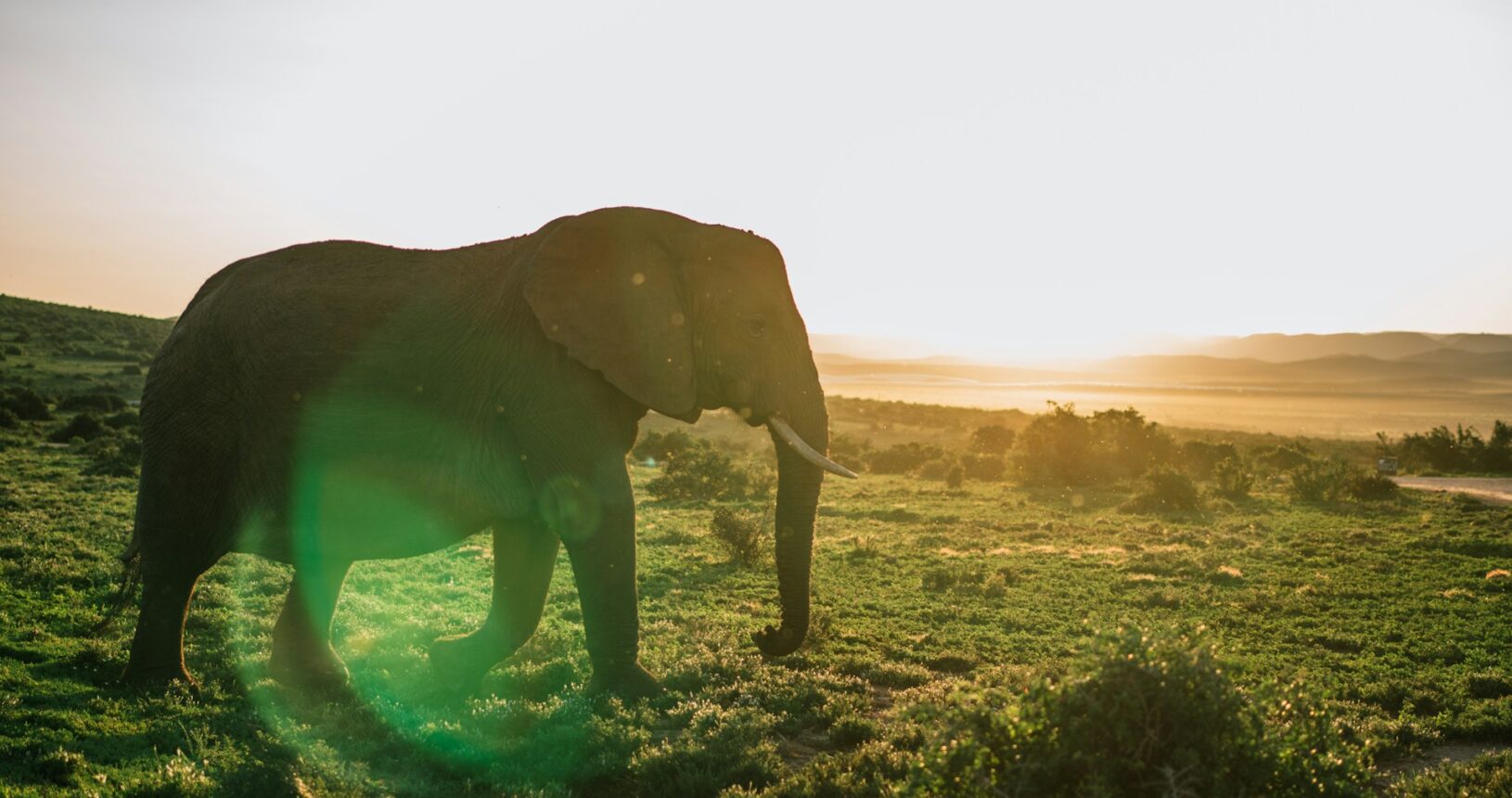
Elephants often dominate compositions, especially when multiple herds gather at waterholes. Their size and movement create powerful focal points in both wide-angle and telephoto photography.
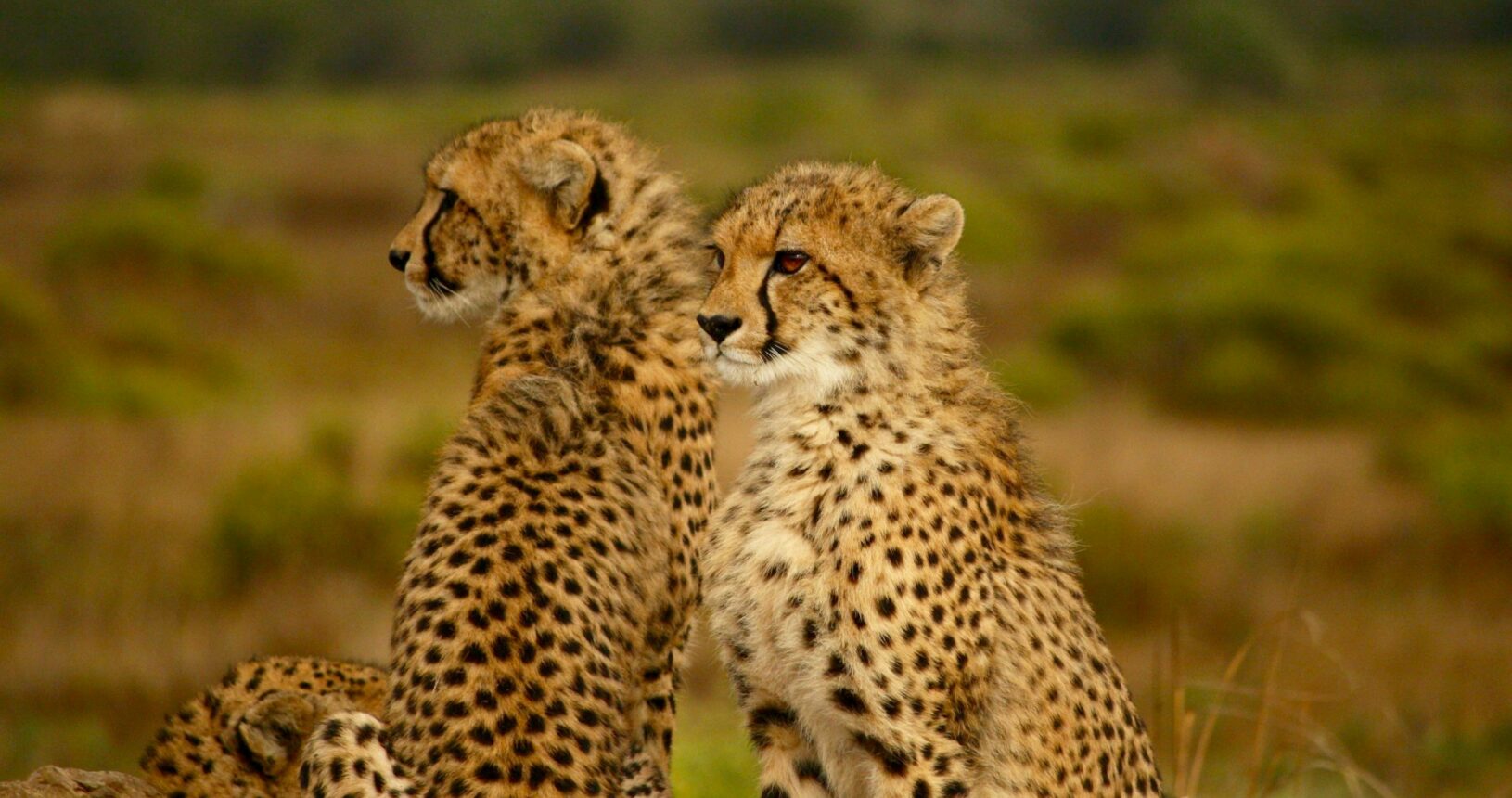
Lions, giraffes, zebras, and antelopes frequently appear in open landscapes where clean backgrounds allow for strong subject isolation. Rhinos, particularly black rhinos, offer rare and valuable photographic opportunities due to their conservation status.
The dry season enhances photography conditions as animals concentrate around limited water sources, increasing interaction opportunities and dynamic behavior capture.
Damaraland: Texture, Light, and Desert Wildlife
Damaraland adds depth to Photographic Namibia through its rugged terrain and unique desert-adapted wildlife. Unlike the smooth dunes of the Namib, Damaraland features rocky mountains, dry riverbeds, and eroded geological formations that create strong textural contrast.
Desert-adapted elephants moving through dusty valleys provide exceptional storytelling opportunities. Their interaction with harsh landscapes creates emotional and environmental context within images.
Black rhino tracking experiences offer rare wildlife photography moments in remote and controlled environments. These encounters often require patience and careful positioning, but they produce some of the most meaningful wildlife images in Africa.
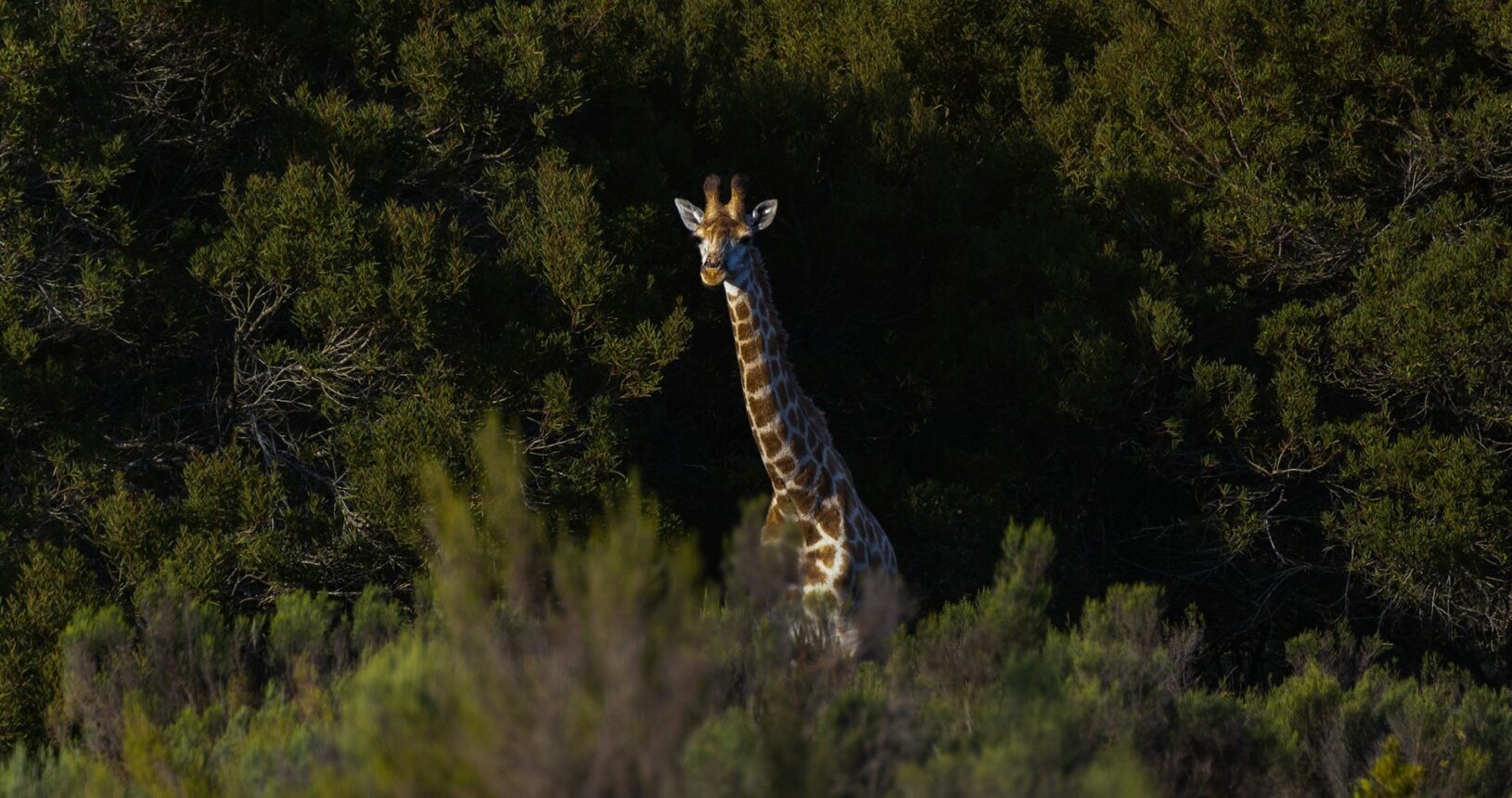
Giraffes against rocky backdrops and golden-hour lighting further enhance the region’s photographic appeal.
Skeleton Coast: Mood, Mystery, and Contrast
The Skeleton Coast represents one of the most atmospheric regions in Photographic Namibia. Thick coastal fog, abandoned shipwrecks, and endless beaches create moody, high-contrast compositions.
Photographers often focus on textures and minimalistic compositions here. The combination of rusted shipwrecks, crashing waves, and drifting sand produces strong visual storytelling opportunities.
Cape fur seal colonies at Cape Cross add movement and density to coastal photography. Thousands of seals gathered along the shoreline create chaotic yet compelling scenes.
Aerial photography over the Skeleton Coast reveals abstract landscapes of dunes meeting ocean, making it one of the most visually unique regions in Africa.
Composition and Light in Namibia Photography
Light defines Photographic Namibia more than any other factor. The country’s clear atmosphere enhances color saturation and shadow definition, especially during early morning and late afternoon hours.
Golden hour light in the desert produces strong directional shadows that emphasize dune shapes and textures. Midday light, while harsh in many destinations, can work in Namibia due to high contrast landscapes and minimal atmospheric haze.
Composition in Namibia often relies on scale, isolation, and negative space. The vastness of the environment allows subjects to stand alone within minimalistic frames, creating powerful visual impact.
Wildlife Behavior and Photographic Timing
Understanding animal behavior enhances Photographic Namibia outcomes. At Etosha, early morning and late afternoon game drives produce the most active wildlife scenes.
Waterholes act as predictable gathering points, allowing photographers to anticipate movement and position themselves for optimal shots. Patience plays a critical role in capturing interactions such as drinking, social behavior, and predator presence.
In desert regions, wildlife movement is often slower and more deliberate due to environmental constraints, requiring careful observation and timing.
Aerial and Drone Photography Opportunities
Aerial perspectives significantly enhance Photographic Namibia. Scenic flights over the Namib Desert, Skeleton Coast, and Sossusvlei reveal patterns and formations invisible from the ground.
Drones also provide unique angles for capturing dune geometry, dry river systems, and coastal transitions. However, drone usage requires strict adherence to national park regulations and permitted zones.
Aerial imagery often highlights Namibia’s abstract beauty, transforming landscapes into natural artwork.
Night Photography and Astrophotography
Namibia offers some of the clearest night skies in the world, making astrophotography a vital part of Photographic Namibia. The absence of light pollution allows the Milky Way to appear vividly across the sky.
Desert lodges often provide ideal conditions for long exposure photography, capturing star trails and celestial movement over iconic landscapes.
The combination of dunes, rock formations, and night skies creates powerful foreground-background relationships in astrophotography compositions.
Best Time for Photographic Namibia
The dry season from May to October offers the most reliable conditions for Photographic Namibia, particularly for wildlife photography in Etosha and clear desert skies.
The green season from November to April introduces dramatic skies, cloud formations, and lush landscapes, which appeal to photographers seeking mood and contrast.
Each season provides distinct photographic opportunities, allowing Namibia to function as a year-round destination for visual storytelling.
Why Namibia Is a World-Class Photography Destination
Photographic Namibia stands out because it combines scale, silence, and diversity within one destination. Few countries offer such a wide range of photographic subjects, from wildlife and desert landscapes to coastal drama and night skies.
The lack of overcrowding allows photographers to work freely, wait for compositions, and capture clean images without interference.
Namibia’s visual identity remains consistent—bold, minimal, and powerful—making it one of the most rewarding countries in the world for photography.
In Africa’s national parks, every sunrise paints a masterpiece — where the wild’s call echoes across endless horizons. Visiting these parks is to witness nature in its purest form, a timeless dance that stirs the soul.
Steps to Book Your Southern Africa Tour
Choose Your Adventure
Confirm Your Booking
Begin Your Journey
Ready to plan your tailor-made safari?