Onguma Private Game Reserve
February 1, 2026
Sossusvlei Safari
February 1, 2026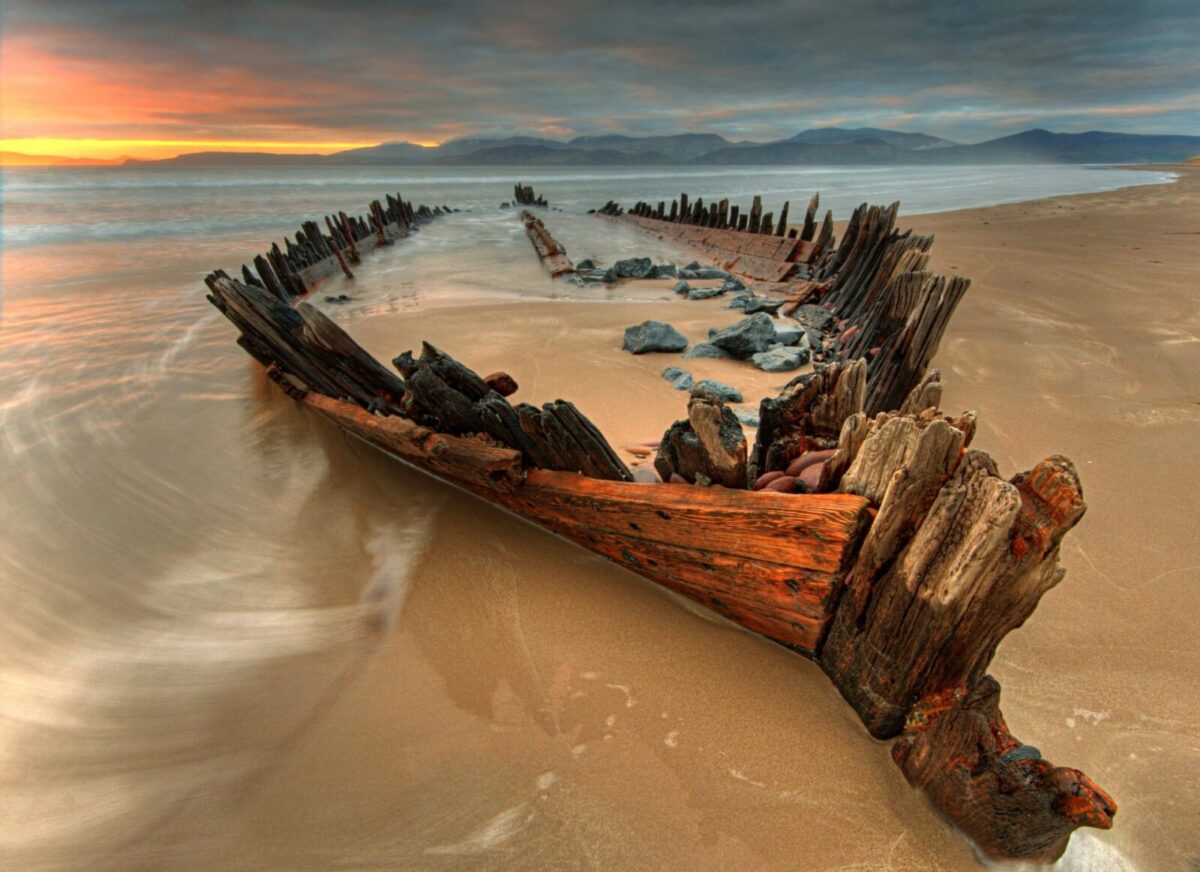
Skeleton Coast
Skeleton Coast is one of Namibia’s most haunting and visually striking destinations, where the Namib Desert meets the cold Atlantic Ocean in a dramatic collision of sand, surf, fog, and wind. Stretching from the Swakopmund area in the south to the Kunene River on the Angolan border in the north, this remote coastline has earned its name from the whale bones, shipwrecks, and harsh conditions that once defined survival here.
Today, Skeleton Coast forms part of a protected national park that preserves one of the most untouched and atmospheric landscapes in Africa. It offers travelers a rare combination of surreal scenery, desert-adapted wildlife, and deeply historical maritime stories.
Unlike traditional safari destinations, Skeleton Coast focuses on raw wilderness, isolation, and the powerful interplay between ocean and desert ecosystems.
Why Book This Destination
Explore More about Skeleton Coast
Where is Skeleton Coast?
Skeleton Coast lies along Namibia’s northwestern Atlantic shoreline. It covers a vast stretch of coastal desert that connects with the Namib-Naukluft region in the south and extends north toward the Kunene River near the Angolan border.
The area is divided into accessible southern sections near Swakopmund and Walvis Bay, and a highly restricted northern section known as the Skeleton Coast National Park Proper. The northern area requires permits or fly-in access and remains one of the least visited regions in Namibia.
Its remoteness contributes significantly to its reputation as one of the world’s last true wilderness coastlines.
The Landscape of Skeleton Coast
The landscape of Skeleton Coast is defined by stark contrasts. Endless sand dunes roll directly into the Atlantic Ocean, creating a meeting point between two powerful natural forces.
Cold Benguela currents generate thick fog that often blankets the coastline, reducing visibility and shaping unique microclimates that sustain life in this otherwise harsh environment.
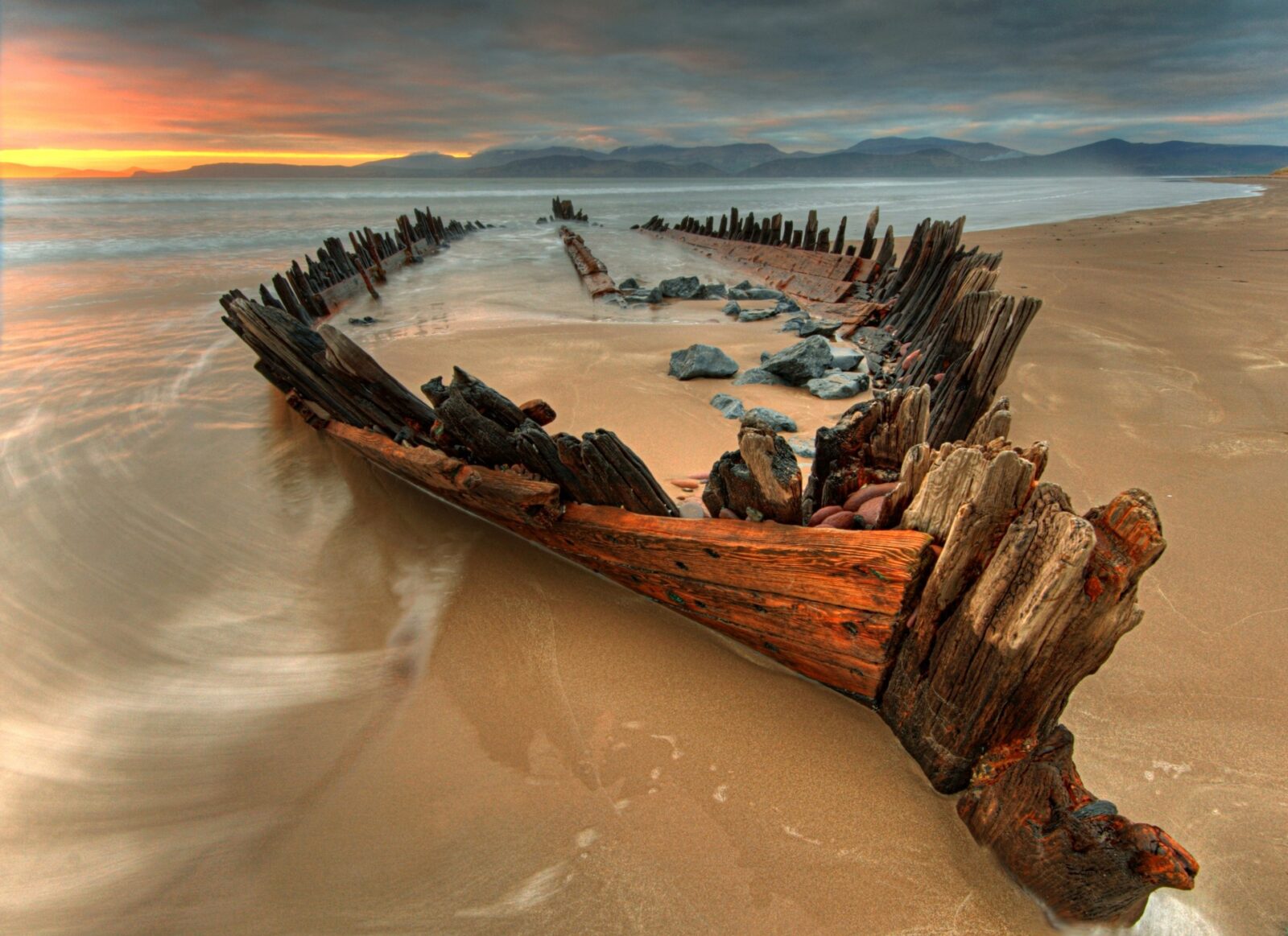
Shipwrecks lie scattered along the shore, slowly being reclaimed by sand and rust. These haunting remains serve as reminders of the coastline’s dangerous navigation conditions caused by strong currents, fog, and unpredictable weather.
Further inland, gravel plains and dune fields stretch toward the Namib Desert, completing a surreal and otherworldly environment.
Shipwrecks and Historical Legacy
One of the defining features of Skeleton Coast is its collection of shipwrecks. Over centuries, vessels that misjudged the coastline’s dangers ran aground and were abandoned.
Famous wrecks such as the Eduard Bohlen and the Zeila remain partially visible today, half-buried in sand and exposed to relentless wind and salt air.
These wrecks tell stories of maritime exploration, trade routes, and survival struggles along one of the world’s most unforgiving coastlines.
The combination of history and natural decay creates a powerful visual narrative that attracts photographers and explorers alike.
Wildlife in Skeleton Coast
Despite its harsh conditions, Skeleton Coast supports a surprising range of wildlife adapted to survive in desert and coastal environments.
Cape fur seals form large colonies along the coastline, particularly at Cape Cross, where thousands gather in dense populations.
Desert-adapted elephants, lions, and brown hyenas inhabit the inland river systems and dune fields, traveling long distances in search of food and water.
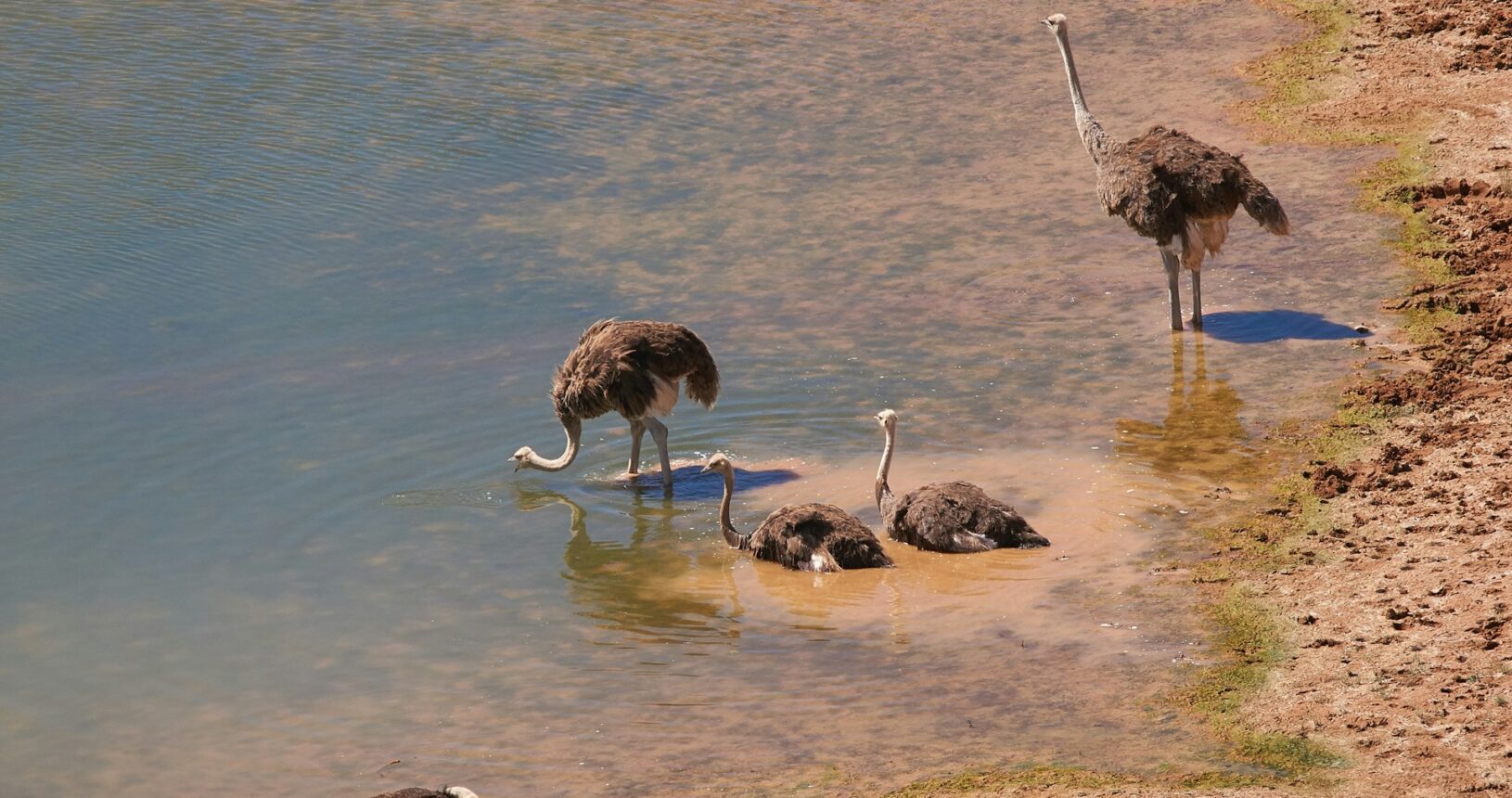
Oryx, springbok, jackals, and ostriches are also found in the surrounding desert plains.
Birdlife includes seabirds such as cormorants, pelicans, and gulls, as well as raptors that patrol inland areas.
This combination of marine and desert ecosystems makes Skeleton Coast ecologically unique.
Cape Cross Seal Colony
One of the most famous attractions within Skeleton Coast is the Cape Cross Seal Colony. This massive breeding site hosts tens of thousands of Cape fur seals, especially during the breeding season.
Visitors can observe the seals from designated boardwalks, where the sound, movement, and energy of the colony create an unforgettable sensory experience.
Cape Cross also holds historical significance as one of the earliest European landing sites in southern Africa, marked by a stone cross erected by Portuguese explorer Diogo Cão in the 15th century.
Safari Experiences in Skeleton Coast
Exploring Skeleton Coast offers a very different safari experience compared to traditional wildlife destinations.
Scenic flights are one of the most popular ways to view the coastline, revealing shipwrecks, dune fields, river mouths, and seal colonies from above.
Guided 4x4 excursions into the inland sections of the Skeleton Coast provide opportunities to track desert-adapted wildlife and learn about survival strategies in extreme environments.
Photography safaris focus heavily on landscape, light, and texture, capturing the stark beauty of sand, fog, and ocean.
Fishing, coastal walks, and lodge-based excursions also enhance the visitor experience in accessible areas.
Climate and Environmental Conditions
The climate of Skeleton Coast is shaped by the cold Benguela Current, which produces dense coastal fog for much of the year. This fog plays a critical ecological role by providing moisture for desert plants and animals.
Rainfall remains extremely low, and temperatures stay relatively moderate due to ocean influence, although winds can be strong and unpredictable.
These conditions create one of the most challenging yet fascinating environments in Africa.
Conservation and Protection
Much of Skeleton Coast falls within protected areas, including Skeleton Coast National Park and private concession areas that support eco-tourism and conservation.
Strict regulations limit human impact and preserve the fragile desert and marine ecosystems.
Conservation efforts focus on protecting desert-adapted wildlife, seal populations, and coastal biodiversity while promoting sustainable tourism.
Namibia’s conservation model ensures that tourism revenue contributes directly to environmental protection and local communities.
Accommodation in Skeleton Coast
Accommodation in Skeleton Coast is limited and exclusive, emphasizing low-impact luxury and remote wilderness experiences.
Lodges are often located in private concessions inland or along the coastline, offering fly-in access, guided excursions, and panoramic views of dunes and ocean.
These properties prioritize sustainability while providing high-end comfort, personalized service, and immersive nature experiences.
Staying in Skeleton Coast lodges offers one of the most secluded safari experiences in Africa.
Best Time to Visit Skeleton Coast
The best time to visit Skeleton Coast is during the cooler dry season from May to October. During this period, fog conditions remain consistent, and wildlife viewing improves along inland river systems.
The summer months bring warmer temperatures and occasional winds, but also dramatic atmospheric conditions ideal for photography.
Each season offers a unique perspective on this constantly shifting coastal environment.
Why Visit Skeleton Coast?
Skeleton Coast offers one of the most extraordinary landscapes in the world, where desert meets ocean in a raw and untamed setting. Its shipwrecks, seal colonies, desert wildlife, and vast empty horizons create an atmosphere that feels both ancient and otherworldly.
It is not a traditional safari destination, but rather a place of exploration, reflection, and dramatic natural beauty.
For travelers seeking isolation, photography opportunities, and unforgettable landscapes, Skeleton Coast remains one of Namibia’s most iconic and mysterious destinations.
In Africa’s national parks, every sunrise paints a masterpiece — where the wild’s call echoes across endless horizons. Visiting these parks is to witness nature in its purest form, a timeless dance that stirs the soul.
Steps to Book Your Southern Africa Tour
Choose Your Adventure
Confirm Your Booking
Begin Your Journey
Ready to plan your tailor-made safari?