Kaokoland
February 1, 2026
Okonjima Nature Reserve
February 1, 2026
Namib-Naukluft National Park
Namib-Naukluft National Park is the largest protected area in Namibia and one of the most spectacular desert conservation landscapes in the world. Covering more than 49,000 square kilometers, the park combines the ancient Namib Desert with the rugged Naukluft Mountains, creating an extraordinary blend of towering sand dunes, gravel plains, canyons, and dramatic escarpments.
This vast protected area forms the heart of Namibia’s desert safari experience. It is home to some of Africa’s most iconic landscapes, including the world-famous Sossusvlei, Deadvlei, and the towering red dunes of the Namib Sand Sea.
Unlike traditional wildlife parks, Namib-Naukluft National Park focuses on desert ecology, geological history, and extreme-adapted life forms. The park offers a rare opportunity to explore one of the oldest deserts on Earth while experiencing complete silence, vast open space, and surreal natural beauty.
Why Book This Destination
Explore More about Namib-Naukluft National Park
Where is Namib-Naukluft National Park?
Namib-Naukluft National Park is located in western Namibia, stretching from the central Namib Desert coastline deep inland toward the escarpment and mountain ranges of the Naukluft region.
The park lies between Swakopmund, Walvis Bay, and Sesriem, making it accessible from Namibia’s main tourism hubs. Most visitors enter through the Sesriem gate to access Sossusvlei and Deadvlei, while others explore the northern and western sections through guided desert expeditions or scenic flights.
Its sheer size means that different regions of the park offer completely different landscapes, from coastal fog deserts to towering inland dunes.
The Landscape of Namib-Naukluft National Park
The landscape of Namib-Naukluft National Park is defined by contrast and scale. The Namib Desert section features some of the tallest sand dunes in the world, many rising more than 300 meters above the surrounding plains.
These dunes shift in color throughout the day, changing from deep red and orange at sunrise to golden tones under midday sun and deep shadows at sunset. The constant movement of wind continues to shape and reshape the desert, making it a living geological system.
The Naukluft Mountains introduce a completely different environment, with rugged cliffs, deep gorges, and hidden valleys carved over millions of years. Seasonal rivers occasionally flow through these areas, supporting pockets of vegetation and wildlife.
Gravel plains, salt pans, and ancient riverbeds complete the diverse landscape, making Namib-Naukluft National Park one of the most visually dynamic regions in Africa.
Sossusvlei and Deadvlei
One of the most iconic features of Namib-Naukluft National Park is Sossusvlei, a vast salt and clay pan surrounded by towering dunes. It forms part of the Tsauchab River system, which rarely reaches the Atlantic Ocean due to the harsh desert environment.
Nearby Deadvlei offers one of the most photographed landscapes in the world. This white clay pan is dotted with ancient camel thorn trees that died centuries ago but remain preserved due to the extremely dry climate. The contrast between blackened tree skeletons, white pan, and red dunes creates a surreal visual composition.
Climbing Dune 45 or Big Daddy provides panoramic views over the desert, rewarding visitors with some of the most breathtaking sunrise and sunset experiences in Namibia.
Wildlife in Namib-Naukluft National Park
Although Namib-Naukluft National Park is primarily known for its desert landscapes, it supports a surprising variety of desert-adapted wildlife.
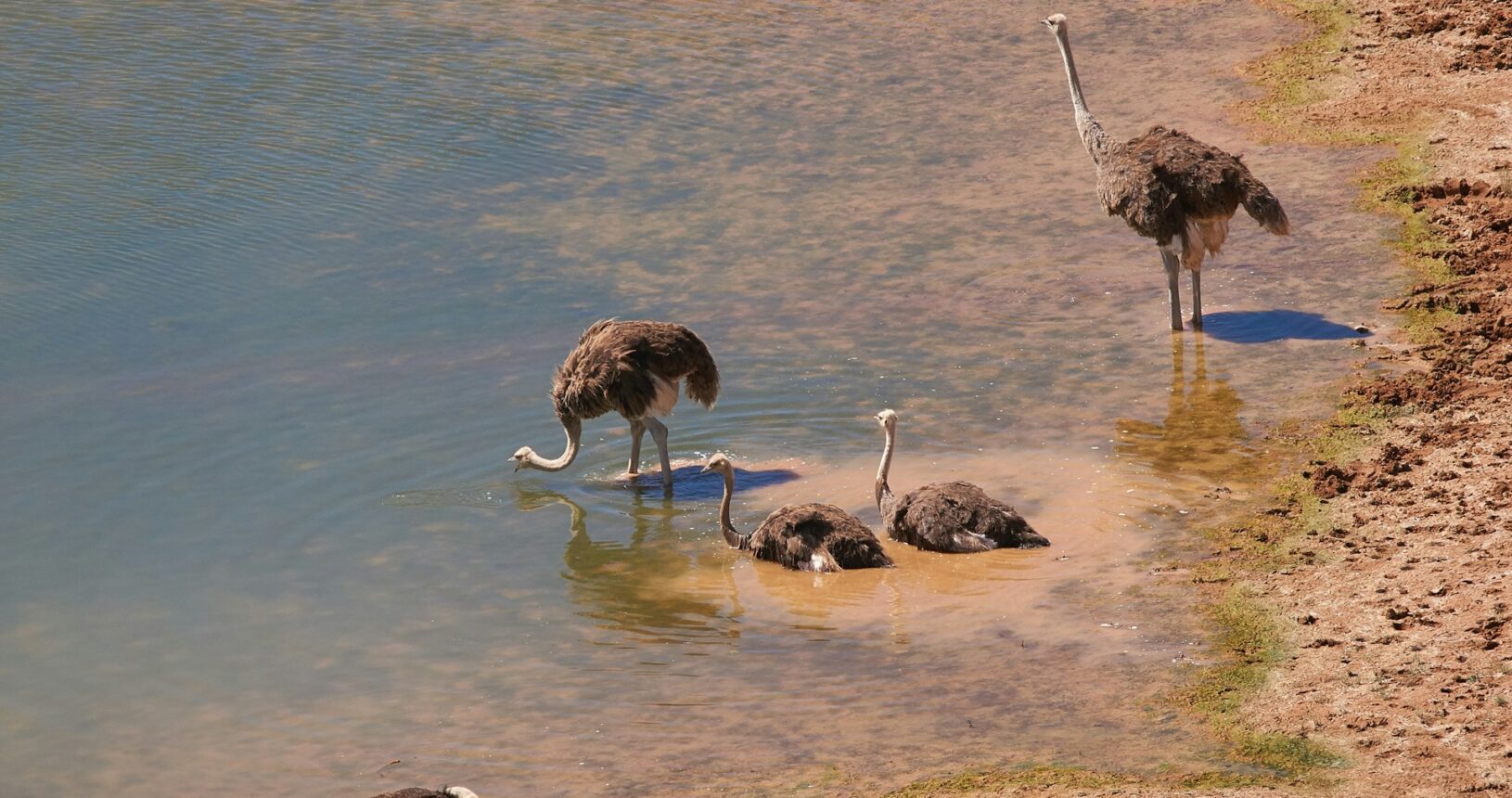
Oryx (gemsbok) are the most commonly seen large mammals, perfectly adapted to survive in extreme heat and limited water conditions. Springbok, ostriches, and mountain zebras also roam the open plains.
Smaller mammals such as bat-eared foxes, jackals, and ground squirrels are active in cooler hours of the day. Reptiles, including geckos and lizards, thrive in the sandy environment.
The park is also home to unique desert insects and birds that have evolved specialized adaptations to survive in arid conditions.
Naukluft Mountains and Hiking Trails
The Naukluft section of Namib-Naukluft National Park offers a completely different experience from the dunes. Here, rugged mountains, deep gorges, and hidden water pools create a green contrast to the surrounding desert.
Hiking trails in this region are among the most scenic in Namibia. Routes such as the Olive Trail and Waterkloof Trail guide visitors through narrow canyons, rocky terrain, and natural pools.
Mountain zebra are frequently seen in the Naukluft Mountains, along with kudu, klipspringer, and baboons.
The combination of challenging hikes and dramatic scenery makes this area a favorite for adventure travelers.
Climate and Environmental Conditions
The climate of Namib-Naukluft National Park is one of the harshest in southern Africa. Rainfall is extremely low, often less than 100 mm per year in many areas.
Despite this, coastal fog from the Atlantic Ocean provides a vital moisture source that supports unique desert ecosystems. This fog is especially important in the western sections of the park, where specialized plants and insects depend on it for survival.
Temperatures can vary widely, with cool mornings and extremely hot afternoons, especially in the summer months.
Activities in Namib-Naukluft National Park
Visitors to Namib-Naukluft National Park enjoy a wide range of desert-based activities.
Sunrise climbs of the dunes remain one of the most popular experiences, offering dramatic lighting and unforgettable views. Guided excursions to Sossusvlei and Deadvlei provide insight into desert formation and ecology.
Scenic flights over the Namib Desert reveal the immense scale of the dune fields and coastline. Photography is a major activity throughout the park due to its unique landscapes and lighting conditions.
Hiking in the Naukluft Mountains offers a more active experience, while nature drives explore remote desert areas and seasonal river systems.
Conservation and Protection
Namib-Naukluft National Park plays a critical role in protecting one of the world’s oldest and most fragile desert ecosystems. Conservation efforts focus on preserving geological formations, desert flora and fauna, and the integrity of the Namib Sand Sea.
The park is part of a UNESCO World Heritage Site, recognizing its global importance as a natural desert landscape.
Strict regulations limit development and tourism impact, ensuring that the environment remains largely untouched for future generations.
Best Time to Visit Namib-Naukluft National Park
The best time to visit Namib-Naukluft National Park is during the cooler months from May to September. During this period, temperatures are more comfortable for climbing dunes, hiking, and photography.
The early morning and late afternoon hours provide the best lighting conditions, with softer temperatures and dramatic shadows across the dunes.
The summer months can become extremely hot, but they also offer striking cloud formations and fewer crowds.
Why Visit Namib-Naukluft National Park?
Namib-Naukluft National Park offers one of the most visually powerful landscapes on Earth. Its combination of towering dunes, ancient valleys, mountain ranges, and surreal pans creates a safari experience unlike anywhere else in Africa.
It is a destination defined not by traditional wildlife encounters, but by scale, silence, and geological wonder. Whether standing on top of a dune at sunrise, exploring Deadvlei’s ghost trees, or hiking through the Naukluft Mountains, every moment in the park feels timeless and unforgettable.
For travelers seeking Namibia’s most iconic desert experience, Namib-Naukluft National Park remains an essential highlight.
In Africa’s national parks, every sunrise paints a masterpiece — where the wild’s call echoes across endless horizons. Visiting these parks is to witness nature in its purest form, a timeless dance that stirs the soul.
Steps to Book Your Southern Africa Tour
Choose Your Adventure
Confirm Your Booking
Begin Your Journey
Ready to plan your tailor-made safari?