Hoanib Desert
February 1, 2026Namib-Naukluft National Park
February 1, 2026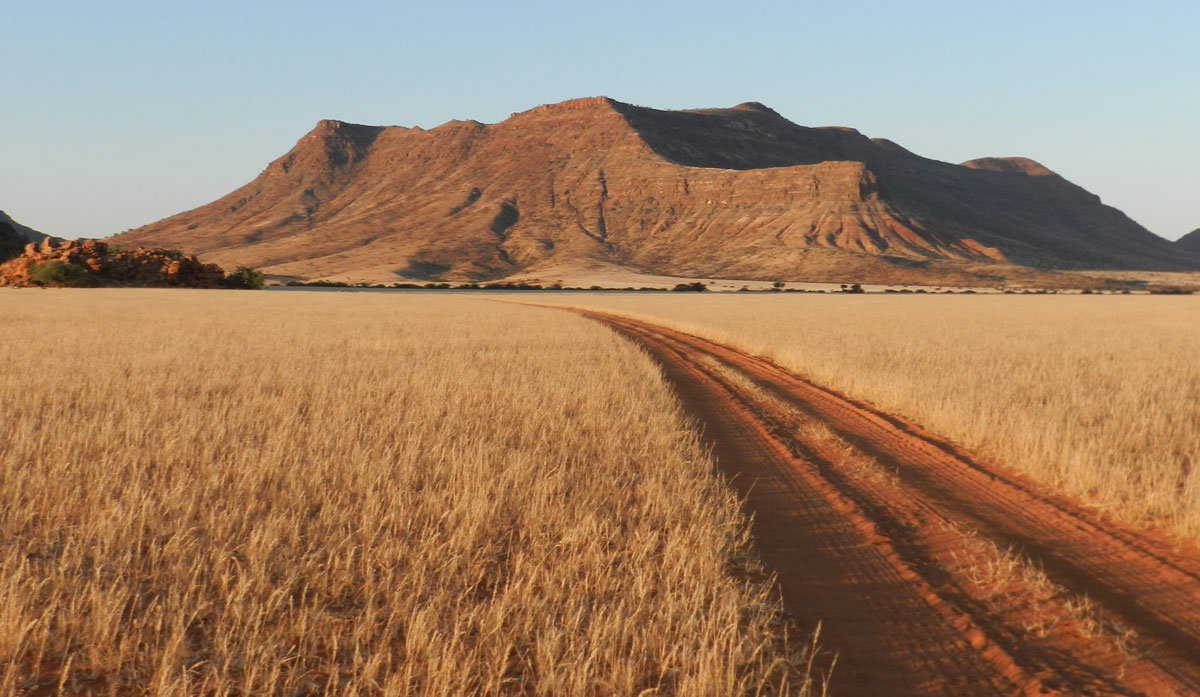
Kaokoland
Kaokoland is one of Namibia's last great wilderness areas, offering adventurous travelers a landscape of rugged mountains, winding river valleys, vast deserts, and rich indigenous culture. Located in the far northwestern corner of the country, Kaokoland is famous for its dramatic scenery, desert-adapted wildlife, and the semi-nomadic Himba people, whose traditions have remained remarkably well preserved.
Unlike Namibia's more accessible safari destinations, Kaokoland rewards visitors with true remoteness. Roads are challenging, settlements are sparse, and the landscapes remain largely untouched by modern development. For those seeking an authentic expedition through one of Africa's wildest regions, Kaokoland delivers an unforgettable experience.
Its combination of spectacular scenery, unique wildlife, and cultural heritage makes Kaokoland one of Namibia's most distinctive travel destinations.
Why Book This Destination
Explore More about Kaokoland
Where is Kaokoland?
Kaokoland occupies the remote northwestern corner of Namibia within the Kunene Region. It stretches from the Skeleton Coast in the west to the Kunene River along the Angolan border in the north and connects with Damaraland to the south.
The region is characterized by vast distances and limited infrastructure. Most travelers reach Kaokoland by four-wheel-drive vehicle or light aircraft, with many safari itineraries beginning in Windhoek, Damaraland, or Etosha National Park before continuing north.
Because of its isolated location, Kaokoland remains one of the least-visited regions in Southern Africa, preserving its wilderness character.
The Landscapes of Kaokoland
The scenery of Kaokoland is among the most dramatic in Namibia. Towering mountain ranges, rocky escarpments, gravel plains, dry riverbeds, and isolated valleys create an ever-changing landscape that feels both ancient and untouched.
The region is home to the Hartmann Mountains, Baynes Mountains, and parts of the Great Escarpment, each offering breathtaking views and challenging terrain.
Dry river systems such as the Hoanib, Hoarusib, and Khumib rivers carve through the landscape, supporting pockets of vegetation that provide essential habitat for wildlife.
As visitors travel through Kaokoland, they encounter dramatic contrasts between barren desert, lush river valleys, and distant mountain peaks that glow red and gold during sunrise and sunset.
Desert-Adapted Wildlife
Despite its harsh environment, Kaokoland supports an impressive variety of wildlife specially adapted to survive in arid conditions.
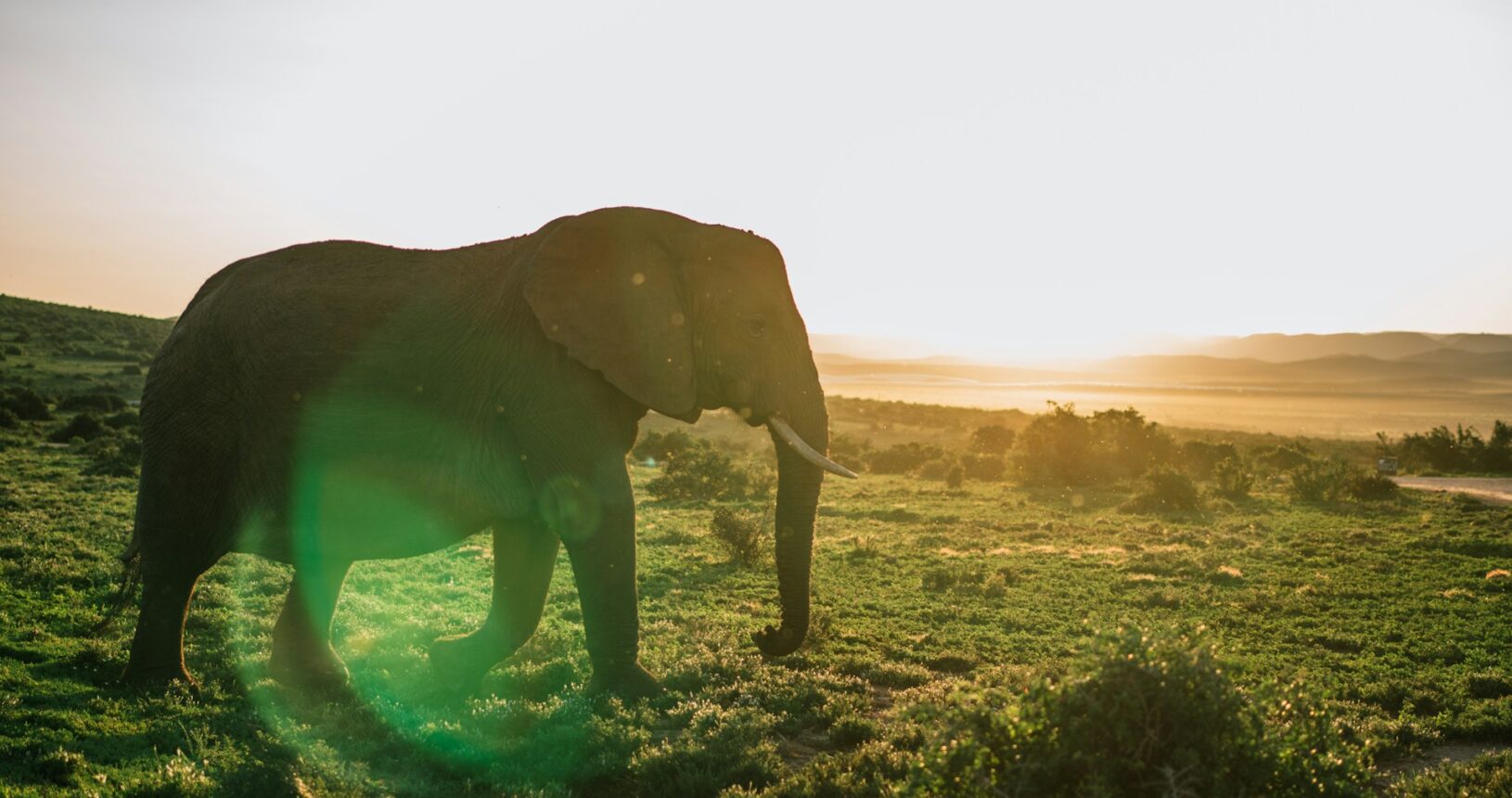
Desert-adapted elephants are the region's most famous residents. These remarkable animals travel great distances between seasonal water sources and have developed behavioral adaptations that allow them to survive where few other elephants can.
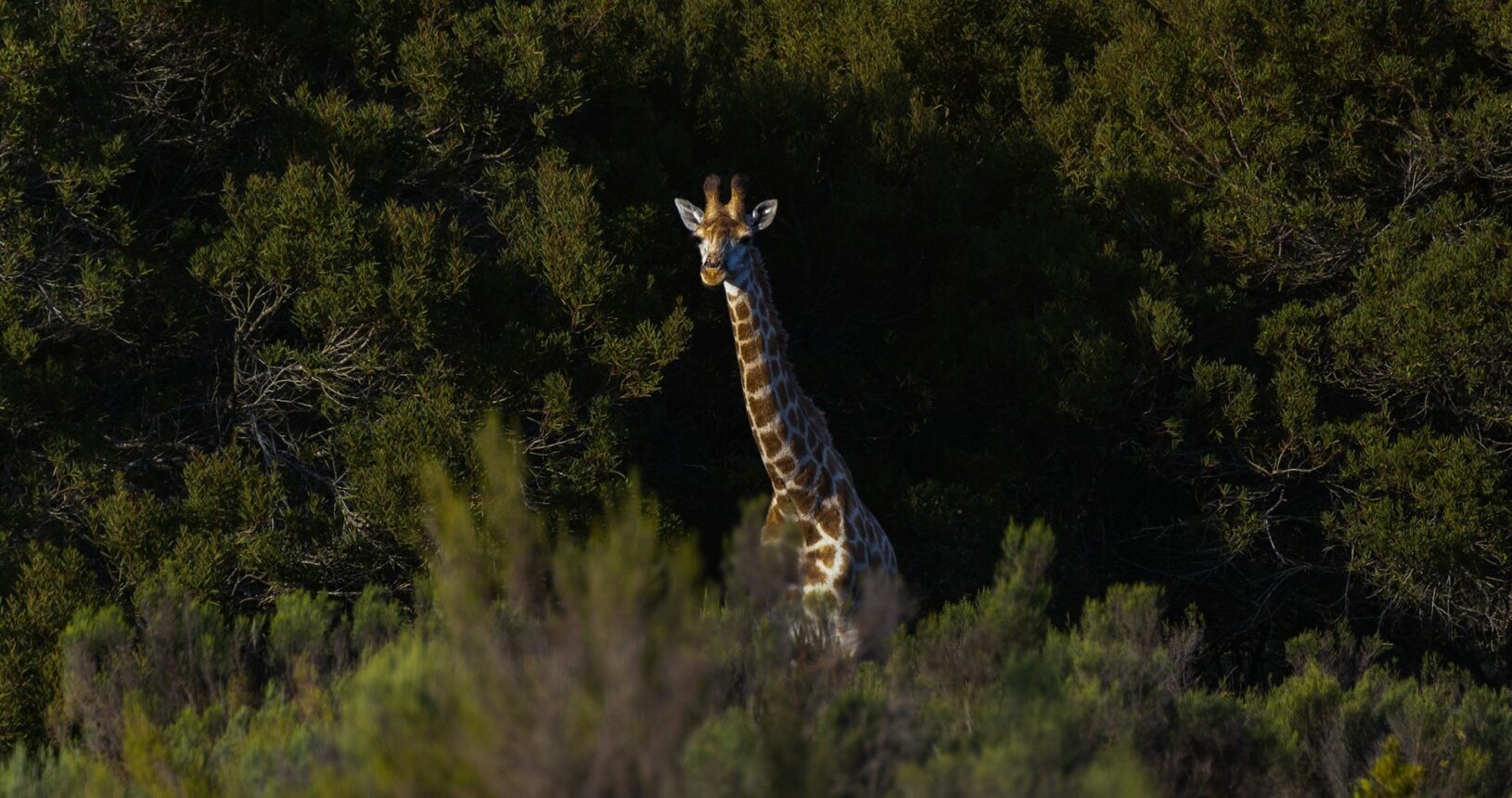
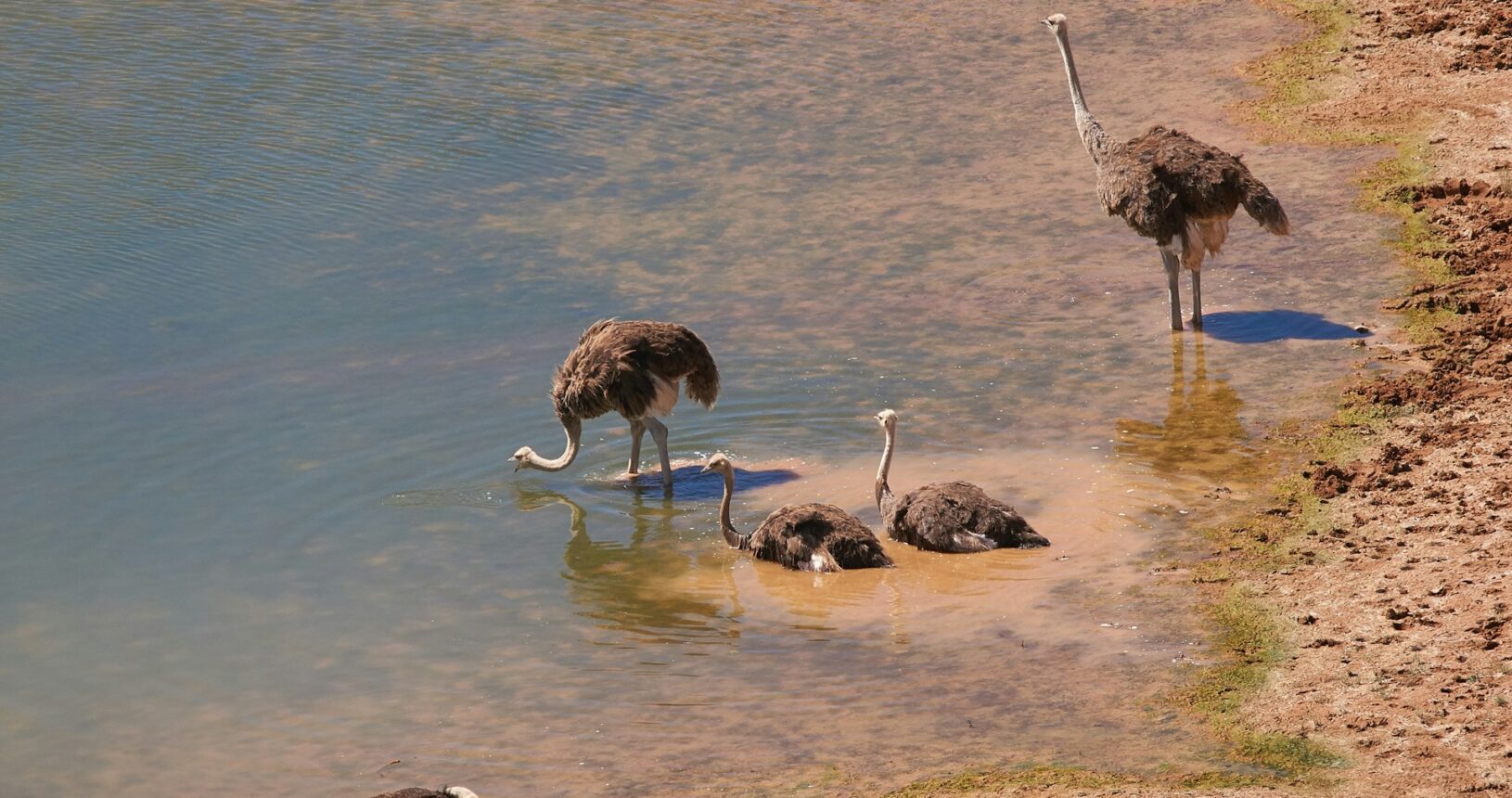
Kaokoland also supports populations of desert-adapted lions, black rhinos, giraffes, mountain zebras, gemsbok, springbok, kudu, and ostriches.
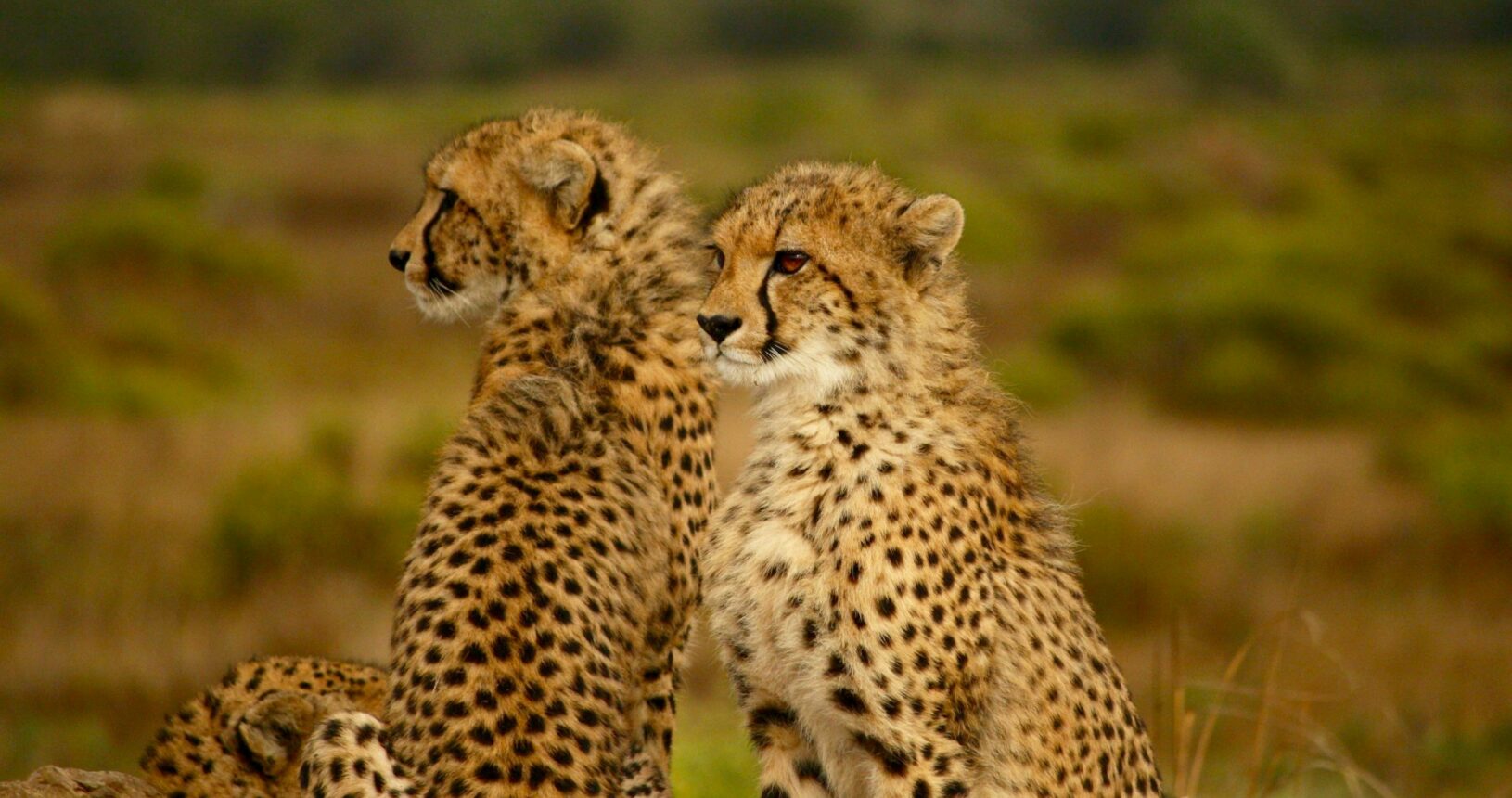
Brown hyenas, leopards, cheetahs, black-backed jackals, and numerous smaller mammals also inhabit the region, although sightings often require experienced guides due to the vast landscapes.
Wildlife viewing in Kaokoland focuses on quality rather than quantity, with every encounter feeling genuinely wild and rewarding.
The Himba People
One of the defining attractions of Kaokoland is the opportunity to learn about the Himba people, one of Africa's best-known indigenous communities.
The Himba maintain a semi-nomadic pastoral lifestyle centered on cattle and goats. Their distinctive appearance, including the use of red ochre mixed with butterfat to protect their skin from the harsh climate, has become a symbol of northern Namibia.
Visitors can participate in respectful cultural visits that provide insight into traditional homes, family life, craftsmanship, and customs. These experiences emphasize mutual respect and support community-based tourism initiatives that benefit local families.
Responsible cultural tourism ensures that traditions remain preserved while generating sustainable income for Himba communities.
The Kunene River
The Kunene River forms the northern boundary of Kaokoland and provides one of the region's most striking contrasts. Flowing year-round from Angola, the river creates a ribbon of green vegetation through an otherwise arid landscape.
Palm trees, riverine forests, and fertile banks support diverse birdlife and wildlife, offering a refreshing change from the surrounding desert.
Several scenic viewpoints overlook the river, while boat excursions and riverside lodges allow visitors to experience this peaceful environment up close.
The Kunene River also plays an essential role in supporting both local communities and wildlife throughout the region.
Epupa Falls
One of Kaokoland's most famous attractions is Epupa Falls, located along the Kunene River.
The river cascades over a series of rocky ledges, creating numerous waterfalls surrounded by palm trees, baobabs, and lush vegetation. The combination of flowing water and desert scenery creates one of Namibia's most picturesque landscapes.
Walking trails lead to viewpoints overlooking the falls, while nearby lodges offer opportunities to relax and enjoy the peaceful atmosphere.
Epupa Falls is also an excellent destination for birdwatching, photography, and cultural encounters with nearby Himba communities.
Van Zyl's Pass
For experienced overland travelers, Van Zyl's Pass represents one of Southern Africa's most challenging and rewarding four-wheel-drive routes.
Crossing rugged mountain terrain with steep descents and rocky tracks, the pass demands advanced driving skills and careful preparation.
Completing the route rewards travelers with spectacular mountain scenery and access to some of Namibia's most remote wilderness areas.
Van Zyl's Pass has become legendary among adventure travelers seeking one of Africa's ultimate off-road experiences.
Safari Activities in Kaokoland
Exploring Kaokoland involves a variety of experiences that combine wildlife, scenery, and culture.
Guided game drives focus on tracking desert-adapted elephants, lions, giraffes, and black rhinos through dry river valleys and mountain landscapes.
Nature walks reveal fascinating desert plants, animal tracks, and geological formations, while scenic drives showcase the immense beauty of the region.
Photography safaris benefit from dramatic lighting, open landscapes, and unique wildlife encounters.
Cultural visits to Himba villages provide meaningful opportunities to understand one of Namibia's most iconic communities.
Accommodation in Kaokoland
Accommodation throughout Kaokoland ranges from luxury safari lodges to intimate eco-camps and exclusive tented camps.
Many properties occupy spectacular locations overlooking river valleys, mountains, or desert plains, allowing guests to enjoy panoramic views and exceptional privacy.
Lodges emphasize sustainable tourism through environmentally responsible operations and partnerships with local communities.
Comfortable suites, fine dining, guided activities, and personalized service ensure that even this remote destination offers an outstanding level of hospitality.
Best Time to Visit Kaokoland
Kaokoland can be visited year-round, although the cooler dry season from May to October generally provides the best conditions for wildlife viewing and outdoor activities.
Animals gather near permanent water sources during these months, making sightings more predictable. Comfortable daytime temperatures also make hiking and cultural visits more enjoyable.
The green season from November to April brings occasional rainfall that refreshes the landscape, creating beautiful scenery and excellent opportunities for photography.
Why Visit Kaokoland?
Kaokoland offers one of Africa's most authentic wilderness experiences. Its combination of dramatic mountains, desert-adapted wildlife, indigenous Himba culture, and remote landscapes creates a journey unlike any other in Namibia.
Whether you are tracking elephants through dry riverbeds, watching the Kunene River flow through the desert, visiting Epupa Falls, or learning about Himba traditions, Kaokoland provides a deeper understanding of Namibia's natural and cultural heritage.
For adventurous travelers seeking true exploration beyond the traditional safari circuit, Kaokoland remains one of the country's most rewarding destinations.
In Africa’s national parks, every sunrise paints a masterpiece — where the wild’s call echoes across endless horizons. Visiting these parks is to witness nature in its purest form, a timeless dance that stirs the soul.
Steps to Book Your Southern Africa Tour
Choose Your Adventure
Confirm Your Booking
Begin Your Journey
Ready to plan your tailor-made safari?