Vilanculos
February 1, 2026
Mozambique Game Drives
February 1, 2026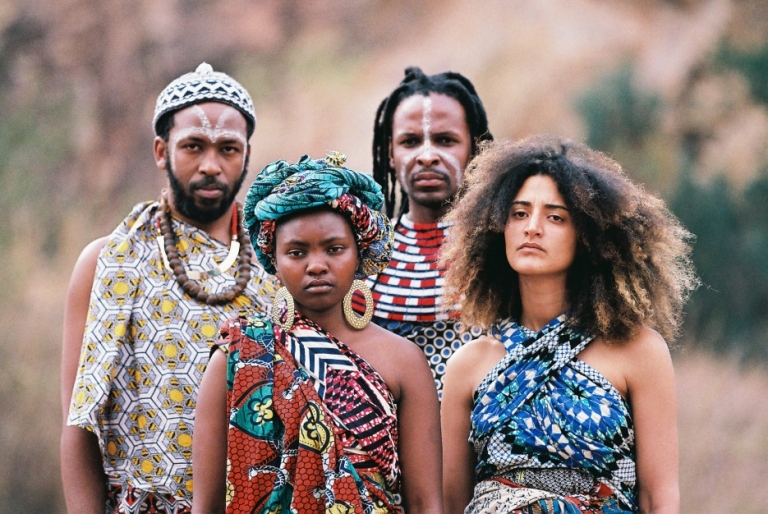
Mozambique Culture
Mozambique culture reflects a rich blend of African heritage, Portuguese colonial influence, and coastal Indian Ocean connections that have shaped the country for centuries. This cultural mix creates a unique identity that is visible in language, food, music, religion, architecture, and daily social life across cities, towns, and rural communities.
From the lively streets of Maputo to fishing villages along the coast and traditional inland communities, Mozambique culture remains deeply rooted in community values, storytelling, music, and respect for tradition. At the same time, modern influences continue to shape urban life, creating a dynamic balance between old and new.
For travelers, understanding Mozambique culture adds depth to every experience, turning beaches, safaris, and city visits into meaningful cultural encounters.
Why Book This Destination
Explore More about Mozambique Culture
People and Ethnic Diversity in Mozambique
A key feature of Mozambique culture is its ethnic diversity. The country is home to more than 40 ethnic groups, each with its own language, traditions, and social structures.
The largest groups include the Makhuwa, primarily in the north, the Tsonga in the south, and the Sena in central regions along the Zambezi Valley. Each group contributes distinct cultural practices, from music and dance to storytelling and traditional ceremonies.
Despite this diversity, Mozambique maintains a strong sense of national identity built on shared history and cultural exchange. Communities often interact through trade, migration, and intermarriage, creating a blended cultural landscape.
Language and Communication in Mozambican Culture
Language plays a central role in Mozambican culture. Portuguese is the official language, used in government, education, and media. However, most people also speak one or more indigenous languages in daily life.
Languages such as Emakhuwa, Xichangana, and Cisena reflect regional identity and cultural heritage. These languages carry oral traditions, proverbs, and storytelling practices that form a major part of cultural expression.
In urban areas like Maputo, multilingual communication is common, while rural communities rely more heavily on local languages for everyday interaction.
Music, Dance, and Artistic Expression
Music and dance are essential elements of Mozambican culture, serving as both entertainment and cultural storytelling.
Traditional music often uses drums, marimbas, and rhythmic chanting to accompany dance performances. These performances frequently take place during ceremonies, celebrations, and community gatherings.
One of the most recognized styles is Marrabenta, a popular urban music genre that blends traditional rhythms with Portuguese and modern influences. It remains a strong symbol of national identity and cultural pride.
Dance is often energetic and expressive, reflecting themes of joy, community, and storytelling. Each ethnic group has its own traditional dances that mark important life events such as weddings, harvests, and festivals.
Religion and Beliefs
Religion plays an important role in Mozambican culture, shaping values, traditions, and community life.
Christianity is the most widely practiced religion, with both Catholic and Protestant communities present across the country. Islam also has a strong presence, especially along the northern coast, reflecting historical trade connections with the Indian Ocean world.
Traditional beliefs remain influential in many rural communities. These beliefs often focus on ancestral spirits, nature, and rituals that maintain harmony between the living and the spiritual world.
In many cases, religious practices coexist, blending traditional and modern belief systems.
Food and Culinary Traditions
Food is a central part of Mozambique culture, influenced by coastal resources, African traditions, and Portuguese cuisine.
Seafood plays a major role, especially prawns, fish, and shellfish along the coast. Peri-peri spice, introduced through Portuguese influence, remains a defining flavor in many dishes.
Staple foods such as cassava, maize, rice, and beans form the foundation of daily meals. Dishes like matapa, made with cassava leaves and peanuts, represent traditional cuisine with deep cultural roots.
Meals are often shared in a communal setting, reinforcing social bonds and family connections.
Social Values and Community Life
At the heart of Mozambican culture is a strong sense of community and social connection. Family and extended kinship networks play a central role in daily life.
Respect for elders is highly valued, and social interactions often emphasize politeness, humility, and cooperation. Community gatherings, ceremonies, and celebrations strengthen social ties and reinforce cultural traditions.
Hospitality is also an important cultural value. Visitors are often welcomed warmly, especially in rural areas where community interaction is central to daily life.
Traditional Clothing and Identity
Clothing in Mozambique culture reflects both tradition and modern influence.
In rural areas, traditional clothing may still be worn during ceremonies and cultural events. Brightly colored fabrics and patterned textiles are common, especially for women’s attire.
In urban centers, modern Western-style clothing is widely worn, particularly in professional and business environments.
Cultural identity is often expressed through accessories, fabrics, and clothing worn during festivals and celebrations.
Festivals and Cultural Celebrations
Festivals are an important expression of Mozambique culture, bringing communities together through music, dance, food, and rituals.
National holidays such as Independence Day are widely celebrated with public events, performances, and gatherings.
Religious festivals, including Christmas, Easter, and Islamic celebrations, are observed across different regions.
Local festivals often highlight regional traditions, agricultural cycles, and cultural heritage, showcasing the diversity of Mozambique’s ethnic groups.
Urban vs Rural Cultural Life
Mozambique culture varies significantly between urban and rural environments.
In cities like Maputo, culture is influenced by globalization, modern lifestyles, and international exposure. Restaurants, music, art, and fashion reflect a blend of local and global influences.
In rural areas, traditional practices remain stronger, with a greater emphasis on community life, ancestral customs, and local languages.
This contrast creates a layered cultural experience that travelers can observe as they move across the country.
Conclusion
Mozambique culture is a vibrant and diverse tapestry shaped by African traditions, Portuguese history, and Indian Ocean connections. It is expressed through language, music, food, religion, and everyday social life.
Despite modernization, cultural traditions remain deeply rooted in communities across the country, preserving identity and continuity. For travelers, Mozambique offers not just landscapes and wildlife but also a meaningful cultural experience shaped by warmth, resilience, and diversity.
Understanding Mozambique culture allows visitors to connect more deeply with the people and places they encounter, turning every journey into a richer and more immersive experience.
In Africa’s national parks, every sunrise paints a masterpiece — where the wild’s call echoes across endless horizons. Visiting these parks is to witness nature in its purest form, a timeless dance that stirs the soul.

Steps to Book Your Southern Africa Tour
Choose Your Adventure
Confirm Your Booking
Begin Your Journey
Ready to plan your tailor-made safari?