Experiences
May 20, 2025
Home /
Destinations
Southern Africa brings together a collection of safari destinations that rank among the most diverse and rewarding in Africa. Each destination offers a distinct environment, wildlife pattern, and safari style. Moving between them creates a layered journey where no two locations feel the same. From river systems and floodplains to deserts and open savannah, these destinations shape the core of any well-designed Southern Africa safari.
Why Book This Destination

Kenya Safaris
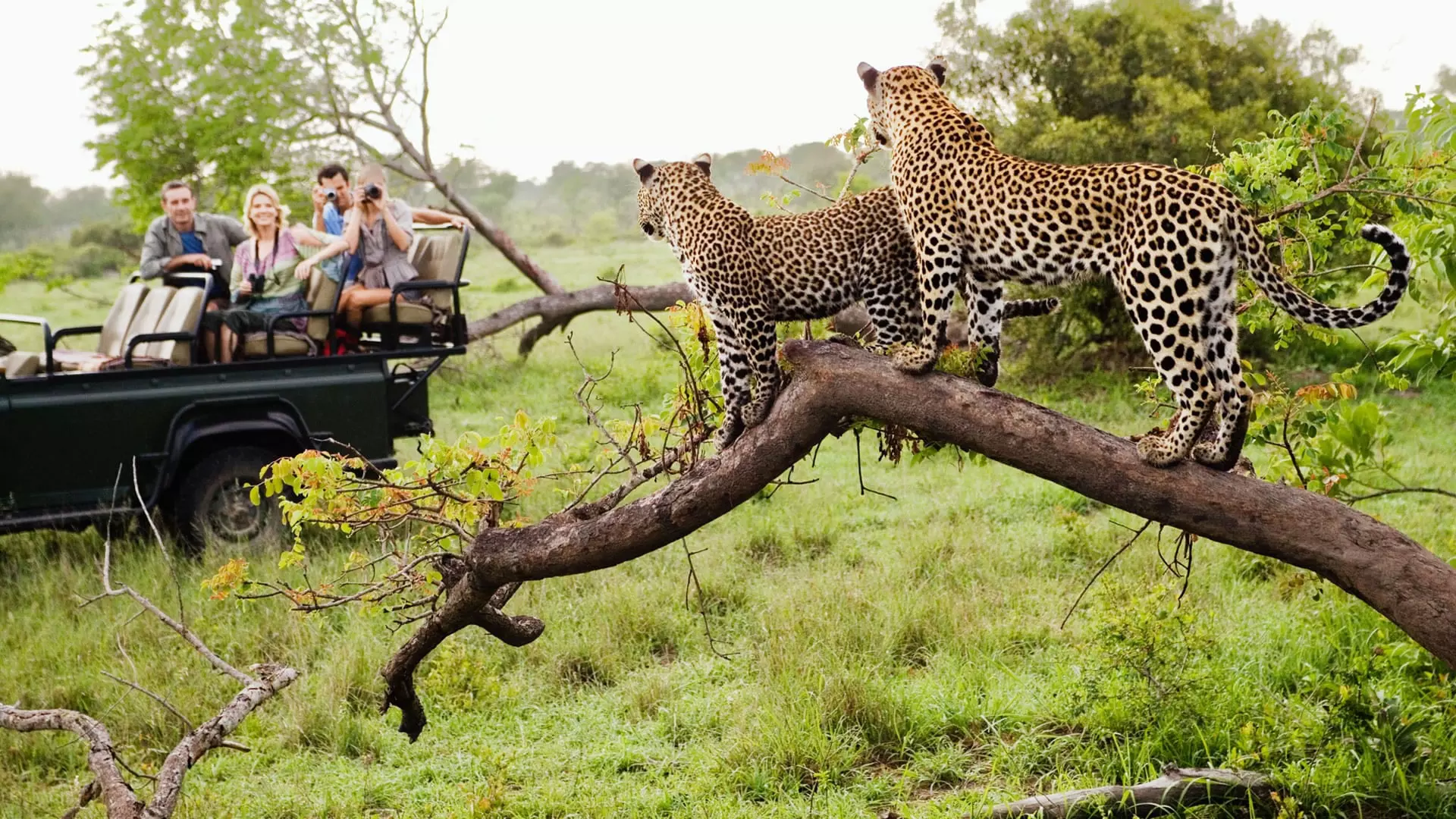
Botswana Safaris
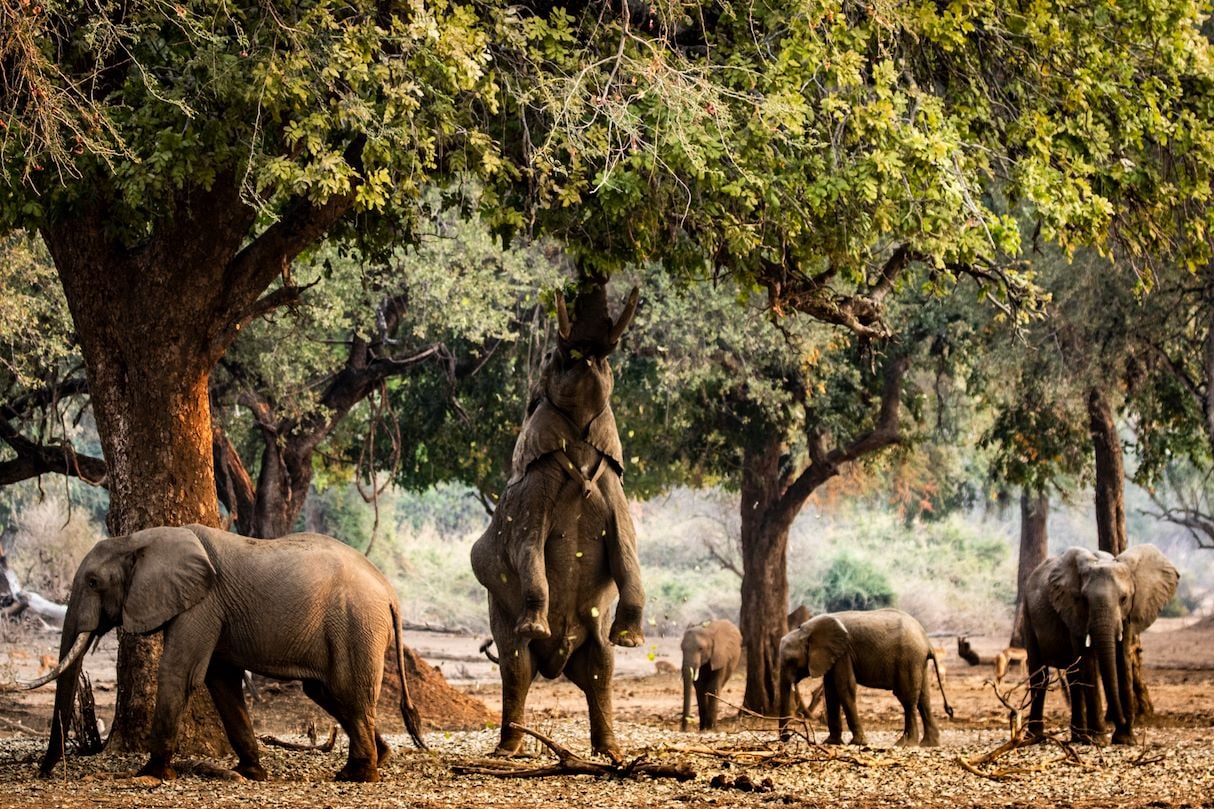
Zimbabwe Safaris

Malawi Safaris

Mozambique
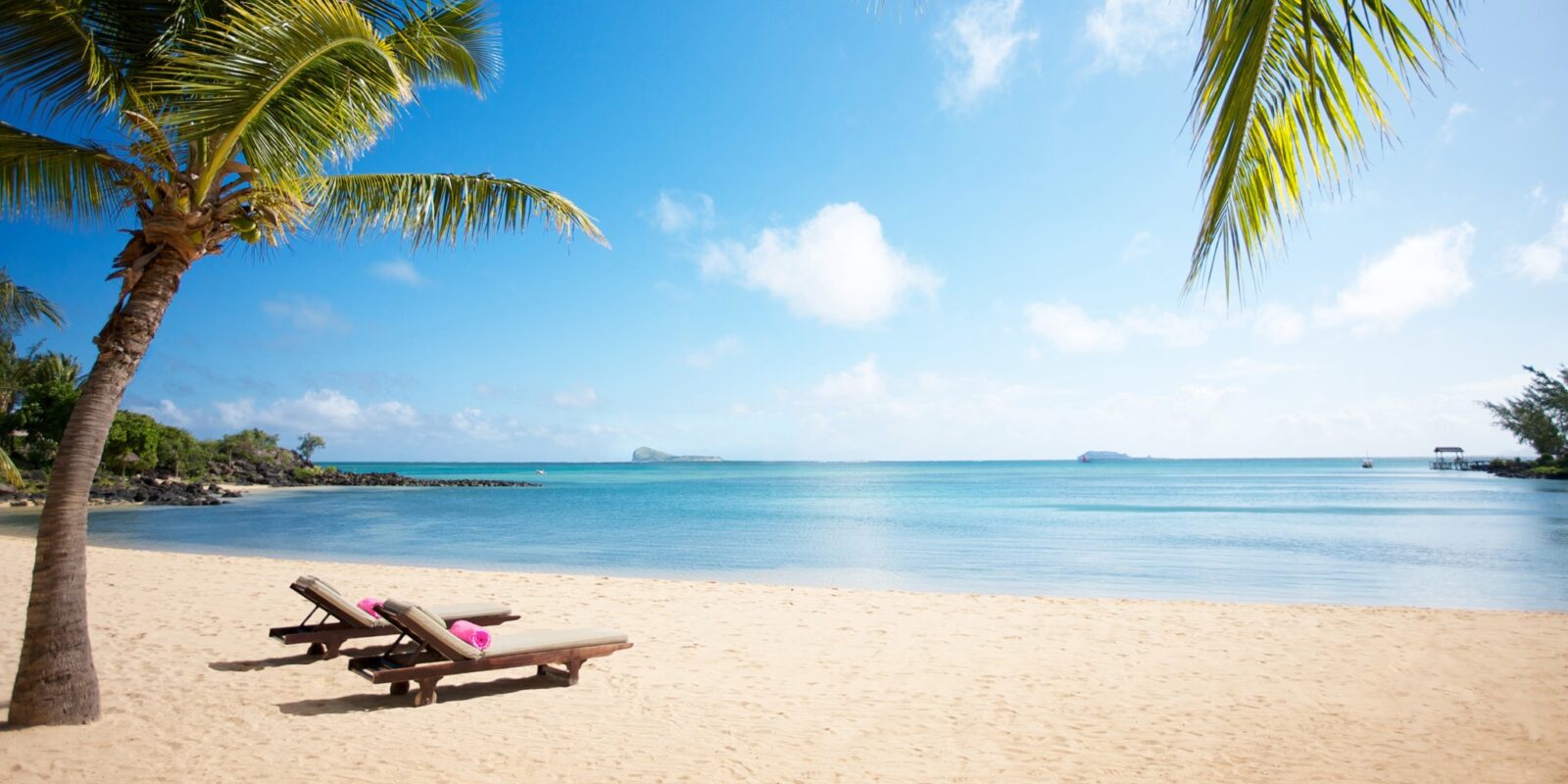
Mauritius Safaris
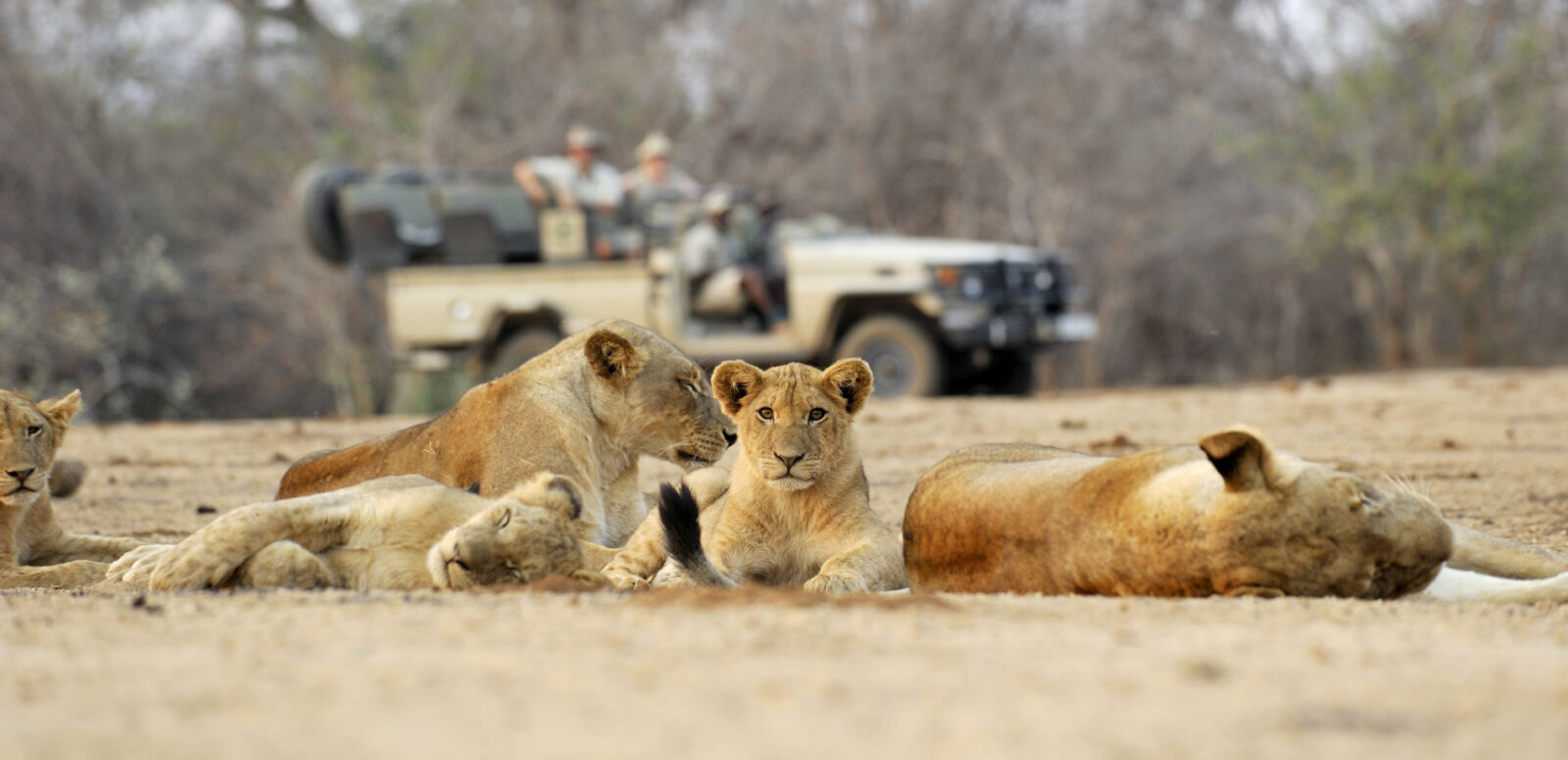
Zambia

Tanzania Safaris

Namibia

Zanzibar Safaris
South Africa Safaris
Explore More about Destinations
Kruger National Park & Private Reserves (South Africa)
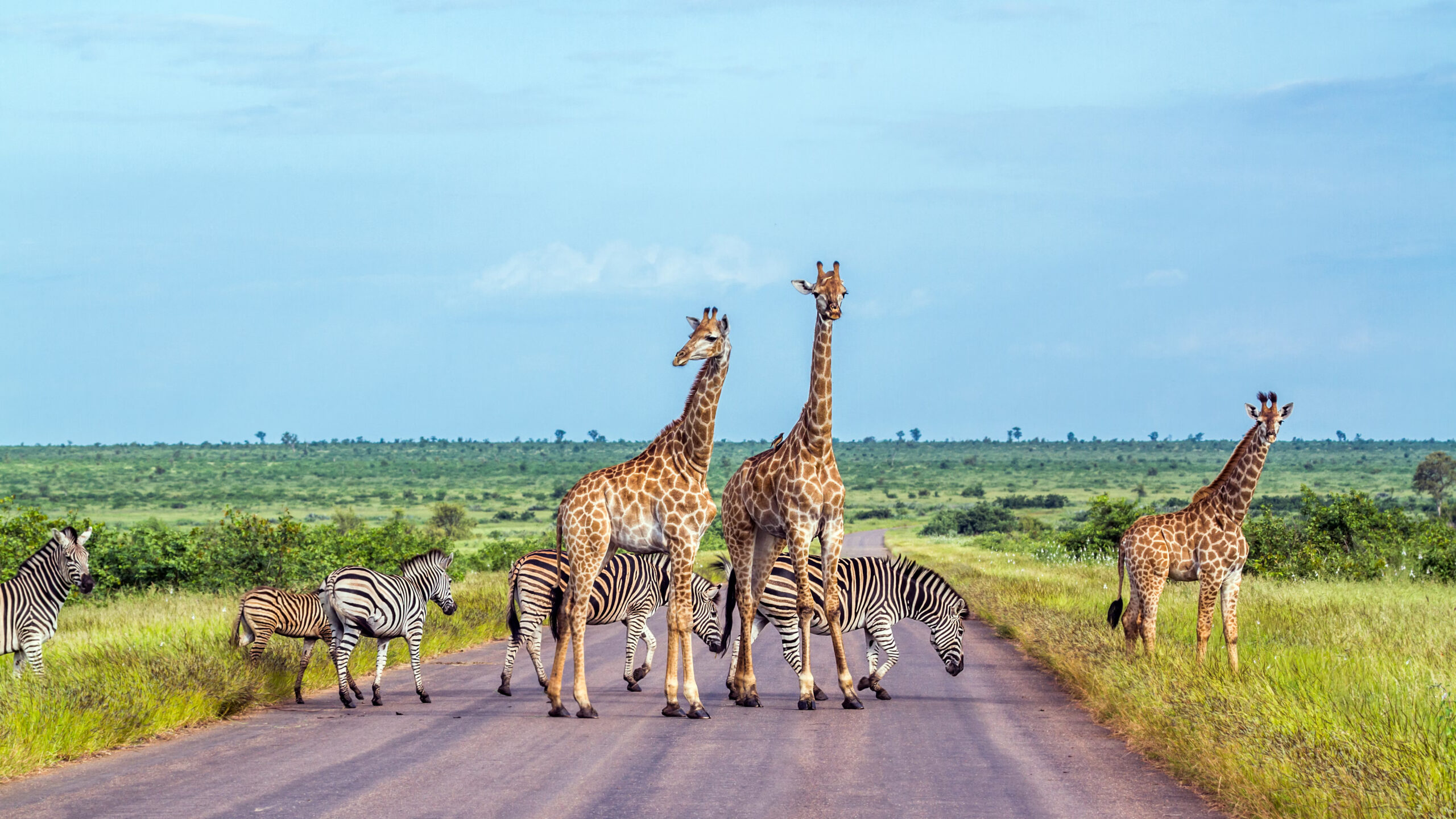
Kruger National Park anchors South Africa’s safari landscape with its size, accessibility, and consistent wildlife sightings. The park supports the full range of safari species, including lions, elephants, leopards, buffalo, and rhinos. Game drives here move across varied terrain, from riverine forests to open grasslands, which allows guides to track different species throughout the day.
Private reserves that border Kruger, such as Sabi Sands and Timbavati, deliver a more refined safari experience. These areas allow off-road driving and limit vehicle numbers, which leads to closer and less crowded wildlife encounters. Predator sightings remain a strong highlight, especially for leopard tracking. The combination of strong wildlife density and high guiding standards makes this destination a reliable starting point for many safaris.
Okavango Delta (Botswana)
The Okavango Delta offers a safari shaped entirely by water. Seasonal floods transform the landscape into a network of channels, lagoons, and islands that attract wildlife from surrounding dry areas. This creates a concentrated and dynamic ecosystem.
Safaris in the Delta rely on a mix of mokoro canoe excursions, motorboat trips, and guided walking safaris. Movement through water creates a quieter and more immersive experience, where wildlife encounters feel natural and uninterrupted. Elephants, hippos, crocodiles, and a wide range of bird species dominate the environment, while predators move between islands following prey.
The Delta suits travelers who value a slower pace and a deeper connection to nature rather than fast-paced game viewing.
Chobe National Park (Botswana)
Chobe National Park stands out for its high concentration of elephants, particularly along the Chobe River. Large herds gather at the water’s edge, creating some of the most consistent and visible wildlife scenes in Southern Africa.
Safaris here combine traditional game drives with river-based exploration. Boat cruises offer close views of animals as they drink, bathe, or move along the shoreline. This perspective adds depth to the safari, as it allows observation from a calm and stable setting.
Predators also appear in the park, especially during the dry season when prey gathers near water. The combination of land and water activities ensures a varied and engaging safari experience.
Etosha National Park (Namibia)
Etosha presents a safari defined by its stark and open landscape. The vast salt pan dominates the park, while scattered waterholes draw wildlife from across the region. These water points become the focus of game viewing, especially during dry months.
Elephants, lions, rhinos, and large herds of antelope gather at these locations, often creating extended viewing opportunities. The open terrain allows clear visibility, which enhances photography and observation.
Etosha offers a structured yet rewarding safari, where each stop reveals a different mix of species. The environment adds a dramatic visual element that contrasts with greener safari destinations.
Hwange National Park (Zimbabwe)
Hwange National Park delivers a classic African safari setting with strong wildlife numbers and fewer crowds. The park supports one of the largest elephant populations in the region, along with lions, leopards, and other predators.
Waterholes play a central role in attracting wildlife, especially during the dry season. Game drives focus on these areas, where animal activity remains consistent throughout the day.
Walking safaris add another dimension, allowing visitors to explore the bush on foot with experienced guides. This creates a more detailed and immersive understanding of the environment. Hwange suits travelers who want a quieter and more traditional safari experience.
Victoria Falls (Zimbabwe & Zambia)
Victoria Falls adds a powerful natural landmark to Southern Africa safari itineraries. The waterfall creates a dramatic setting where the Zambezi River drops into a deep gorge, producing mist and sound that define the experience.
While not a traditional safari destination, the area offers wildlife experiences along the river. Boat cruises provide opportunities to see hippos, crocodiles, and elephants along the banks.
Victoria Falls often serves as a transition point within a safari, adding variety and a strong visual highlight to the journey.
South Luangwa National Park (Zambia)
South Luangwa offers one of the most authentic and wildlife-rich safari environments in Southern Africa. The Luangwa River attracts animals throughout the year, creating strong opportunities for sightings.
The park is known for its walking safaris, which originated here and remain a key part of the experience. Guides lead small groups through the bush, focusing on tracks, behavior, and ecosystem details.
Predator activity remains high, with frequent lion and leopard sightings. The balance between game drives and walking safaris creates a deeper and more engaging experience.
Lower Zambezi National Park (Zambia)
Lower Zambezi combines river-based and land-based safari experiences within a scenic setting. The Zambezi River forms the center of activity, attracting elephants, hippos, and other wildlife.
Canoe safaris allow close and quiet movement along the river, offering a unique perspective on animal behavior. Game drives explore the surrounding plains, where predators and herbivores move between water sources.
The park remains less developed, which creates a more private and exclusive safari environment.
Skeleton Coast & Namib Desert (Namibia)
Namibia’s Skeleton Coast and Namib Desert offer a different type of safari experience shaped by extreme landscapes. The region features dunes, rocky coastlines, and desert-adapted wildlife.
Game viewing focuses on species that survive in harsh conditions, including desert elephants and oryx. The experience emphasizes scenery and exploration rather than high-density wildlife sightings.
This destination works well as part of a broader itinerary, adding contrast to more traditional safari areas.
Choosing the Right Safari Destinations
Each destination in Southern Africa offers a different experience, and combining them creates a more complete journey. Travelers often pair South Africa’s private reserves with Botswana’s waterways or Namibia’s desert landscapes.
The choice depends on travel goals. Some prioritize wildlife density and predator sightings, while others seek remote environments or unique landscapes. A well-balanced itinerary includes a mix of these elements to create variety and depth.
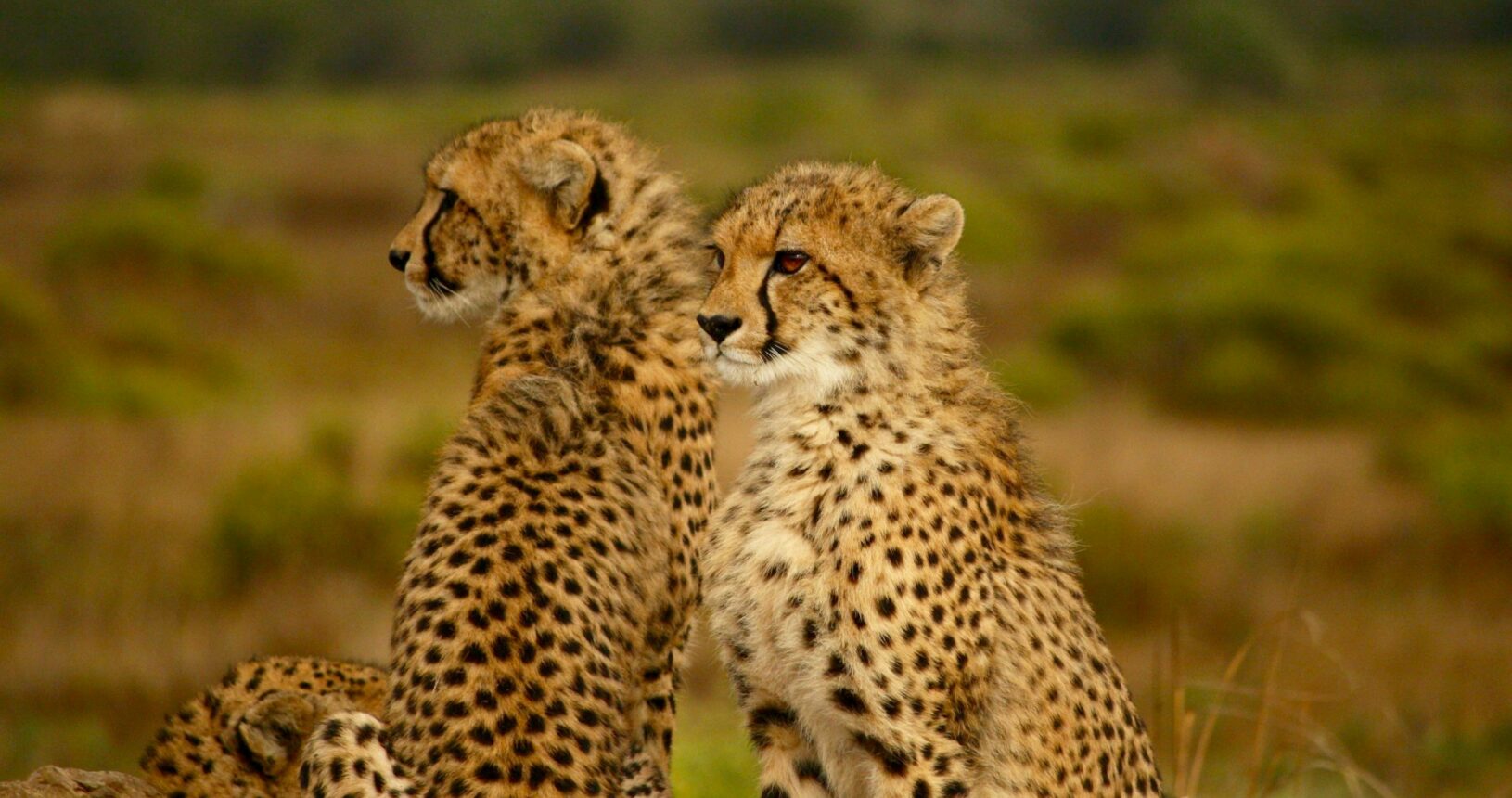
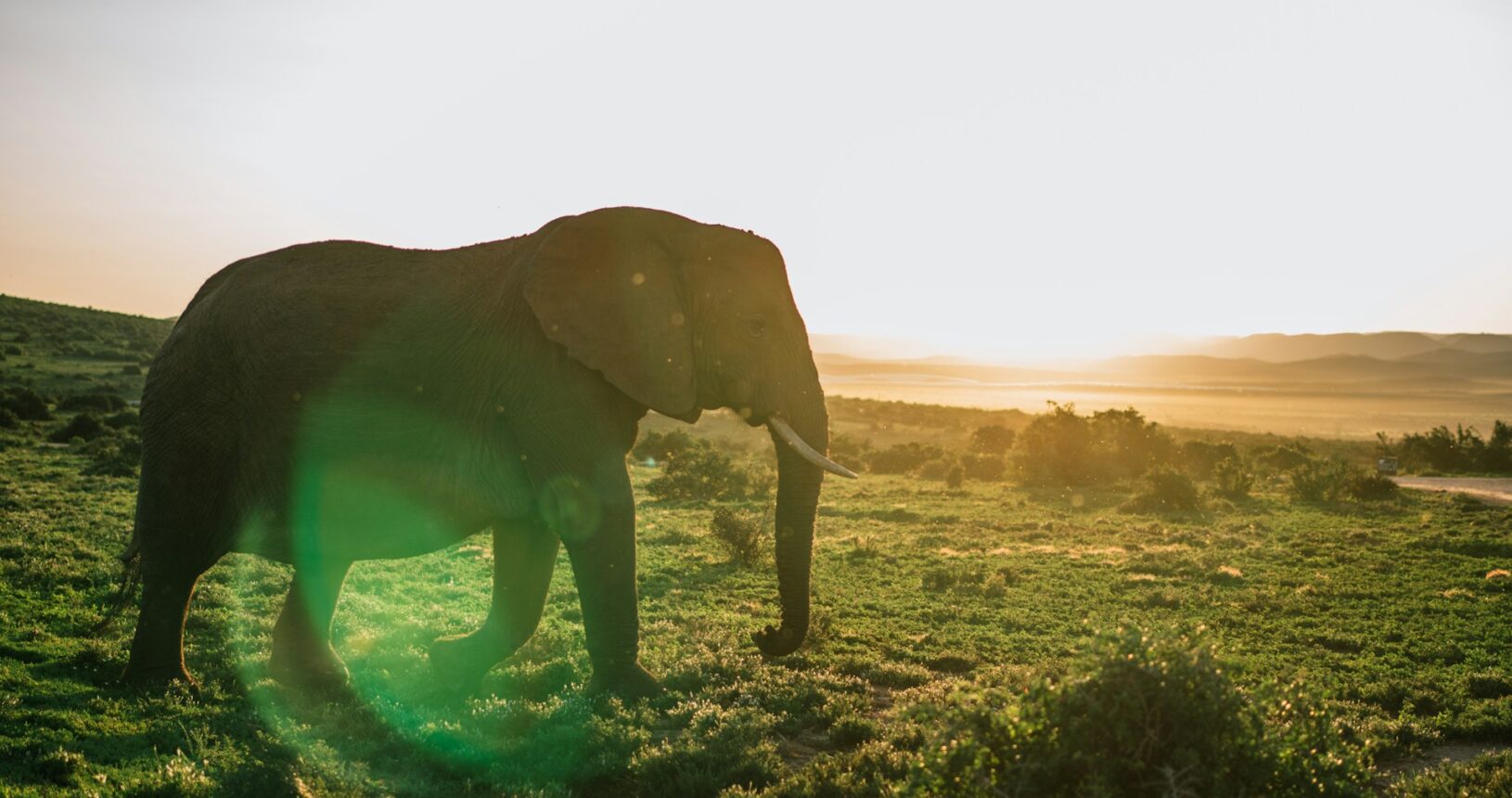
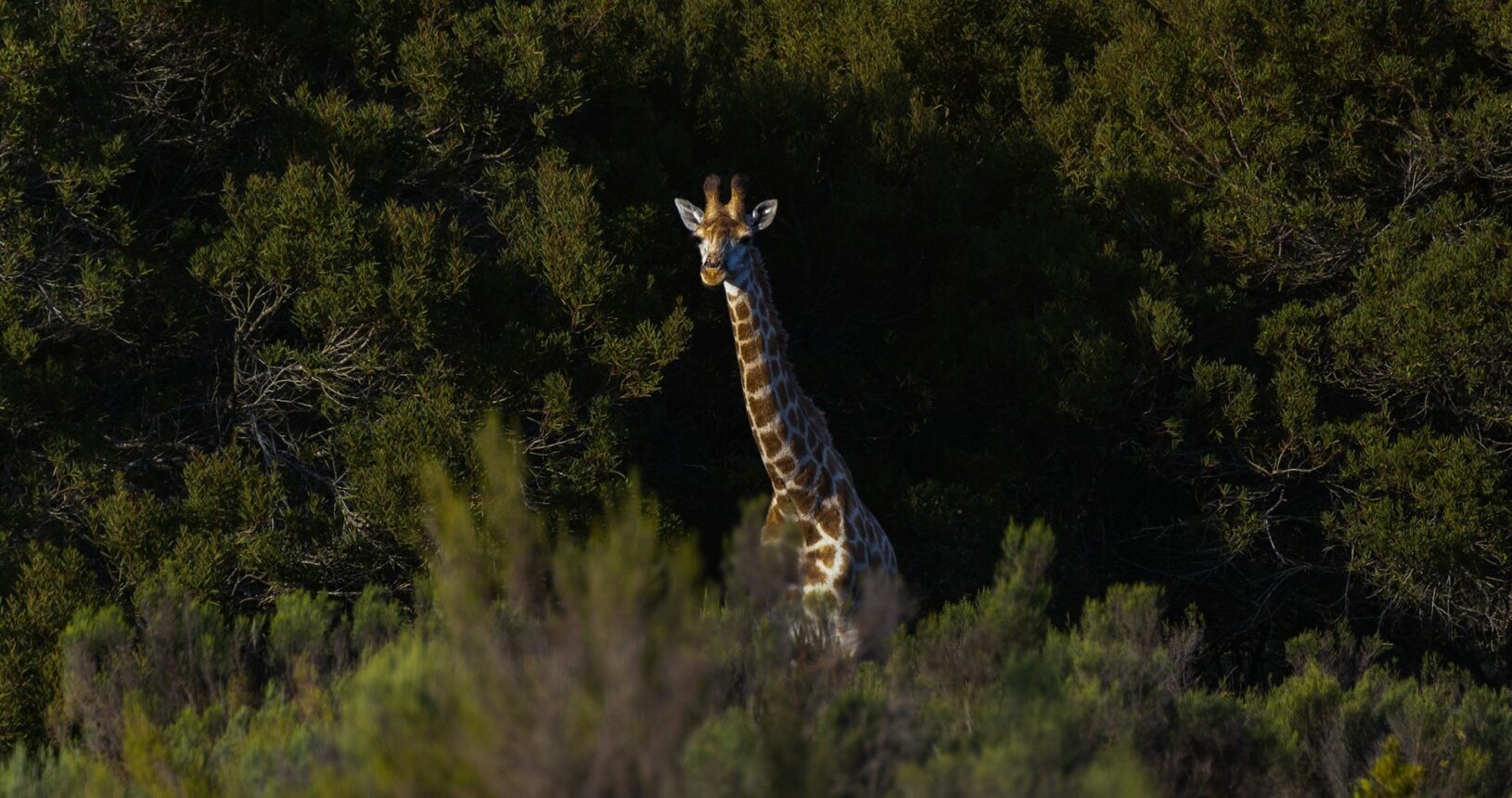
In Africa’s national parks, every sunrise paints a masterpiece — where the wild’s call echoes across endless horizons. Visiting these parks is to witness nature in its purest form, a timeless dance that stirs the soul.
Steps to Book Your Southern Africa Tour
Choose Your Adventure
Confirm Your Booking
Begin Your Journey
Ready to plan your tailor-made safari?