Is Zimbabwe Safe?
February 10, 2026
What to Pack for Zimbabwe
February 10, 2026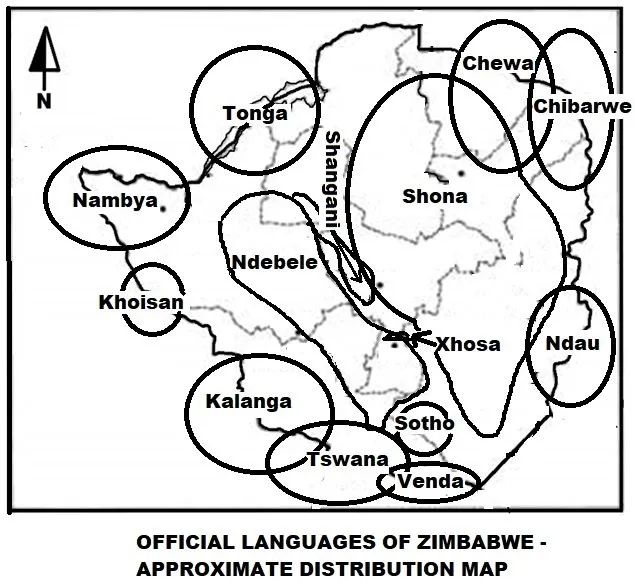
Languages of Zimbabwe
Zimbabwe presents a rich linguistic landscape shaped by history, culture, and community identity. Language does more than support communication; it reflects how people connect, trade, and preserve tradition. As you move across the country, you notice how easily people shift between languages depending on context. English supports formal communication, while indigenous languages bring everyday interactions to life, especially in homes and local communities.
Why Book This Destination
Explore More about Languages of Zimbabwe
Official Languages of Zimbabwe
A Multilingual Identity
Zimbabwe officially recognizes sixteen languages, a decision that reflects its cultural diversity and commitment to inclusion. These languages include Shona, Ndebele, English, Chewa, Chibarwe, Kalanga, Koisan, Nambya, Ndau, Shangani, Sotho, Tonga, Tswana, Venda, Xhosa, and Zimbabwe Sign Language. Each language represents a distinct group with its own traditions, history, and way of life.
This recognition supports cultural pride and ensures that smaller communities maintain their voice within the national identity. It also strengthens education and local governance by allowing people to engage in languages they understand deeply.
The Role of English
English plays a central role in Zimbabwe’s public and professional life. It shapes communication in government, education, media, and business. Travelers find it easy to navigate the country because English remains widely spoken, especially in cities and tourism hubs.
In safari settings, English ensures smooth interaction between guests and guides. Whether you stay in Hwange or visit Victoria Falls, you receive clear explanations and professional service. This consistency makes Zimbabwe an accessible destination for international travelers.
Major Indigenous Languages
Shona Language
Shona dominates much of Zimbabwe, especially in the central and northern regions. It forms the backbone of daily communication in cities like Harare and extends into rural areas where it carries strong cultural meaning. The language includes several dialects, yet speakers understand each other without difficulty.
Shona plays a key role in storytelling, music, and traditional ceremonies. Many cultural expressions, including proverbs and songs, rely on Shona to convey meaning that English cannot fully capture. This depth gives visitors a glimpse into Zimbabwe’s cultural richness when they interact with local communities.
Ndebele Language
Ndebele stands as the second most widely spoken language, mainly in the southwestern regions such as Bulawayo. It shares roots with Zulu, which creates similarities in sound and structure. This connection reflects historical migration and cultural ties within southern Africa.
Ndebele culture emphasizes respect and social structure, and language plays a strong role in expressing these values. Greetings and forms of address carry meaning, and people use them carefully in daily interactions. Visitors who spend time in Ndebele-speaking areas often notice this sense of order and cultural pride.
Regional and Minority Languages
Language Distribution Across Zimbabwe
Beyond Shona and Ndebele, Zimbabwe hosts a range of smaller languages that define specific regions. Tonga appears strongly in the Zambezi Valley, while Kalanga spreads near the western border with Botswana. Shangani, Venda, and Ndau also shape communication in their respective communities.
These languages may not dominate nationally, but they carry deep local importance. They influence how people relate to land, tradition, and family life. Travelers who explore beyond major cities encounter these languages more frequently, especially during community visits.
Preserving Linguistic Heritage
Zimbabwe continues to protect its linguistic diversity through education and policy. Some schools teach in local languages during early education, which helps children build a strong cultural foundation. This approach ensures that younger generations maintain their identity while still gaining fluency in English.
The effort to preserve these languages reflects a broader commitment to cultural sustainability. It allows communities to retain their voice while adapting to modern systems.
Language Use in Daily Life
Communication in Urban Areas
Cities like Harare and Bulawayo create a dynamic mix of languages. People often blend English with Shona or Ndebele within a single conversation. This fluid use of language reflects both modern influence and strong cultural roots.
Urban professionals may conduct business in English, then switch to a local language in social settings. This flexibility makes communication efficient and culturally grounded at the same time.
Language in Tourism
Tourism operates primarily in English, which simplifies travel for international visitors. Guides, lodge staff, and drivers communicate clearly and professionally. Many guides also speak multiple local languages, which adds depth when interpreting culture or wildlife behavior.
When visitors learn a few local greetings, they often receive a warm and genuine response. This small effort creates meaningful connections and enhances the overall travel experience.
Language and Cultural Identity
Language as Cultural Expression
Language in Zimbabwe carries emotion, respect, and tradition. It shapes how people greet each other, tell stories, and pass down knowledge. Simple interactions often include expressions that reflect respect and community values.
Proverbs and idioms hold particular importance, as they communicate wisdom in a concise but powerful way. These expressions often lose meaning when translated directly, which shows how deeply language connects to culture.
Experiencing Language as a Visitor
Visitors who engage with local languages gain a deeper understanding of Zimbabwe beyond the surface. Even a simple greeting in Shona or Ndebele shows respect and openness. People appreciate this effort and often respond with warmth and curiosity.
This interaction creates a more immersive experience, especially when combined with cultural visits or guided tours. Language becomes a bridge that connects travelers to the people and stories behind the destination.
Understanding Language in Zimbabwe
Zimbabwe’s linguistic diversity adds depth to every journey through the country. English provides ease of communication, while indigenous languages reveal the true character of its people. Travelers who pay attention to language experience a more authentic and rewarding connection with Zimbabwe.
In Africa’s national parks, every sunrise paints a masterpiece — where the wild’s call echoes across endless horizons. Visiting these parks is to witness nature in its purest form, a timeless dance that stirs the soul.


Steps to Book Your Southern Africa Tour
Choose Your Adventure
Confirm Your Booking
Begin Your Journey
Ready to plan your tailor-made safari?