Everything You Should Know About Zimbabwe Tours
February 1, 2026
Safaris & Tours In Zimbabwe
February 1, 2026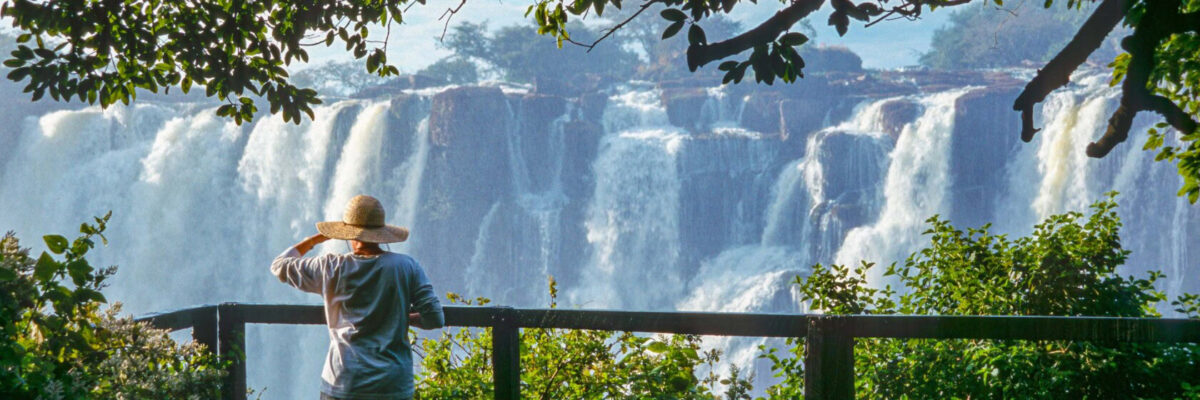
South Africa
Home / Destinations / Zimbabwe Safaris /
When to go to Zimbabwe For Safaris
The best time to visit Zimbabwe is generally during the dry season from May to October, when vegetation thins out, wildlife gathers around water sources, and game viewing becomes exceptional in Hwange National Park, Mana Pools, and Matobo Hills. Days are sunny and mild, nights are cooler, and safari visibility reaches its peak. This period also offers excellent conditions for walking safaris and canoeing along the Zambezi River.
However, the green season from November to April brings warmer temperatures and seasonal rains that transform the landscape into a lush, vibrant wilderness. This period offers dramatic skies, abundant birdlife, and newborn animals, particularly in the early months of the year. While wildlife disperses due to widespread water availability, the scenery becomes strikingly beautiful, making it ideal for travellers who prefer fewer crowds and rich photographic contrasts.
Why Book Any Time Of The Year
Tips For First Time Travellers
For first-time travelers, keep your planning simple and focus on the essentials. Start by choosing a clear itinerary so you’re not rushing between too many places, and always book trusted accommodations, transfers, and tours in advance. Pack light, versatile clothing and include basics like a power bank, travel documents, and any personal medication. Be mindful of local customs, keep an open mind, and give yourself time to adjust to new environments. Most importantly, stay flexible—unexpected moments often become the highlights of your trip.
Month By Month
January
January in Zimbabwe
Emerald Landscapes, Dramatic Skies, and Peak Green Season Atmosphere
January sits deep within Zimbabwe’s green season. The country transforms under consistent summer rainfall, with landscapes turning lush, rivers flowing strongly, and dramatic cloud formations building across wide African skies. The scenery feels vibrant and alive, especially across Hwange National Park, Mana Pools, and the Matobo Hills.
Tourism activity slows compared to the dry winter months, creating a quieter safari atmosphere and more flexible lodge availability. Wildlife disperses across wider areas due to abundant water sources, which changes viewing patterns but enhances the overall wilderness experience. January appeals to travelers who value scenery, photography, birdlife, and a softer, more intimate safari rhythm.
Understanding the January Weather in Zimbabwe
January brings warm to hot temperatures combined with seasonal rainfall. Daytime temperatures generally range between 20°C and 32°C in most safari regions, though humidity rises during and after rainfall.
Showers often arrive in the afternoon or evening, sometimes accompanied by thunderstorms. Rain rarely falls all day; mornings often begin clear before clouds build later. The landscape benefits from consistent moisture, and vegetation grows thick across plains and woodland areas.
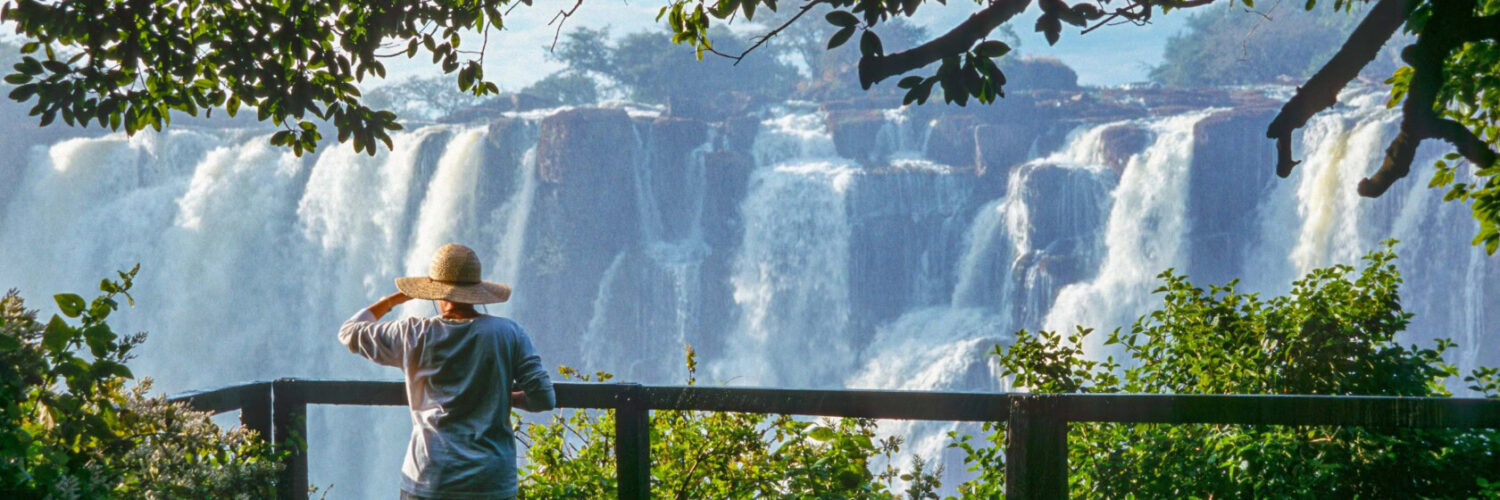
Victoria Falls remains powerful during this period, with rising water levels and expanding spray as upstream rains continue feeding the Zambezi River.
Wildlife Experiences in January
Wildlife viewing in January shifts compared to the dry season. With water available widely, animals disperse into broader habitats rather than concentrating at limited waterholes. Sightings require more patience and skilled guiding.
However, the green season offers its own strengths. Many herbivores give birth during this period, creating opportunities to observe young animals and natural predator-prey dynamics. Birdlife peaks dramatically, with migratory species present and breeding plumage on display.
Hwange National Park remains productive with expert guides who track movement patterns, while Mana Pools offers lush riverine scenery and elephant activity along the Zambezi floodplains.
Average January Weather in Zimbabwe
Temperatures across major safari regions typically range between 20°C and 32°C. Rainfall is frequent but usually arrives in short, intense bursts rather than continuous downpours. Humidity levels are higher than in winter months.
The country appears at its greenest, with full grasslands, flowering plants, and refreshed ecosystems.
Best Places to Visit in Zimbabwe in January
Victoria Falls delivers a dramatic spectacle as water volumes increase, creating stronger spray and mist columns. The surrounding rainforest becomes thick and vibrant.
Hwange National Park offers expansive green plains and newborn wildlife, though sightings require patience due to dispersal. Mana Pools presents striking scenery along the Zambezi River, particularly for photography-focused travelers.
The Eastern Highlands also perform beautifully in January, with mist-covered mountains, waterfalls, and cooler temperatures ideal for hiking.
Activities to Enjoy in January
Game drives remain central, though expectations adjust toward scenic exploration and behavioral observation rather than dense wildlife concentrations. Birdwatching thrives across all major reserves.
Photographic safaris benefit from dramatic skies, green backdrops, and soft post-rain light. Victoria Falls tours provide powerful viewing conditions as river levels rise.
January suits travelers who prioritize landscape beauty, birdlife, and a quieter safari pace. It may not represent peak game-viewing concentration, but it offers one of Zimbabwe’s most visually striking and atmospheric seasons.
February
February in Zimbabwe
Lush Green Landscapes, Peak Birdlife, and Rising Water Levels
February continues Zimbabwe’s green season, with landscapes fully refreshed by consistent summer rainfall. Grasslands stand tall, trees remain thick with foliage, and rivers and pans hold abundant water. The country feels vibrant and alive, especially across Hwange National Park, Mana Pools, and the Eastern Highlands.
Tourism remains low compared to the dry winter months, creating a quiet and intimate safari environment. Wildlife spreads widely across the terrain due to plentiful water, which reduces concentrated sightings but enhances scenic exploration. February appeals to photographers, birdwatchers, and travelers who value dramatic skies, fewer vehicles, and reduced seasonal rates.
Understanding the February Weather in Zimbabwe
February remains warm and humid, with regular rainfall across most safari regions. Daytime temperatures typically range between 20°C and 31°C, while nights stay mild.
Rain often falls in short, heavy afternoon or evening storms rather than all-day downpours. Mornings frequently begin clear and bright before cloud build-up later in the day. Humidity levels remain elevated, especially in lowland areas.
Victoria Falls grows increasingly powerful as Zambezi River levels continue rising from upstream rainfall. The spray intensifies, and sections of the rainforest remain mist-covered.
Wildlife Experiences in February
Wildlife viewing follows green-season patterns. With water widely available, animals disperse across parks rather than concentrating at permanent waterholes. Sightings require experienced guiding and patience.
However, February offers rewarding seasonal advantages. Many antelope species care for young born earlier in the summer, increasing predator activity. Birdlife reaches peak diversity, with migratory species present and breeding displays visible in wetlands and woodland areas.
Hwange presents broad green plains and elephant movement across open terrain. Mana Pools remains scenic along the Zambezi River, where elephants, hippos, and crocodiles stay active despite seasonal rains.
Average February Weather in Zimbabwe
Temperatures generally range from 20°C to 31°C across major safari areas. Rainfall remains frequent but intermittent, typically arriving in thunderstorms. Humidity stays noticeable yet manageable during clear morning hours.
Vegetation remains dense and green, creating strong photographic contrast and softer natural light.
Best Places to Visit in Zimbabwe in February
Victoria Falls becomes increasingly dramatic, with higher water volume and heavier mist. Viewing platforms may experience spray, especially toward month’s end.
Hwange National Park offers scenic drives and excellent birdwatching opportunities. Mana Pools delivers lush riverine beauty and wildlife activity along the Zambezi floodplains.
The Eastern Highlands perform exceptionally well in February, with flowing waterfalls, mist-covered mountains, and cooler hiking conditions.
Activities to Enjoy in February
Game drives focus on tracking dispersed wildlife while enjoying vibrant scenery. Birdwatching thrives throughout wetlands and woodland habitats. Photographic safaris benefit from towering storm clouds and vivid green backdrops.
Victoria Falls tours offer powerful water views, though visitors should prepare for spray during peak flow buildup.
February suits travelers who prioritize natural beauty, birdlife diversity, and quiet safari environments. While wildlife concentration remains lower than in winter, the richness of landscape and atmosphere defines Zimbabwe’s green season experience.
March
March in Zimbabwe
Late Green Season, Powerful Victoria Falls, and Lush Safari Landscapes
March marks the final stretch of Zimbabwe’s green season. Rainfall begins to ease compared to January and February, yet landscapes remain richly green, rivers stay full, and vegetation still appears dense. The country carries a fresh, revitalized look, with dramatic skies and strong river systems defining the scenery.
Tourism remains relatively low before the dry season begins in May, allowing for peaceful safari conditions and attractive shoulder-season rates. Wildlife gradually starts adjusting to changing water patterns, though dispersal across parks continues. March appeals to travelers who seek scenic beauty, fewer crowds, and one of the most powerful viewing periods at Victoria Falls.
Understanding the March Weather in Zimbabwe
March remains warm but slightly less humid than the peak rainy months. Daytime temperatures typically range between 19°C and 30°C across major safari regions. Rainfall still occurs, though showers become less frequent and often arrive in shorter bursts.
Mornings frequently begin clear, with cloud build-up later in the afternoon. Humidity begins to moderate as the month progresses. Road conditions improve gradually, though some remote areas may still experience occasional wet patches.
Victoria Falls approaches one of its strongest flow periods as upstream rainfall continues feeding the Zambezi River.
Wildlife Experiences in March
Wildlife viewing remains influenced by green-season patterns. Water remains widely available, so animals continue to disperse rather than cluster tightly around permanent waterholes. Sightings require experienced guiding and strategic movement.
However, March presents excellent opportunities for observing healthy herds and young animals born earlier in the season. Predator activity remains steady, particularly in areas where prey movement becomes more predictable as rainfall decreases.
Birdwatching continues at a high level, with migratory species still present and landscapes alive with breeding activity.
Average March Weather in Zimbabwe
Temperatures generally range from 19°C to 30°C across major safari areas. Rainfall decreases compared to February but remains possible throughout the month. Humidity levels begin to ease gradually.
Vegetation stays dense and vibrant, maintaining the green-season character while offering improving road access and clearer travel windows.
Best Places to Visit in Zimbabwe in March
Victoria Falls becomes a major highlight in March. Water volume increases significantly, creating thunderous cascades and expansive mist clouds. The surrounding rainforest thrives under heavy spray.
Hwange National Park offers scenic safari drives with broad green plains and active wildlife movement. Mana Pools remains lush along the Zambezi River, with strong river flow and vibrant floodplains.
The Eastern Highlands perform beautifully in March, with flowing waterfalls, cooler temperatures, and dramatic mountain views.
Activities to Enjoy in March
Game drives focus on scenic exploration combined with patient wildlife tracking. Birdwatching remains outstanding across wetlands and woodland regions. Photography thrives under towering storm clouds and vivid landscapes.
Victoria Falls tours deliver one of the most dramatic water spectacles of the year. Travelers should prepare for heavy spray near main viewpoints during peak flow buildup.
March suits travelers who prioritize scenery, strong river systems, and a quieter safari atmosphere before the dry season crowds return. It represents a balanced transition between Zimbabwe’s lush summer and the approaching dry winter safari peak.
April
April in Zimbabwe
End of the Rains, Mighty Victoria Falls, and Transition Toward Dry Season
April marks the final phase of Zimbabwe’s green season and the beginning of seasonal transition. Rainfall reduces significantly, landscapes remain lush and refreshed, and skies begin to clear more consistently. The country appears vibrant, yet travel conditions steadily improve as roads dry and humidity drops.
This is one of the most visually dramatic months of the year. Rivers remain full, grasslands stay green, and Victoria Falls reaches one of its most powerful flow periods. Tourism activity remains moderate, sitting between the quiet green season and the upcoming winter safari peak. April appeals to travelers who seek scenic beauty, strong river systems, and improving wildlife conditions before the dry season sets in.
Understanding the April Weather in Zimbabwe
April brings warm and increasingly stable weather. Daytime temperatures typically range between 17°C and 29°C across major safari regions. Humidity drops compared to previous months, and rainfall becomes infrequent.
Mornings are often clear and crisp, with cooler evenings developing as winter approaches. Ground conditions improve across national parks, making travel more reliable and comfortable.
The Zambezi River continues to swell from upstream rainfall, driving dramatic water volume at Victoria Falls.
Wildlife Experiences in April
Wildlife viewing begins improving as water sources slowly reduce and animal movement becomes more predictable. While vegetation remains relatively thick, dispersal starts to decrease compared to peak rainy months.
Hwange National Park offers expanding visibility across grasslands as grass height begins to drop. Elephant herds remain active, and predator tracking becomes easier with firmer ground conditions.
Mana Pools benefits from strong river flow along the Zambezi, where elephants, hippos, and crocodiles remain concentrated near the water. Birdlife remains diverse, though migratory species gradually prepare to depart.
Average April Weather in Zimbabwe
Temperatures generally range from 17°C to 29°C. Rainfall drops significantly compared to March, and humidity continues to ease. Skies become clearer, and evenings turn cooler.
The combination of greener landscapes and improving dryness makes April one of the most scenic transition months.
Best Places to Visit in Zimbabwe in April
Victoria Falls stands at or near peak flow in April. The waterfall becomes thunderous, and heavy spray creates mist clouds visible from long distances. Visitors should prepare for wet conditions near viewing platforms.
Hwange National Park offers improving safari conditions with expanding wildlife visibility. Mana Pools remains lush and scenic, though some camps may reopen gradually as the season transitions.
The Eastern Highlands shine with flowing waterfalls, green hills, and cool hiking weather.
Activities to Enjoy in April
Game drives become more productive as wildlife movement patterns stabilize. Walking safaris begin re-emerging in suitable areas as ground conditions improve.
Victoria Falls tours deliver some of the most dramatic water displays of the year. Photography benefits from clear skies combined with powerful river scenery.
April suits travelers who want the visual richness of the green season combined with steadily improving safari conditions. It represents a transitional window where Zimbabwe remains lush yet increasingly accessible before the dry winter peak begins.
May
May in Zimbabwe
Dry Season Begins, Cooler Evenings, and Improving Wildlife Concentration
May marks the clear beginning of Zimbabwe’s dry winter season. The heavy rains have ended, humidity drops noticeably, and landscapes begin shifting from deep green to softer golden tones. Water sources slowly reduce, grass height declines, and wildlife movement becomes more predictable across major safari regions.
Tourism activity begins rising as road conditions improve and wildlife visibility strengthens. The air feels fresh, mornings turn cooler, and skies remain consistently clear. May appeals to travelers who want strong safari conditions without the peak-season crowds of June through August.
Understanding the May Weather in Zimbabwe
May brings stable, dry weather across most safari areas. Daytime temperatures typically range between 14°C and 27°C, while early mornings and evenings can feel distinctly cool, particularly in open plains and higher elevations.
Rainfall becomes extremely rare, and humidity levels remain low. Clear skies dominate both morning and afternoon hours. Ground conditions are firm, making access to remote sections of parks easier and more reliable.
The Zambezi River remains high from earlier rains, though water levels at Victoria Falls begin to stabilize after the dramatic April peak.
Wildlife Experiences in May
Wildlife viewing improves steadily throughout May. As seasonal pans begin drying, animals start returning to permanent water sources such as rivers and pumped waterholes. Concentrations increase gradually, especially in Hwange National Park where elephants and buffalo begin moving toward established water points.
Vegetation continues thinning, improving visibility across open grasslands and woodland edges. Predator tracking becomes more effective due to firmer ground and clearer sightlines.
Mana Pools begins preparing for its dry-season peak, with elephant activity increasing along the Zambezi River floodplains. Birdlife remains present, though migratory species start departing as winter approaches.
Average May Weather in Zimbabwe
Temperatures generally range from 14°C to 27°C across major safari regions. Rainfall is minimal to nonexistent. Evenings grow cooler, and early mornings may require warm layers, especially during game drives.
The climate feels dry, comfortable, and increasingly crisp, marking the true arrival of winter safari conditions.
Best Places to Visit in Zimbabwe in May
Hwange National Park performs strongly as wildlife begins concentrating around permanent waterholes. Elephant sightings increase in both frequency and size of herds.
Mana Pools National Park reopens for the dry season in many areas, offering scenic river landscapes and improving wildlife tracking conditions. Victoria Falls remains powerful yet slightly less mist-heavy compared to April, allowing clearer panoramic views.
The Eastern Highlands offer cool hiking weather and excellent visibility across mountain ridges.
Activities to Enjoy in May
Game drives become longer and more productive as animals follow predictable water patterns. Walking safaris grow more comfortable due to dry ground and cooler temperatures. Photography benefits from clear skies and softer winter light.
Victoria Falls tours remain impressive, with strong flow still visible while access to viewpoints becomes easier due to reduced spray.
May stands as one of Zimbabwe’s most balanced safari months. It delivers improving wildlife concentration, stable weather, and cooler evenings without the higher visitor numbers of peak winter.
June
June in Zimbabwe
Cool Winter Mornings, Clear Skies, and Strong Wildlife Concentration
June signals the full arrival of Zimbabwe’s dry winter season. Rain has long disappeared, vegetation continues thinning, and wildlife movement becomes increasingly concentrated around permanent water sources. The air turns crisp in the mornings, days remain pleasantly mild, and skies stay consistently clear.
Tourism activity rises steadily as safari conditions strengthen. Roads remain firm, access to remote areas improves, and guiding becomes more focused around predictable wildlife patterns. June appeals to travelers seeking classic dry-season safari conditions without the busier peak of July and August.
Understanding the June Weather in Zimbabwe
June brings dry, stable, and cool conditions across most safari regions. Daytime temperatures typically range between 10°C and 25°C. Early mornings and evenings can feel cold, especially during open-vehicle game drives, while afternoons warm comfortably under clear skies.
Rainfall is virtually nonexistent. Humidity levels remain very low, and visibility stretches far across plains and river systems. The dry air and clear atmosphere create ideal travel and photography conditions.
Victoria Falls begins transitioning away from peak flood levels, though the waterfall remains impressive with steadily reducing spray.
Wildlife Experiences in June
Wildlife viewing strengthens considerably in June. As smaller pans dry out completely, animals rely almost entirely on permanent rivers and pumped waterholes. Concentrations increase noticeably in Hwange National Park, where elephant herds gather in large numbers around established water points.
Grass height continues dropping, improving sightlines across open terrain. Predator activity becomes easier to track, especially lion and hyena following prey movements near water sources.
Mana Pools performs well along the Zambezi River, where elephants, buffalo, and hippos remain active along exposed riverbanks. Birdlife focuses primarily on resident species as migratory birds depart.
Average June Weather in Zimbabwe
Temperatures generally range from 10°C to 25°C across major safari areas. Rainfall is absent, and humidity remains low. Nights and early mornings require warm layers, while afternoons stay comfortable and sunny.
The dry atmosphere creates some of the clearest skies of the year.
Best Places to Visit in Zimbabwe in June
Hwange National Park stands out for concentrated elephant and buffalo sightings around waterholes. Predator tracking improves across open plains.
Mana Pools delivers excellent river-based wildlife viewing, particularly for elephant encounters along the Zambezi floodplain. Victoria Falls offers clearer panoramic views as spray reduces, making photography easier.
The Matobo Hills provide scenic landscapes and strong rhino tracking opportunities under cool winter weather.
Activities to Enjoy in June
Game drives dominate June safari itineraries, offering predictable wildlife patterns and extended viewing time around water sources. Walking safaris thrive under dry ground conditions and cool temperatures.
Photographic safaris benefit from crisp air and clear winter light. Victoria Falls excursions allow broader access to viewpoints with less mist interference compared to earlier months.
June represents a reliable and increasingly productive safari month in Zimbabwe. It combines strong wildlife concentration, comfortable daytime temperatures, and classic dry-season clarity before peak winter visitor numbers arrive.
July
July in Zimbabwe
Peak Dry Season, Crisp Winter Air, and Exceptional Wildlife Viewing
July sits at the heart of Zimbabwe’s dry winter season and represents one of the strongest safari months of the year. Water sources have reduced significantly, vegetation has thinned across plains and woodland, and wildlife concentrates heavily around permanent rivers and pumped waterholes. The landscape shifts into golden winter tones, with open visibility across wide savannahs.
Tourism reaches peak levels in July due to school holidays and optimal game-viewing conditions. Despite this, Zimbabwe’s parks retain a sense of space and wilderness, especially in vast reserves like Hwange and Mana Pools. Safari days feel focused and productive, with extended time spent observing large herds and predator activity near water.
Understanding the July Weather in Zimbabwe
July brings cool, dry, and highly stable weather. Daytime temperatures generally range between 7°C and 24°C across most safari regions. Early mornings and evenings can feel cold, particularly during open-vehicle game drives, while afternoons warm pleasantly under bright sunshine.
Rainfall is nonexistent, and humidity remains extremely low. Skies stay clear, and visibility stretches across long distances. The crisp winter air creates ideal conditions for photography and extended outdoor activity.
Victoria Falls continues flowing strongly, though water levels gradually reduce compared to the April peak, allowing clearer panoramic views with manageable spray.
Wildlife Experiences in July
Wildlife viewing in July reaches peak consistency. Animals rely almost entirely on permanent water sources, creating predictable gathering points. Hwange National Park becomes especially productive, with large elephant herds, buffalo, zebra, and antelope congregating at waterholes.
Predator sightings improve significantly. Lions patrol near water points, and hyenas remain active along dry riverbeds. Reduced vegetation enhances sightlines, allowing longer observation of behavior and interaction.
Mana Pools performs strongly along the Zambezi River, where elephants, buffalo, and hippos remain concentrated along exposed riverbanks. Walking safaris become particularly rewarding due to dry ground and stable weather.
Average July Weather in Zimbabwe
Temperatures typically range from 7°C to 24°C. Rainfall is absent, and skies remain consistently clear. Nights can become very cold in open plains, while afternoons stay comfortably mild.
These dry and stable conditions create some of the most dependable safari weather of the year.
Best Places to Visit in Zimbabwe in July
Hwange National Park stands out as a premier destination due to heavy wildlife concentration around waterholes. Mana Pools offers strong river-based encounters and excellent walking safari conditions.
Victoria Falls provides impressive views with reduced spray compared to peak flood months, improving photographic opportunities. The Matobo Hills deliver cool hiking weather and rewarding rhino tracking experiences.
Activities to Enjoy in July
Game drives dominate, offering predictable wildlife sightings and extended viewing sessions at water sources. Walking safaris reach peak quality due to dry ground and cooler temperatures.
Photographic safaris benefit from sharp winter light and open landscapes. Canoeing in Mana Pools becomes increasingly rewarding as river levels stabilize.
July stands as one of Zimbabwe’s most reliable safari months. It combines concentrated wildlife, cool winter clarity, and classic dry-season conditions that define the country’s peak safari experience.
August
August in Zimbabwe
Deep Dry Season, High Wildlife Density, and Clear Winter Skies
August sits firmly within Zimbabwe’s peak dry season and continues the strong safari momentum established in July. Vegetation becomes sparse, smaller water pans disappear completely, and wildlife concentrates heavily around permanent rivers and pumped waterholes. The landscape carries golden winter tones, with wide open visibility across savannah and woodland.
Visitor numbers remain high due to excellent game-viewing conditions and international holiday travel. Despite this, Zimbabwe’s vast protected areas maintain a spacious and uncrowded feel. Safari experiences become highly productive, with long observation periods at water points and strong predator activity.
Understanding the August Weather in Zimbabwe
August remains dry, cool, and extremely stable. Daytime temperatures generally range between 9°C and 27°C across most safari regions. Early mornings are cold, especially in open vehicles, while afternoons warm comfortably under clear skies.
Rainfall remains nonexistent, and humidity stays very low. Skies are cloudless for much of the month, providing excellent visibility and reliable travel conditions. The dry air sharpens distant views and enhances photographic clarity.
Victoria Falls continues flowing steadily, though water levels gradually reduce as the dry season progresses.
Wildlife Experiences in August
Wildlife viewing remains exceptional in August. Animals depend almost entirely on permanent water sources, creating dense concentrations in areas such as Hwange National Park. Large elephant herds gather at waterholes, often arriving in continuous waves throughout the day.
Predator sightings remain strong. Lions position themselves near water sources where prey movement is predictable. Hyenas and leopards become easier to track due to sparse vegetation and dry ground.
Mana Pools delivers impressive river-based wildlife encounters. Elephants dig for water along sandy banks, buffalo graze near exposed floodplains, and hippos cluster in shrinking river channels.
Birdlife focuses primarily on resident species, as migratory birds have departed.
Average August Weather in Zimbabwe
Temperatures typically range from 9°C to 27°C. Rainfall is absent, and skies remain consistently clear. Nights and dawn drives require warm clothing, while midday temperatures feel pleasantly mild.
These dry and predictable conditions sustain some of the year’s strongest safari performance.
Best Places to Visit in Zimbabwe in August
Hwange National Park stands at peak productivity, particularly around pumped waterholes that sustain large wildlife gatherings. Mana Pools offers concentrated riverbank activity and prime walking safari conditions.
Victoria Falls remains impressive, with clearer viewpoints and reduced mist compared to peak flood months. The Matobo Hills provide comfortable hiking weather and excellent rhino tracking experiences.
Activities to Enjoy in August
Game drives dominate the safari calendar, with extended wildlife viewing sessions around water points. Walking safaris remain highly rewarding due to firm ground and sparse vegetation.
Canoe safaris in Mana Pools become particularly attractive as river conditions stabilize. Photographic safaris benefit from crisp winter light and unobstructed sightlines across open landscapes.
August stands as one of Zimbabwe’s strongest safari months. It delivers peak wildlife density, clear winter skies, and dependable dry-season conditions that define the country’s premier safari experience.
September
September in Zimbabwe
Late Dry Season Intensity, Peak Wildlife Pressure, and Rising Heat
September marks the height of Zimbabwe’s late dry season. Water sources become critically limited, vegetation thins to its lowest levels, and wildlife concentrations reach their annual peak around permanent rivers and pumped waterholes. The landscape turns dusty and golden, with exposed earth and open plains dominating the scenery.
Temperatures begin rising as winter fades, adding intensity to safari days. Wildlife activity increases around shrinking water supplies, creating dramatic predator-prey interactions. September appeals to travelers seeking powerful, high-density game viewing under clear skies and classic dry-season conditions.
Understanding the September Weather in Zimbabwe
September remains dry and stable, but temperatures climb steadily compared to the cooler winter months. Daytime temperatures generally range between 14°C and 32°C, with heat building particularly in lowland areas such as Hwange and Mana Pools.
Rainfall remains absent, and humidity stays low. Skies are clear and cloudless for most of the month. Early mornings remain comfortable, while afternoons can feel hot, especially toward late September.
Victoria Falls continues flowing, though water levels reduce significantly compared to peak flood season, allowing clearer rock formations to emerge around the falls.
Wildlife Experiences in September
Wildlife viewing reaches one of its most intense periods of the year. As smaller pans and seasonal streams dry completely, animals rely almost entirely on permanent water sources. Hwange National Park becomes especially dramatic, with massive elephant herds gathering at waterholes throughout the day.
Buffalo, zebra, and antelope concentrate in visible numbers, attracting lions and other predators into defined hunting zones. Sightlines remain excellent due to sparse vegetation, allowing extended behavioral observation.
Mana Pools delivers strong wildlife activity along the Zambezi River, where elephants dig for water in dry riverbeds and hippos cluster in shrinking channels. Predator tracking becomes highly effective in dry conditions.
Average September Weather in Zimbabwe
Temperatures typically range from 14°C to 32°C, with minimal to no rainfall. Humidity remains low, and skies stay clear. Afternoon heat increases as the month progresses, signaling the transition toward the hot pre-rain season.
Dry ground and dust become defining environmental features across major safari regions.
Best Places to Visit in Zimbabwe in September
Hwange National Park stands out as a prime destination due to dense wildlife concentration around pumped waterholes. Mana Pools remains highly productive along the Zambezi floodplains, particularly for elephant encounters and walking safaris.
Victoria Falls offers clearer viewpoints with reduced mist, though water volume is noticeably lower than earlier in the year. The Matobo Hills continue providing strong rhino tracking under dry, warm conditions.
Activities to Enjoy in September
Game drives dominate the safari experience, focusing on high-density wildlife zones around water. Walking safaris remain exceptional due to clear ground visibility and predictable animal movement.
Canoe safaris in Mana Pools offer close-range encounters along exposed riverbanks. Photographic safaris benefit from unobstructed views and dramatic dust-lit sunsets.
September represents Zimbabwe’s late dry-season peak. It combines intense wildlife concentration, rising temperatures, and consistent clarity—delivering one of the most dramatic safari experiences of the year.
October
October in Zimbabwe
Peak Heat, Extreme Wildlife Concentration, and Pre-Rain Season Drama
October stands as Zimbabwe’s hottest and most intense safari month. The dry season reaches its absolute peak, water sources shrink to critical levels, vegetation becomes extremely sparse, and wildlife crowds around the few remaining permanent rivers and pumped waterholes. The landscape appears dusty, golden, and exposed, with dramatic skies building as the first pre-rain clouds begin forming late in the month.
Temperatures rise sharply, creating powerful wildlife scenes as animals compete for limited water. Predator-prey interactions intensify, and elephant activity becomes especially concentrated. October appeals to seasoned safari travelers seeking raw, high-density game viewing under extreme dry-season conditions.
Understanding the October Weather in Zimbabwe
October brings very hot and dry conditions across most safari regions. Daytime temperatures typically range between 18°C and 35°C, though lowland areas such as Hwange and Mana Pools can exceed this range during peak afternoon heat.
Rainfall remains minimal for most of the month, although isolated thunderstorms may begin appearing toward late October as the first signs of seasonal change emerge. Humidity gradually increases as the atmosphere builds toward the coming rains.
Skies remain mostly clear early in the month, with dramatic cloud formations developing closer to November.
Victoria Falls reaches one of its lowest water levels of the year, exposing more of the rock face and reducing mist significantly.
Wildlife Experiences in October
Wildlife viewing reaches extreme concentration levels in October. Animals depend entirely on permanent water sources, creating dense gatherings across Hwange National Park. Elephant herds often move continuously between waterholes, and large buffalo groups dominate open plains near remaining water.
Predator activity peaks as prey animals cluster tightly around predictable drinking points. Lions remain highly active near waterholes, and hyenas patrol dry riverbeds. Visibility becomes excellent due to almost complete vegetation dieback.
Mana Pools delivers powerful encounters along the Zambezi River, where elephants dig into dry sandbanks for moisture and hippos crowd into shrinking channels. The intensity of survival during this period creates unforgettable wildlife moments.
Average October Weather in Zimbabwe
Temperatures typically range from 18°C to 35°C, with some afternoons exceeding 35°C in hotter regions. Rainfall remains rare but may begin appearing toward the end of the month in short thunderstorms.
Humidity begins rising gradually, signaling the approaching green season. The environment feels hot, dry, and dusty throughout most of October.
Best Places to Visit in Zimbabwe in October
Hwange National Park performs exceptionally well due to massive wildlife concentration around pumped waterholes. Mana Pools offers high-intensity riverbank encounters and dramatic late-dry-season scenery.
Victoria Falls presents a different perspective, with low water levels revealing more geological structure and offering clearer photography conditions. The Matobo Hills remain productive for rhino tracking, though heat becomes a factor during midday hours.
Activities to Enjoy in October
Game drives focus heavily on water sources, delivering prolonged wildlife observation sessions. Walking safaris continue under expert guidance, though early morning departures are essential to avoid peak heat.
Canoe safaris in Mana Pools provide close-range wildlife encounters along exposed riverbanks. Photographic safaris benefit from dramatic dust haze and fiery sunsets intensified by dry atmospheric conditions.
October represents Zimbabwe’s most intense safari month. It combines extreme heat, maximum wildlife concentration, and powerful dry-season drama before the first rains transform the landscape once again.
November
November in Zimbabwe
First Rains, Dramatic Storm Skies, and Wildlife Transition
November marks the beginning of Zimbabwe’s green season. The first meaningful rains arrive after the long dry months, transforming dusty plains into fresh green growth. Thunderstorms build across the horizon, lightning cuts through wide skies, and the scent of rain settles over the savannah. The landscape begins shifting rapidly from dry gold to early emerald tones.
Wildlife behavior changes during this transition. Animals spread out as seasonal pans refill, and pressure around permanent waterholes eases. Tourism activity declines compared to peak dry-season months, creating a quieter safari atmosphere with flexible lodge availability. November appeals to photographers, birdwatchers, and travelers who appreciate dramatic weather patterns and evolving landscapes.
Understanding the November Weather in Zimbabwe
November brings rising temperatures and the first consistent rainfall after October’s intense heat. Daytime temperatures typically range between 20°C and 34°C, with humidity increasing noticeably.
Rain usually arrives in the form of afternoon or evening thunderstorms rather than continuous all-day downpours. Mornings often begin hot and sunny before storm clouds build later. The first rains cool the air temporarily, but humidity remains elevated between showers.
Victoria Falls begins responding gradually to upstream rainfall, though water levels remain relatively low compared to peak flood months.
Wildlife Experiences in November
Wildlife viewing shifts significantly in November. As temporary water sources refill, animals disperse across wider areas rather than concentrating tightly around permanent rivers. Sightings require patience and experienced guiding.
However, the green season introduces powerful advantages. Many antelope species begin giving birth as fresh grazing becomes available, increasing predator movement across open plains. Birdlife surges dramatically with the arrival of migratory species, and breeding displays become common across wetlands and woodland areas.
Hwange National Park transitions from extreme dry-season pressure to scattered wildlife movement, while Mana Pools begins preparing for seasonal changes along the Zambezi floodplain.
Average November Weather in Zimbabwe
Temperatures generally range from 20°C to 34°C. Rainfall becomes more frequent toward the middle and end of the month, though it often falls in short, intense bursts. Humidity rises steadily.
The landscape begins turning green, with fresh shoots appearing across plains after the first storms.
Best Places to Visit in Zimbabwe in November
Hwange National Park remains accessible, though wildlife disperses more widely. Mana Pools may close in certain areas as seasonal rains affect ground conditions.
Victoria Falls offers clearer views due to lower water levels, though gradual increases begin later in the season. The Eastern Highlands perform beautifully in November, with misty mountain views and revitalized vegetation following early rains.
Activities to Enjoy in November
Game drives focus on tracking movement across greener landscapes rather than concentrating solely at waterholes. Birdwatching becomes exceptional with migratory arrivals and breeding activity.
Photographic safaris thrive under towering storm clouds and lightning-lit skies. Victoria Falls tours remain accessible, though water flow remains moderate compared to peak months.
November represents Zimbabwe’s turning point from dry-season intensity to green-season renewal. It delivers dramatic skies, newborn wildlife, and refreshed landscapes for travelers who appreciate seasonal change and quieter safari environments.
December
December in Zimbabwe
Emerald Landscapes, Summer Storms, and Peak Green Season Renewal
December places Zimbabwe firmly within the green season. Regular rainfall transforms the country into a vibrant mosaic of fresh grasslands, flowing rivers, and dramatic storm-lit skies. The harsh dryness of October has disappeared, replaced by soft green plains and rejuvenated woodland.
Tourism remains relatively low outside of the Christmas and New Year holiday period, creating a peaceful safari atmosphere. Wildlife spreads across newly filled pans and grazing areas, shifting away from concentrated dry-season patterns. December appeals to photographers, birdwatchers, and travelers who value scenery, fewer vehicles, and lush seasonal beauty.
Understanding the December Weather in Zimbabwe
December brings warm to hot temperatures combined with consistent rainfall. Daytime temperatures typically range between 20°C and 32°C, though humidity rises noticeably between storms.
Rain usually falls in afternoon or evening thunderstorms rather than all-day downpours. Mornings often begin clear and sunny before cloud build-up later in the day. Lightning storms create dramatic skies across open savannah.
Victoria Falls begins responding more visibly to upstream rainfall as the Zambezi River gradually increases in volume, though peak flood conditions remain months away.
Wildlife Experiences in December
Wildlife viewing shifts fully into green-season patterns. With water widely available, animals disperse across larger territories rather than clustering at permanent waterholes. Sightings require skilled tracking and patience.
However, December offers strong seasonal advantages. Many antelope species give birth during this period, attracting predators and creating dynamic behavioral encounters. Birdlife reaches peak diversity, with migratory species present and breeding plumage highly visible.
Hwange National Park showcases expansive green plains dotted with wildlife, while Mana Pools transitions as riverbanks become more active with fresh growth.
Average December Weather in Zimbabwe
Temperatures generally range from 20°C to 32°C. Rainfall occurs frequently but usually in short, intense bursts. Humidity remains elevated between storms, though cooling follows rainfall.
Vegetation remains lush, and the environment appears fresh and vibrant across all safari regions.
Best Places to Visit in Zimbabwe in December
Hwange National Park remains accessible with scenic green landscapes and newborn wildlife. Victoria Falls offers moderate but increasing water flow, with dramatic cloud formations enhancing the atmosphere.
The Eastern Highlands perform exceptionally well in December, with mist-covered mountains, flowing waterfalls, and cooler highland air. Matobo Hills provide scenic granite landscapes refreshed by seasonal rains.
Mana Pools may experience access limitations in certain areas depending on rainfall intensity.
Activities to Enjoy in December
Game drives focus on exploring broader habitats rather than concentrating solely on water sources. Birdwatching thrives across wetlands and woodland areas. Photographic safaris benefit from vibrant green backdrops and towering thunderclouds.
Victoria Falls excursions continue comfortably, while hiking in the Eastern Highlands becomes especially rewarding during cooler post-rain hours.
December represents Zimbabwe’s renewal season. It combines fresh landscapes, dramatic weather patterns, and rich birdlife, offering a softer and more scenic safari experience before the dry-season cycle begins again.
Steps to Book Your Southern Africa Tour
Choose Your Adventure
Confirm Your Booking
Begin Your Journey
Ready to plan your tailor-made safari?