Pilanesberg National Park
November 14, 2025
Samara Karoo Private Reserve
November 14, 2025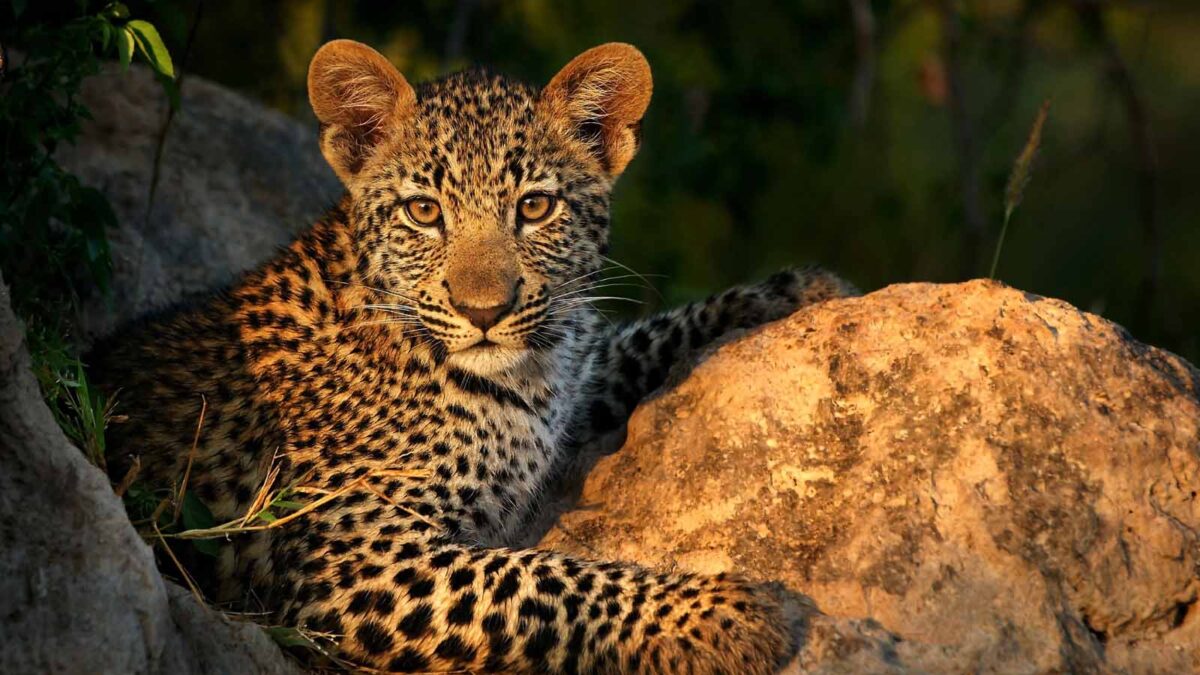
Sabi Sand Game Reserve
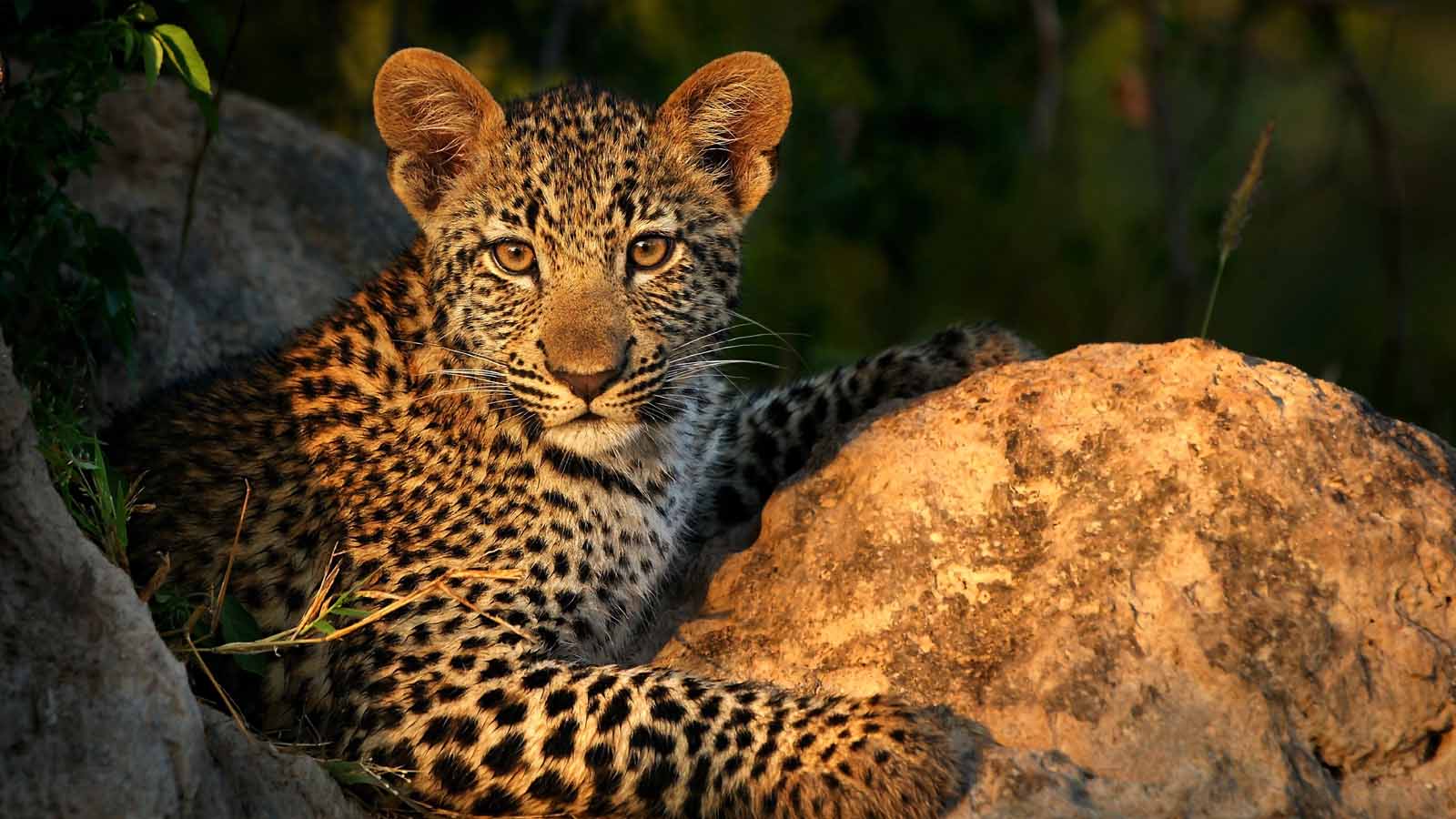
Sabi Sand Game Reserve is world-renowned for its exceptional leopard sightings, offering one of the highest concentrations of relaxed, viewable leopards anywhere in Africa. Bordering Kruger National Park with no fences, the reserve forms part of a thriving ecosystem where wildlife roams freely and game viewing remains consistently outstanding.
The landscape blends riverine forests, open savannah, woodlands, and seasonal waterholes, creating ideal habitats for the Big Five. Elephants browse along riverbanks, lions patrol territorial boundaries, and large buffalo herds move across the plains. The reserve’s well-protected environment also supports strong populations of wild dogs, cheetahs, hyenas, giraffes, and antelope.
Sabi Sand is famous for close-range sightings and intimate wildlife encounters, thanks to responsible off-road tracking and expert guiding teams who know individual animals by history and behaviour. Morning and evening game drives reveal predators at their most active, while guided walks introduce you to tracks, plants, insects, and the finer details of the bush.
Luxury is woven into the safari experience. The reserve hosts some of South Africa’s finest lodges, known for personalised service, superb cuisine, and beautifully designed suites overlooking the wilderness. With unmatched wildlife density, world-class guiding, and a calm, exclusive atmosphere, Sabi Sand stands as one of Africa’s most premier and rewarding safari destinations.
Why Book This Destination
Explore More about Sabi Sand Game Reserve
The Landscape and Spirit of the Sabi Sands Game Reserve
Sabi Sands is world-renowned for its exceptional leopard sightings, offering the most consistent and intimate leopard encounters anywhere in Africa. Bordering the Kruger National Park with no fences between them, this private reserve forms part of a vast ecosystem where wildlife moves freely across more than two million hectares. Sabi Sands’ landscapes mix open plains, dense riverine thickets, acacia woodland, and winding sand rivers that shape its rich biodiversity. Early mornings bring soft golden light across the grasslands, while evenings deepen into warm amber tones as predators begin to stir. This blend of habitats, combined with its long conservation history, gives Sabi Sands a distinct energy — one built on authenticity, tranquillity, and remarkable wildlife moments.
Activities and Exploration in the Sabi Sands
Exploring Sabi Sands is an immersive and highly personalised experience. Limited vehicle numbers and private land access allow guides to follow wildlife calmly and closely, creating intimate moments that unfold at nature’s pace. You may spend time tracking leopards along riverbeds, watching elephants at the Sand River, or observing lion prides moving silently through the plains at dusk.
Game drives in open vehicles reveal the reserve’s full spectrum of life, from large predators to small, fascinating details often missed elsewhere. Walking safaris bring you into the heart of the bush, where you learn to read tracks, understand vegetation, and tune into the rhythms of the environment. Photographers benefit from the reserve’s softly filtered light and experienced trackers who position vehicles for perfect compositions. Every outing is shaped around your interests, ensuring deep connection and meaningful encounters.
Must-Visit Areas in the Sabi Sands Game Reserve
The Sand River Corridor: The Reserve’s Most Productive Wildlife Zone
The Sand River forms the lifeblood of Sabi Sands. Its lush vegetation, year-round water, and shaded riverbanks attract a constant flow of wildlife. Leopard territories overlap along the river, making sightings particularly frequent and rewarding. Elephant herds gather to drink and bathe, while lions rest in the thick reeds during the heat of the day. For travellers, exploring the Sand River corridor offers the essence of Sabi Sands — vibrant, wild, and full of continuous activity.
Leopard Territories of the Western Sector
The western part of Sabi Sands is globally known for its stable leopard population and generations of relaxed individuals. These leopards tolerate vehicles calmly, allowing natural behaviour to unfold at close range. Tracking these cats at dawn is one of the reserve’s defining experiences. Guides interpret fresh spoor, follow alarm calls, and patiently search riverbeds and rocky outcrops until the moment a leopard emerges. When you finally see one gliding silently through the bush, the encounter feels intimate and unforgettable.
Seasonal Changes and the Best Time to Visit
Sabi Sands is a year-round safari destination, with each season offering special wildlife opportunities.
Winter (May to August) is the prime dry season. Vegetation thins out, water sources shrink, and animals concentrate near rivers and pans. Predator sightings increase, visibility improves, and cool mornings create ideal tracking conditions.
Summer (November to March) brings lush green landscapes, dramatic storms, and vibrant colours. This is the season of new life — impalas give birth, predators take advantage of abundant prey, and birdlife becomes rich and active. Afternoon thunderstorms create atmospheric skies that enhance photography and late-afternoon drives.
Shoulder months — April, September, and October — offer warm weather, active wildlife, and balanced conditions. These months feel dynamic and rewarding, with excellent visibility and high predator movement.
Wildlife of the Sabi Sands Game Reserve
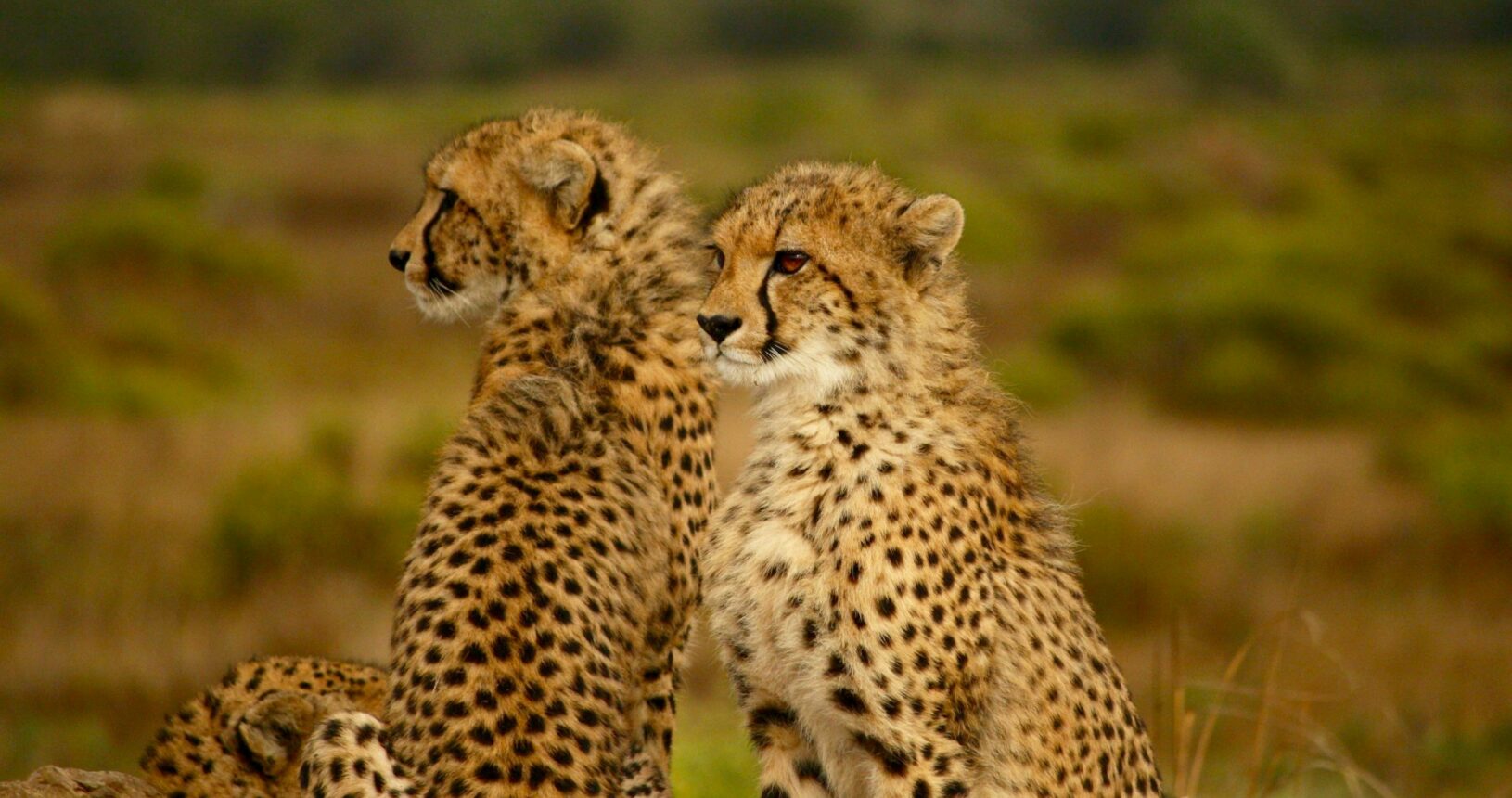
Sabi Sands is famous for the Big Five — leopard, lion, elephant, buffalo, and rhino — all seen regularly due to the reserve’s open ecosystem and strong conservation management. Leopards remain the star attraction, with sightings often exceeding anywhere else in the Kruger region. Lions roam in large prides, while cheetahs and African wild dogs pass through select territories, providing thrilling, unpredictable encounters.
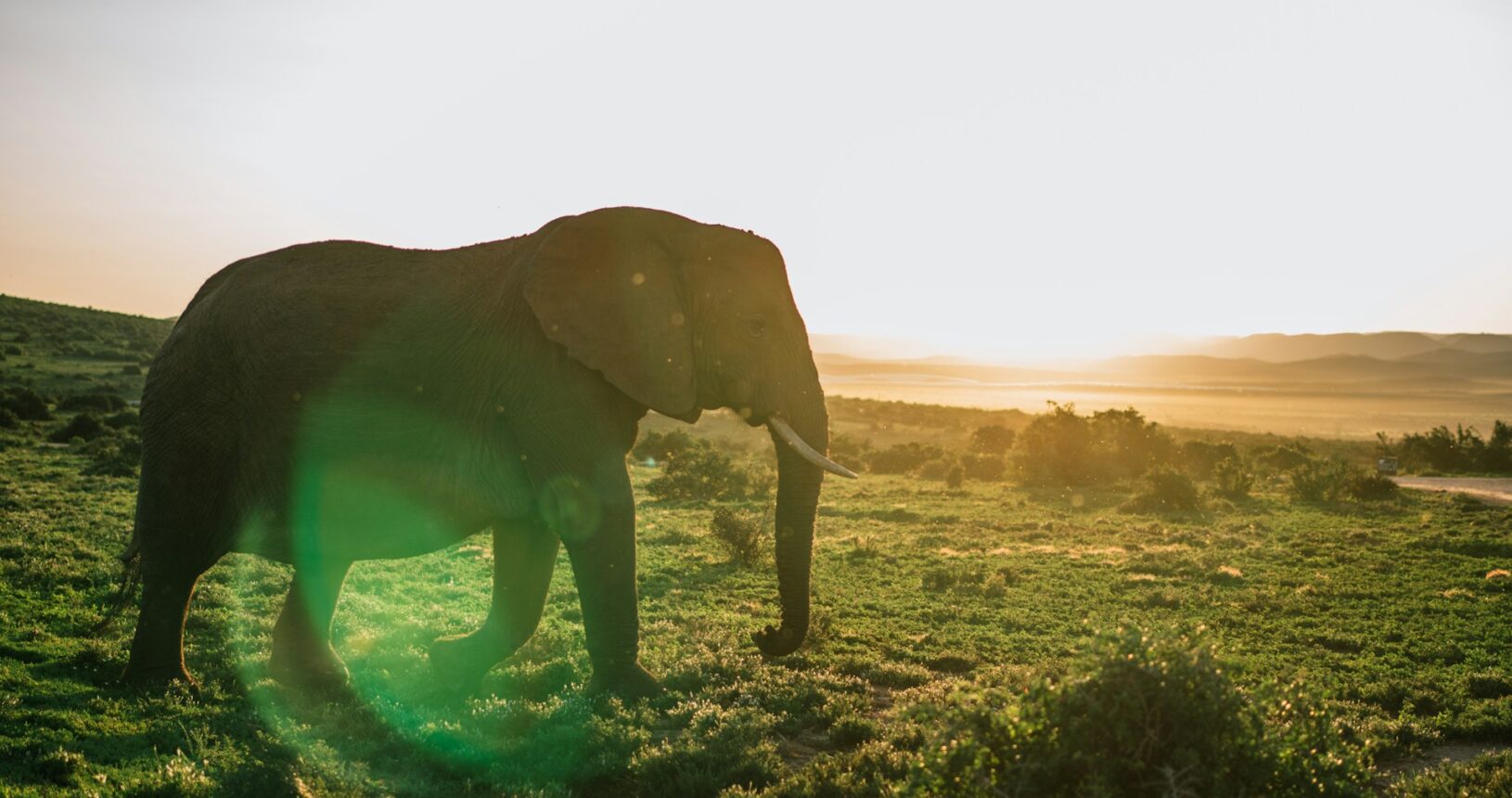
Elephants appear throughout the reserve, sometimes gathering in large numbers along the Sand River. Buffalos move in vast herds across the plains, while both black and white rhinos browse quietly through the bush. Night drives reveal nocturnal species such as civets, genets, porcupines, and bushbabies. With more than 300 bird species, including the striking lilac-breasted roller and powerful martial eagle, Sabi Sands delivers exceptional birdwatching year-round. Every drive feels fresh and alive — a testament to the reserve’s remarkable biodiversity.
Getting to the Sabi Sands Game Reserve
Reaching the Sabi Sands is simple and well-connected. Travellers often fly to Skukuza, Hoedspruit, or Nelspruit airports, all of which offer short road transfers to the reserve’s various lodges. Charter flights also land on private airstrips within Sabi Sands for a seamless journey directly into the wilderness. Those arriving by road from Johannesburg can enjoy a scenic 5–6 hour drive through Mpumalanga landscapes. Once inside the reserve, the peaceful atmosphere, wildlife-rich terrain, and signature Sabi Sands hospitality begin immediately, setting the tone for an unforgettable safari.
In Africa’s national parks, every sunrise paints a masterpiece — where the wild’s call echoes across endless horizons. Visiting these parks is to witness nature in its purest form, a timeless dance that stirs the soul.
Steps to Book Your Southern Africa Tour
Choose Your Adventure
Confirm Your Booking
Begin Your Journey
Ready to plan your tailor-made safari?