
Johannesburg
November 14, 2025
Kwandwe Private Game Reserve
November 14, 2025
Kgalagadi Transfrontier Park
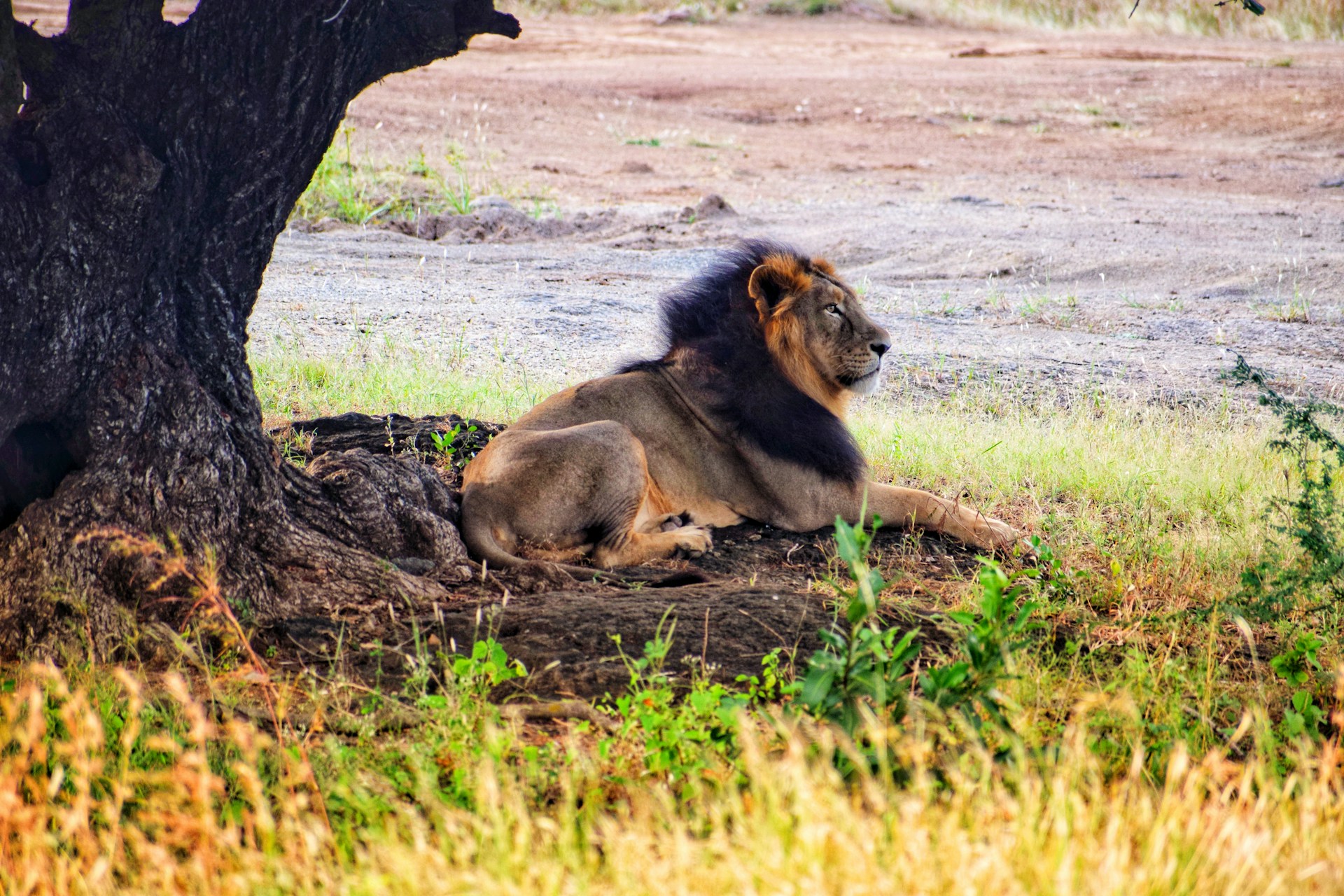
Kgalagadi Transfrontier Park is famous for its black-maned Kalahari lions, offering some of Africa’s most dramatic predator sightings in a stark and magnificent desert landscape. Straddling the border between South Africa and Botswana, this vast wilderness protects over 3.6 million hectares of red dunes, dry riverbeds, and open grass plains.
The park’s defining features are the Nossob and Auob riverbeds, ancient dry channels that concentrate wildlife and create exceptional viewing opportunities. Here, lions patrol the dunes, cheetahs use the open plains to chase springbok, and leopards move silently along camelthorn trees. Brown hyenas, jackals, and bat-eared foxes are frequently seen, while large herds of oryx, wildebeest, eland, and red hartebeest animate the desert floor.
Kgalagadi delivers raw, uncrowded, photography-rich safaris. The clear desert light, dramatic skies, and wide-open horizons create perfect conditions for capturing wildlife against striking backdrops. Birdlife is impressive as well, with martial eagles, secretarybirds, vultures, and colourful raptors soaring above the dunes.
The park’s remoteness enhances its appeal. With rustic wilderness camps, peaceful evenings, star-filled skies, and the deep silence of the Kalahari, Kgalagadi offers a safari experience rooted in solitude and authenticity. Its unique lion population, dramatic scenery, and wild desert ecosystems make it one of Southern Africa’s most unforgettable and distinctive national parks.
Why Book This Destination
Explore More about Kgalagadi Transfrontier Park
The Landscape and Spirit of the Kgalagadi Transfrontier Park
Kgalagadi Transfrontier Park is famous for its iconic black-maned Kalahari lions and vast red-sand dune wilderness, creating one of Africa’s most dramatic and untamed safari landscapes. Stretching across South Africa and Botswana, the park blends rolling dunes, dry riverbeds, camelthorn forests, and endless open horizons where the desert meets the sky. Early mornings cast a soft glow across the dunes, while evenings wrap the desert in deep orange and purple tones. The silence is profound, broken only by distant lion calls or wind moving through dry grass. This powerful sense of space and solitude defines Kgalagadi, making it one of the most atmospheric wilderness regions on the continent.
Activities and Exploration in the Kgalagadi Transfrontier Park
Exploring Kgalagadi is immersive, raw, and deeply connected to the desert environment. Game drives follow the park’s famous dry riverbeds — the Auob and Nossob — where wildlife gathers in search of shade, food, and water. The open terrain allows excellent visibility, giving travellers long, extended sightings of predators and plains game even from a distance.
Self-drive safaris are popular, offering freedom to move slowly between dunes, pans, and waterholes. Photographers thrive in the park’s dramatic light, capturing silhouettes, red dunes, and predator action under clear skies. Rangers also offer guided activities, including night drives revealing nocturnal species such as porcupines, brown hyenas, and bat-eared foxes. Every experience in Kgalagadi feels unhurried and deeply authentic, shaped by the desert’s ancient rhythm.
Must-Visit Areas in the Kgalagadi Transfrontier Park
Nossob Riverbed: Prime Territory for Kalahari Lions
The Nossob Riverbed is one of the best places in Africa to see black-maned lions. These powerful cats patrol the open river corridor, often resting in the shade of camelthorn trees or calling to one another at dusk. The wide visibility of the riverbed creates unmatched opportunities to observe lion behaviour — from hunting to interactions within the pride. Photographers value the dramatic contrast between lions and the deep-red dunes.
Auob River Valley: Cheetahs, Raptors, and Open Desert Views
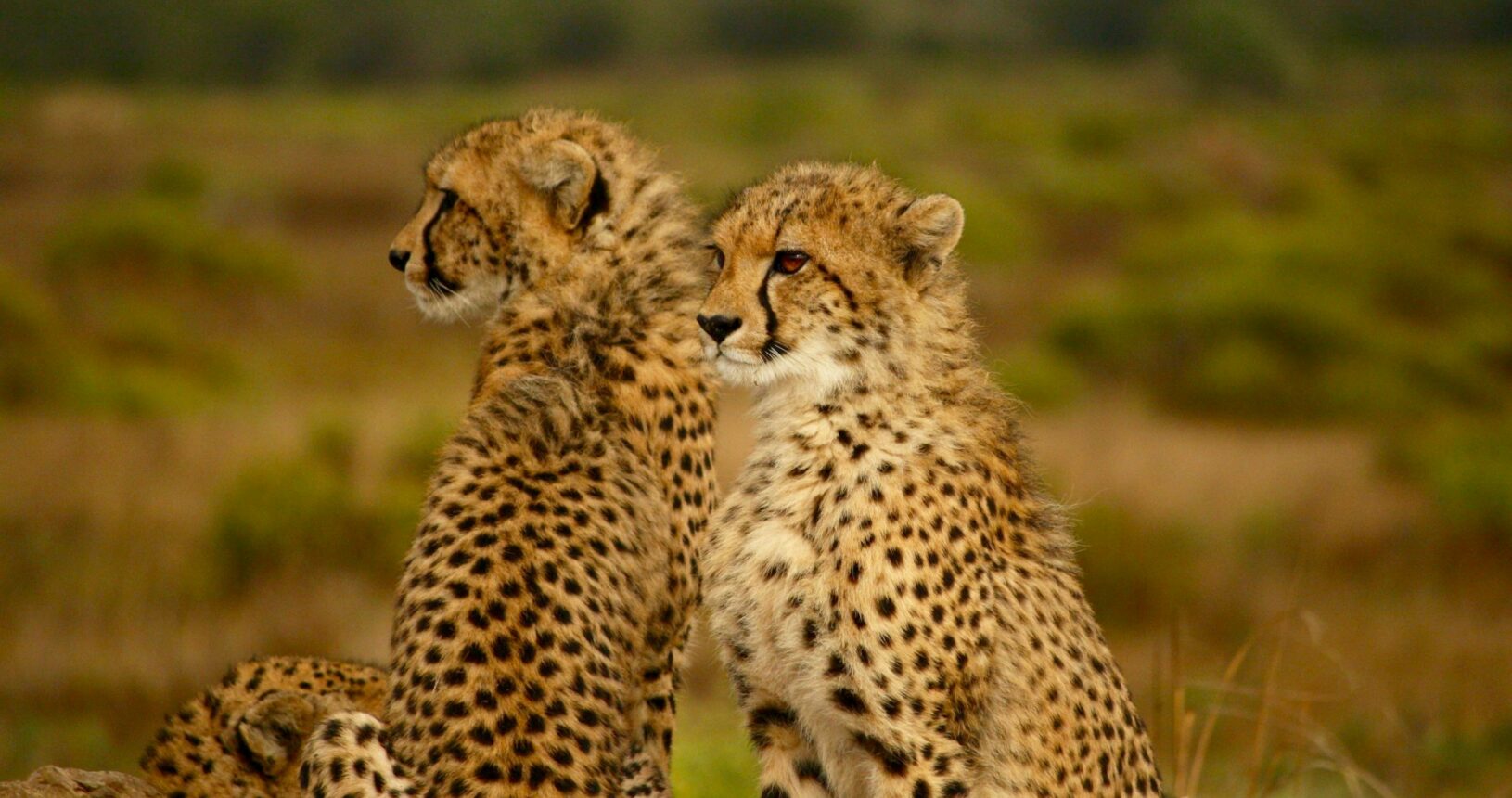
The Auob River Valley delivers exceptional cheetah sightings thanks to its open spaces and abundant springbok. Raptors such as martial eagles, bateleurs, and giant owls often perch on skeleton trees, scanning the dunes below. The valley’s gentle slopes and open vistas make it one of the most scenic and rewarding areas in the park.
Seasonal Changes and the Best Time to Visit
Kgalagadi’s desert climate gives each season its own atmosphere and photographic character.
Winter (May to August) brings cool, crisp mornings and mild afternoons. Visibility is excellent, predators stay active for longer, and the dry conditions concentrate wildlife around waterpoints. This is one of the best times for big cats and dramatic photography.
Summer (November to March) is hot, intense, and full of energy. Afternoon thunderstorms turn parts of the desert briefly green, attracting antelope herds and increasing predator activity. Migratory birds arrive, adding colour and movement to the dunes.
Shoulder months — April, September, and October — offer warm, balanced conditions with active wildlife. These periods combine the clear visibility of winter with the soft colours and dramatic skies of early summer.
Wildlife of the Kgalagadi Transfrontier Park
Kgalagadi is a carnivore stronghold, famous for its lions, cheetahs, and leopards. The region’s black-maned lions symbolize the park, often seen walking along dunes or resting in riverbeds. Cheetahs thrive in the open terrain, making high-speed hunts more frequent and visible. Leopards prefer the thicker tree zones, rewarding guests with thrilling but occasional sightings.
The park is also home to brown hyenas, spotted hyenas, caracals, African wildcats, bat-eared foxes, and honey badgers. Springboks, gemsbok, wildebeests, and red hartebeests dominate the plains, their movements shaped by the harsh desert environment. With more than 300 bird species, including kori bustards, secretarybirds, and raptors, Kgalagadi is a paradise for birdwatchers. Every drive reveals the raw, elemental beauty of desert wildlife finely adapted to survival.
Getting to the Kgalagadi Transfrontier Park
Kgalagadi can be reached from Upington, the nearest major town, with a three-hour drive to the gate at Twee Rivieren. Travellers coming from South Africa or Botswana can enter through several border points depending on their planned route. The park’s roads are suited to well-prepared vehicles, and many areas are accessible with 2WD, though deeper wilderness tracks require 4x4. For seamless access, charter flights can land at dedicated airstrips within the park. Once inside Kgalagadi, the silence, space, and desert landscapes begin immediately, setting the tone for an unforgettable, rugged, and awe-inspiring safari.
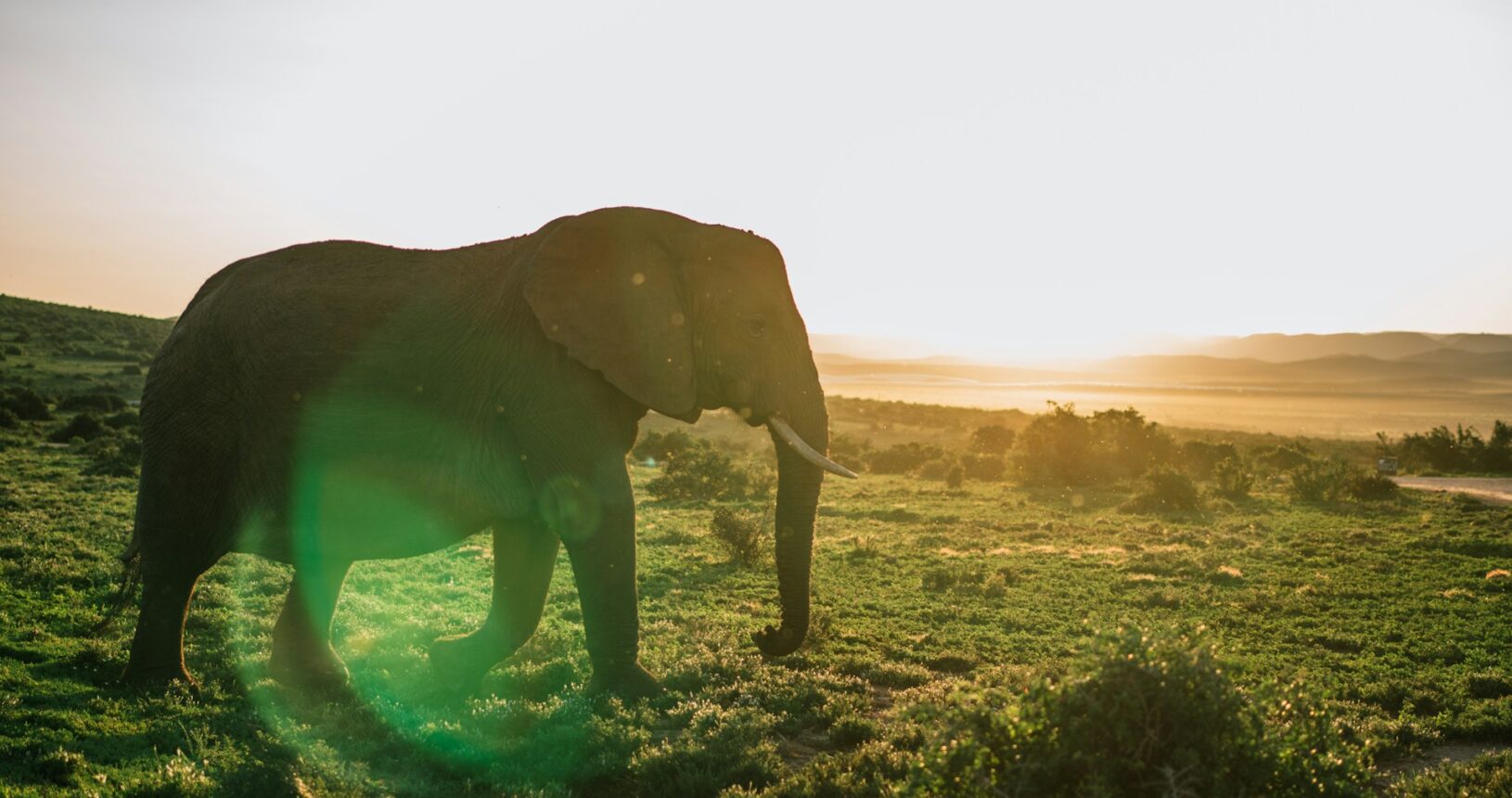
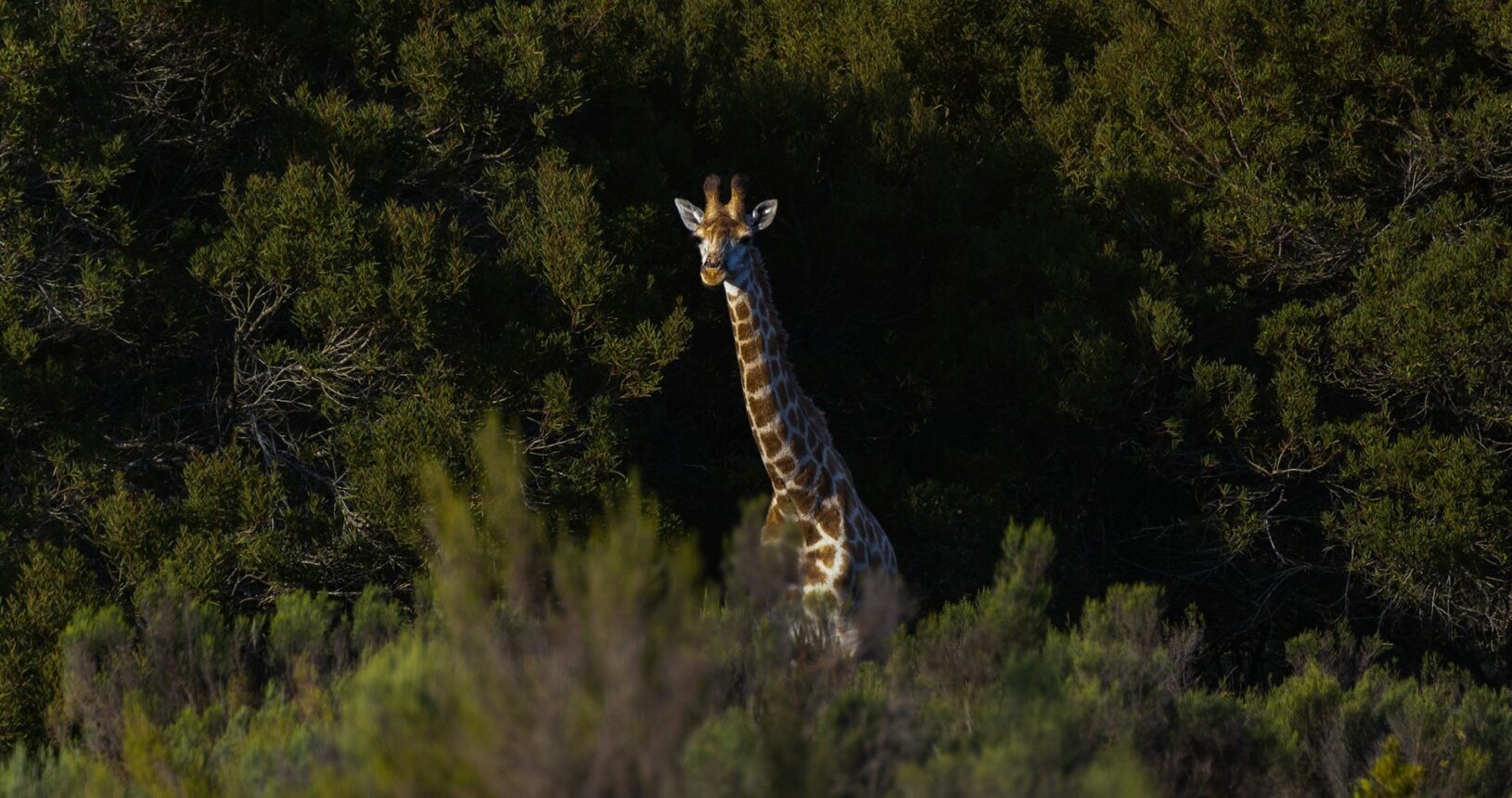
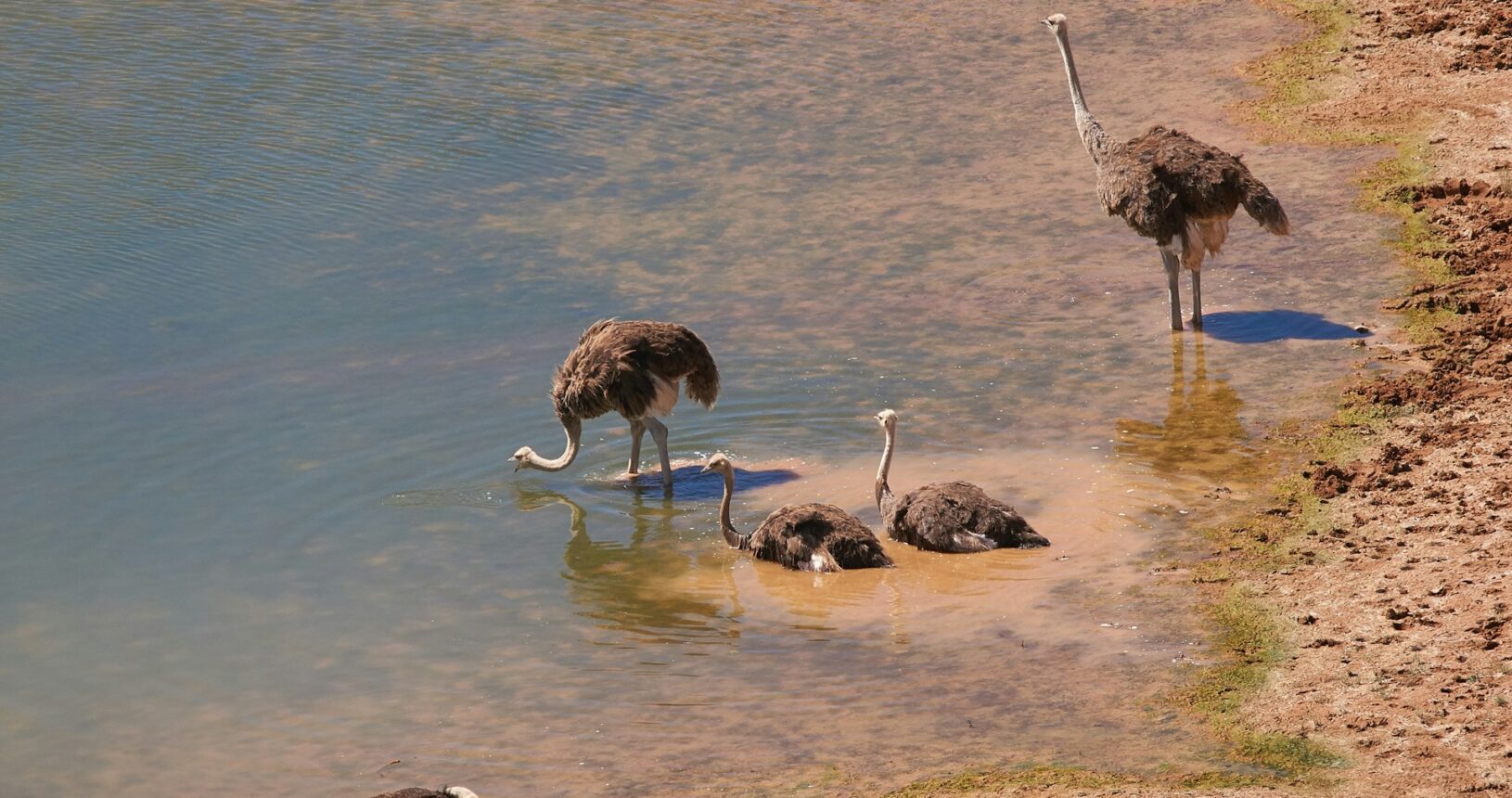
In Africa’s national parks, every sunrise paints a masterpiece — where the wild’s call echoes across endless horizons. Visiting these parks is to witness nature in its purest form, a timeless dance that stirs the soul.
Steps to Book Your Southern Africa Tour
Choose Your Adventure
Confirm Your Booking
Begin Your Journey
Ready to plan your tailor-made safari?