Hermanus and Grootbos
November 14, 2025
iSimangaliso Wetland Park
November 14, 2025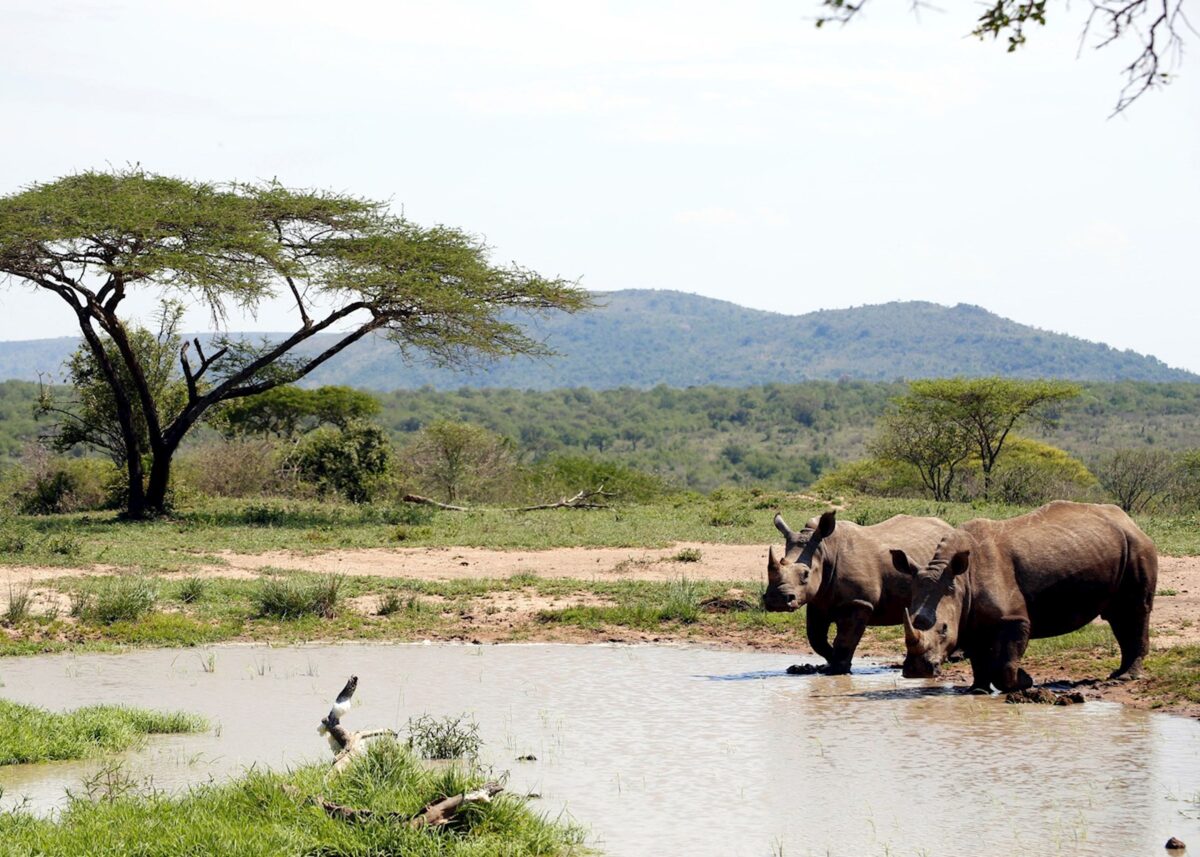
Hluhluwe-Imfolozi Park
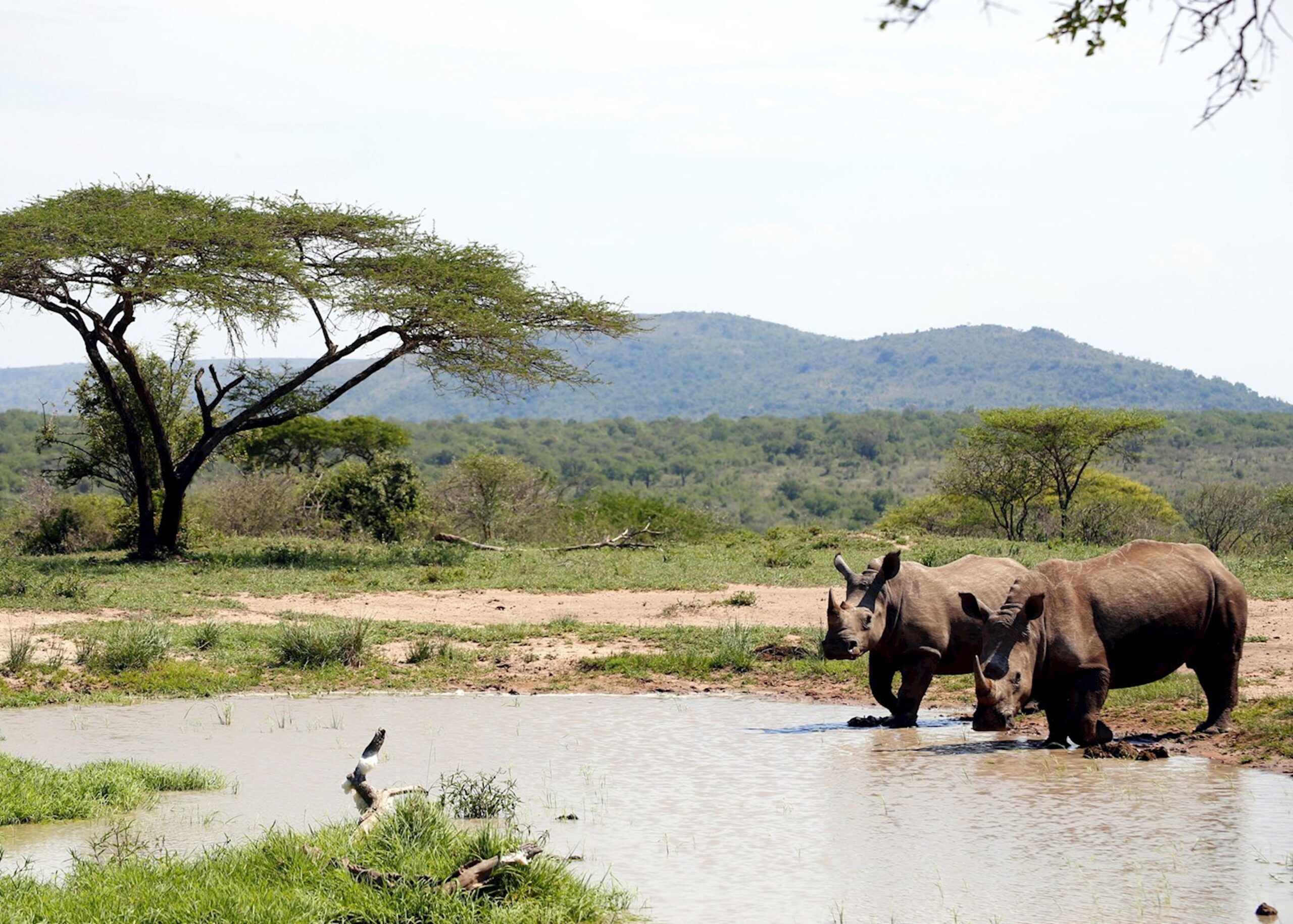
Hluhluwe–iMfolozi Park is world-famous for its exceptional white rhino conservation, being the place where this iconic species was brought back from near extinction — a legacy that makes the park one of Africa’s most important wildlife sanctuaries. Located in KwaZulu-Natal, it is the oldest proclaimed nature reserve in Africa and remains a stronghold for both white and black rhinos.
The park’s landscapes range from rolling hills and river valleys in Hluhluwe to wide, open savannahs in iMfolozi. This variety supports the Big Five, strong predator populations, large elephant herds, giraffes, zebras, buffalo, hyenas, and abundant antelope species. Lion and leopard sightings are frequent, while birdwatchers enjoy more than 350 species across wetlands, forests, and grasslands.
Hluhluwe–iMfolozi offers classic safari experiences, including game drives, guided walks, and scenic viewpoints overlooking sweeping wilderness. The park’s network of roads provides excellent access for both self-drive visitors and guided safaris. The Black Umfolozi River adds beauty and attracts wildlife, creating productive viewing areas year-round.
With its deep conservation history, rich biodiversity, and dramatic hills and valleys, Hluhluwe–iMfolozi Park stands as one of South Africa’s most rewarding and historically significant safari destinations.
Why Book This Destination
Explore More about Hluhluwe-Imfolozi Park
The Landscape and Spirit of Hluhluwe–iMfolozi Park
Hluhluwe–iMfolozi Park is world-renowned as the most important rhino conservation stronghold on the planet, offering a rich and historic safari experience in South Africa’s KwaZulu-Natal province. As Africa’s oldest proclaimed game reserve, it protects rolling hills, river valleys, acacia woodland, and sweeping grasslands that create a beautifully varied landscape. The northern Hluhluwe section is lush and hilly, while the southern iMfolozi region features wide open savannahs and rugged ridges shaped by ancient rivers. Early mornings bring soft mist rising from the valleys, while evenings cast long shadows across the bushveld. This blend of history, conservation legacy, and scenic diversity gives the park a soulful atmosphere rooted in raw wilderness.
Activities and Exploration in Hluhluwe–iMfolozi Park
Exploring Hluhluwe–iMfolozi is immersive and varied, shaped by the park’s rich biodiversity and conservation spirit. Game drives follow winding routes through hills, plains, and river corridors where Big Five sightings unfold naturally. Visitors may watch elephants crossing ridges, lions resting near waterholes, or herds of buffalos grazing in open areas.
Guided bush walks offer a deeper, more intimate perspective. Rangers share knowledge about plants, tracks, and the park’s vital rhino protection programmes. Photographers benefit from the park’s dramatic scenery, especially the iconic rolling hills of the Hluhluwe region. Picnic sites, river viewpoints, and birding loops add to the experience, offering quiet places to appreciate the landscape’s variety and wildlife movements.
Must-Visit Areas in Hluhluwe–iMfolozi Park
Hilltop Region of Hluhluwe: Iconic Views and Rhino Country
The Hluhluwe section is celebrated for its panoramic views and dense populations of white and black rhinos. Winding roads lead through steep hills and forested valleys where elephants, nyala, giraffes, and predators thrive. Elevated lookouts provide some of the most scenic vistas in the park — especially at sunrise when mist drapes the slopes in soft golden layers.
iMfolozi Wilderness Area: Big Five Encounters in Open Savannas
The iMfolozi region, once home to King Shaka’s hunting grounds, is defined by open grasslands, riverbeds, and rugged ridges. This area offers excellent sightings of lions, buffalos, and large elephant herds. The wide, open terrain makes tracking rhinos especially rewarding. This is also where the park’s famous wilderness trails take place — multi-day guided walks that immerse travellers in the park’s raw and untouched heart.
Seasonal Changes and the Best Time to Visit
Hluhluwe–iMfolozi offers rewarding safaris throughout the year, with each season enhancing the park’s character.
Winter (May to August) brings dry conditions, thinner vegetation, and excellent visibility. Wildlife gathers near rivers and waterholes, creating consistent sightings of rhinos, elephants, lions, and other species. Cool mornings make this the best time for extended drives and walking safaris.
Summer (November to March) transforms the park into a lush, green paradise after seasonal rains. Calving season for antelopes attracts predators, and migratory birds return in large numbers. Afternoon thunderstorms create dramatic skies and beautiful fresh colours across the hills.
Shoulder months — April, September, and October — offer mild temperatures, vibrant wildlife, and balanced conditions for both game viewing and scenic landscape photography.
Wildlife of Hluhluwe–iMfolozi Park
Hluhluwe–iMfolozi is a Big Five reserve known especially for its successful rhino recovery programmes. The park played a central role in saving the white rhino from extinction through Operation Rhino, one of the world’s most important conservation initiatives. Today, the park hosts strong populations of both white and black rhinos.
Lions, leopards, elephants, buffalos, and hyenas roam freely across the park. Large herds of zebra, wildebeest, impala, and nyala fill the savannas, while giraffes browse the acacia forests. More than 340 bird species add colour to the landscape — from hornbills and rollers to eagles, storks, and woodland kingfishers. Every drive in Hluhluwe–iMfolozi reveals wildlife that reflects the park’s deep conservation legacy.
Getting to Hluhluwe–iMfolozi Park
Hluhluwe–iMfolozi is easy to reach from coastal hubs in KwaZulu-Natal. Most travellers drive from Durban, with the journey taking 2.5–3 hours via well-maintained highways leading toward Hluhluwe town and the park’s main gates. Those visiting from the north often include stops in St Lucia or iSimangaliso Wetland Park. Nearby airports — King Shaka International (Durban) and Richards Bay — provide convenient access. Once inside the reserve, the blend of hilly terrain, peaceful river corridors, and rich wildlife sets the tone for a classic and historically significant African safari.
In Africa’s national parks, every sunrise paints a masterpiece — where the wild’s call echoes across endless horizons. Visiting these parks is to witness nature in its purest form, a timeless dance that stirs the soul.
Steps to Book Your Southern Africa Tour
Choose Your Adventure
Confirm Your Booking
Begin Your Journey
Ready to plan your tailor-made safari?