Who’s joining you on your journey to Malawi?
February 1, 2026
Where to go to Malawi
February 1, 2026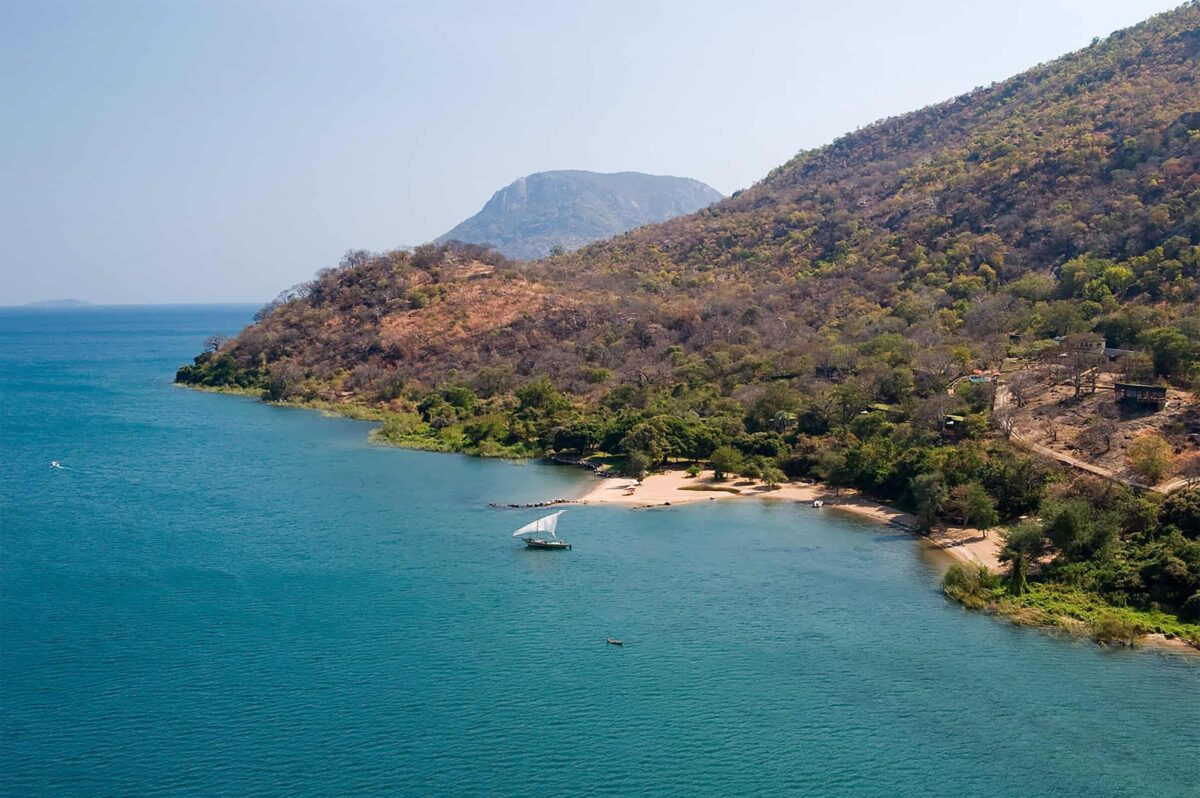
South Africa
Home / Destinations / Malawi Safaris /
When to go to Malawi For Safaris
The best time to visit Malawi for safaris is generally during the dry winter months from May to October, when vegetation thins out, wildlife gathers around the Shire River and permanent water sources, and game viewing becomes especially rewarding in Liwonde National Park, Majete Wildlife Reserve, and Nkhotakota Wildlife Reserve. Days are sunny and comfortably warm, nights are cooler, and visibility across the bush is at its best.
However, the summer green season from November to April also offers lush landscapes, dramatic skies, newborn animals, and excellent birdwatching—making it a great choice for travellers who prefer vibrant scenery, fewer visitors, and a quieter, more relaxed safari atmosphere along with beautiful conditions around Lake Malawi.
Why Book Any Time Of The Year
Tips For First Time Travellers
For first-time travelers to Malawi, keep your itinerary relaxed and focused on a few key regions so you can fully experience the country’s calm rhythm and warm hospitality. A simple route combining Lilongwe, Lake Malawi, and a wildlife reserve like Liwonde National Park allows you to enjoy beaches, culture, and safari without long, tiring transfers. Book reliable lodges and transfers in advance, as infrastructure is developing and quality arrangements make a noticeable difference. Pack lightweight clothing for the warm lakeside climate, a light layer for cooler evenings, sunscreen, insect repellent, and essential travel documents. Respect local customs, especially in rural villages, and embrace the friendliness Malawi is known for as “The Warm Heart of Africa.” Most importantly, slow down—Malawi rewards travelers who appreciate simple, authentic experiences, whether it’s a sunset over Lake Malawi or a quiet boat safari along the Shire River.
Month By Month
January
January in Malawi
Peak Green Season, Lush Landscapes, and Quiet Safari Atmosphere
January falls within Malawi’s peak green season, a time when rainfall transforms the country’s landscapes into vibrant, fertile environments. Grasses grow tall across the plains, rivers run fuller, and woodland areas appear dense and richly coloured. The scenery feels expansive and alive, shaped by consistent rains and warm temperatures that define the southern African summer.
Tourism levels remain low during January, creating a peaceful and unhurried safari atmosphere. Parks and reserves operate at a slower rhythm, allowing for flexible schedules and intimate wildlife experiences. January appeals to travelers who value dramatic landscapes, birdlife, and a quieter alternative to Malawi’s dry-season peak.
Understanding the January Weather in Malawi
January is one of Malawi’s warmest and wettest months. Daytime temperatures typically range between 22 °C and 32 °C in lowland safari regions such as Liwonde and Majete, while higher-altitude areas such as Nyika Plateau remain cooler. Rainfall is frequent but often arrives in heavy afternoon or evening showers rather than continuous downpours.
Humidity is noticeable, particularly in the Shire Valley and lakeshore areas. Despite regular rainfall, mornings are often clear and suitable for safari activities. Road conditions in remote reserves may become muddy after heavy rain, requiring experienced guiding and adaptable planning.
Wildlife Experiences in January
Wildlife viewing in January reflects green-season dynamics. With water widely available across the landscape, animals disperse rather than concentrating around rivers and waterholes. Sightings require patience and skilled tracking due to thicker vegetation, but encounters feel natural and unpressured.
Birdlife thrives during this period, with migratory species present and breeding activity underway. Wetlands, riverbanks, and woodland habitats become especially active, making January one of the strongest months for birdwatching in Malawi. Predator activity continues, though visibility may be more limited compared to the dry season.
Average January Weather in Malawi
Across southern and central safari regions, temperatures generally range from 22 °C to 32 °C, with rainfall averaging between 150 and 250 mm during the month. Higher-altitude areas such as Nyika Plateau experience cooler daytime temperatures and heavier rainfall totals.
These conditions create lush vegetation, flowing waterways, and dramatic skies that enhance the visual richness of Malawi’s landscapes.
Best Places to Visit in Malawi in January
Liwonde National Park remains accessible and productive during January, particularly for birdlife and river-based viewing. Majete Wildlife Reserve continues to offer resident wildlife sightings, though vegetation may be dense.
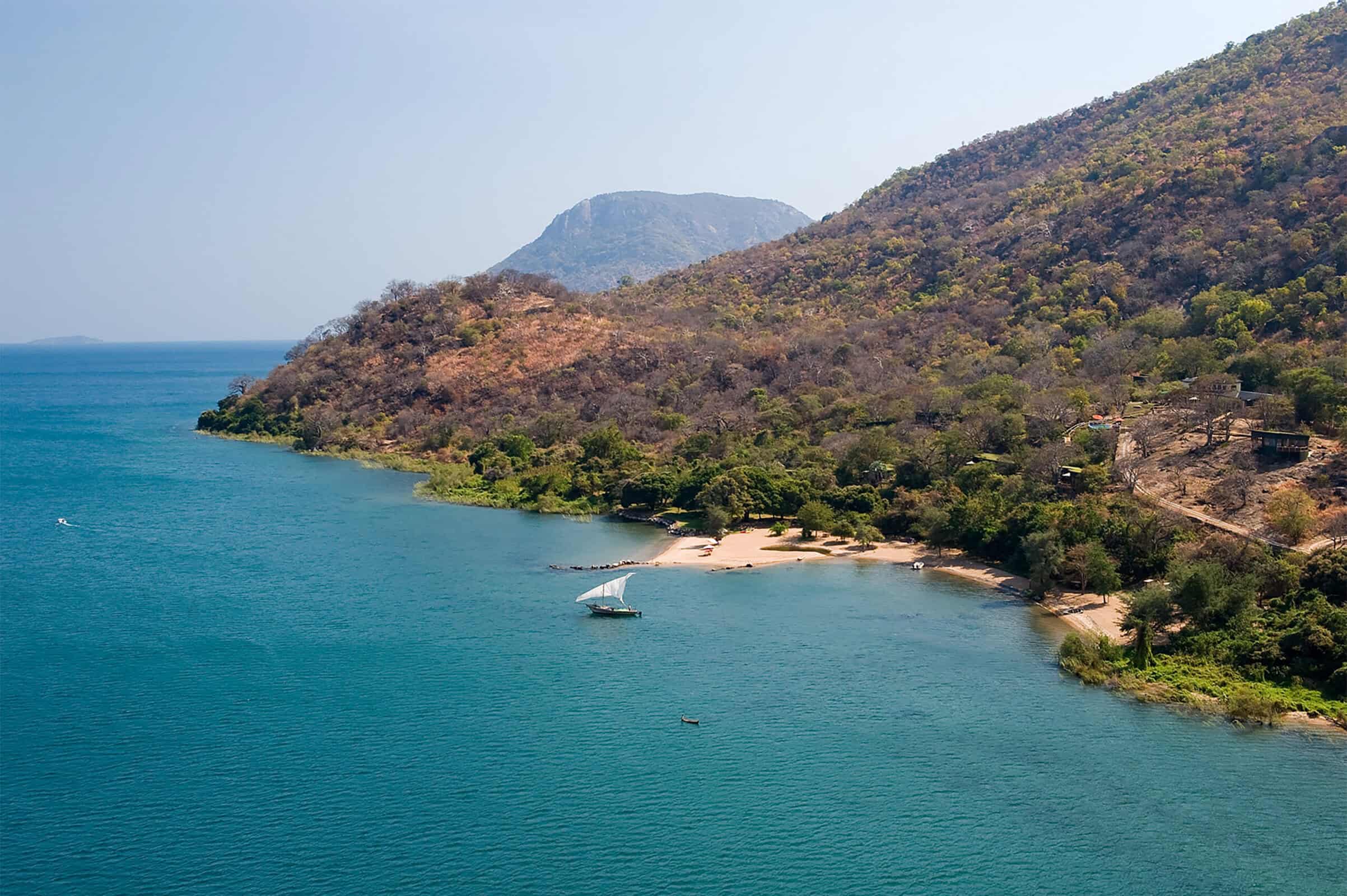
Lake Malawi becomes especially appealing during breaks in rainfall, with warm waters and refreshed scenery along the shoreline. Nyika Plateau transforms into a green, misty landscape ideal for scenic exploration and birdwatching.
Activities to Enjoy in January
January supports safari activities aligned with seasonal abundance rather than predictable concentration. Game drives operate around rainfall patterns, often focusing on morning hours. Boat safaris in Liwonde perform well during this period, offering wildlife viewing along the Shire River.
Birdwatching stands out as a key highlight, with diverse species active across habitats. Scenic drives, nature walks, and lakeshore relaxation integrate well into itineraries, especially during clear intervals between storms. The combination of lush landscapes, ecological renewal, and low visitor numbers makes January a deeply atmospheric time to explore Malawi.
February
February in Malawi
Lush Green Landscapes, Warm Temperatures, and Rich Birdlife Activity
February continues Malawi’s peak green season, maintaining the lush and expansive landscapes shaped by consistent summer rainfall. Rivers remain full, grasses grow high across open plains, and woodland areas appear dense and vibrant. The countryside feels fertile and alive, defined by movement, growth, and renewed ecological energy.
Tourism remains low during February, preserving a calm and intimate safari atmosphere. Parks and reserves operate at a relaxed pace, allowing flexible exploration and extended time in nature. February appeals to travelers who value rich scenery, active birdlife, and a quieter travel experience rather than concentrated dry-season game viewing.
Understanding the February Weather in Malawi
February is warm and humid across much of Malawi. Daytime temperatures typically range between 22 °C and 31 °C in lowland regions such as Liwonde and Majete, while higher-altitude areas like Nyika Plateau remain cooler. Rainfall continues regularly, often arriving in heavy afternoon or evening showers rather than all-day rain.
Humidity levels remain noticeable in the Shire Valley and lakeshore regions, though mornings frequently begin clear and suitable for safari activities. Road conditions in remote reserves may become muddy after storms, requiring adaptable planning and experienced guiding.
Wildlife Experiences in February
Wildlife viewing in February reflects widespread water availability and thick vegetation. Animals disperse across the landscape, reducing concentration around rivers and permanent water sources. Sightings require patience and attentive tracking, but encounters feel natural and unpressured.
Birdlife reaches one of its annual peaks during this month. Migratory species remain present, and breeding activity intensifies across wetlands, woodlands, and riverine habitats. February is particularly rewarding for birdwatchers and photographers interested in colour, movement, and seasonal behaviour. Predator sightings remain possible, though visibility may be limited compared to the dry months.
Average February Weather in Malawi
Across southern and central safari regions, temperatures generally range from 22 °C to 31 °C, with rainfall averaging between 130 and 220 mm during the month. Higher-altitude regions experience slightly cooler temperatures and heavier rainfall totals.
These conditions sustain lush vegetation, flowing rivers, and dramatic cloud formations that shape Malawi’s green-season character.
Best Places to Visit in Malawi in February
Liwonde National Park continues to perform well in February, particularly for birdlife and river-based wildlife viewing along the Shire River. Majete Wildlife Reserve remains accessible, though vegetation can be dense.
Lake Malawi remains warm and inviting during dry intervals, offering a relaxed lakeshore experience. Nyika Plateau transforms into a misty, green highland landscape ideal for scenic drives and birdwatching.
Activities to Enjoy in February
February supports safari activities aligned with seasonal abundance and ecological observation. Game drives operate primarily during clear morning hours, while boat safaris in Liwonde offer reliable wildlife encounters along the river.
Birdwatching remains a highlight, with breeding plumage and migratory activity visible across habitats. Nature walks, scenic exploration, and lakeside relaxation integrate smoothly into itineraries during breaks in rainfall. The combination of vibrant landscapes, active birdlife, and low visitor pressure makes February a quietly immersive time to explore Malawi.
March
March in Malawi
Late Green Season, Expansive Landscapes, and Gradual Seasonal Shift
March marks the latter phase of Malawi’s green season, a period when rainfall begins to ease but landscapes remain lush and saturated. Rivers continue to flow strongly, grasses stand tall across open plains, and woodland areas retain their dense, vibrant character. The scenery feels expansive and dramatic, shaped by weeks of seasonal growth and warm summer conditions.
Tourism remains low in March, preserving a calm and unhurried safari environment. Parks and reserves operate at a relaxed rhythm, allowing visitors to experience Malawi’s wilderness without crowd pressure. March appeals to travelers who value green-season beauty and quieter travel conditions while anticipating the gradual transition toward drier months.
Understanding the March Weather in Malawi
March remains warm and humid, though rainfall often becomes less intense and slightly less frequent compared to January and February. Daytime temperatures typically range between 21 °C and 30 °C in lowland safari areas such as Liwonde and Majete, while higher-altitude regions like Nyika Plateau remain cooler and occasionally misty.
Rain showers generally arrive in the afternoon or evening, with clearer mornings suitable for safari activities. Humidity begins to ease slightly as the month progresses, and road conditions gradually improve as rainfall decreases, though isolated storms can still affect access in remote areas.
Wildlife Experiences in March
Wildlife viewing in March reflects continued water availability and thick vegetation cover. Animals remain widely dispersed across the landscape, requiring careful tracking and patient observation. Sightings feel natural and less concentrated, particularly around permanent water sources that dominated during the dry season.
Birdlife remains strong, with migratory species still present and breeding behaviour visible across wetlands and woodland habitats. March continues to reward birdwatchers and photographers interested in seasonal dynamics rather than predictable dry-season density. Predator activity remains steady, though visibility can be reduced in areas with dense grass growth.
Average March Weather in Malawi
Across southern and central safari regions, temperatures generally range from 21 °C to 30 °C, with rainfall averaging between 100 and 180 mm during the month. Higher-altitude areas experience slightly cooler temperatures and may receive higher rainfall totals.
These conditions maintain lush scenery and flowing waterways while beginning to signal the approaching shift toward drier weather.
Best Places to Visit in Malawi in March
Liwonde National Park remains attractive in March, particularly for river-based viewing and birdlife along the Shire River. Majete Wildlife Reserve continues to offer resident wildlife sightings, though vegetation remains dense.
Lake Malawi retains warm water temperatures and scenic appeal during dry intervals, while Nyika Plateau showcases misty highland landscapes enriched by seasonal rainfall.
Activities to Enjoy in March
March supports safari activities shaped by seasonal abundance and gradual transition. Game drives focus on early mornings when visibility and road conditions are most favourable. Boat safaris in Liwonde continue to provide reliable wildlife encounters along riverbanks.
Birdwatching remains a highlight, with diverse species active across wetlands and forested areas. Scenic drives, nature walks, and lakeside relaxation integrate well into itineraries between showers. March offers a richly atmospheric safari experience that balances green-season vitality with the first signs of seasonal change.
April
April in Malawi
End of the Rains, Fresh Landscapes, and Improving Safari Conditions
April marks the gradual end of Malawi’s rainy season and the beginning of clearer, more stable conditions across the country. Landscapes remain richly green after months of rainfall, rivers flow steadily, and woodlands retain their dense, revitalized character. The atmosphere feels refreshed and expansive, shaped by seasonal growth yet increasingly defined by improving visibility and access.
Tourism remains low during April, preserving a calm and intimate safari environment. Parks and reserves operate at a relaxed pace, and visitors benefit from quieter experiences before the onset of the dry-season peak. April appeals to travelers who value lush scenery combined with more reliable weather and smoother travel conditions.
Understanding the April Weather in Malawi
April brings noticeably drier and cooler conditions compared to the preceding months. Daytime temperatures typically range between 20 °C and 29 °C in lowland safari areas such as Liwonde and Majete, while higher-altitude regions like Nyika Plateau remain cooler, particularly in the evenings. Rainfall decreases significantly, though occasional showers may still occur early in the month.
Humidity levels begin to drop, and road conditions improve steadily as surface water recedes. Mornings are generally clear and well suited for safari activities, while afternoons feel warm but more comfortable than during peak summer.
Wildlife Experiences in April
Wildlife viewing in April begins to strengthen as animals gradually adjust their movement patterns toward more predictable routes and water sources. While vegetation remains green, grasses start to thin, improving sightlines across open areas.
Birdlife remains active, though migratory populations begin to decline toward the end of the month. Predator sightings become more consistent as prey movement stabilizes. April offers a balanced safari rhythm, combining green-season atmosphere with improving wildlife visibility.
Average April Weather in Malawi
Across southern and central safari regions, temperatures generally range from 20 °C to 29 °C, with rainfall averaging between 40 and 90 mm during the month. Higher-altitude areas experience slightly cooler temperatures and lighter rainfall totals compared to earlier in the season.
These conditions preserve lush scenery while supporting increased accessibility and clearer skies.
Best Places to Visit in Malawi in April
Liwonde National Park becomes increasingly rewarding in April, particularly for river-based viewing along the Shire River as conditions stabilize. Majete Wildlife Reserve offers improving wildlife visibility and easier access as roads dry.
Lake Malawi remains warm and inviting, with refreshed shoreline scenery and calmer conditions. Nyika Plateau begins transitioning toward clearer, drier days while maintaining its green, highland character.
Activities to Enjoy in April
April supports a wide range of safari activities with fewer weather-related interruptions. Game drives benefit from improving terrain and clearer sightlines. Boat safaris in Liwonde remain productive, offering close encounters along riverbanks.
Birdwatching continues to deliver strong sightings, though migratory numbers gradually decline. Scenic drives, nature walks, and lakeshore relaxation integrate smoothly into itineraries as travel becomes more predictable. April provides a composed and visually rich safari experience that bridges Malawi’s rainy and dry seasons.
May
May in Malawi
Dry Season Arrival, Clearer Skies, and Strengthening Wildlife Viewing
May marks the clear arrival of Malawi’s dry season, bringing cooler temperatures, clearer skies, and steadily improving safari conditions. The heavy greens of the rainy season begin to soften, grasses thin across open plains, and water levels gradually settle into defined rivers and permanent channels. The landscape remains fresh but increasingly open, offering a balanced and visually appealing safari setting.
Tourism begins to rise in May, though visitor numbers remain moderate compared to peak months. Parks and reserves feel composed and well-paced, allowing for extended wildlife encounters without crowd pressure. May appeals to travelers seeking strong safari experiences under comfortable weather conditions at the start of Malawi’s prime wildlife season.
Understanding the May Weather in Malawi
May brings cooler, dry conditions across much of the country. Daytime temperatures typically range between 18 °C and 28 °C in lowland safari regions such as Liwonde and Majete, while higher-altitude areas like Nyika Plateau experience noticeably cooler mornings and evenings. Rainfall becomes minimal, and humidity drops significantly.
Skies are generally clear, and visibility improves as vegetation begins to recede. Road conditions stabilize fully, allowing smooth travel between safari areas and uninterrupted game drives. The climate feels calm, crisp, and ideal for outdoor exploration.
Wildlife Experiences in May
Wildlife viewing strengthens in May as animals begin concentrating around permanent water sources. While some greenery remains, improved sightlines make tracking easier and sightings more consistent. Herbivores adjust their movement toward predictable grazing areas, drawing predators into more defined hunting zones.
Birdlife shifts toward resident species as migratory populations depart. Predator activity becomes increasingly visible as cover decreases and prey movement becomes more concentrated. May delivers a steady and reliable safari rhythm rather than dramatic peaks.
Average May Weather in Malawi
Across southern and central safari regions, temperatures generally range from 18 °C to 28 °C, with rainfall often below 20 mm for the month. Higher-altitude areas remain cooler, particularly at night, but experience similarly dry conditions.
These stable, dry conditions support excellent visibility, firm ground for travel, and comfortable temperatures for extended time in the field.
Best Places to Visit in Malawi in May
Liwonde National Park performs strongly in May, particularly for river-based wildlife viewing along the Shire River. Majete Wildlife Reserve delivers improving predator sightings and clearer visibility as vegetation thins.
Lake Malawi becomes especially attractive during this period, with calm conditions and clear skies ideal for lakeside exploration. Nyika Plateau offers crisp mornings, scenic views, and comfortable daytime temperatures for highland exploration.
Activities to Enjoy in May
May supports a full range of safari activities under increasingly ideal conditions. Game drives dominate, benefiting from cooler temperatures and predictable wildlife movement. Boat safaris in Liwonde provide consistent encounters along riverbanks as animals gather near water.
Walking safaris and guided nature walks become more comfortable as terrain dries and temperatures moderate. Photographic safaris benefit from clear skies and balanced light, while lakeshore relaxation and scenic exploration integrate smoothly into itineraries. May marks the beginning of Malawi’s most reliable and comfortable safari season.
June
June in Malawi
Cool Dry Season Clarity, Open Landscapes, and Reliable Wildlife Viewing
June settles firmly into Malawi’s dry winter season, bringing cooler temperatures, open landscapes, and increasingly reliable safari conditions. Vegetation continues to thin across plains and woodland areas, water sources become more defined, and wildlife movement grows more predictable. The scenery shifts from soft green to muted gold and earth tones, creating classic dry-season safari backdrops.
Tourism begins to strengthen in June as travelers arrive to experience Malawi’s prime wildlife months. Despite rising visitor numbers, parks and reserves maintain a relaxed and intimate atmosphere compared to larger safari destinations in the region. June appeals to travelers seeking comfortable temperatures, clear skies, and consistently strong wildlife encounters.
Understanding the June Weather in Malawi
June brings cool, dry conditions across much of the country. Daytime temperatures typically range between 16 °C and 26 °C in lowland safari regions such as Liwonde and Majete, while higher-altitude areas like Nyika Plateau experience colder mornings and evenings. Rainfall is virtually absent, and humidity remains very low.
Skies are clear and visibility is excellent. Morning game drives often begin with crisp air and rising mist along river systems before warming comfortably during the day. Road conditions are firm and reliable, allowing uninterrupted travel across safari regions.
Wildlife Experiences in June
Wildlife viewing in June becomes increasingly consistent as animals concentrate around permanent water sources. Herbivores gather along riverbanks and defined grazing areas, drawing predators into visible and predictable hunting zones. Sightings of elephants, buffalo, antelope, and large predators become more frequent.
Reduced vegetation improves tracking conditions, and extended wildlife encounters become more common. Birdlife remains active, though the focus shifts primarily to resident species. June delivers classic dry-season safari rhythms marked by clarity and stability.
Average June Weather in Malawi
Across southern and central safari regions, temperatures generally range from 16 °C to 26 °C, with minimal rainfall, often registering near zero for the month. Highland areas remain cooler, especially at night, but maintain similarly dry conditions.
These stable weather patterns create ideal safari conditions with excellent visibility and comfortable daytime temperatures.
Best Places to Visit in Malawi in June
Liwonde National Park performs exceptionally well in June, particularly along the Shire River where wildlife concentrates. Majete Wildlife Reserve offers strong predator sightings and clear visibility across open terrain.
Lake Malawi remains attractive during this period, with cool mornings and warm afternoons ideal for lakeside relaxation. Nyika Plateau delivers crisp winter scenery, expansive views, and comfortable hiking conditions.
Activities to Enjoy in June
June supports the full spectrum of safari activities under ideal conditions. Game drives dominate, benefiting from predictable wildlife movement and clear sightlines. Boat safaris in Liwonde remain highly productive, offering close encounters along riverbanks.
Walking safaris and guided nature walks thrive in cool temperatures and dry terrain. Photographic safaris benefit from clean light and strong contrast between wildlife and open landscapes. The combination of climate stability and concentrated wildlife makes June one of Malawi’s most reliable safari months.
July
July in Malawi
Mid-Winter Clarity, Peak Dry Season, and Strong Wildlife Encounters
July sits at the heart of Malawi’s dry winter season and represents one of the most reliable months for safari travel. Vegetation has thinned significantly across plains and woodland areas, water sources are clearly defined, and wildlife movement becomes highly predictable. The landscape takes on soft golden tones, with open views across river systems and escarpments.
Tourism activity increases in July as travelers seek optimal dry-season conditions, yet Malawi’s reserves retain a calm and intimate atmosphere compared to larger safari destinations. Safari experiences feel focused and immersive, with extended time spent observing wildlife around concentrated water sources. July appeals to travelers seeking classic safari conditions combined with comfortable winter weather
Understanding the July Weather in Malawi
July brings cool, dry, and stable conditions across much of the country. Daytime temperatures typically range between 14 °C and 25 °C in lowland safari regions such as Liwonde and Majete, while higher-altitude areas like Nyika Plateau experience colder mornings and evenings, sometimes approaching single digits.
Rainfall is virtually nonexistent, and humidity remains very low. Skies are clear and visibility is excellent, creating ideal conditions for photography and long game drives. Road conditions remain firm and reliable across safari regions.
Wildlife Experiences in July
Wildlife viewing in July reaches a strong and consistent level. Animals depend almost entirely on permanent water sources, leading to predictable concentrations along riverbanks and in open grazing areas. Elephant herds, buffalo, and plains game gather in visible numbers, drawing predators into defined hunting territories.
Reduced vegetation significantly improves sightlines, allowing prolonged observation of behaviour and interactions. Predator sightings become more frequent and easier to track. Birdlife focuses on resident species, and riverine habitats remain especially active.
Average July Weather in Malawi
Across southern and central safari regions, temperatures generally range from 14 °C to 25 °C, with little to no rainfall recorded during the month. Highland regions remain cooler, particularly at night, while lowland areas warm comfortably during the day.
These dry and stable conditions create some of the most dependable safari weather of the year.
Best Places to Visit in Malawi in July
Liwonde National Park performs exceptionally well in July, with concentrated wildlife along the Shire River and surrounding floodplains. Majete Wildlife Reserve offers clear visibility and strong predator sightings across open terrain.
Lake Malawi remains appealing with cool mornings and pleasant daytime temperatures, while Nyika Plateau provides crisp winter air, expansive views, and excellent hiking conditions.
Activities to Enjoy in July
July supports the full range of safari activities at peak quality. Game drives dominate, offering consistent wildlife encounters under clear skies. Boat safaris in Liwonde deliver close-range viewing as animals gather along the river.
Walking safaris and guided nature walks are particularly comfortable due to cool temperatures and dry ground. Photographic safaris benefit from sharp winter light and open landscapes. The combination of climate stability and concentrated wildlife makes July one of Malawi’s strongest safari months.
August
August in Malawi
Late Dry Season Intensity, Clear Skies, and Peak Wildlife Concentration
August continues Malawi’s dry season at full strength, bringing open landscapes, minimal vegetation cover, and increasingly concentrated wildlife around permanent water sources. The countryside appears golden and expansive, with river systems standing out sharply against dry plains and woodland. Visibility across safari regions reaches one of its highest levels of the year.
Tourism remains steady in August, as travelers seek dependable wildlife viewing under stable weather conditions. Despite the seasonal demand, Malawi’s reserves maintain a quiet and intimate safari atmosphere. August appeals to travelers prioritizing consistent game sightings, strong predator activity, and crisp winter conditions.
Understanding the August Weather in Malawi
August remains dry and cool across much of Malawi. Daytime temperatures typically range between 15 °C and 27 °C in lowland safari areas such as Liwonde and Majete, while higher-altitude regions like Nyika Plateau experience colder mornings and evenings. Rainfall is virtually absent, and humidity remains low.
Skies are clear and visibility remains excellent. Dust levels may rise slightly toward the end of the dry season, but overall travel conditions stay smooth and reliable. Early mornings feel crisp before warming comfortably through the day.
Wildlife Experiences in August
Wildlife viewing in August reaches a dependable and often dramatic level. As natural water sources become scarce, animals gather tightly along rivers and permanent pools. Elephant herds, buffalo, and various antelope species become highly visible, drawing predators into concentrated hunting zones.
Reduced vegetation enhances tracking conditions and allows for prolonged wildlife observation. Predator sightings remain strong, particularly in areas where prey density increases. Riverine habitats in Liwonde remain especially productive during this period.
Average August Weather in Malawi
Across southern and central safari regions, temperatures generally range from 15 °C to 27 °C, with rainfall near zero for the month. Highland areas remain cooler at night but share similarly dry and stable daytime conditions.
These predictable weather patterns support excellent safari visibility and comfortable outdoor conditions.
Best Places to Visit in Malawi in August
Liwonde National Park performs exceptionally well in August, with concentrated wildlife along the Shire River and surrounding floodplains. Majete Wildlife Reserve offers strong predator encounters and open-terrain viewing.
Lake Malawi provides clear skies and pleasant daytime temperatures for lakeside exploration, while Nyika Plateau delivers crisp winter scenery, open grasslands, and scenic hiking conditions.
Activities to Enjoy in August
August supports classic dry-season safari activities at peak reliability. Game drives dominate, offering frequent wildlife encounters and extended viewing opportunities. Boat safaris in Liwonde provide close-range encounters as animals gather along riverbanks.
Walking safaris and guided nature walks remain comfortable under cool winter temperatures. Photographic safaris benefit from clear skies, open terrain, and concentrated wildlife activity. The combination of stable weather and predictable wildlife movement makes August one of Malawi’s strongest safari months.
September
September in Malawi
Late Dry Season Heat, Intensified Wildlife Activity, and Expansive Open Terrain
September marks the latter stage of Malawi’s dry season, bringing warmer temperatures and heightened wildlife concentration. Vegetation is sparse across most safari regions, rivers and permanent waterholes dominate the landscape, and wildlife movement becomes highly predictable. The scenery appears open and sunlit, with golden plains and exposed riverbanks defining the environment.
Tourism remains steady in September, as travelers continue to take advantage of reliable dry-season safari conditions. Parks and reserves maintain a calm and intimate atmosphere, allowing for immersive wildlife encounters without crowd pressure. September appeals to travelers seeking dramatic wildlife activity combined with stable and accessible travel conditions.
Understanding the September Weather in Malawi
September brings warmer days while remaining dry and stable. Daytime temperatures typically range between 18 °C and 30 °C in lowland safari areas such as Liwonde and Majete, while higher-altitude regions like Nyika Plateau remain cooler, especially in the early mornings. Rainfall remains virtually absent, and humidity stays low.
Skies are generally clear, and dust becomes more noticeable toward the end of the dry season. Road conditions remain firm and reliable, supporting long game drives and smooth travel across safari areas. The climate feels warmer but still manageable for extended outdoor exploration.
Wildlife Experiences in September
Wildlife viewing in September reaches a heightened intensity as animals depend almost entirely on permanent water sources. Large herbivores gather in visible numbers along river systems, creating sustained and predictable wildlife encounters. Elephants, buffalo, and antelope species remain concentrated in defined grazing zones.
Predator activity becomes increasingly dynamic as prey density rises. Lions and other carnivores take advantage of reduced cover and concentrated movement patterns. Visibility remains excellent due to minimal vegetation, allowing extended observation of wildlife behaviour and interactions.
Average September Weather in Malawi
Across southern and central safari regions, temperatures generally range from 18 °C to 30 °C, with little to no rainfall recorded during the month. Highland areas experience cooler nights but similar dry daytime conditions.
These warm, dry patterns create strong safari visibility and increasingly concentrated wildlife movement as the dry season peaks.
Best Places to Visit in Malawi in September
Liwonde National Park continues to perform exceptionally well in September, particularly along the Shire River where wildlife gathers in large numbers. Majete Wildlife Reserve offers reliable predator sightings and open-terrain viewing.
Lake Malawi remains attractive with clear skies and warm afternoons, while Nyika Plateau provides expansive views and comfortable highland exploration under dry conditions.
Activities to Enjoy in September
September supports classic dry-season safari activities under increasingly warm conditions. Game drives dominate, with extended wildlife encounters around rivers and permanent waterholes. Boat safaris in Liwonde remain highly productive as animals gather along the riverbanks.
Walking safaris and guided nature walks are best scheduled during cooler morning hours due to rising daytime temperatures. Photographic safaris benefit from strong light and open landscapes, capturing dramatic wildlife scenes shaped by late dry-season concentration. September delivers powerful and reliable safari experiences as Malawi approaches the end of its dry cycle.
October
October in Malawi
Peak Dry Season Heat, Intense Wildlife Encounters, and Dramatic River Activity
October represents the height of Malawi’s dry season and is widely regarded as one of the most intense safari months of the year. Temperatures rise noticeably, vegetation becomes extremely sparse, and wildlife gathers tightly around permanent water sources. Rivers, lagoons, and remaining pools dominate the landscape, creating dramatic wildlife scenes shaped by heat and scarcity.
Tourism remains steady during October, as travelers seek powerful dry-season wildlife encounters before the rains return. Despite the seasonal demand, Malawi’s reserves maintain a quiet and intimate safari atmosphere. October appeals to travelers who prioritize high-impact wildlife viewing and are comfortable with warmer daytime conditions.
Understanding the October Weather in Malawi
October is the hottest month of the dry season across much of Malawi. Daytime temperatures typically range between 20 °C and 34 °C in lowland safari areas such as Liwonde and Majete, while higher-altitude regions like Nyika Plateau remain cooler but still experience warmer afternoons. Rainfall is virtually nonexistent for most of the month, and humidity remains low.
Skies are generally clear, though heat haze can develop during midday hours. Road conditions remain firm and reliable, but safari activities often focus on early mornings and late afternoons to avoid peak heat. The climate feels intense yet stable, characteristic of the final stage of the dry cycle.
Wildlife Experiences in October
Wildlife viewing in October reaches a dramatic peak. Animals rely heavily on permanent water sources, leading to dense gatherings along rivers and remaining pools. Elephant herds, buffalo, antelope, and other herbivores concentrate in visible numbers, creating sustained and active wildlife scenes.
Predator activity intensifies under these conditions, as prey becomes more predictable and accessible. Reduced vegetation enhances sightlines, allowing prolonged observation of interactions and behaviour. October delivers powerful safari moments shaped by survival-driven dynamics.
Average October Weather in Malawi
Across southern and central safari regions, temperatures generally range from 20 °C to 34 °C, with rainfall near zero for most of the month. Highland areas remain slightly cooler, particularly at night, but experience similar dry conditions.
These hot and stable weather patterns create some of the most concentrated wildlife viewing opportunities of the year.
Best Places to Visit in Malawi in October
Liwonde National Park performs exceptionally well in October, with wildlife gathering densely along the Shire River and surrounding floodplains. Majete Wildlife Reserve offers strong predator encounters and open-terrain visibility.
Lake Malawi provides warm, clear conditions for lakeside exploration, while Nyika Plateau offers expansive views and cooler refuge compared to the lowland heat.
Activities to Enjoy in October
October supports classic dry-season safari activities, though timing becomes important due to rising temperatures. Game drives focus on early mornings and late afternoons when wildlife activity peaks and heat is more manageable. Boat safaris in Liwonde deliver close-range encounters as animals gather along riverbanks.
Walking safaris are best conducted during cooler hours, emphasizing tracking and interpretation. Photographic safaris benefit from strong contrasts, open terrain, and intense wildlife interactions. October offers some of Malawi’s most dramatic safari experiences before the seasonal rains return.
November
November in Malawi
Seasonal Shift, First Rains, and Ecological Renewal
November marks the transition from Malawi’s intense dry season to the early stages of the green season. The first rains begin to fall, breaking the heat of October and softening the dry landscape. Dust settles, fresh grass emerges across plains and riverbanks, and woodland areas regain colour and density. The transformation is gradual but visible, reshaping the atmosphere of safari regions.
Tourism levels begin to decline in November, creating a quieter and more flexible safari experience. Parks and reserves feel less pressured, allowing for relaxed game drives and extended time in nature. November appeals to travelers interested in seasonal change, renewed scenery, and the early signs of ecological recovery.
Understanding the November Weather in Malawi
November remains warm, with daytime temperatures typically ranging between 21 °C and 33 °C in lowland safari regions such as Liwonde and Majete. Higher-altitude areas like Nyika Plateau experience slightly cooler conditions, particularly in the evenings. Rainfall begins to increase, often arriving as localized afternoon or evening thunderstorms rather than continuous rain.
Humidity rises as moisture returns to the air, though rainfall remains irregular early in the month. Road conditions generally stay accessible, but isolated heavy showers may temporarily affect travel in remote areas. The climate feels transitional, balancing lingering dry-season heat with bursts of rainfall.
Wildlife Experiences in November
Wildlife viewing in November reflects a shift toward wider dispersal as new water sources appear across the landscape. Animals begin spreading out from concentrated dry-season gathering points, making sightings feel more natural and less clustered.
Predator activity remains present, particularly early in the month when prey movement still follows dry-season patterns. Birdlife begins to increase noticeably as migratory species arrive and breeding activity starts. November rewards travelers interested in seasonal wildlife behaviour rather than peak dry-season concentration.
Average November Weather in Malawi
Across southern and central safari regions, temperatures generally range from 21 °C to 33 °C, with rainfall averaging between 40 and 100 mm depending on location. Highland areas receive slightly more rainfall and remain cooler during the evenings.
These conditions introduce fresh greenery while maintaining generally manageable access for safari activities.
Best Places to Visit in Malawi in November
Liwonde National Park remains productive in November, particularly early in the month along the Shire River. Majete Wildlife Reserve continues to offer wildlife sightings, though vegetation gradually thickens.
Lake Malawi becomes increasingly scenic as rainfall refreshes surrounding hills and shorelines. Nyika Plateau begins transitioning toward greener highland landscapes, offering misty mornings and renewed vegetation.
Activities to Enjoy in November
November supports safari activities shaped by seasonal transition. Game drives continue with flexibility around brief storms, often focusing on morning hours when wildlife activity remains strong. Boat safaris in Liwonde remain rewarding, especially along permanent water channels.
Birdwatching becomes increasingly attractive as migratory species arrive. Scenic drives, guided nature walks, and lakeshore relaxation integrate well into itineraries between showers. November delivers a gentle, atmospheric safari experience defined by renewal rather than intensity.
December
December in Malawi
Green Season Establishment, Lush Scenery, and Vibrant Ecological Activity
December marks the full establishment of Malawi’s green season, bringing consistent rainfall, rising humidity, and a vivid transformation of the landscape. Plains, woodlands, and river systems regain dense vegetation, while hillsides and highland regions appear richly coloured and alive. The environment feels dynamic and expansive, shaped by rapid growth and seasonal renewal.
Tourism remains relatively low during December compared to peak dry-season months, though festive travel increases along Lake Malawi’s shoreline. Safari regions retain a calm and unhurried atmosphere, appealing to travelers who value green landscapes, birdlife, and a more contemplative safari rhythm rather than concentrated dry-season wildlife viewing.
Understanding the December Weather in Malawi
December is warm and humid across much of the country. Daytime temperatures typically range between 22 °C and 33 °C in lowland safari areas such as Liwonde and Majete, while higher-altitude regions like Nyika Plateau remain cooler but often misty. Rainfall becomes more consistent than in November, generally arriving as afternoon or evening thunderstorms.
Humidity levels rise noticeably, especially in the Shire Valley and lakeshore areas. Despite regular rainfall, mornings frequently begin clear and suitable for safari activities. Road conditions in remote areas may become muddy after heavy storms, requiring flexible scheduling and experienced guiding.
Wildlife Experiences in December
Wildlife viewing in December reflects early green-season dispersal. With water widely available across the landscape, animals spread into broader territories, reducing concentration around rivers and permanent waterholes. Sightings require patient tracking through thicker vegetation, but encounters feel natural and undisturbed.
Birdlife becomes especially prominent during this period, with migratory species present and breeding activity intensifying across wetlands and woodland habitats. Predator sightings remain possible, though visibility can be limited by tall grasses. December favors travelers interested in ecological cycles, seasonal behaviour, and birdwatching.
Average December Weather in Malawi
Across southern and central safari regions, temperatures generally range from 22 °C to 33 °C, with rainfall averaging between 120 and 200 mm during the month. Highland areas experience slightly cooler temperatures and often receive higher rainfall totals.
These conditions create lush, saturated landscapes with flowing waterways and dramatic cloud formations that define Malawi’s summer atmosphere.
Best Places to Visit in Malawi in December
Liwonde National Park remains accessible in December, particularly for river-based viewing and birdlife along the Shire River. Majete Wildlife Reserve continues to offer wildlife encounters, though vegetation can be dense.
Lake Malawi becomes especially lively during the festive period, offering warm waters and refreshed shoreline scenery. Nyika Plateau transforms into a green highland landscape ideal for scenic exploration and birdwatching.
Activities to Enjoy in December
December supports safari activities aligned with seasonal abundance and ecological renewal. Game drives operate primarily during clearer morning hours, with flexibility around afternoon storms. Boat safaris in Liwonde provide productive wildlife viewing along permanent channels.
Birdwatching stands out as a highlight, with vibrant species active across wetlands and forests. Scenic drives, guided nature walks, and lakeside relaxation integrate smoothly into itineraries during dry intervals. The combination of lush landscapes, active birdlife, and a relaxed safari atmosphere makes December a richly atmospheric time to explore Malawi.
Steps to Book Your Southern Africa Tour
Choose Your Adventure
Confirm Your Booking
Begin Your Journey
Ready to plan your tailor-made safari?