Safari in Uganda vs Safari in Kenya
February 10, 2026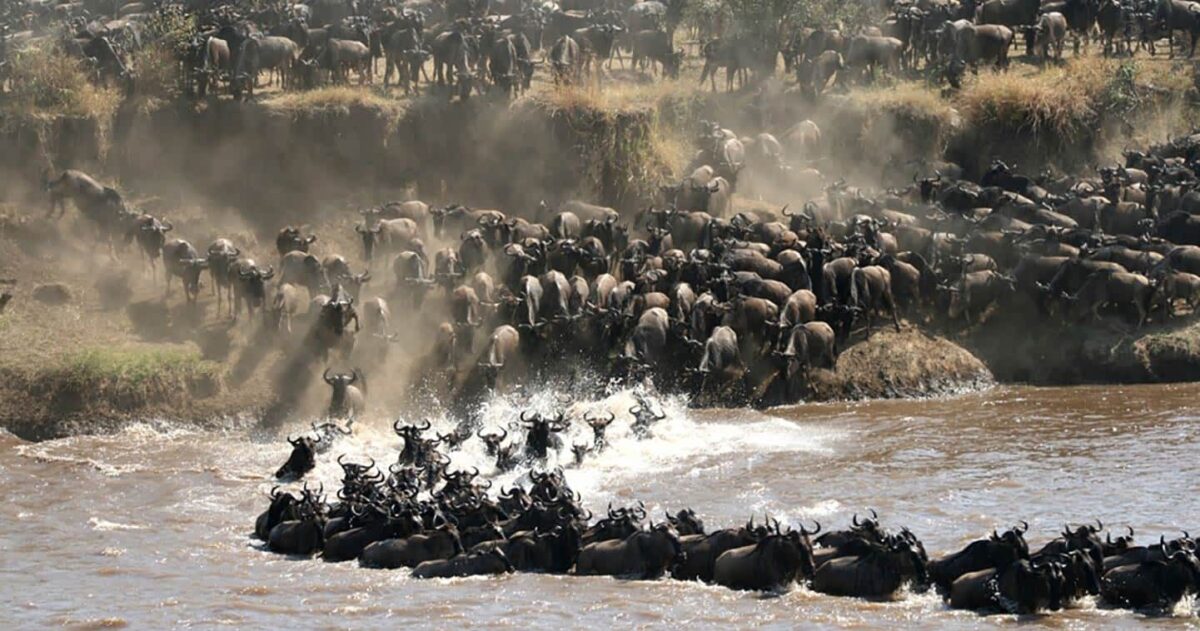
Wildlife in Kenya
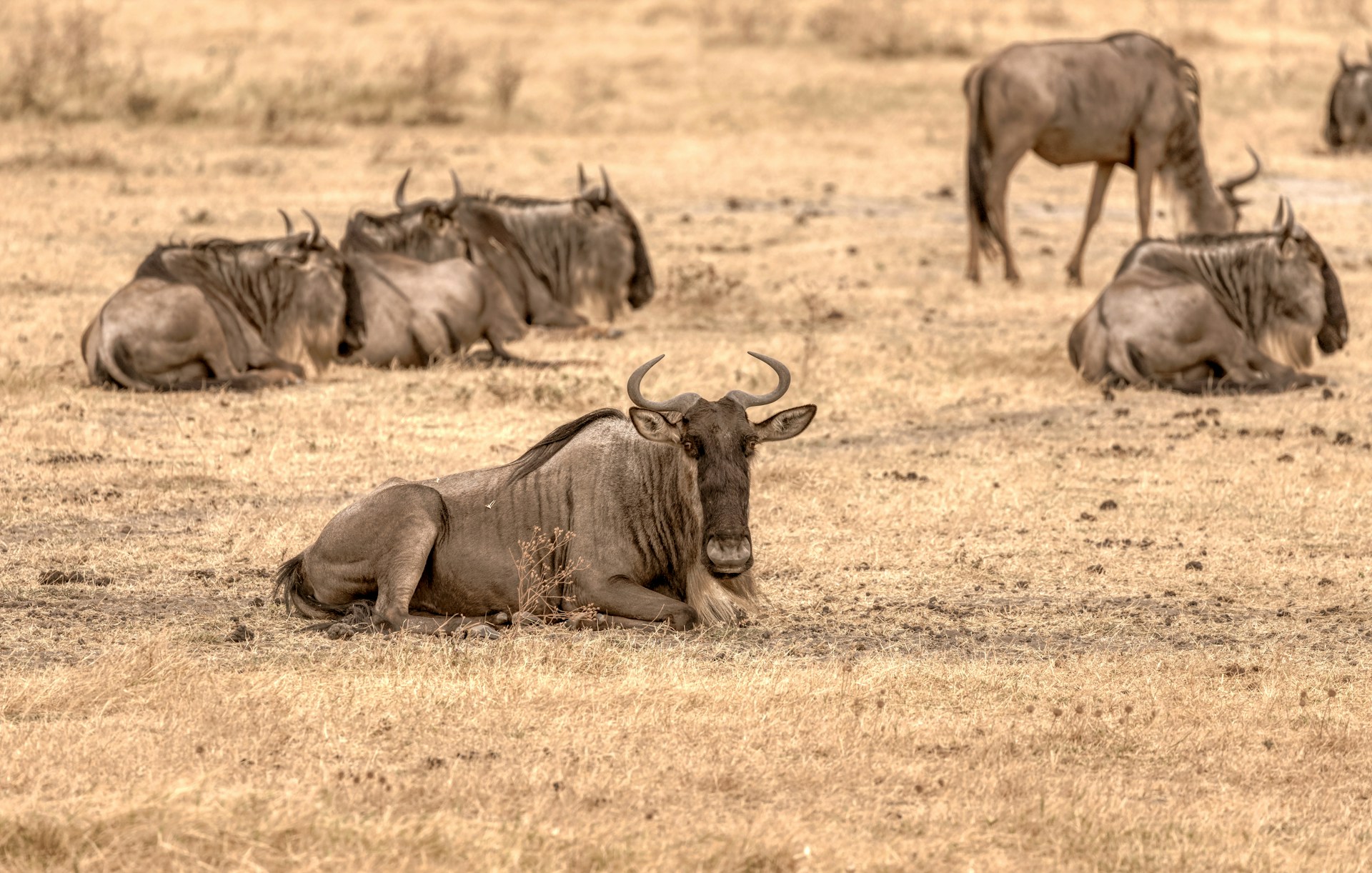
Kenya is one of Africa’s most celebrated wildlife destinations, known for vast savannah ecosystems, strong predator populations, and the world-famous Great Migration. The country’s protected areas span open plains, acacia woodlands, freshwater lakes, and semi-arid northern landscapes, supporting an extraordinary range of species.
From iconic Big Five encounters to rare northern specialists and seasonal migration spectacles, Kenya delivers one of the most complete wildlife experiences on the continent.
Why Book This Destination
Explore More about Wildlife in Kenya
Kenya offers excellent opportunities to see the Big Five: lion, leopard, elephant, buffalo, and rhinoceros. The Maasai Mara is especially renowned for its lion density and frequent predator sightings across open grasslands. Leopards are commonly seen along riverine forests, particularly near the Mara and Samburu regions.
Elephants roam widely across parks such as Amboseli National Park, where large tuskers are often photographed against Mount Kilimanjaro. Buffalo herds are abundant in most savannah parks, while rhino populations are protected in areas like Lake Nakuru National Park and private conservancies.
The Big Five are among the main draws for first-time safari visitors to Kenya.
The Great Migration
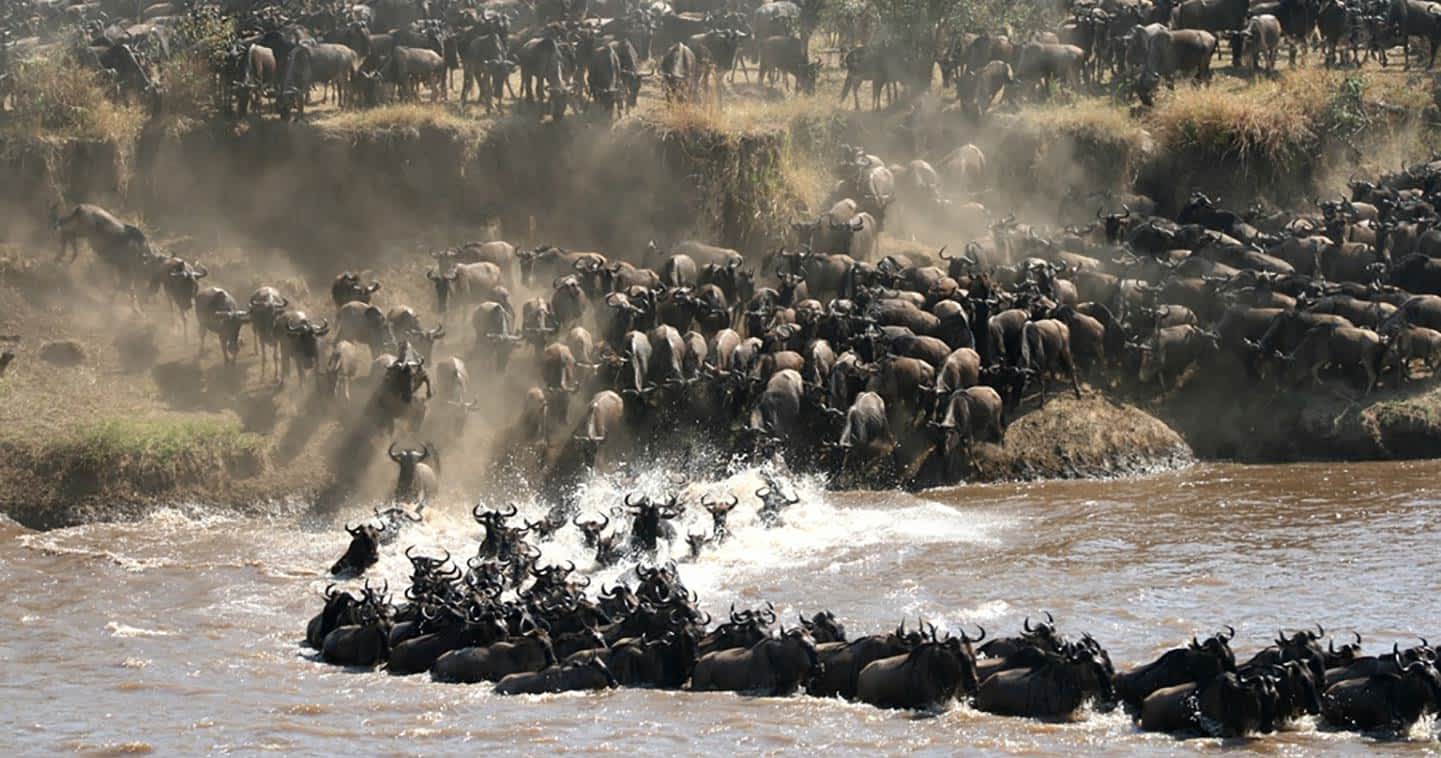
One of Kenya’s most extraordinary wildlife events is the annual Great Migration. Each year, hundreds of thousands of wildebeest and zebra move between Tanzania’s Serengeti and Kenya’s Maasai Mara in search of fresh grazing. River crossings along the Mara River create dramatic scenes as herds navigate crocodile-filled waters.
Predators follow the migration closely, leading to heightened lion and cheetah activity during peak season between July and October. The scale of this movement makes Kenya one of the most dynamic safari destinations in Africa.
The migration remains one of the continent’s most iconic natural spectacles.
Predators of the Savannah
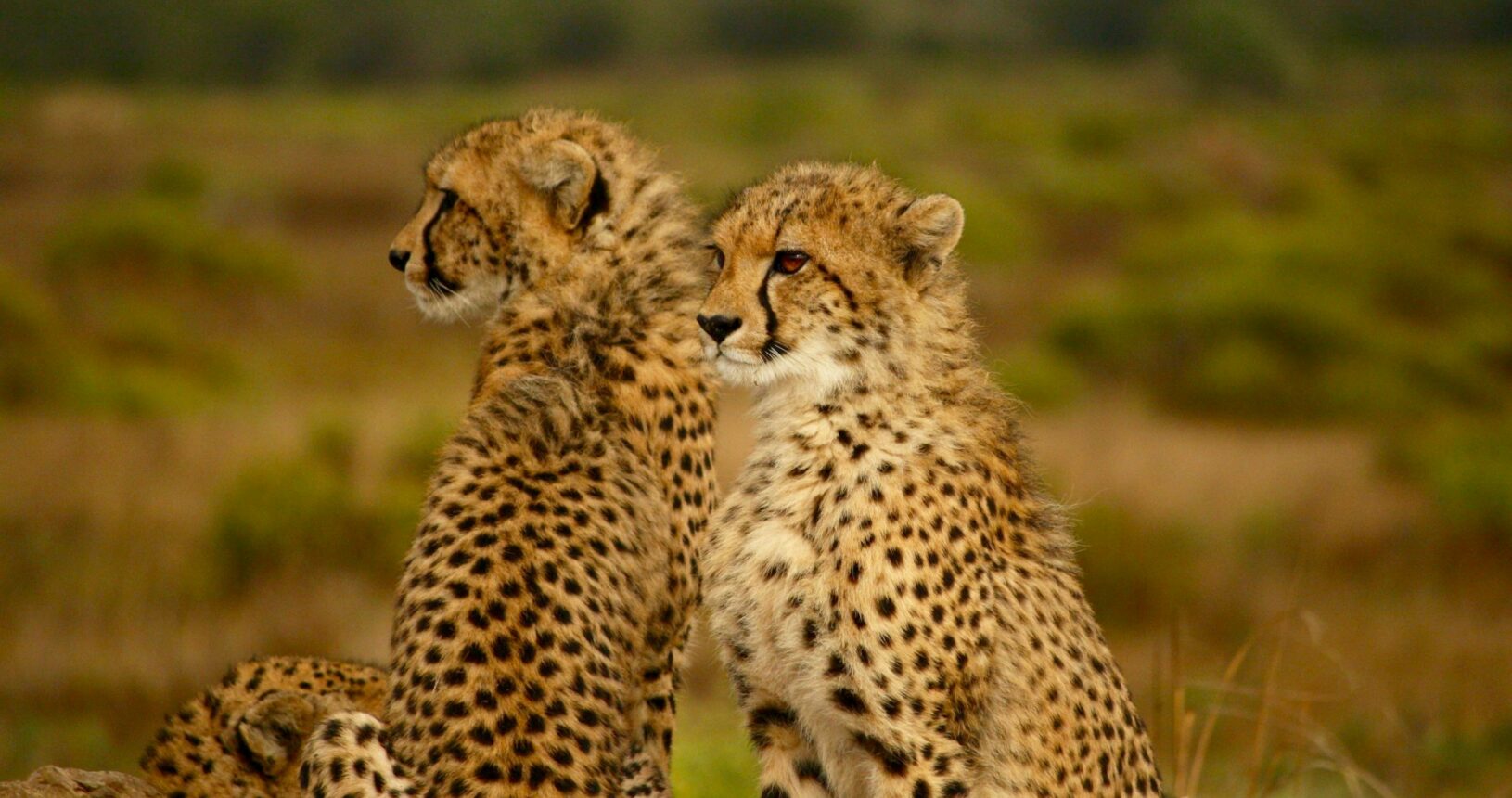
Kenya’s open landscapes make predator viewing particularly rewarding. Lions dominate many ecosystems, often seen resting in the shade during the day before hunting at dusk. Cheetahs thrive in open grasslands where visibility supports their high-speed hunting style.
Leopards, though more elusive, are frequently spotted along rivers and wooded areas. Spotted hyenas play a critical ecological role as both hunters and scavengers, and African wild dogs occasionally move through certain conservancies.
The balance between prey abundance and open terrain enhances Kenya’s reputation for predator sightings.
Elephants and Large Herbivores
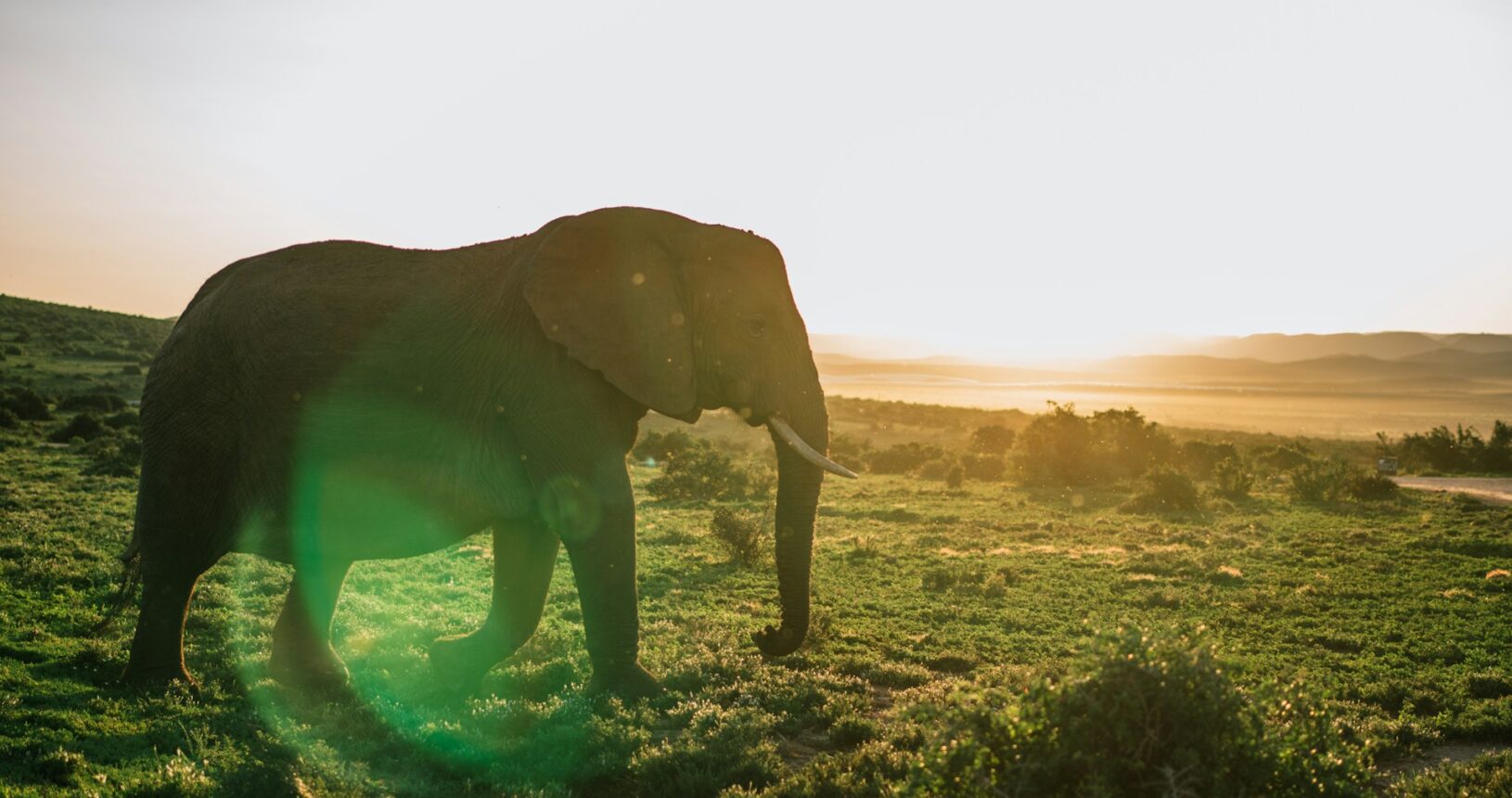
Elephants are widespread across Kenya’s national parks and conservancies. Amboseli is especially famous for its large-tusked bulls and well-studied elephant families. In Tsavo and Samburu, elephants adapt to drier environments and often appear dust-covered in red soil.
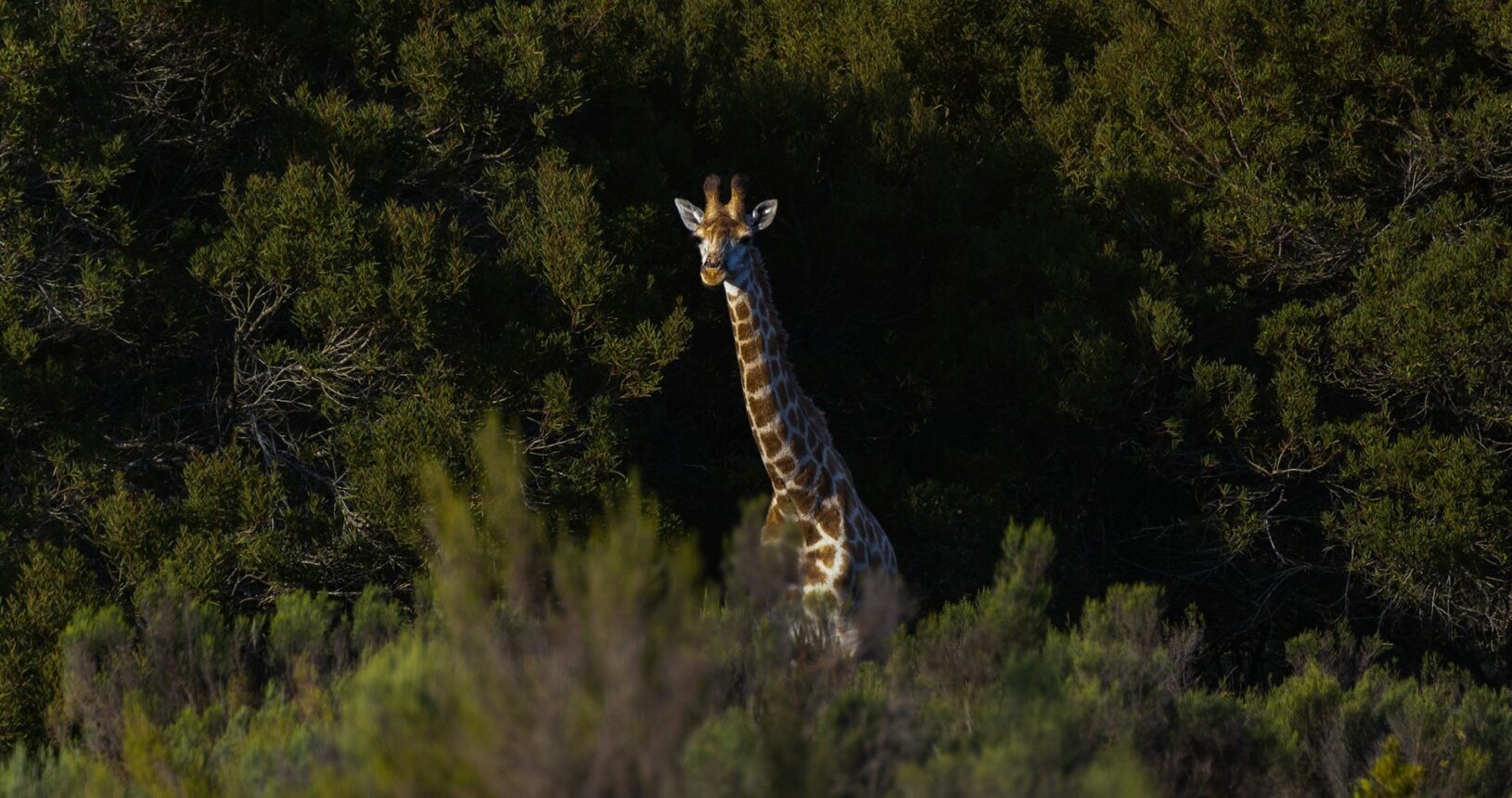
Other large herbivores include giraffes, zebras, wildebeest, eland, and various antelope species. Kenya is home to multiple giraffe subspecies, including the reticulated giraffe found in the north.
The presence of diverse herbivore populations supports strong predator ecosystems throughout the country.
Unique Northern Species
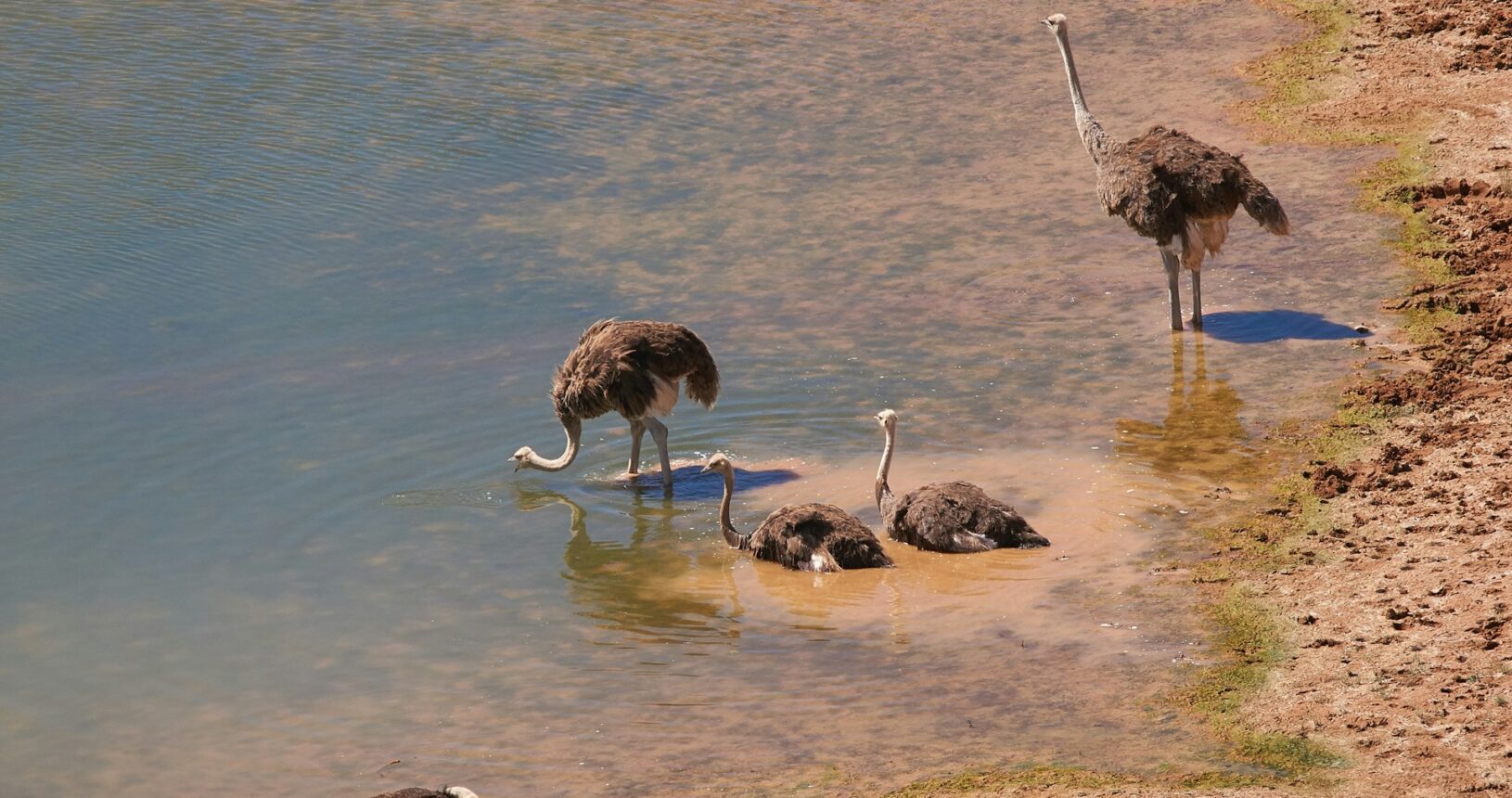
Northern Kenya introduces species not commonly seen in southern safari regions. In Samburu National Reserve, visitors may encounter the “Samburu Special Five,” which include the Grevy’s zebra, reticulated giraffe, Somali ostrich, gerenuk, and Beisa oryx.
These arid-adapted species add ecological contrast to Kenya’s classic savannah parks. The northern reserves feel more remote and less crowded, offering a distinct wildlife character.
The diversity between northern and southern ecosystems broadens Kenya’s safari appeal.
Birdlife and Wetland Ecosystems
Kenya is a premier birding destination, hosting over 1,000 recorded bird species. Lakes in the Rift Valley, including Lake Nakuru and Lake Naivasha, attract flamingos, pelicans, and numerous migratory birds.
Wetland habitats support fish eagles and kingfishers, while savannah areas host secretary birds and kori bustards. Birdlife remains active year-round, with peak diversity often occurring during the rainy seasons.
The combination of wetlands and open plains enhances Kenya’s ecological variety.
Conservation and Private Conservancies
Beyond national parks, Kenya’s private conservancies play a major role in wildlife protection. These areas operate under controlled tourism models that limit vehicle numbers and support community-based conservation initiatives.
Conservancies bordering the Maasai Mara offer lower-density safari experiences and increased opportunities for walking safaris and night drives.
Conservation partnerships between local communities and safari operators strengthen long-term wildlife sustainability.
Overall Wildlife Experience
Wildlife in Kenya is defined by scale, diversity, and accessibility. The country combines strong Big Five populations, seasonal migration drama, and unique northern species within landscapes that are both photogenic and ecologically rich.
For travelers seeking classic African safari scenes, abundant predator sightings, and the spectacle of mass wildlife movement, Kenya remains one of the continent’s most compelling wildlife destinations.
In Africa’s national parks, every sunrise paints a masterpiece — where the wild’s call echoes across endless horizons. Visiting these parks is to witness nature in its purest form, a timeless dance that stirs the soul.
Steps to Book Your Southern Africa Tour
Choose Your Adventure
Confirm Your Booking
Begin Your Journey
Ready to plan your tailor-made safari?