
Kenya Safari Packing List
February 10, 2026
Languages in Kenya
February 10, 2026
Kenya vs South Africa Safari
Choosing between a safari in Kenya and South Africa depends on the type of wildlife experience, travel style, and overall expectations. Both countries are among Africa’s most established safari destinations, yet they deliver very different atmospheres.
Kenya represents the classic East African savannah safari, defined by vast open plains, the Great Migration, and strong predator visibility. South Africa offers a highly developed safari infrastructure, malaria-free reserves in some regions, and a blend of wildlife, wine country, beaches, and modern cities.
The choice is less about which is better and more about which aligns with your safari priorities.
Why Book This Destination
Explore More about Kenya vs South Africa Safari
Landscape and Scenery
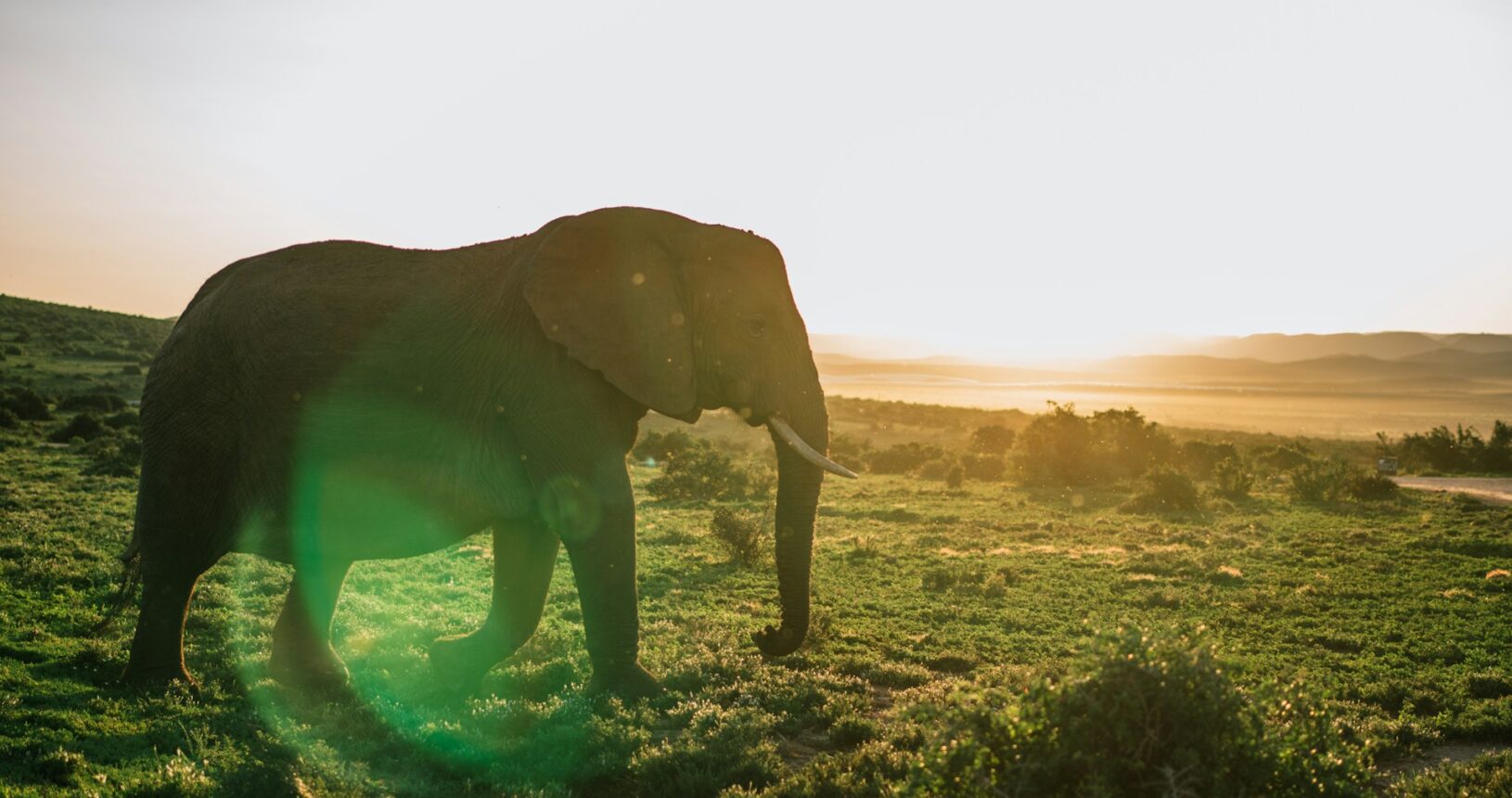
Kenya’s landscapes are expansive and dramatic. The rolling grasslands of the Maasai Mara stretch toward the horizon, while Amboseli National Park frames elephant herds against Mount Kilimanjaro. The scenery feels raw and cinematic, often associated with traditional African safari imagery.
South Africa’s safari landscapes vary by region. Kruger National Park features bushveld savannah with mixed woodland and open clearings. Private reserves such as Sabi Sands Game Reserve offer dense bush habitats known for close leopard sightings. Beyond safari parks, South Africa includes coastal cliffs, vineyards, and mountain ranges, adding broader travel variety.
Kenya feels wilder and more expansive. South Africa feels diverse and layered.
Wildlife Experience
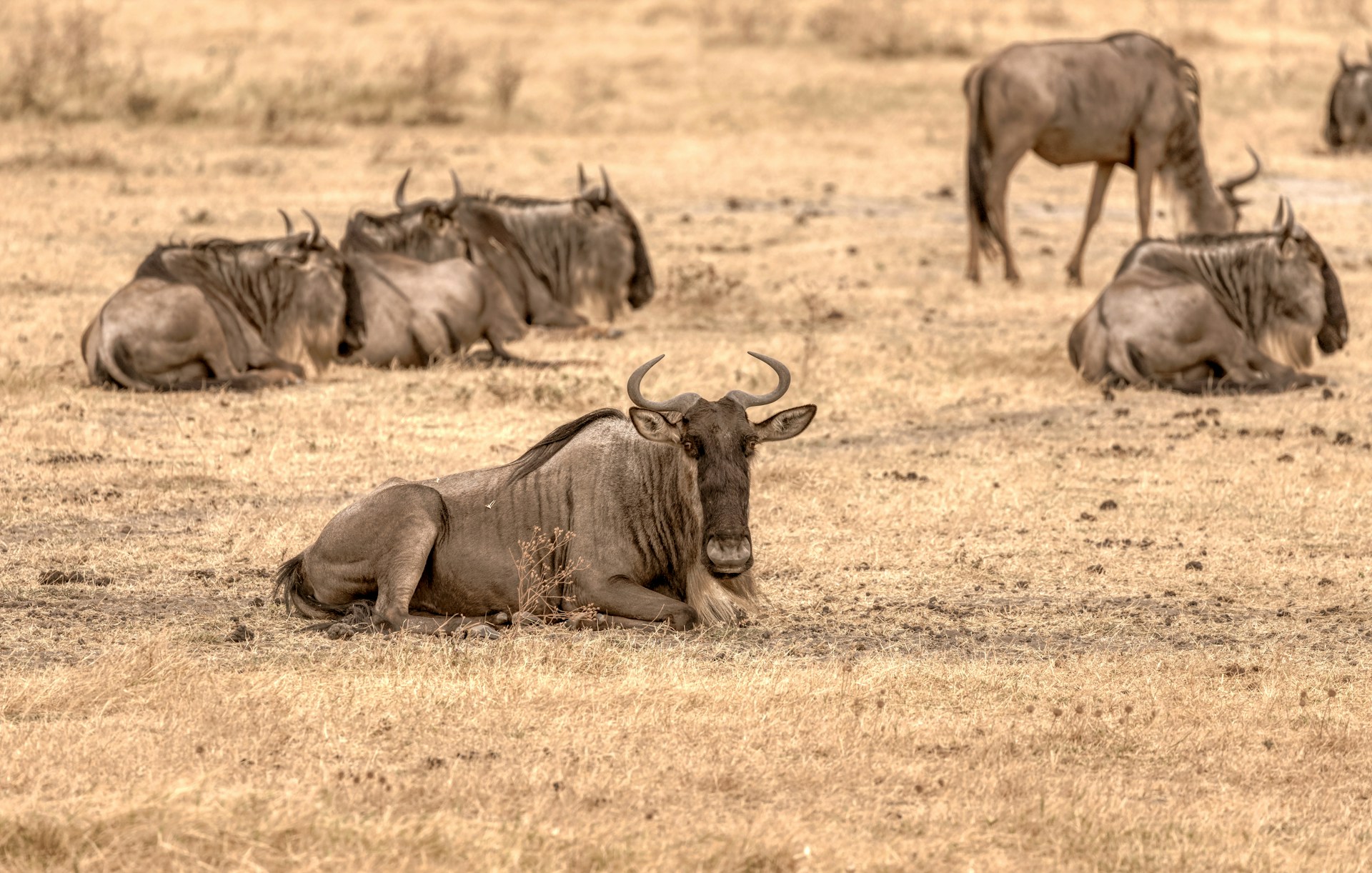
Kenya is globally famous for the Great Migration in the Maasai Mara, where hundreds of thousands of wildebeest and zebra move seasonally across the plains. Predator density is high, and open terrain allows long-distance wildlife viewing.
South Africa offers reliable Big Five sightings, particularly in private reserves where off-road driving is permitted. Leopard sightings in Sabi Sands are often closer and more frequent than in many East African parks. South Africa’s parks also have strong rhino populations and structured conservation programs.
Kenya delivers scale and migration drama. South Africa delivers consistency and close-range predator encounters.
Safari Style and Comfort
Kenya offers a range of accommodations from budget camps to high-end tented lodges. Many safaris involve longer game drives across open plains, and some regions can be busy during peak migration season.
South Africa’s private reserves emphasize smaller vehicle numbers and controlled sightings. Lodges often feature high-end amenities, spa facilities, and gourmet dining. Infrastructure is generally more developed, and roads are smoother.
Travelers seeking a polished, structured safari environment may prefer South Africa. Those drawn to classic open savannah and large-scale wildlife movement may prefer Kenya.
Accessibility and Logistics
Kenya’s main gateway is Nairobi, which connects directly to safari airstrips and road routes. Travel between parks may involve longer drives depending on itinerary design.
South Africa benefits from strong international connectivity through Johannesburg and Cape Town. Domestic flights and road networks are highly developed, making multi-destination travel relatively easy.
For travelers combining safari with urban experiences, beaches, or wine tourism, South Africa offers broader logistical flexibility.
Malaria and Health Considerations
Certain safari areas in Kenya and northeastern South Africa fall within malaria zones. However, South Africa also offers malaria-free reserves in regions such as the Eastern Cape, which can be attractive for families with young children.
Kenya’s prime safari areas, including the Maasai Mara, require standard malaria precautions.
Health considerations may influence destination choice for some travelers.
Cost Comparison
Kenya generally provides competitive pricing across budget and midrange categories. However, migration season rates can rise significantly due to demand.
South Africa offers strong midrange value, particularly in Kruger National Park and surrounding reserves. Luxury lodges in private reserves can be costly but often include premium service and amenities.
Both destinations offer a broad price spectrum, with final costs determined more by accommodation level and season than country alone.
Cultural and Travel Experience
Kenya’s safari experience often includes cultural encounters with Maasai communities, reinforcing its East African identity. The atmosphere feels traditional and closely tied to pastoral heritage.
South Africa combines safari with urban sophistication. Visitors can transition from wildlife viewing in Kruger to dining in Cape Town or touring vineyards in Stellenbosch. The cultural mix reflects African, European, and indigenous influences.
Kenya centers the safari. South Africa blends safari with lifestyle travel.
Overall Comparison
A Kenya safari is ideal for travelers seeking vast savannah landscapes, the Great Migration, and classic East African wildlife scenes. It emphasizes open plains and dramatic animal movement.
A South Africa safari suits those looking for consistent Big Five sightings, refined lodge experiences, and the ability to combine wildlife with city, beach, and culinary tourism.
Both destinations rank among Africa’s finest safari experiences. The decision ultimately depends on whether you prioritize migration spectacle and open landscapes or refined infrastructure and travel diversity.
In Africa’s national parks, every sunrise paints a masterpiece — where the wild’s call echoes across endless horizons. Visiting these parks is to witness nature in its purest form, a timeless dance that stirs the soul.
Steps to Book Your Southern Africa Tour
Choose Your Adventure
Confirm Your Booking
Begin Your Journey
Ready to plan your tailor-made safari?