
Cost of a Kenya Safari
February 10, 2026
Kenya Safari Packing List
February 10, 2026
Cultural Practices of Kenya
Kenya is one of Africa’s most culturally diverse countries, home to more than 40 ethnic communities, each with distinct traditions, languages, dress, and belief systems. Cultural practices in Kenya are deeply rooted in community identity, ancestral heritage, and social structure. While modern urban life has reshaped some traditions, many customs remain central to daily life, especially in rural areas.
Kenya’s cultural fabric is shaped by Bantu, Nilotic, and Cushitic communities, as well as centuries of trade along the Indian Ocean coast that introduced Arab and Swahili influences. Together, these elements create a layered and dynamic cultural landscape.
Why Book This Destination
Explore More about Cultural Practices of Kenya
Traditional Rites of Passage
Rites of passage remain fundamental in many Kenyan communities. Among groups such as the Maasai and Kalenjin, initiation ceremonies mark the transition from childhood to adulthood. These ceremonies often involve community gatherings, symbolic rituals, and teachings about responsibility, bravery, and social roles.
Circumcision ceremonies, while increasingly influenced by modern health practices, still carry cultural significance in many communities. They are not merely physical procedures but social milestones that define maturity and belonging.
These rites reinforce communal identity and intergenerational continuity.
Marriage and Family Structures
Marriage in Kenya is traditionally seen as a union between families rather than just individuals. In many communities, bride price negotiations are conducted, often involving livestock, money, or other valuables. This practice symbolizes respect and formal recognition of the union.
Coastal communities influenced by Swahili and Islamic traditions, particularly in cities such as Mombasa, incorporate religious rituals, elaborate ceremonies, and extended celebrations into marriage customs. In rural settings, ceremonies may include traditional music, dance, and communal feasting.
Although urbanization has modernized some aspects of marriage, family remains central to Kenyan social life.
Traditional Dress and Adornment
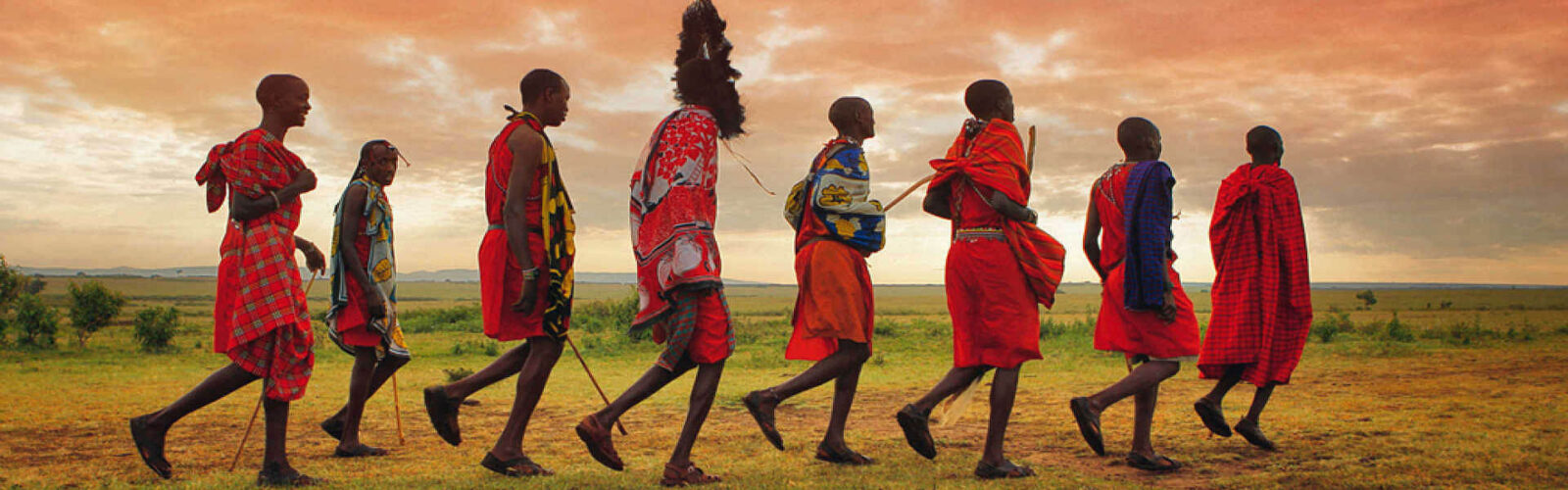
Clothing in Kenya reflects ethnic identity and geographic region. The Maasai are internationally recognized for their red shukas and intricate beadwork, which signify age, marital status, and social rank. Beaded jewelry plays an important role in cultural expression, particularly among pastoralist communities.
In western Kenya, communities such as the Luo traditionally incorporate vibrant fabrics and ceremonial attire during festivals and important events. Coastal Swahili culture features flowing garments influenced by Arab traditions, including kanzus for men and buibuis for women.
Traditional dress is often worn during ceremonies, festivals, and rites of passage, preserving cultural visibility in a modernizing society.
Music and Dance Traditions
Music and dance are deeply embedded in Kenyan cultural life. Traditional songs accompany rituals, storytelling, weddings, and harvest celebrations. Drumming, chanting, and call-and-response singing are common elements across communities.
Among the Maasai, jumping dances are performed during ceremonies to demonstrate strength and vitality. Coastal Swahili taarab music blends African rhythms with Arabic and Indian influences, reflecting centuries of maritime trade.
These expressive practices reinforce community cohesion and transmit oral history across generations.
Respect for Elders and Community Hierarchy
Respect for elders is a cornerstone of Kenyan cultural practice. Elders often serve as custodians of tradition, mediators in disputes, and advisors in community decisions. Greetings and social etiquette emphasize deference, particularly in rural settings.
In many communities, decisions affecting families or clans involve consultation with senior members. This hierarchical respect structure remains influential even as urban lifestyles evolve.
Community identity frequently outweighs individualism in traditional settings.
Food and Communal Eating
Food plays a central role in Kenyan cultural expression. Staple dishes such as ugali, sukuma wiki, nyama choma, and traditional stews are commonly shared among family members. Meals are often eaten communally, reinforcing social bonds.
In pastoralist communities, livestock products such as milk and meat carry symbolic importance. Coastal cuisine reflects Swahili influence, incorporating coconut, spices, and seafood.
Shared meals strengthen relationships and serve as key elements in ceremonies and celebrations.
Religious and Spiritual Practices
Kenya is religiously diverse, with Christianity and Islam as dominant faiths alongside traditional belief systems. In rural areas, ancestral reverence and indigenous spiritual practices may still influence rituals and ceremonies.
The coastal region has strong Islamic traditions shaped by centuries of Indian Ocean trade. Inland communities often blend Christian practices with indigenous customs, creating hybrid expressions of faith.
Religion continues to shape social values, community gatherings, and national holidays.
Cultural Diversity in Modern Kenya
Urban centers such as Nairobi reflect a blend of traditional heritage and contemporary global culture. While younger generations increasingly adopt modern lifestyles, traditional customs remain visible during festivals, ceremonies, and rural life.
Kenya’s cultural diversity is not static. It continues to evolve while preserving strong ties to heritage and identity.
Overall Cultural Identity
Cultural practices in Kenya are rooted in community, respect, and continuity. From rites of passage to music, dress, and communal living, traditions shape social structure and collective identity across ethnic groups.
For visitors, engaging respectfully with Kenya’s cultural diversity offers insight beyond wildlife and landscapes. It reveals a society where heritage remains deeply woven into everyday life.
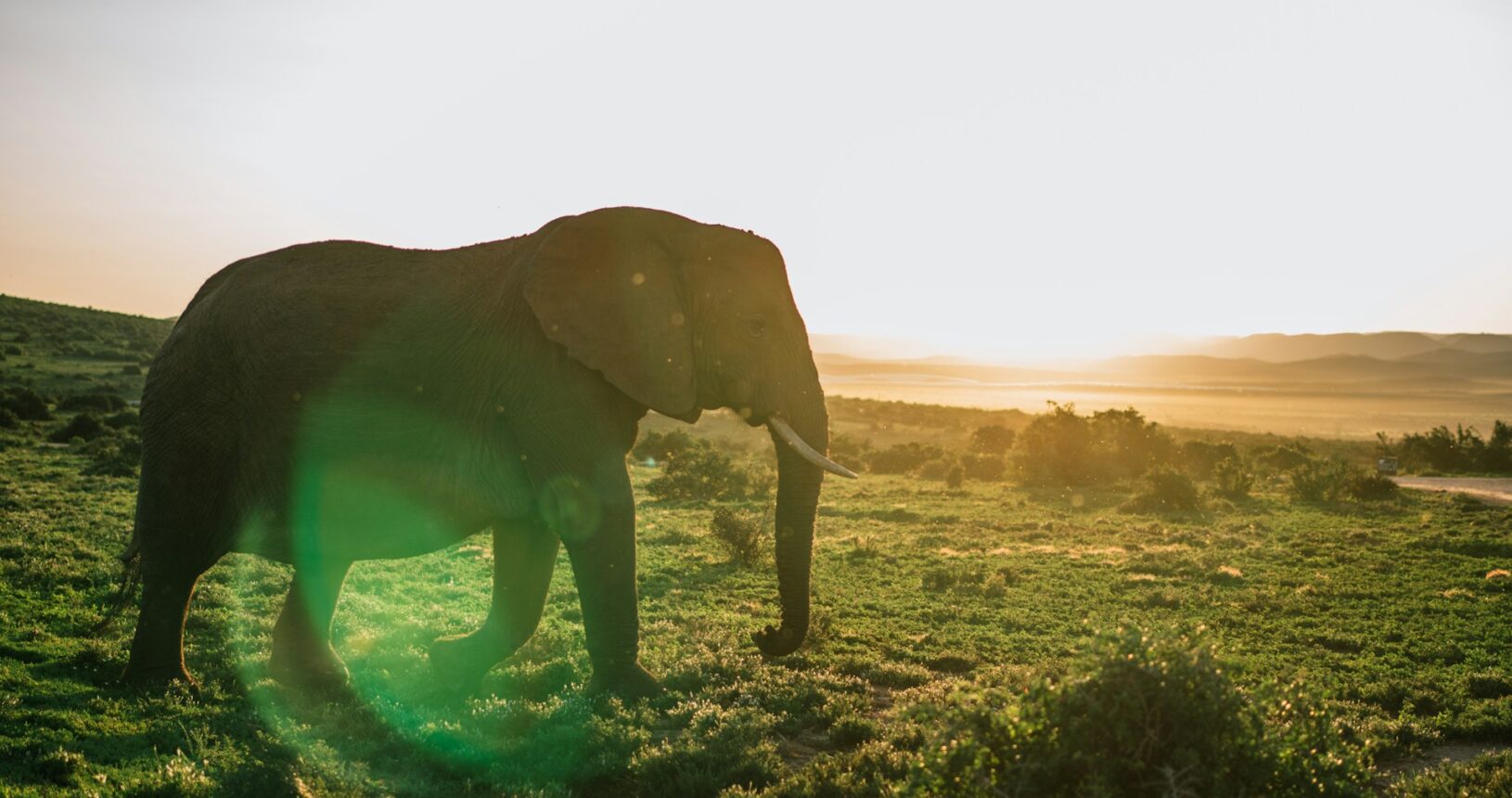
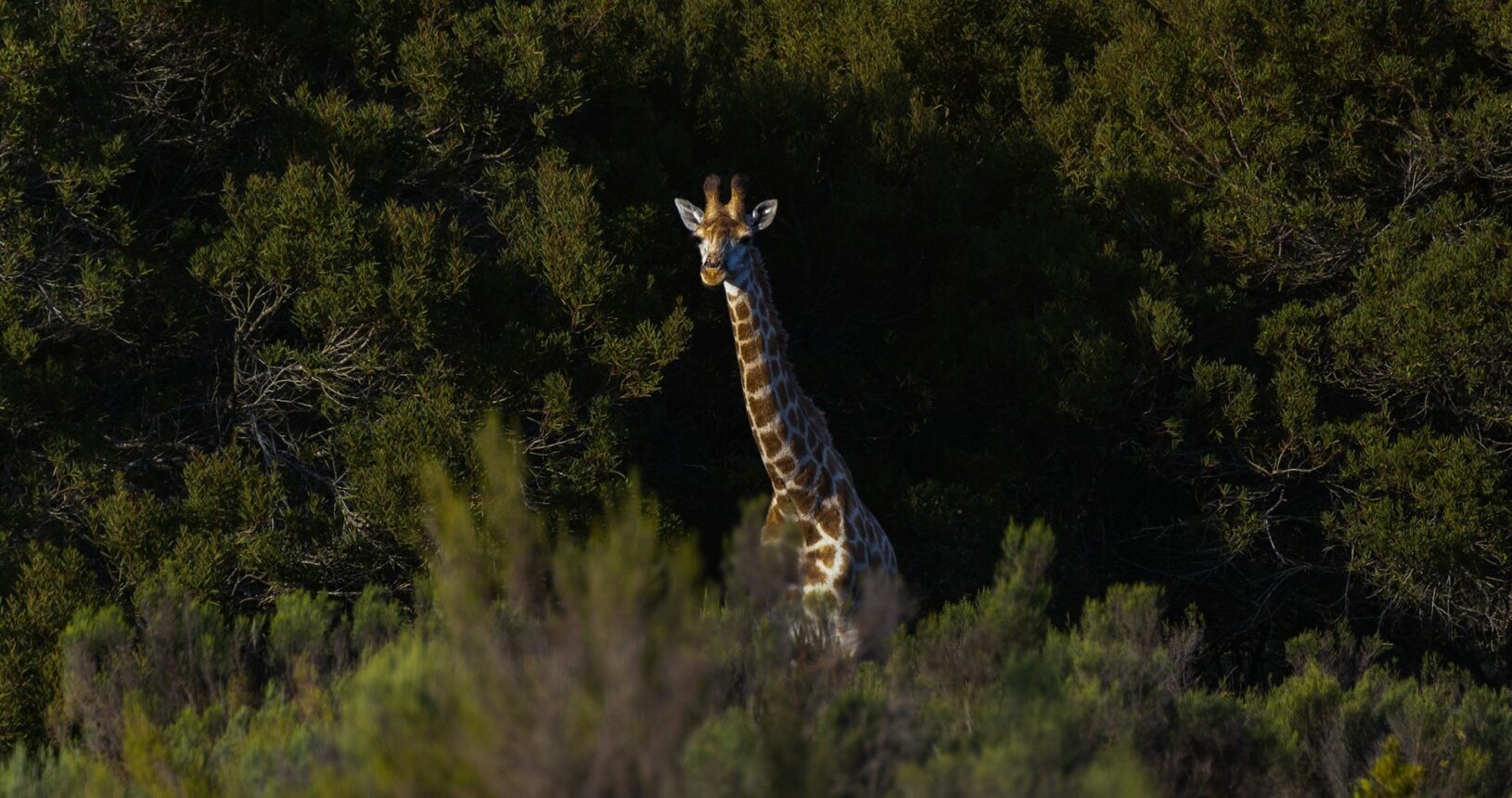
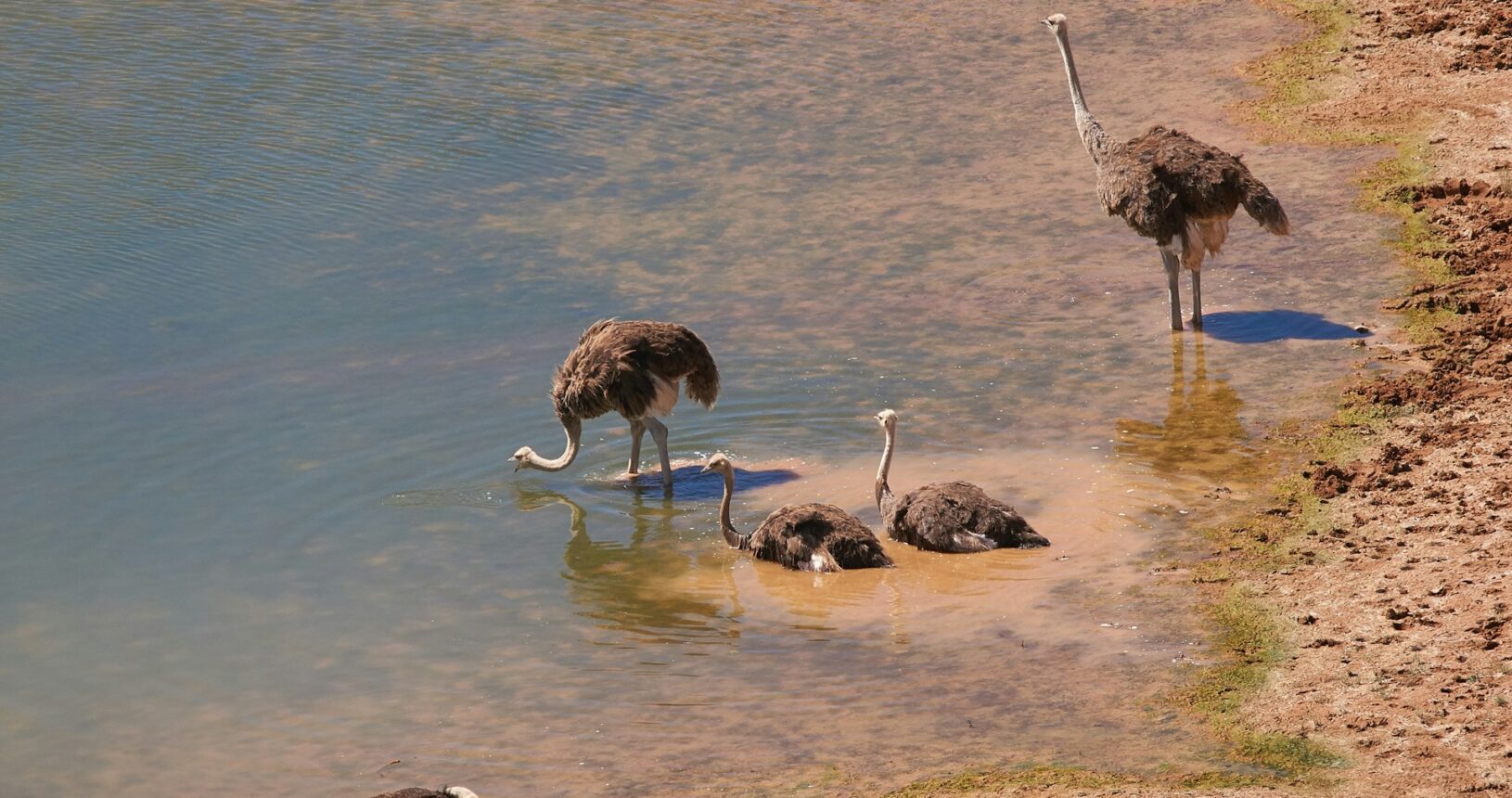
In Africa’s national parks, every sunrise paints a masterpiece — where the wild’s call echoes across endless horizons. Visiting these parks is to witness nature in its purest form, a timeless dance that stirs the soul.
Steps to Book Your Southern Africa Tour
Choose Your Adventure
Confirm Your Booking
Begin Your Journey
Ready to plan your tailor-made safari?