Solo Safaris in Kenya
February 10, 2026
Cultural Practices of Kenya
February 10, 2026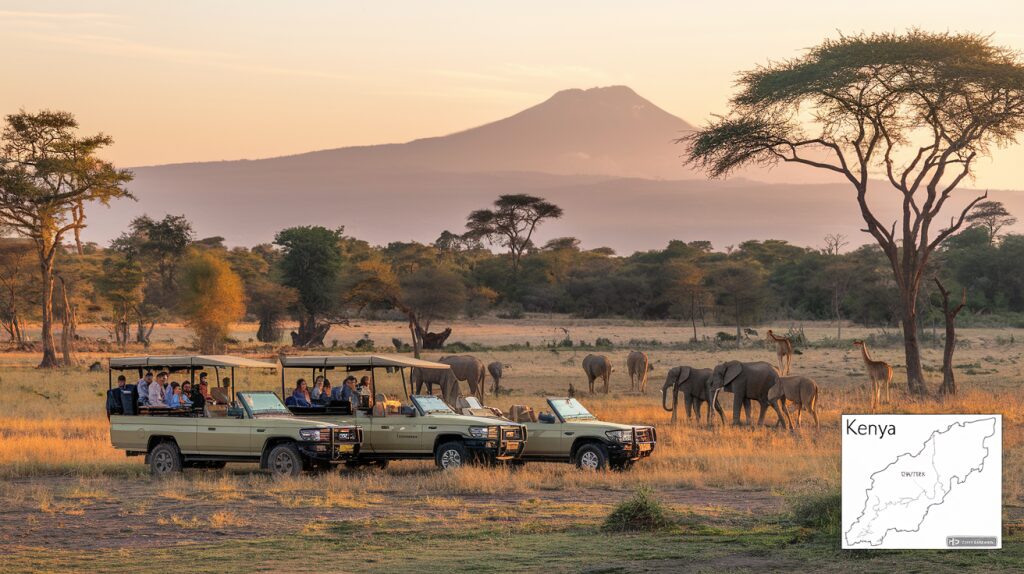
Cost of a Kenya Safari
The cost of a Kenya safari varies widely depending on season, accommodation category, transport style, and park selection. Kenya offers one of Africa’s most accessible and diverse safari circuits, ranging from budget camping safaris to ultra-luxury fly-in experiences in private conservancies.
Understanding safari pricing in Kenya requires looking beyond a single daily rate. Park fees, internal flights, guiding quality, vehicle type, and seasonal demand all influence the final cost. Kenya is generally more flexible in pricing than destinations such as Botswana, making it possible to structure itineraries across different budget levels.
Why Book This Destination
Explore More about Cost of a Kenya Safari
Average Daily Safari Costs
A midrange Kenya safari typically ranges between USD 350 and USD 600 per person per day. This usually includes accommodation, meals, game drives, park entry fees, and ground transportation in a shared safari vehicle.
Luxury safaris, especially those based in private conservancies around the Maasai Mara, often range from USD 700 to USD 1,500 per person per day. High-end tented camps with private vehicles and premium service may exceed this range during peak season.
Budget camping safaris can cost between USD 180 and USD 300 per person per day, though comfort levels and vehicle quality are significantly lower.
What Is Usually Included
Most safari packages in Kenya are sold on a full-board basis, meaning accommodation, meals, game drives, and park entry fees are included. Ground transport from Nairobi is commonly bundled into the package, particularly for road-based safaris.
Drinks, gratuities, balloon safaris, and international flights are generally excluded. Some luxury camps include local flights and selected beverages, so inclusions vary depending on lodge category and itinerary design.
Clarifying inclusions is essential when comparing prices between operators.
Seasonal Price Differences
Kenya has clear high and low seasons that strongly affect pricing. The peak season typically runs from July to October during the Great Migration in the Maasai Mara. Rates increase substantially during this period due to high demand and prime wildlife viewing.
The shoulder seasons, usually January to March, offer good wildlife conditions with moderate pricing. The long rains between April and May represent the low season, when many lodges offer discounted rates. While rainfall may affect road conditions, green landscapes and fewer vehicles can enhance the experience.
Seasonality can change safari costs by several hundred dollars per day.
Road Safari vs Fly-In Safari
Road safaris from Nairobi to destinations such as the Maasai Mara, Amboseli National Park, or Lake Nakuru National Park are generally more affordable. Travel times are longer, but the cost of internal flights is avoided.
Fly-in safaris reduce transit time significantly and are common for luxury itineraries. Scheduled light aircraft flights from Nairobi’s Wilson Airport connect directly to remote airstrips. While more convenient, these flights add several hundred dollars to overall safari costs.
The choice between road and air transport plays a major role in budget planning.
Park Fees and Conservancy Costs
National park fees in Kenya vary by destination and season. The Maasai Mara has some of the highest conservation fees in the country, particularly for non-residents. Private conservancies bordering the reserve often charge additional nightly conservancy fees, which contribute to community land management and lower vehicle density.
These fees are typically included in packaged safari pricing but should always be confirmed in advance.
Understanding conservation charges helps avoid unexpected additions to the final invoice.
Additional Costs to Consider
International flights to Nairobi, travel insurance, visas, and gratuities are separate from safari package pricing. Optional experiences such as hot air balloon safaris over the Maasai Mara can add USD 450 to USD 550 per person.
Tips for guides and lodge staff are customary and should be factored into the overall budget. Premium drinks and personal expenses are usually billed separately unless staying in fully inclusive luxury camps.
Accurate budgeting requires accounting for these supplementary expenses.
Is Kenya Good Value for Money?
Kenya offers strong value across multiple price tiers. Compared to more restricted safari destinations, Kenya allows greater flexibility in accommodation levels and transport style. The combination of diverse parks, iconic wildlife, and well-developed safari infrastructure makes it accessible to a broad range of travelers.
For those seeking migration viewing, elephant herds against Mount Kilimanjaro in Amboseli, or classic savannah safaris in the Maasai Mara, Kenya provides one of Africa’s most competitive safari markets.
The final cost depends less on the country itself and more on how the itinerary is structured.
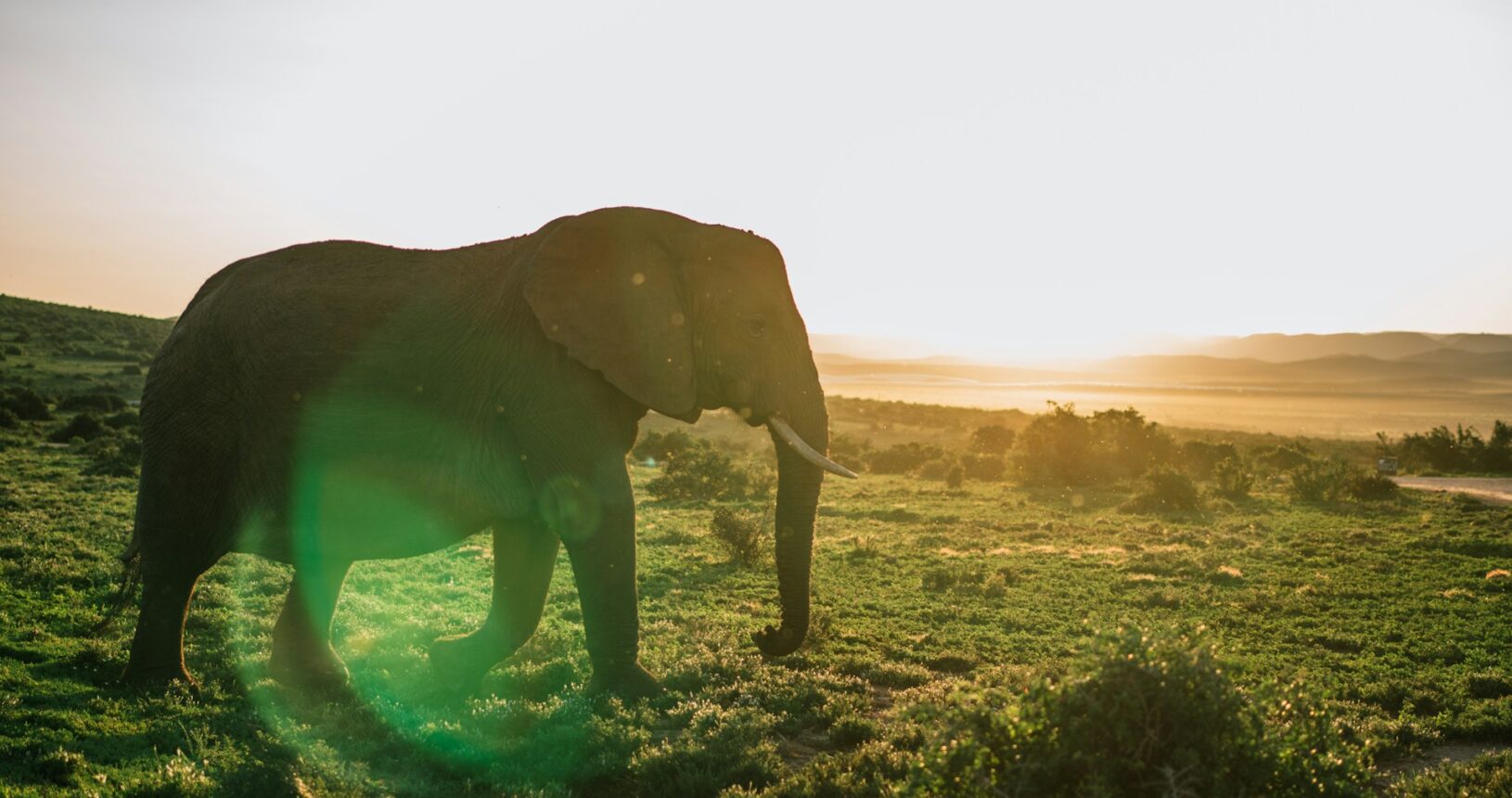
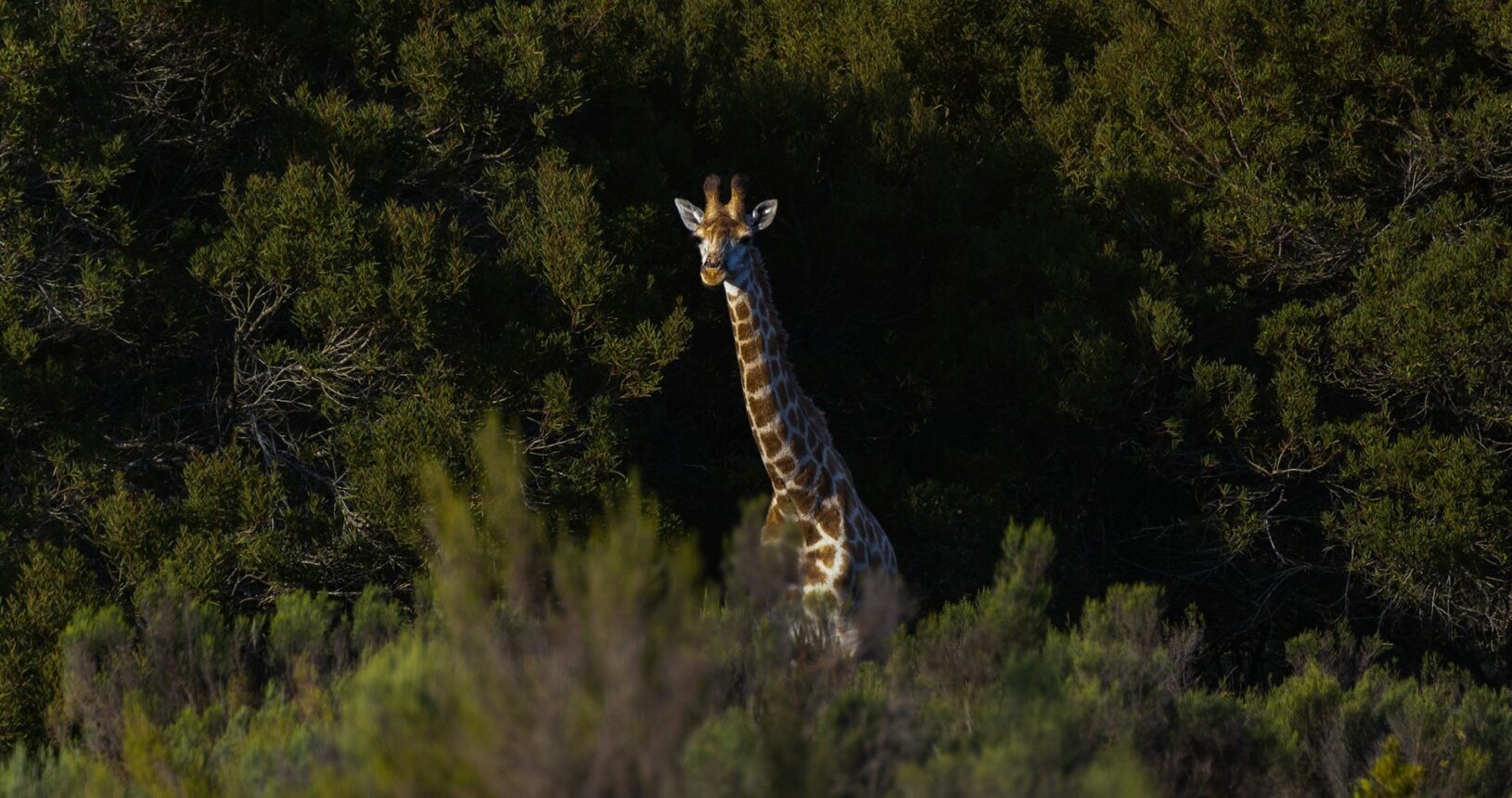
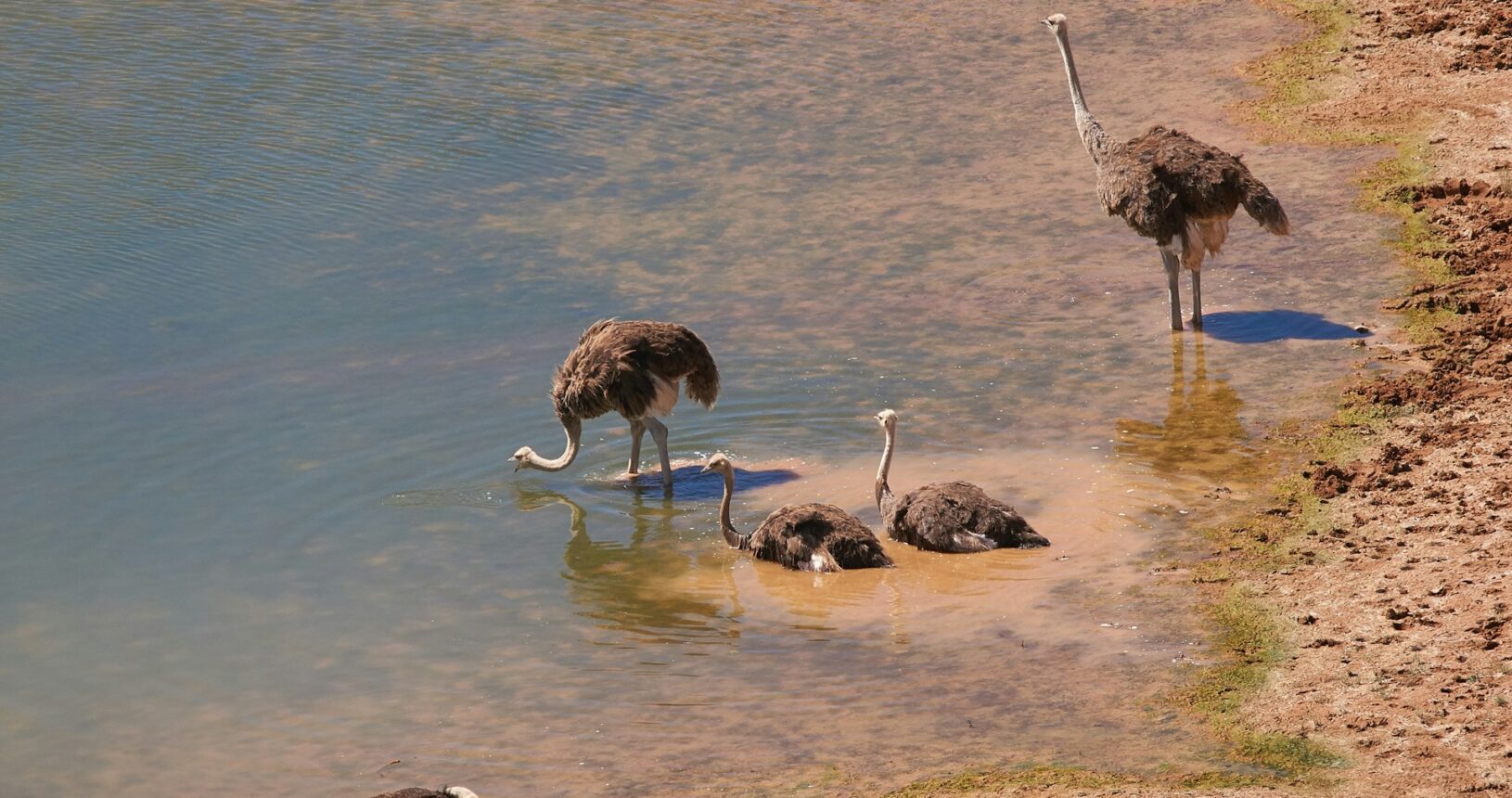
In Africa’s national parks, every sunrise paints a masterpiece — where the wild’s call echoes across endless horizons. Visiting these parks is to witness nature in its purest form, a timeless dance that stirs the soul.
Steps to Book Your Southern Africa Tour
Choose Your Adventure
Confirm Your Booking
Begin Your Journey
Ready to plan your tailor-made safari?