Remote Safaris
February 10, 2026
Water Activities in Kenya
February 10, 2026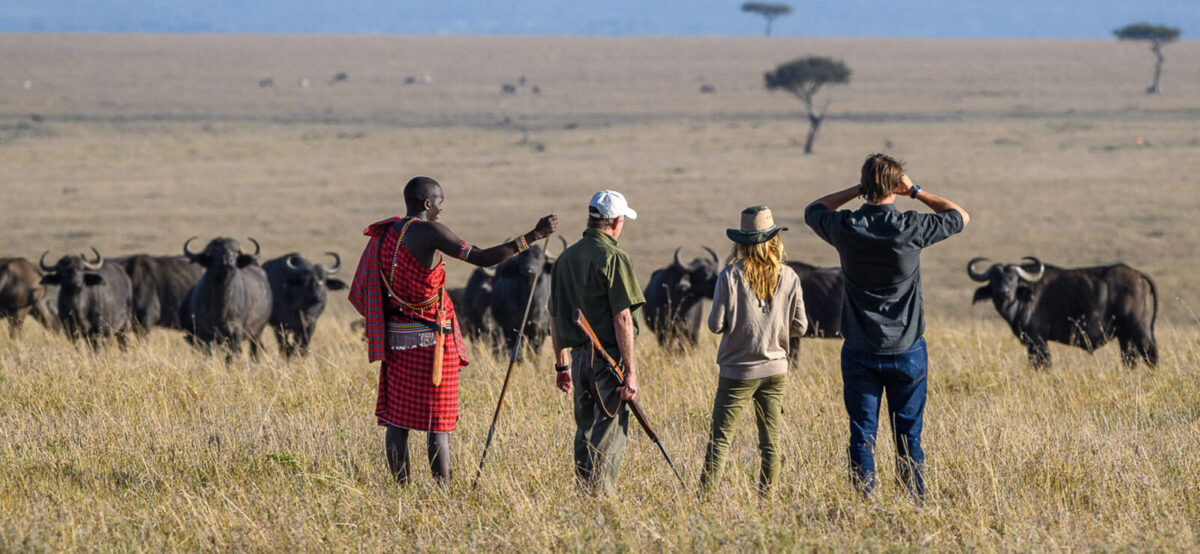
Walking Safaris
Kenya offers a remarkable range of walking experiences that allow travelers to engage with the landscape in a deeper and more personal way. While Kenya is globally known for its classic game drives across vast savannah ecosystems, exploring the country on foot reveals details that are often overlooked from a vehicle. Walking activities allow visitors to observe tracks, plants, insects, birdlife, and geological formations while developing a stronger awareness of how ecosystems function.
From high-altitude trekking on Mount Kenya to guided bush walks in wildlife conservancies and scenic hikes through volcanic valleys, walking experiences complement the traditional safari by slowing down the pace and encouraging close interaction with the environment.
Why Book This Destination
Explore More about Walking Safaris
What to Expect from Walking Activities
Walking activities in Kenya are designed to balance exploration with safety and environmental awareness. Most guided walks begin with a briefing where experienced guides explain how to move quietly through the landscape and how to respond if wildlife is encountered. The emphasis is not on covering long distances but on observation and interpretation of the surrounding environment.
Guides point out subtle signs such as animal tracks in the soil, droppings that indicate recent wildlife activity, and plants used traditionally for food or medicine. Bird calls and insect movement often reveal hidden layers of life within the ecosystem. These small discoveries gradually build a broader understanding of the landscape.
Walking transforms the safari experience into something interactive and educational rather than simply observational.
Walking Safaris
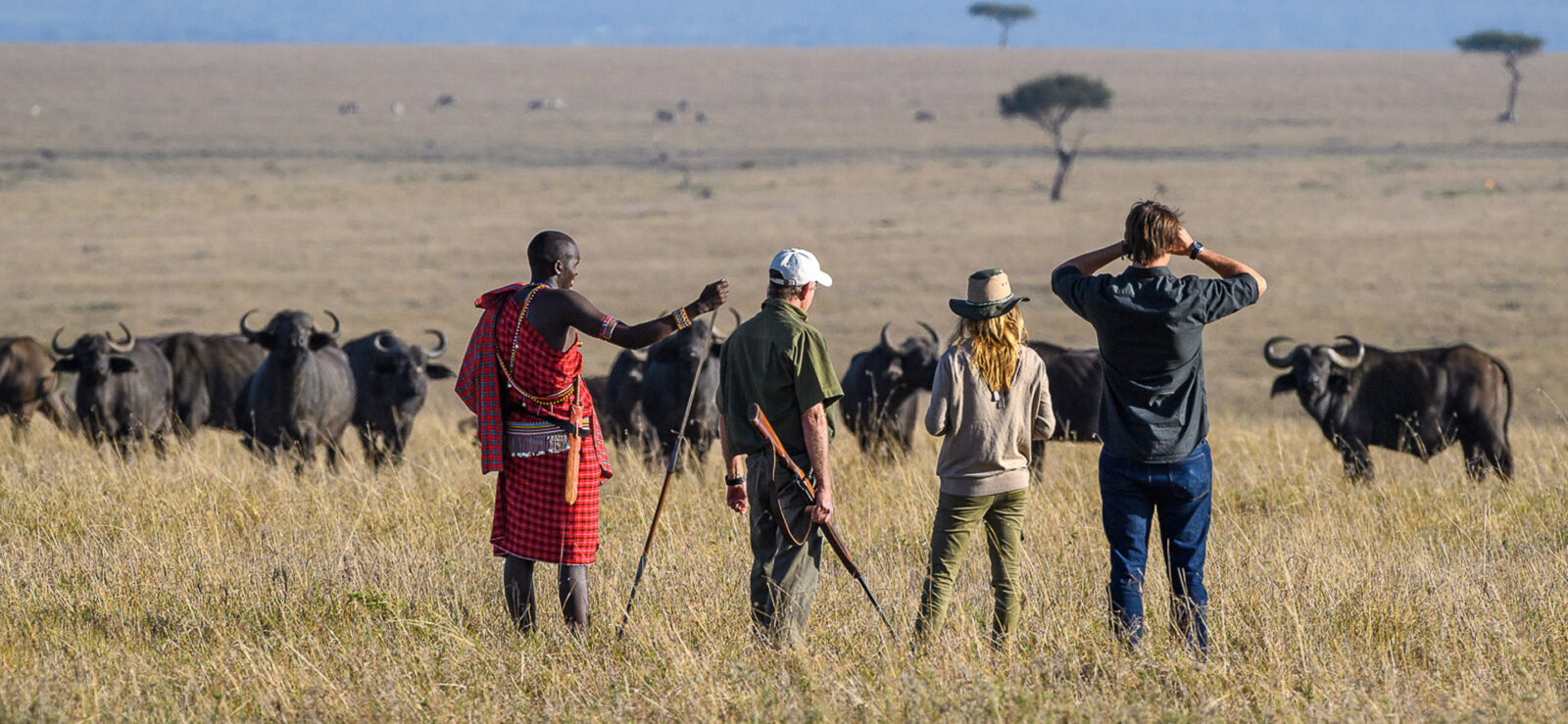
Walking safaris offer one of the most immersive wildlife experiences available in Kenya. Conducted primarily in private conservancies and controlled wildlife areas, these safaris are led by trained naturalist guides and often accompanied by rangers responsible for safety.
Participants explore the savannah quietly on foot while learning about tracking, wildlife behavior, and ecological relationships. Encounters with wildlife usually involve plains game such as giraffe, zebra, and antelope observed from safe distances. Because there is no vehicle noise, the experience feels more intimate and connected to the environment.
Walking safaris shift attention away from simply spotting animals and toward understanding the living system that supports them.
Hell’s Gate National Park
Hell's Gate National Park is one of the most unique walking destinations in Kenya because visitors are allowed to hike freely in many areas of the park. The landscape is defined by towering cliffs, geothermal activity, deep gorges, and dramatic volcanic formations.
Walking through the park offers views of wildlife such as zebras, gazelles, and buffalo grazing across open plains while hikers explore narrow canyons and rocky trails. The combination of wildlife presence and geological scenery makes Hell’s Gate a popular destination for both hiking and cycling.
Its accessibility from Nairobi also makes it one of the most visited walking locations in Kenya.
Mount Kenya
Mount Kenya provides one of East Africa’s most spectacular trekking environments. As the continent’s second-highest mountain, it offers multi-day hikes through diverse ecological zones that change dramatically with altitude.
Trekkers begin in dense montane forest filled with wildlife and birdlife before ascending through bamboo zones and alpine moorlands where giant lobelias and senecios dominate the landscape. Higher elevations reveal dramatic valleys, glaciers, and rocky peaks.
Mount Kenya trekking combines adventure, scenery, and ecological diversity, making it one of Kenya’s most rewarding walking experiences.
Maasai Mara Conservancies
The private conservancies surrounding the Maasai Mara provide excellent opportunities for guided bush walks. Unlike the main reserve where walking is restricted, conservancies allow controlled walking activities led by professional guides.
These walks introduce visitors to the savannah ecosystem at ground level. Guides explain how predators track prey, how herbivores move across the landscape, and how plants support wildlife survival. The open plains, scattered acacia trees, and rolling hills create a classic East African walking safari environment.
Because conservancies limit tourism numbers, walking experiences here remain quiet and uncrowded.
Laikipia Conservancies
The Laikipia region in northern Kenya is another important destination for walking safaris. This landscape of rolling grasslands, rocky hills, and acacia woodland supports diverse wildlife and strong conservation programs managed in partnership with local communities.
Guided walks in Laikipia allow visitors to explore wildlife habitats while learning about conservation initiatives that protect endangered species and support sustainable land management. The region’s low tourism density and wide open spaces create an authentic wilderness atmosphere.
Laikipia is particularly valued for combining wildlife conservation with community-based tourism.
Lake Naivasha Nature Walks
Lake Naivasha offers peaceful walking experiences through lakeside woodlands and open grasslands. Guided walks often take place on nearby islands or private sanctuaries where wildlife roams freely without large predators.
Visitors frequently encounter giraffes, zebras, and antelope grazing near the lake while numerous bird species inhabit the surrounding wetlands. The calm environment makes Lake Naivasha one of the most relaxing locations for nature walks in Kenya.
These walks are particularly popular with travelers combining safari activities with scenic exploration in the Rift Valley.
Coastal Nature Walks
Kenya’s Indian Ocean coastline also provides opportunities for scenic walking activities. Areas near Mombasa and Watamu feature mangrove forests, coral rag landscapes, and sandy beaches that can be explored on foot.
Guided coastal walks introduce visitors to marine ecosystems, traditional fishing villages, and Swahili cultural heritage. Walking along the shoreline reveals tidal pools, birdlife, and historic settlements shaped by centuries of maritime trade.
These coastal walks offer a relaxing contrast to inland safari landscapes.
Walking Safaris and Conservation
Walking activities in Kenya play an important role in strengthening conservation awareness. Experiencing landscapes on foot encourages travelers to appreciate the complexity of ecosystems and the delicate balance between wildlife, vegetation, and climate.
Many of the conservancies offering walking safaris operate under community-based conservation programs. Tourism revenue contributes to wildlife protection, habitat restoration, and local community development. By participating in guided walking experiences, visitors support sustainable tourism models that benefit both nature and people.
This connection between tourism and conservation ensures that walking safaris contribute to the long-term protection of Kenya’s natural heritage.
Overall Walking Experience
Walking activities in Kenya reveal the country’s landscapes in a more intimate and detailed way than traditional vehicle safaris alone. Whether trekking across alpine slopes, hiking through volcanic valleys, exploring savannah habitats, or strolling along tropical coastlines, walking allows travelers to engage with the environment at a slower and more meaningful pace.
In Africa’s national parks, every sunrise paints a masterpiece — where the wild’s call echoes across endless horizons. Visiting these parks is to witness nature in its purest form, a timeless dance that stirs the soul.
Steps to Book Your Southern Africa Tour
Choose Your Adventure
Confirm Your Booking
Begin Your Journey
Ready to plan your tailor-made safari?