
Great Migration Safaris
February 10, 2026
Sustainable Safaris
February 10, 2026

Photographic Safaris
Photographic safaris are specialized wildlife journeys designed around light, positioning, and animal behavior rather than simply ticking off species sightings. Unlike standard game drives, these safaris prioritize optimal angles, extended viewing time, and expert guidance to help photographers capture powerful images of Africa’s wildlife.
From the open plains of Kenya and Tanzania to the floodplains of Botswana and the bushveld of South Africa, photographic safaris are structured to maximize creative opportunity in some of the world’s most visually compelling ecosystems.
Why Book This Destination
Explore More about Photographic Safaris
What Makes a Safari “Photographic”
A photographic safari differs in pace and purpose. Vehicles are often modified with camera mounts, beanbags, and open-sided seating for unobstructed shooting. Guides understand positioning relative to sun direction, wind, and animal movement, ensuring that vehicles stop at angles that produce clean backgrounds and balanced light.
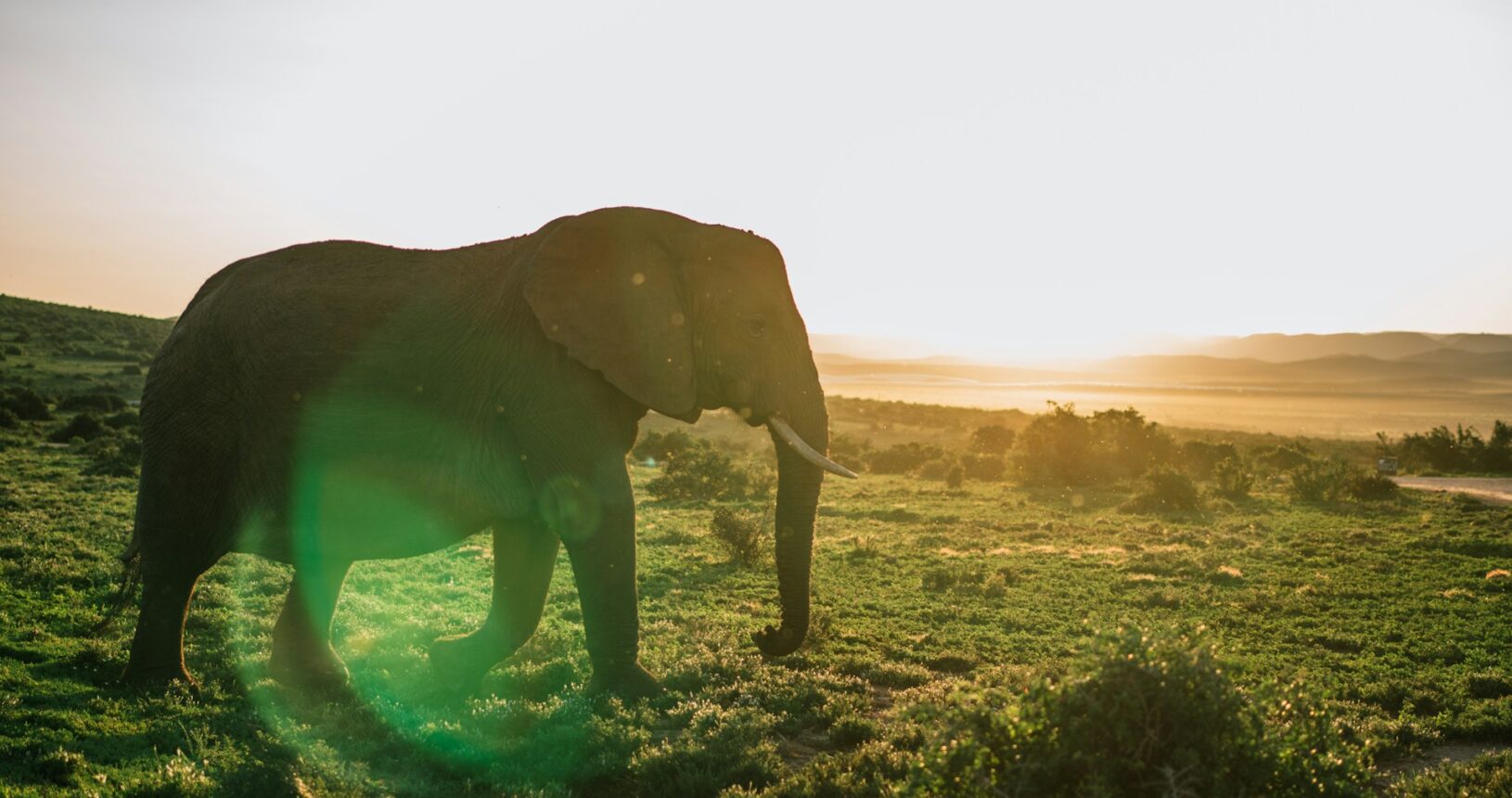
Time at sightings is rarely rushed. Photographers may wait patiently for behavior — a lion lifting its head at golden hour, a leopard descending from a tree, or elephants crossing a river at sunset. The emphasis is on storytelling through imagery rather than rapid species accumulation.
These safaris are designed around light quality, particularly early morning and late afternoon.
Top Destinations for Photographic Safaris
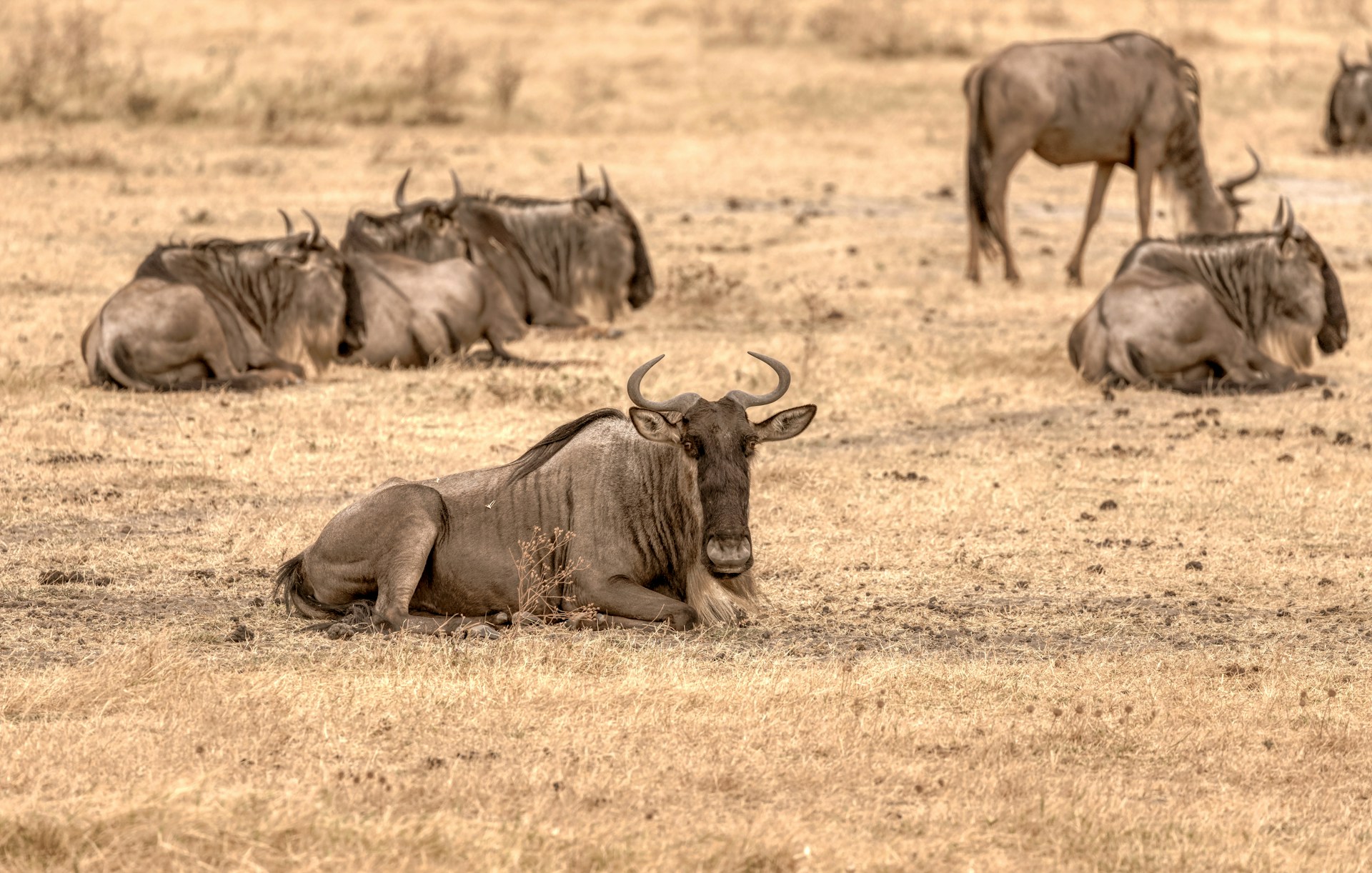
The Maasai Mara and Serengeti National Park are exceptional for open savannah photography. Wide landscapes, predator density, and seasonal migration scenes create dramatic compositions with strong foreground and background separation.
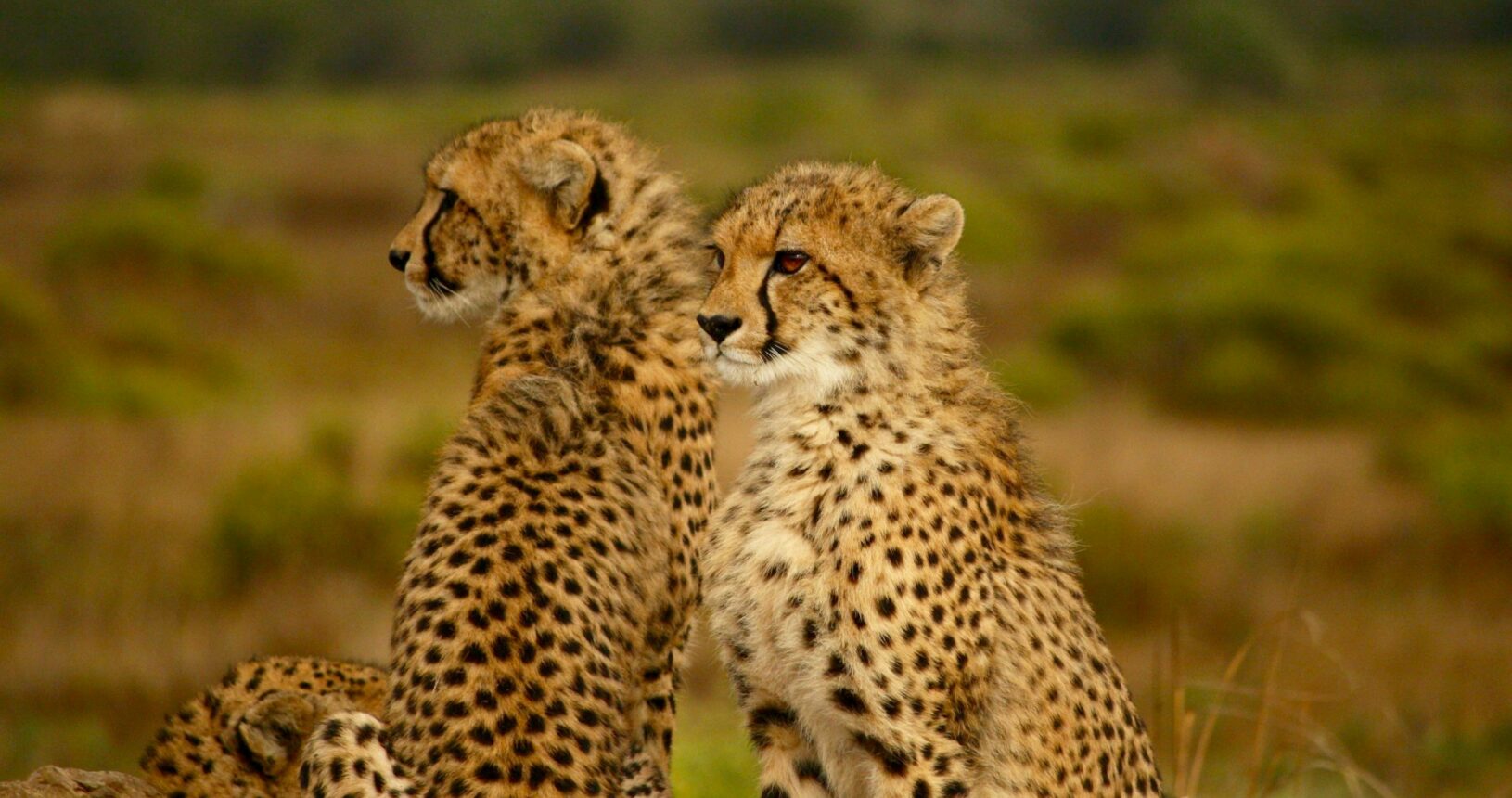
In Okavango Delta, reflective water surfaces, floodplains, and elephant herds offer unique photographic contrasts. Private reserves such as Sabi Sands Game Reserve are known for close leopard encounters and controlled vehicle positioning, which greatly enhances image quality.
Each destination offers a distinct photographic style shaped by terrain and wildlife behavior.
The Role of the Guide and Photography Host
On dedicated photographic safaris, guides are trained not only in wildlife tracking but also in visual composition. They understand how to approach animals without disturbance while considering background, light direction, and subject placement.
Some safaris are led by professional wildlife photographers who provide technical instruction on camera settings, exposure, shutter speed, and composition. This mentorship can be invaluable for both intermediate and advanced photographers.
The combination of tracking expertise and photographic knowledge defines the quality of the experience.
Equipment Considerations
Photographic safaris typically require telephoto lenses for wildlife portraits, along with wide-angle lenses for landscape scenes. Fast shutter speeds are essential for capturing action such as river crossings or predator chases. Extra batteries and memory cards are critical, as long days in the field can generate significant image volume.
While professional equipment enhances results, thoughtful positioning and patience often matter more than gear alone.
The environment itself provides the raw material for compelling images.
Seasonal and Lighting Factors
The dry season often provides clearer visibility and predictable wildlife concentration around water sources. However, the green season can offer dramatic skies, lush backgrounds, and softer light conditions that enhance image depth.
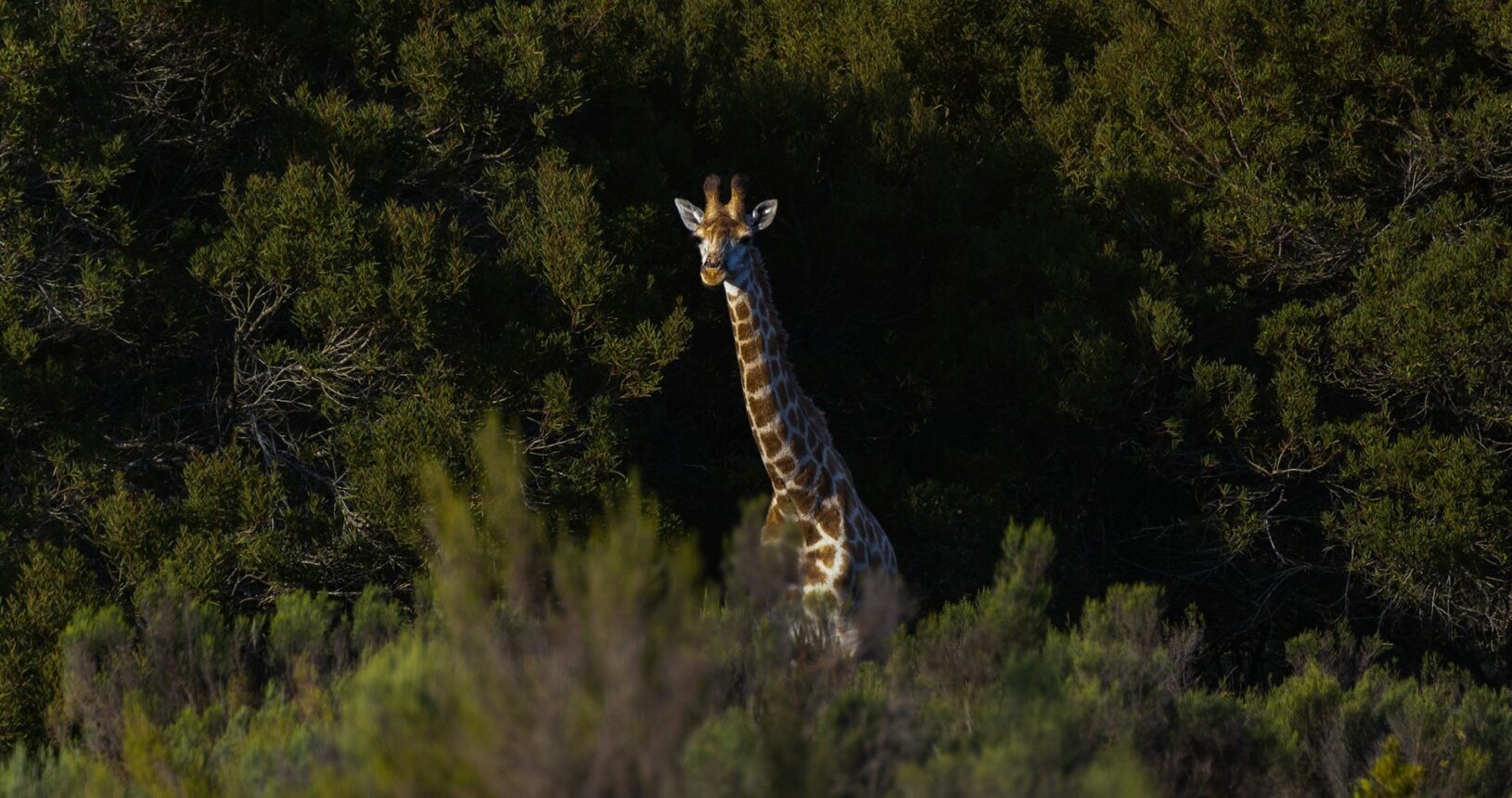
Golden hour remains the most important window for photography. Early morning light creates warm tones and long shadows, while late afternoon produces atmospheric contrast.
Understanding seasonal and daily light cycles is fundamental to successful wildlife photography.
Ethical Photography in the Wild
Photographic safaris must balance image ambition with animal welfare. Responsible operators maintain safe distances, avoid blocking wildlife movement, and minimize stress on animals. Ethical practice ensures that photography does not interfere with natural behavior.
The best images are those captured without altering the authenticity of the scene.
Overall Photographic Safari Experience
Photographic safaris elevate the traditional wildlife journey into a creative expedition. They encourage patience, awareness, and storytelling through visual composition. Whether capturing a lion’s gaze at sunrise or the silhouette of elephants against a glowing horizon, the goal is not simply documentation but artistic interpretation.
For travelers passionate about wildlife photography, a dedicated photographic safari transforms Africa’s wilderness into a living canvas shaped by light, motion, and instinct.
In Africa’s national parks, every sunrise paints a masterpiece — where the wild’s call echoes across endless horizons. Visiting these parks is to witness nature in its purest form, a timeless dance that stirs the soul.
Steps to Book Your Southern Africa Tour
Choose Your Adventure
Confirm Your Booking
Begin Your Journey
Ready to plan your tailor-made safari?