
Big Five Safaris
February 10, 2026
Horseback Riding Safaris
February 10, 2026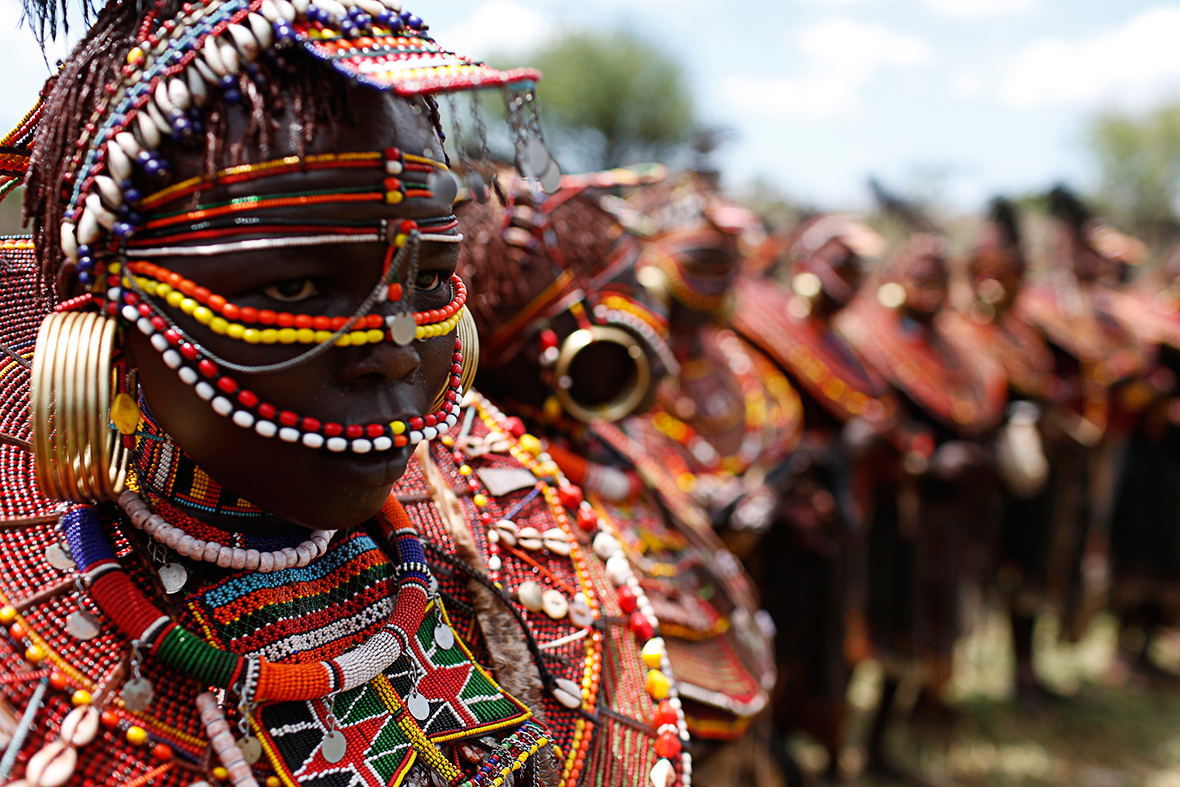
Cultural Safaris in Kenya
Kenya is culturally diverse, home to more than 40 ethnic communities with distinct languages, traditions, and belief systems. Cultural safaris in Kenya move beyond wildlife viewing to explore community life, traditional governance systems, music, dress, and daily practices shaped by geography and history.
When structured responsibly, cultural safaris provide authentic engagement rather than staged observation. They allow visitors to understand how heritage continues to influence modern Kenyan society, particularly in rural regions where customs remain deeply rooted.
Why Book This Destination
Explore More about Cultural Safaris in Kenya
Maasai Cultural Experiences
Cultural safaris near the Maasai Mara often involve guided visits to Maasai communities. These experiences introduce travelers to pastoral traditions centered on cattle herding, age-set systems, and community leadership structures. Traditional beadwork, attire, and ceremonial dances reflect identity and social hierarchy.
Visitors may learn about the role of warriors, the significance of livestock in economic and social life, and how Maasai communities adapt to conservation partnerships within wildlife conservancies. Respectful visits emphasize dialogue and understanding rather than spectacle.
Maasai cultural encounters remain among Kenya’s most recognized heritage experiences.
Samburu and Northern Traditions
In northern Kenya, particularly around Samburu National Reserve, cultural safaris introduce travelers to semi-arid pastoral communities. Samburu traditions share similarities with the Maasai but retain distinct language and ceremonial practices.
These visits often highlight adaptation to dry landscapes, livestock management, and social organization. Traditional adornment, music, and storytelling sessions provide insight into identity shaped by environment and resilience.
Northern cultural safaris feel more remote and less commercialized compared to busier southern circuits.
Swahili Coastal Heritage
Along Kenya’s Indian Ocean coastline, particularly in Mombasa and Lamu, cultural safaris reflect centuries of maritime trade and Islamic influence. Swahili culture blends African, Arab, and Persian elements visible in architecture, cuisine, and language.
Walking tours through Old Town areas reveal carved wooden doors, coral stone buildings, and narrow alleys shaped by history. Cultural experiences may include traditional music, dhow sailing, and exploration of spice-influenced coastal cuisine.
Coastal cultural safaris provide a different dimension from inland pastoral traditions.
Western Kenya and Luo Traditions
In western Kenya, communities such as the Luo maintain strong fishing heritage linked to Lake Victoria. Cultural safaris in this region may explore music traditions, clan systems, and local ceremonies tied to ancestral belief structures.
Storytelling, dance, and traditional homestead visits help visitors understand the region’s social dynamics and historical migration patterns.
These experiences offer contrast to the pastoral cultures of Kenya’s south and north.
Cultural Villages and Community Projects
Several community-run cultural centers across Kenya provide structured programs that combine heritage preservation with economic empowerment. These initiatives ensure that tourism revenue supports education, healthcare, and local infrastructure.
Responsible operators prioritize consent, community leadership involvement, and fair revenue distribution. Cultural safaris structured around community ownership foster sustainable tourism models that benefit residents directly.
Such projects strengthen the link between cultural preservation and economic resilience.
Combining Cultural and Wildlife Safaris
Kenya’s strength lies in the ability to integrate cultural experiences with classic wildlife itineraries. A traveler may begin with game drives in the Maasai Mara, then spend time engaging with Maasai communities, followed by a coastal cultural extension in Mombasa or Lamu.
This combination allows visitors to appreciate both Kenya’s natural ecosystems and the human narratives connected to them. Cultural safaris deepen the safari journey by adding social and historical context to the landscapes explored.
Overall Cultural Safari Experience
Cultural safaris in Kenya reveal the country’s diversity beyond wildlife. From pastoral Maasai plains to Swahili coastal heritage and northern desert traditions, each region presents a distinct cultural identity.
For travelers seeking a broader understanding of Kenya, cultural safaris provide meaningful engagement with communities, traditions, and evolving heritage. They transform a safari itinerary from a wildlife-focused trip into a multidimensional exploration of people, place, and identity.
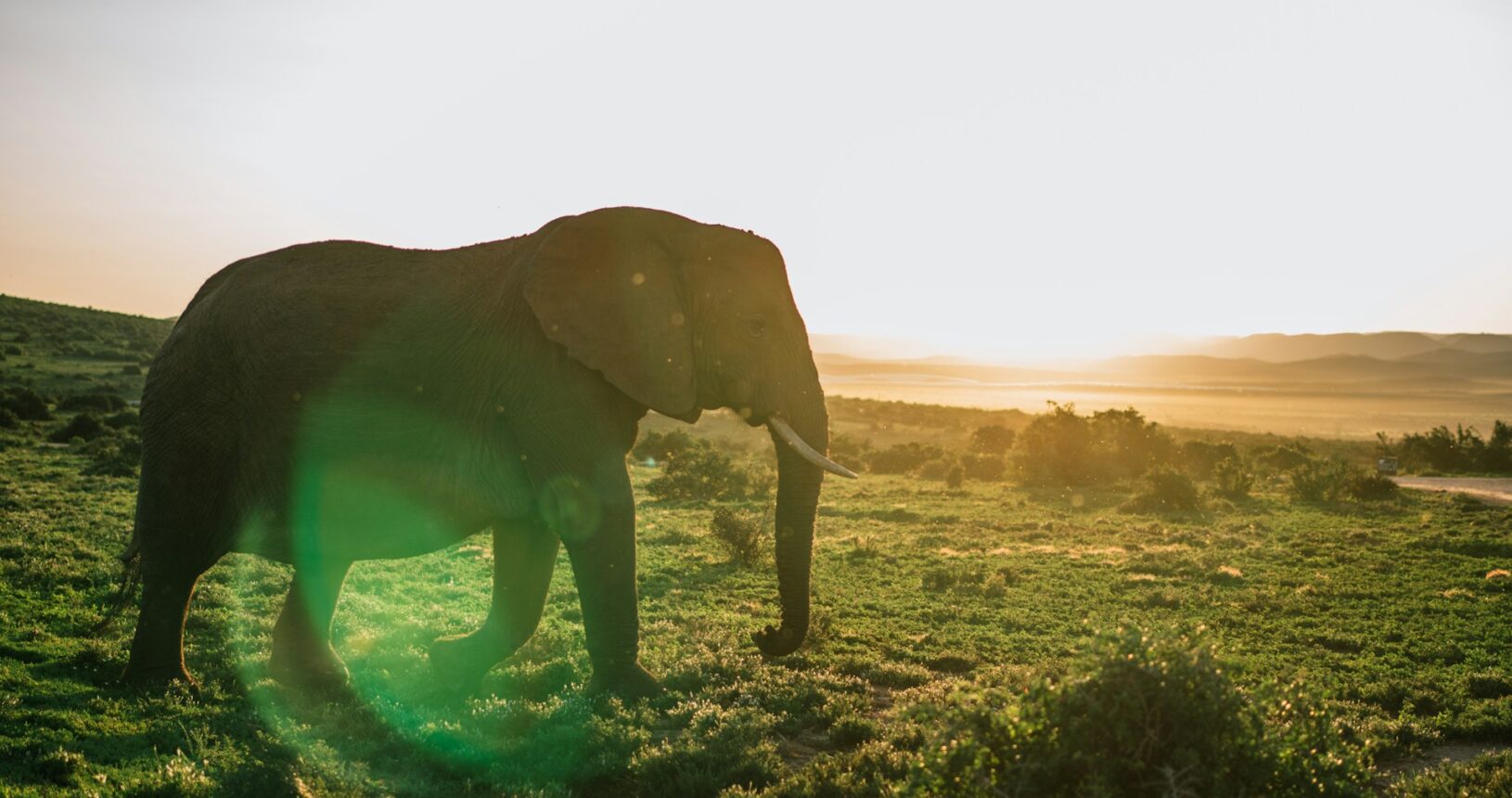
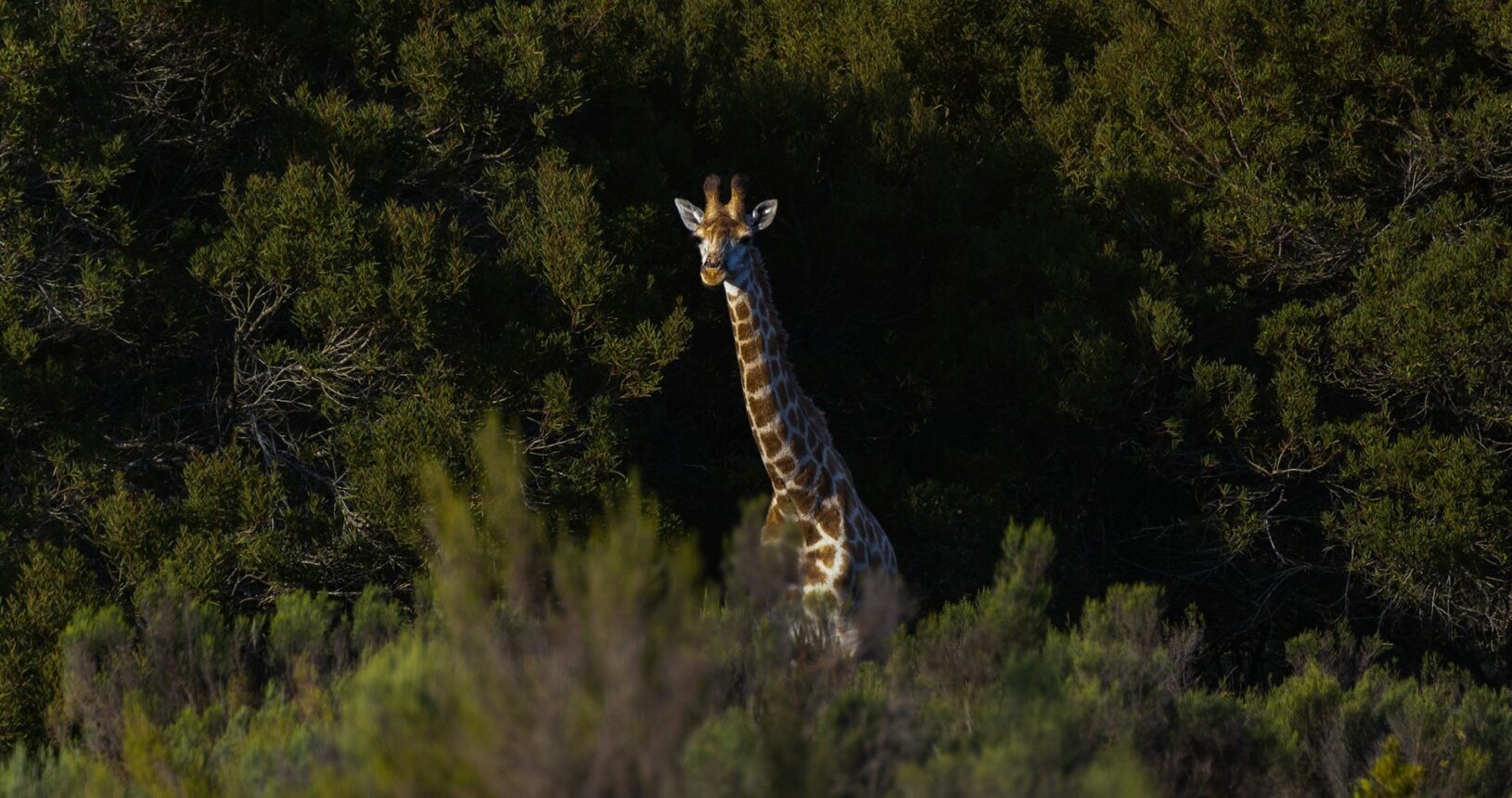
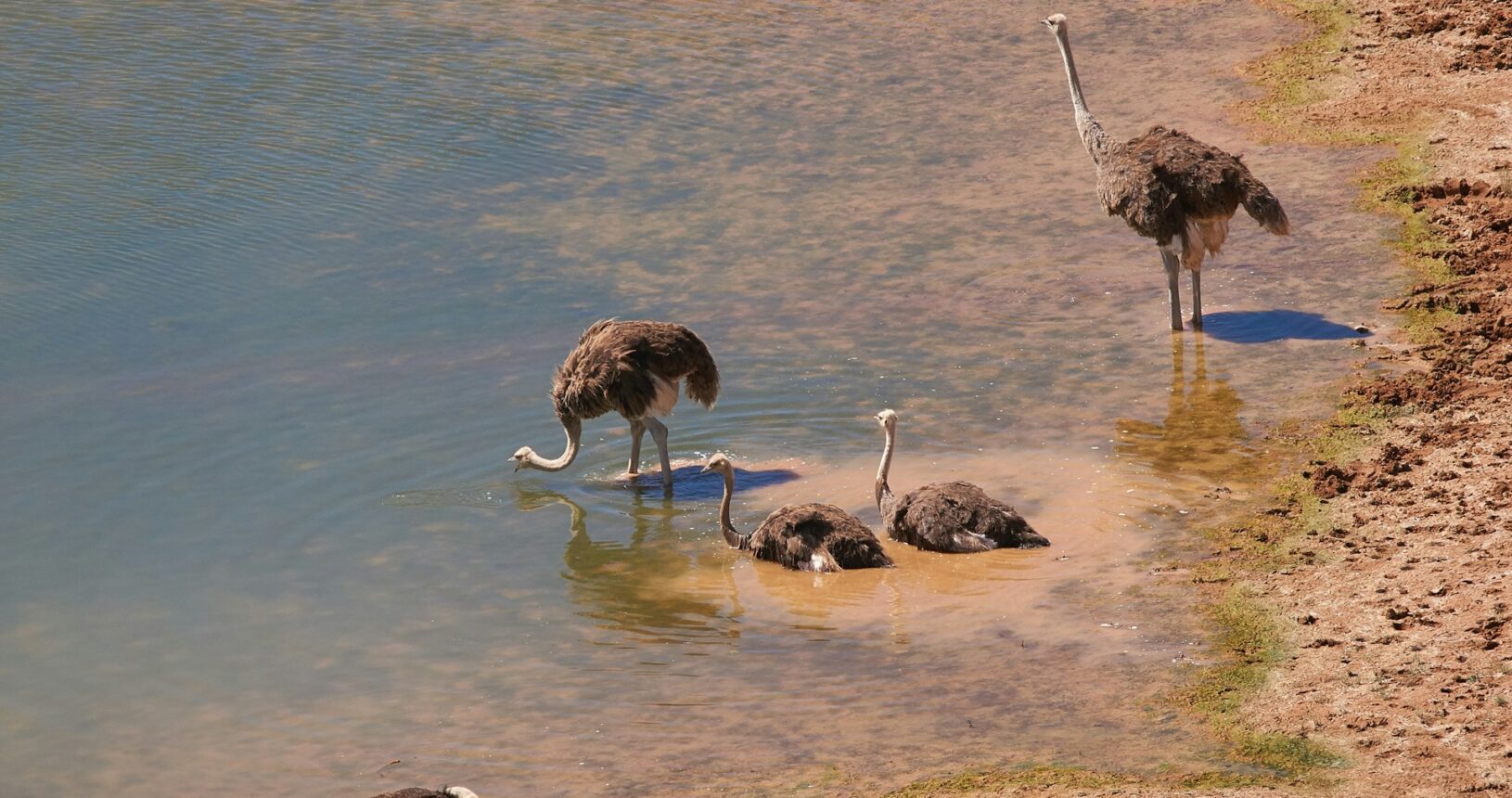
In Africa’s national parks, every sunrise paints a masterpiece — where the wild’s call echoes across endless horizons. Visiting these parks is to witness nature in its purest form, a timeless dance that stirs the soul.
Steps to Book Your Southern Africa Tour
Choose Your Adventure
Confirm Your Booking
Begin Your Journey
Ready to plan your tailor-made safari?