Khwai Botswana
February 1, 2026
Mababe
February 1, 2026
Kubu Island, Botswana
Kubu Island is one of the most surreal and visually striking destinations in Botswana. Rising from the vast white expanse of the Makgadikgadi Pans, Kubu Island is not a true island but a granite outcrop dotted with ancient baobab trees. It stands in dramatic contrast to the surrounding salt flats, creating a landscape that feels almost lunar in scale and silence.
The site is culturally significant, geologically unique, and visually unforgettable. Unlike traditional safari destinations focused on wildlife density, Kubu Island is about atmosphere, isolation, and raw natural beauty.
Why Book This Destination
Explore More about Kubu Island
Landscape and Geological Formation
Kubu Island sits within what was once part of an enormous prehistoric lake system. As the waters receded thousands of years ago, they left behind vast salt pans that stretch toward the horizon. The granite rocks that form Kubu Island rise gently above the flat surface, providing elevated viewpoints across the shimmering white plains.
The baobab trees scattered across the outcrop are centuries old, their thick trunks and twisted branches giving the island a timeless presence. During sunrise and sunset, the contrast between red granite, pale salt crust, and deep blue sky becomes particularly dramatic.
The terrain is stark, open, and minimal, emphasizing scale rather than vegetation density.
Cultural and Spiritual Significance
Kubu Island holds cultural importance for local communities and is considered a sacred site. Archaeological findings indicate that the area has been visited for centuries, with stone structures and artifacts pointing to historical human presence. The isolation and stillness of the island contribute to its spiritual aura.
Visitors are encouraged to treat the site with respect, avoiding disturbance to archaeological features or baobab trees. The island’s protected status reflects both its ecological fragility and cultural relevance.
The sense of silence and space creates an atmosphere that feels reflective and almost ceremonial.
Wildlife and Natural Environment
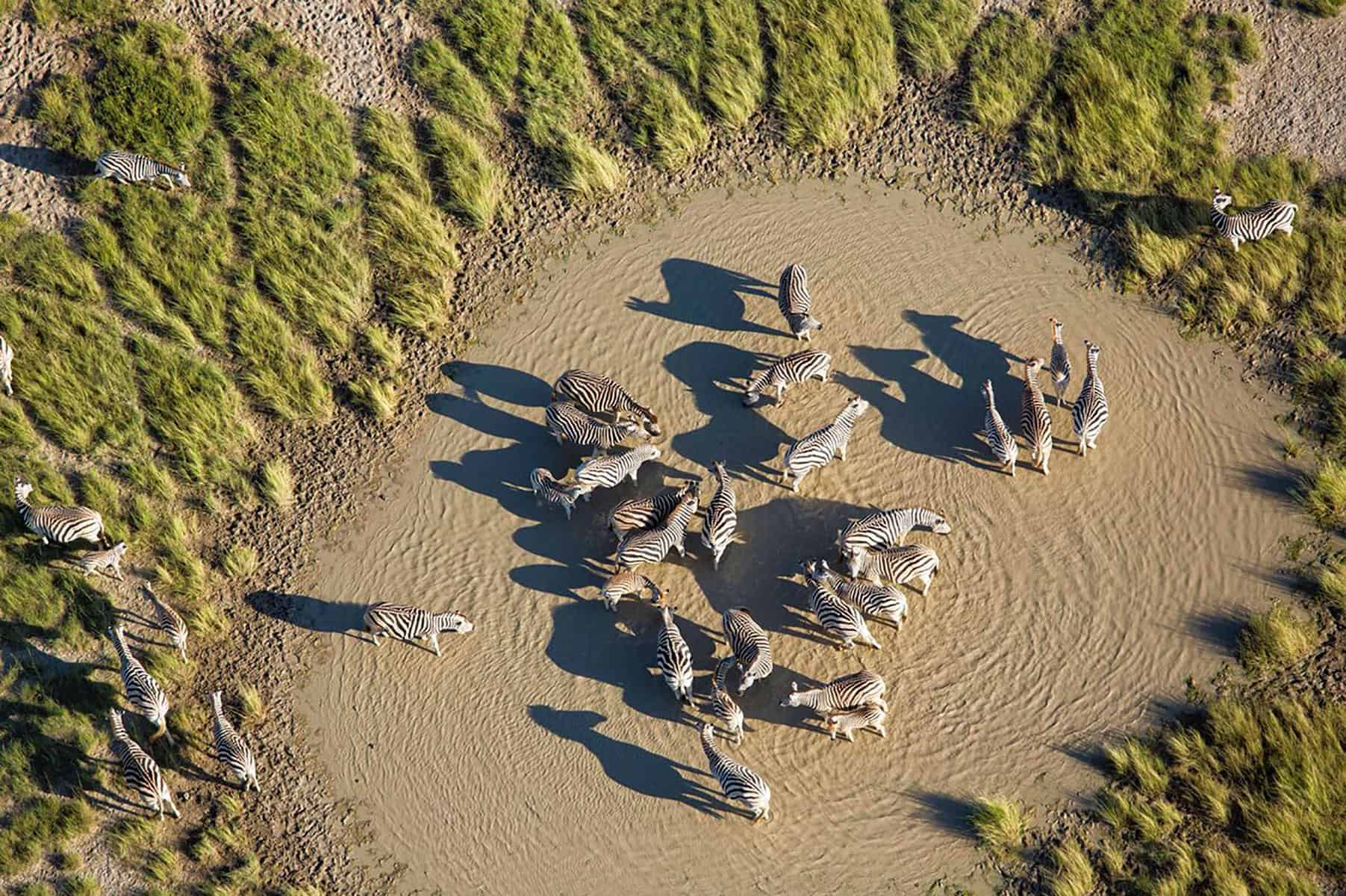
Wildlife density around Kubu Island is lower than in northern Botswana’s river ecosystems, but desert-adapted species move through the region depending on seasonal conditions. During the green season, rainfall transforms parts of the Makgadikgadi into shallow grasslands that attract zebra and antelope.
Birdlife can become surprisingly active after rains, with flamingos and migratory species appearing in seasonal pools nearby. However, Kubu Island is not primarily visited for concentrated game viewing. Its appeal lies in landscape photography, solitude, and geological wonder rather than high wildlife density.
The openness of the environment emphasizes horizon and sky over animal movement.
Access and Travel Experience
Reaching Kubu Island requires careful planning. Access is typically by 4x4 vehicle, and road conditions can vary significantly depending on the season and recent rainfall. During the dry season, the salt pans are firm and accessible, though navigation requires experience and preparation.
In the wet season, sections of the pans may become muddy or waterlogged, making access more challenging. Travelers must carry sufficient supplies, fuel, and navigation equipment, as the area is remote with minimal infrastructure.
The journey itself reinforces the sense of remoteness that defines the experience.
Camping and Overnight Stays
Kubu Island is known for its simple camping facilities rather than lodge-based accommodation. Designated campsites allow visitors to spend the night beneath the baobab trees, surrounded by open sky and complete silence. Facilities are basic, emphasizing self-sufficiency and environmental responsibility.
At night, the lack of artificial light reveals extraordinary stargazing conditions. The Milky Way stretches clearly across the sky, and the surrounding salt flats reflect moonlight in a way that amplifies the island’s surreal atmosphere.
Camping at Kubu Island is about immersion rather than comfort.
Best Time to Visit
The dry season from May to October offers the most reliable access conditions. The salt crust is firm, temperatures are moderate, and sunset photography is particularly striking during clear winter evenings.
The green season from November to March transforms the surrounding pans with rainfall, creating reflective surfaces and occasional birdlife concentrations. However, access may be more difficult due to muddy terrain.
Timing your visit depends on whether the priority is ease of travel or dramatic seasonal transformation.
Overall Experience
Kubu Island delivers a profoundly different experience from Botswana’s classic wildlife safaris. It is a destination defined by silence, scale, and geological presence rather than predator encounters. The contrast between ancient baobabs and endless salt flats creates a setting that feels timeless and contemplative.
For travelers seeking isolation, dramatic landscape photography, and a deeper connection to Botswana’s natural history, Kubu Island stands as one of the country’s most unique and atmospheric destinations.
In Africa’s national parks, every sunrise paints a masterpiece — where the wild’s call echoes across endless horizons. Visiting these parks is to witness nature in its purest form, a timeless dance that stirs the soul.
Steps to Book Your Southern Africa Tour
Choose Your Adventure
Confirm Your Booking
Begin Your Journey
Ready to plan your tailor-made safari?