Chief’s Island
February 1, 2026
Khwai Botswana
February 1, 2026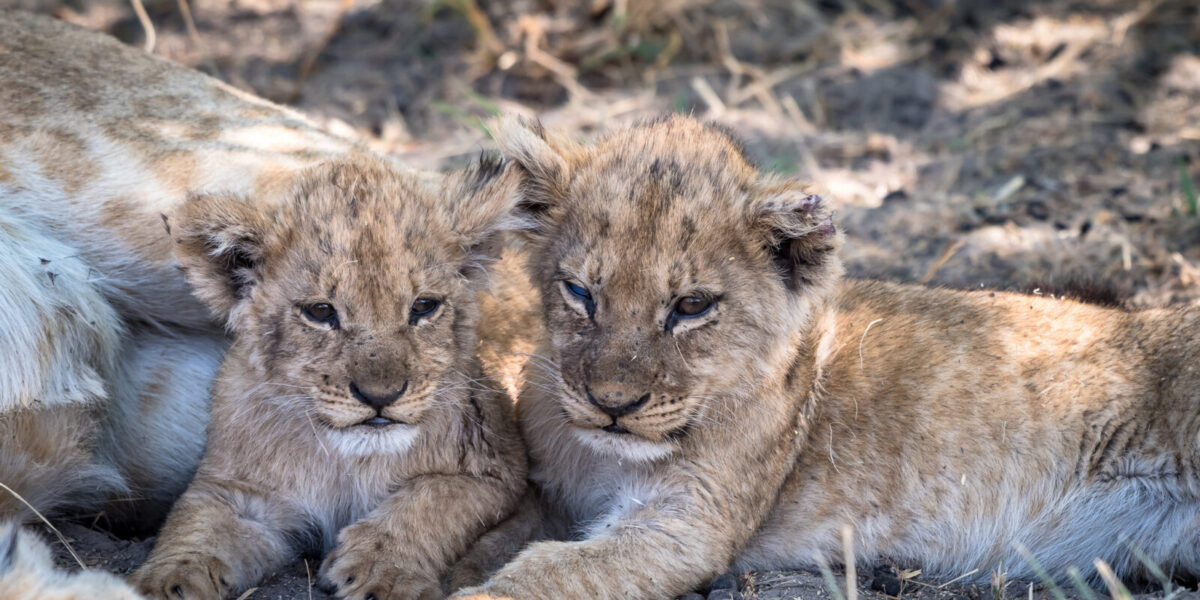
Chobe National Park and Savute Marsh
Chobe National Park is one of Africa’s most wildlife-rich protected areas, covering a vast expanse of northern Botswana. Within its boundaries lies the dramatic and ecologically distinct Savute Marsh, a region famous for predator activity, elephant concentrations, and unpredictable water systems.
While Chobe as a whole is renowned for its riverfront elephant herds, Savute Marsh represents a more rugged, land-focused safari environment characterized by open plains, seasonal wetlands, and intense predator-prey interaction. Together, they form one of Botswana’s most compelling safari circuits.
Why Book This Destination
Explore More about Chobe National Park and Savute Marsh
Overview of Chobe National Park
Chobe National Park is divided into several ecological zones, including the Chobe Riverfront, Savute, Linyanti, and Nogatsaa regions. Each zone offers a distinct safari character. The riverfront area near Kasane is particularly famous for hosting one of Africa’s largest elephant populations, especially during the dry season when herds gather along the Chobe River.
Boat safaris along the river provide close-range viewing of elephants swimming, hippos surfacing, and crocodiles basking on sandbanks. The accessibility of this area makes it one of Botswana’s most popular wildlife destinations, yet its scale ensures that wildlife density remains impressive.
Chobe’s river ecosystem contrasts sharply with the interior landscapes of Savute.
The Unique Landscape of Savute Marsh
Savute Marsh lies in the southwestern section of Chobe National Park and is shaped by the Savute Channel, a waterway known for its irregular flow patterns. The channel has historically alternated between flowing strongly and remaining dry for years at a time. These shifts dramatically influence wildlife movement and distribution.
The marsh itself is a broad, open plain that fills seasonally and attracts large numbers of herbivores when water is present. Even during drier cycles, the region’s waterholes sustain elephant herds and predator populations.
Savute’s open terrain enhances visibility and gives the area a vast, untamed atmosphere distinct from riverfront Chobe.
Wildlife Highlights in Chobe and Savute
Chobe Riverfront is dominated by elephants and buffalo during the dry season, often forming large congregations along the water. Lions and leopards patrol woodland areas adjacent to the river, while birdlife flourishes year-round.
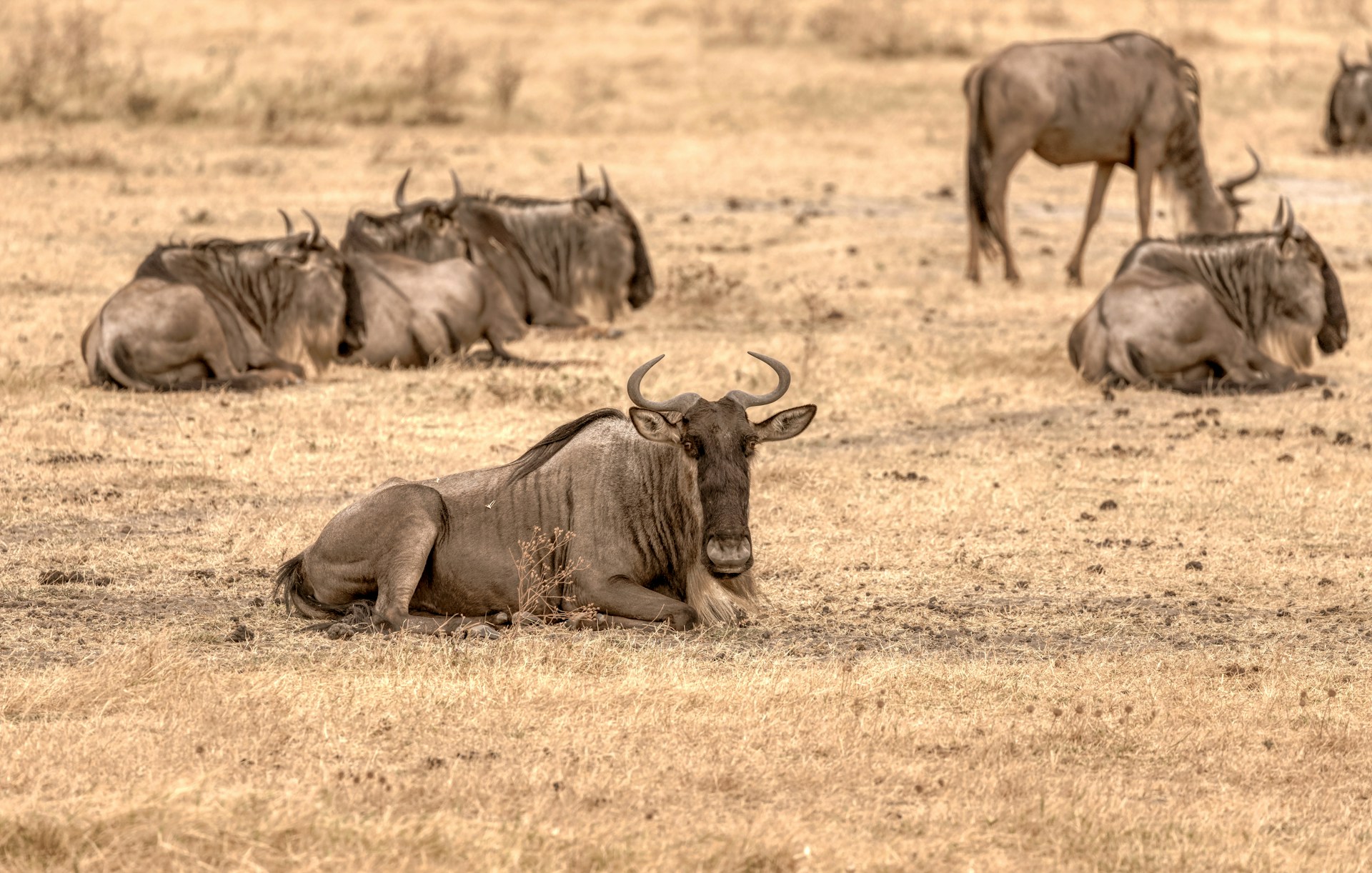
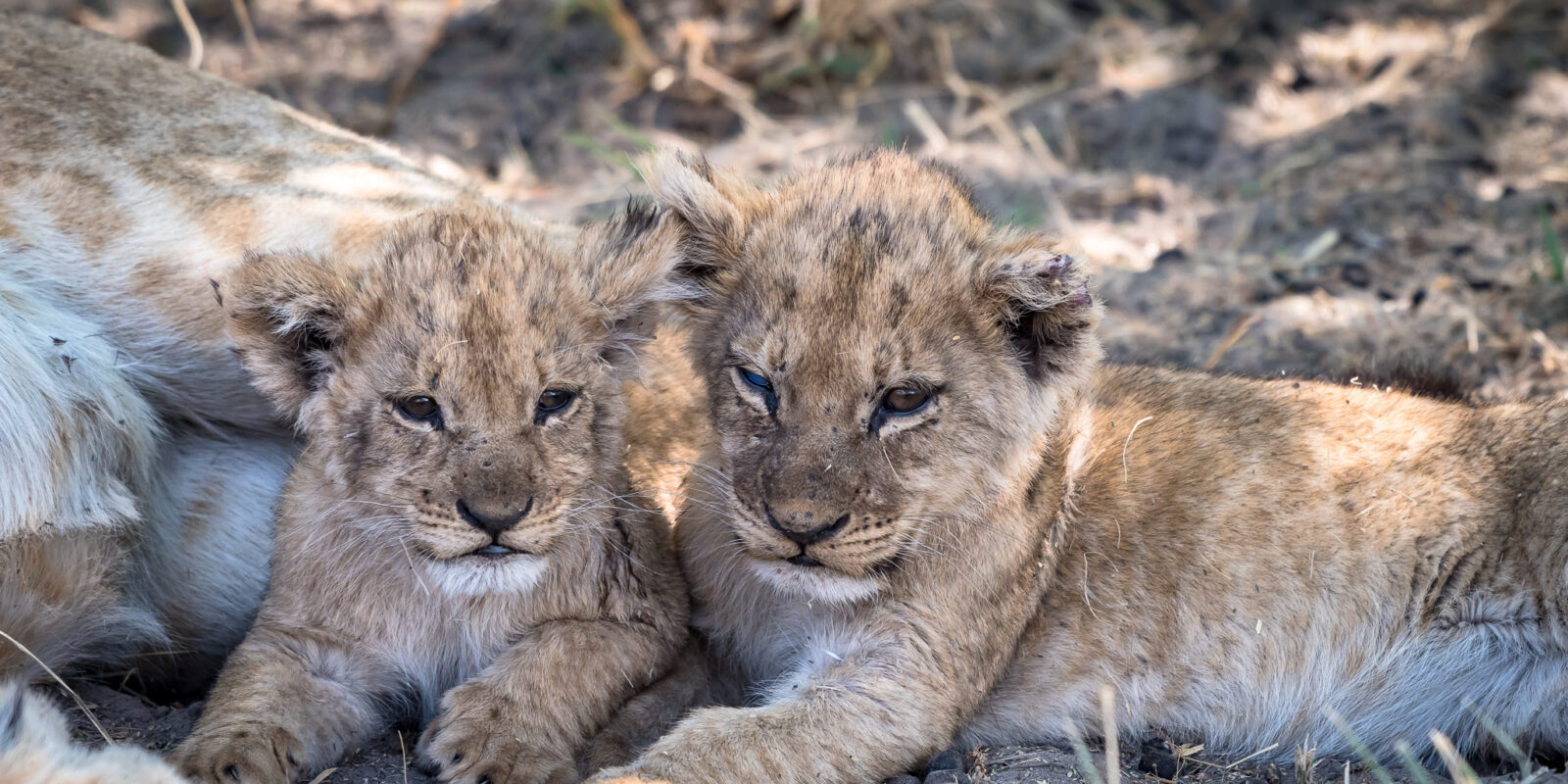
Savute Marsh, by contrast, is particularly known for its lion prides. The area has gained international attention for dramatic predator behavior, including lions hunting large prey such as buffalo. Spotted hyenas, cheetahs, and wild dogs also move through the Savute ecosystem depending on prey availability.
Together, Chobe and Savute offer complementary wildlife experiences within the same national park framework.
Best Time to Visit
The dry season from May to October is widely considered the best time for Chobe safaris. During this period, wildlife congregates along the Chobe River and around Savute waterholes, increasing viewing reliability.
In the green season from November to March, rainfall transforms Savute Marsh into lush grasslands, attracting migratory species and increasing birdlife diversity. While wildlife disperses more widely, the landscape becomes visually dramatic and less crowded.
Seasonal changes significantly influence safari strategy in both regions.
Safari Activities
Chobe Riverfront safaris often combine traditional game drives with boat cruises, offering both land and water perspectives. The ability to observe wildlife from the river is one of Chobe’s defining features.
In Savute, safari activities are primarily land-based, focusing on game drives across open plains and marsh areas. The terrain allows for extended tracking sessions and dramatic predator observation.
The contrast between water-based Chobe safaris and land-focused Savute drives enhances itinerary diversity.
Accommodation Options
Chobe Riverfront offers a mix of lodges and safari camps near Kasane, ranging from midrange properties to premium riverfront accommodations. Accessibility from Kasane International Airport makes the riverfront particularly convenient.
Savute accommodations tend to be smaller, more remote camps positioned strategically near the marsh or Savute Channel. These camps emphasize wilderness immersion and typically operate under Botswana’s low-density tourism model.
Combining both regions in a single itinerary allows travelers to experience varied safari settings within Chobe National Park.
Overall Safari Experience
Chobe National Park and Savute Marsh together represent one of Botswana’s most diverse safari environments. The riverfront delivers large elephant gatherings and scenic boat safaris, while Savute provides dramatic predator activity and expansive marsh landscapes.
For travelers seeking a well-rounded northern Botswana safari with contrasting ecosystems, combining Chobe Riverfront and Savute Marsh offers a powerful and comprehensive wildlife experience.
In Africa’s national parks, every sunrise paints a masterpiece — where the wild’s call echoes across endless horizons. Visiting these parks is to witness nature in its purest form, a timeless dance that stirs the soul.
Steps to Book Your Southern Africa Tour
Choose Your Adventure
Confirm Your Booking
Begin Your Journey
Ready to plan your tailor-made safari?