Languages in Botswana
February 1, 2026
Packing List for Botswana
February 1, 2026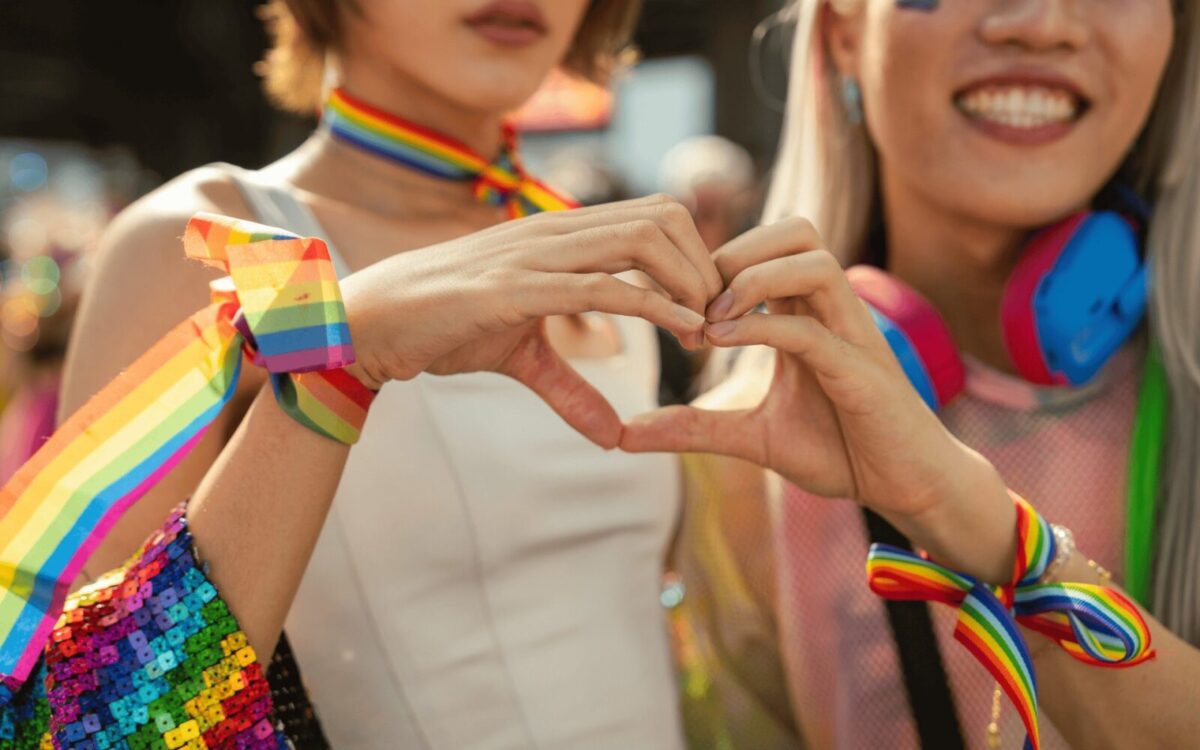
LGBTQ Travel in Botswana
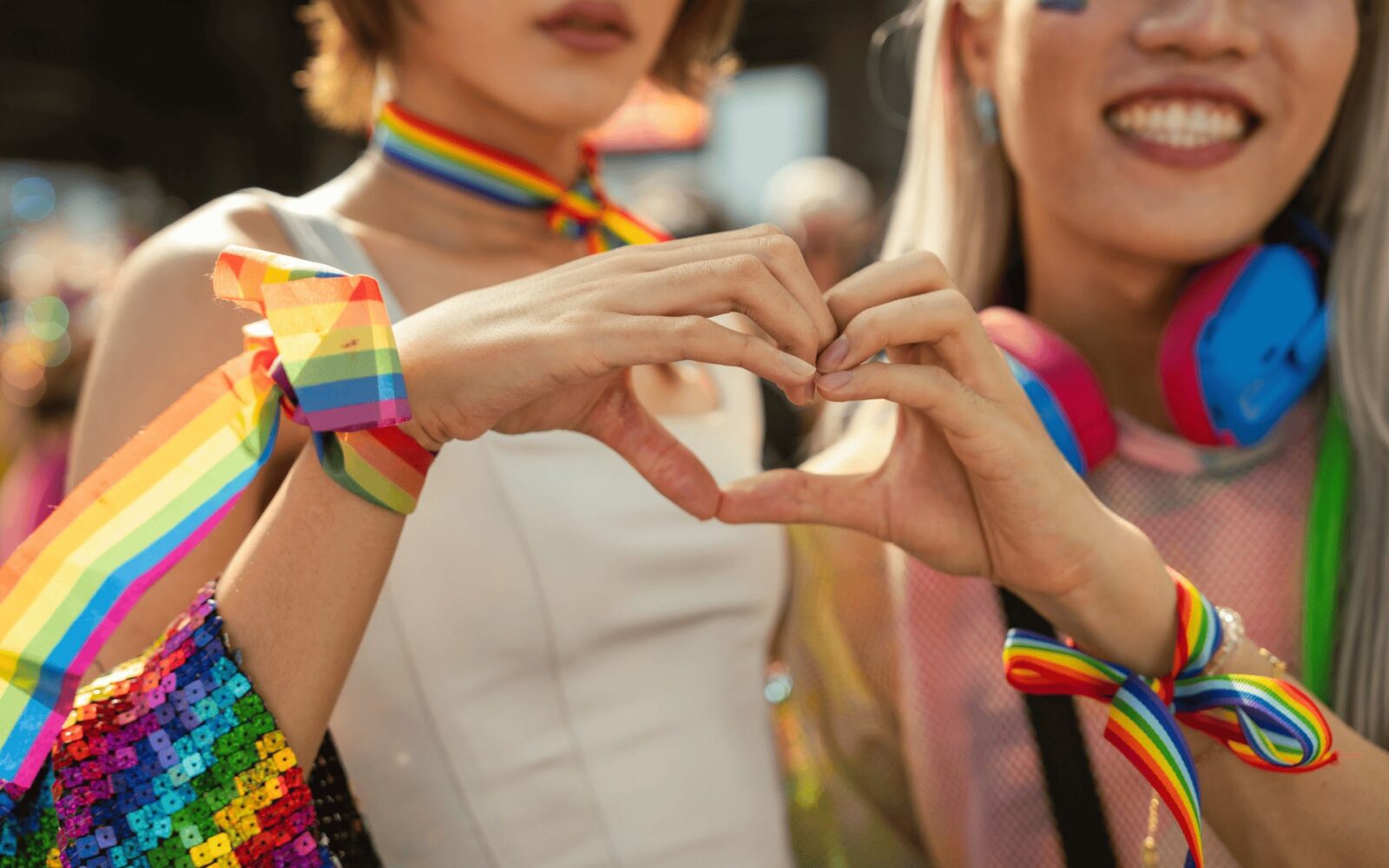
Botswana is considered one of the more progressive countries in Southern Africa regarding LGBTQ legal reform, yet it remains socially conservative in many communities. For travelers, this creates a destination that is legally safe and professionally accommodating within tourism spaces, while still requiring cultural awareness in public settings.
Botswana’s safari industry is internationally oriented, service-driven, and accustomed to hosting diverse global guests. Most high-end camps, lodges, and tour operators prioritize discretion, respect, and privacy. Understanding the legal landscape and social climate helps LGBTQ travelers navigate the country confidently and comfortably.
Why Book This Destination
Explore More about LGBTQ Travel in Botswana
Legal Status of LGBTQ Rights in Botswana
In 2019, Botswana’s High Court decriminalized same-sex relationships, marking a significant legal milestone in the region. This decision removed colonial-era laws that had previously criminalized same-sex intimacy and positioned Botswana as one of the more progressive nations in Southern Africa regarding LGBTQ legal recognition.
Same-sex relationships are legal, and discrimination protections have gradually strengthened through judicial rulings. However, Botswana does not currently recognize same-sex marriage. While the legal framework supports basic rights and personal freedom, broader societal attitudes continue evolving.
For travelers, the key takeaway is that same-sex relationships are not illegal in Botswana.
Social Climate and Public Perception
Botswana remains culturally conservative, particularly in rural areas. While overt hostility toward LGBTQ travelers is uncommon, public displays of affection—regardless of orientation—are generally discouraged in traditional communities.
In urban centers such as Gaborone and within international tourism spaces, attitudes are typically more relaxed. Hospitality staff are trained professionals who focus on service rather than personal identity. In safari camps, privacy is highly respected, and guests are rarely subject to intrusive attention.
Discretion in public spaces is advisable, but LGBTQ travelers are not specifically targeted in mainstream tourism areas.
LGBTQ Safety in Safari Destinations
Safari regions such as the Okavango Delta and Chobe National Park operate within structured tourism environments that prioritize guest comfort and international service standards. Luxury camps, fly-in lodges, and private concessions host guests from Europe, North America, and other regions where LGBTQ travel is common.
Staff in these environments are accustomed to diverse travelers, and professionalism is central to the guest experience. Privacy is naturally built into safari logistics, with private rooms, exclusive-use villas, and personalized guiding creating a discreet atmosphere.
For couples seeking honeymoon-style safaris or romantic wilderness experiences, Botswana’s high-end tourism model offers comfort and confidentiality.
Urban Travel Considerations
In cities such as Gaborone, LGBTQ travelers can expect a relatively calm environment. While open LGBTQ nightlife scenes are limited compared to Western cities, there is no systemic targeting of visitors. Public discretion remains advisable, especially in conservative neighborhoods, but walking through urban areas or staying in reputable hotels does not typically present safety concerns.
The social atmosphere is generally polite and reserved rather than confrontational. As in many destinations worldwide, situational awareness is more important than orientation-specific concerns.
Cultural Sensitivity and Respect
Respect for local customs is important for all visitors. Botswana places strong emphasis on politeness, greetings, and modest public behavior. Keeping public interactions understated aligns with broader cultural norms and reduces unnecessary attention.
Many LGBTQ travelers report that safari environments feel more relaxed than urban public spaces due to their international guest mix and private settings. Understanding the difference between legal safety and social conservatism helps travelers make informed decisions.
Overall Assessment for LGBTQ Travelers
Botswana is legally safe for LGBTQ travelers and professionally accommodating within the tourism sector. While it does not offer a vibrant public LGBTQ social scene, it provides a stable, discreet, and respectful environment for couples and individuals seeking safari experiences.
Its progressive legal framework, combined with a high-end, privacy-focused tourism industry, makes Botswana one of the more secure Southern African safari destinations for LGBTQ visitors who travel with cultural awareness and discretion.
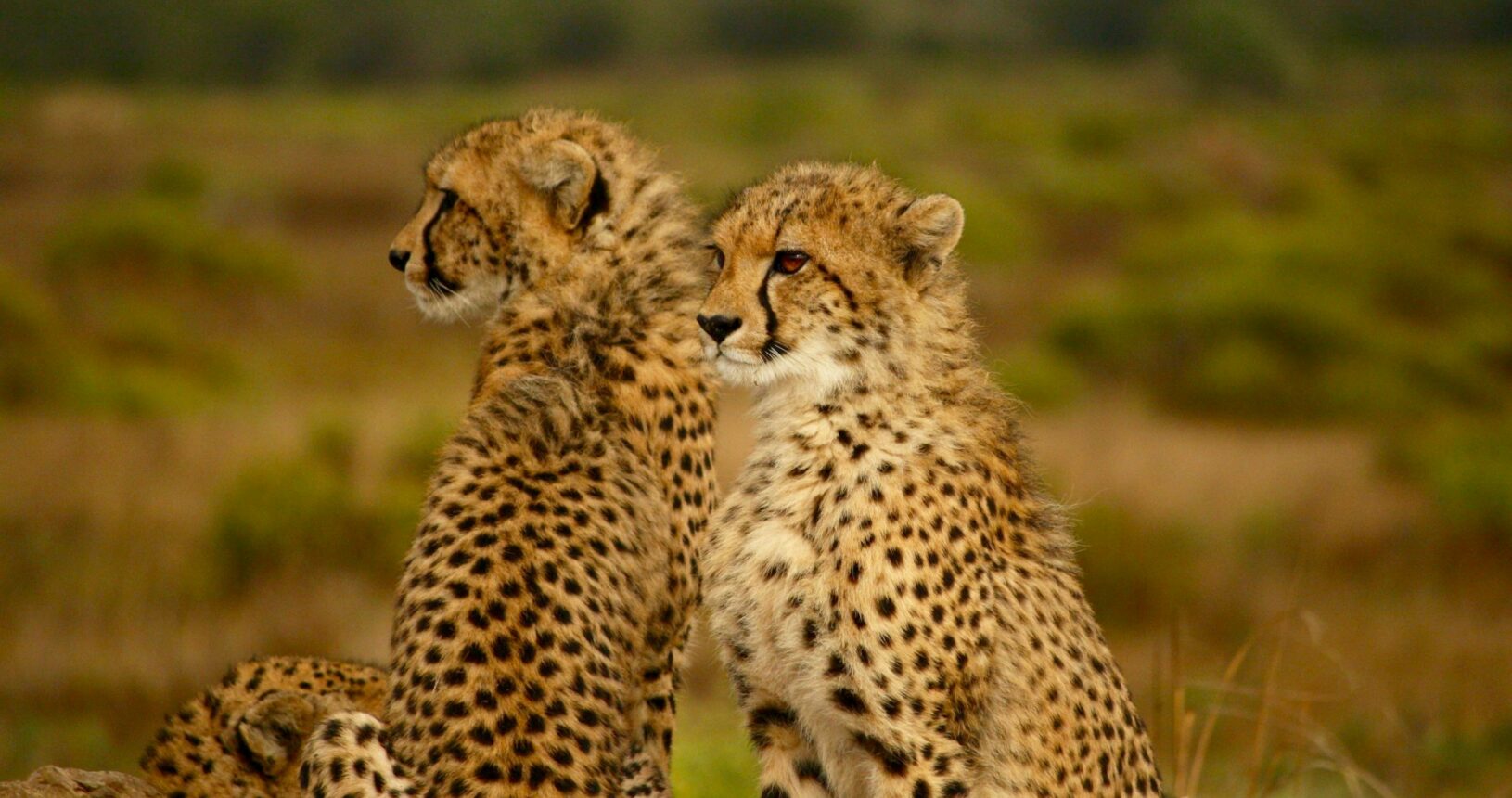
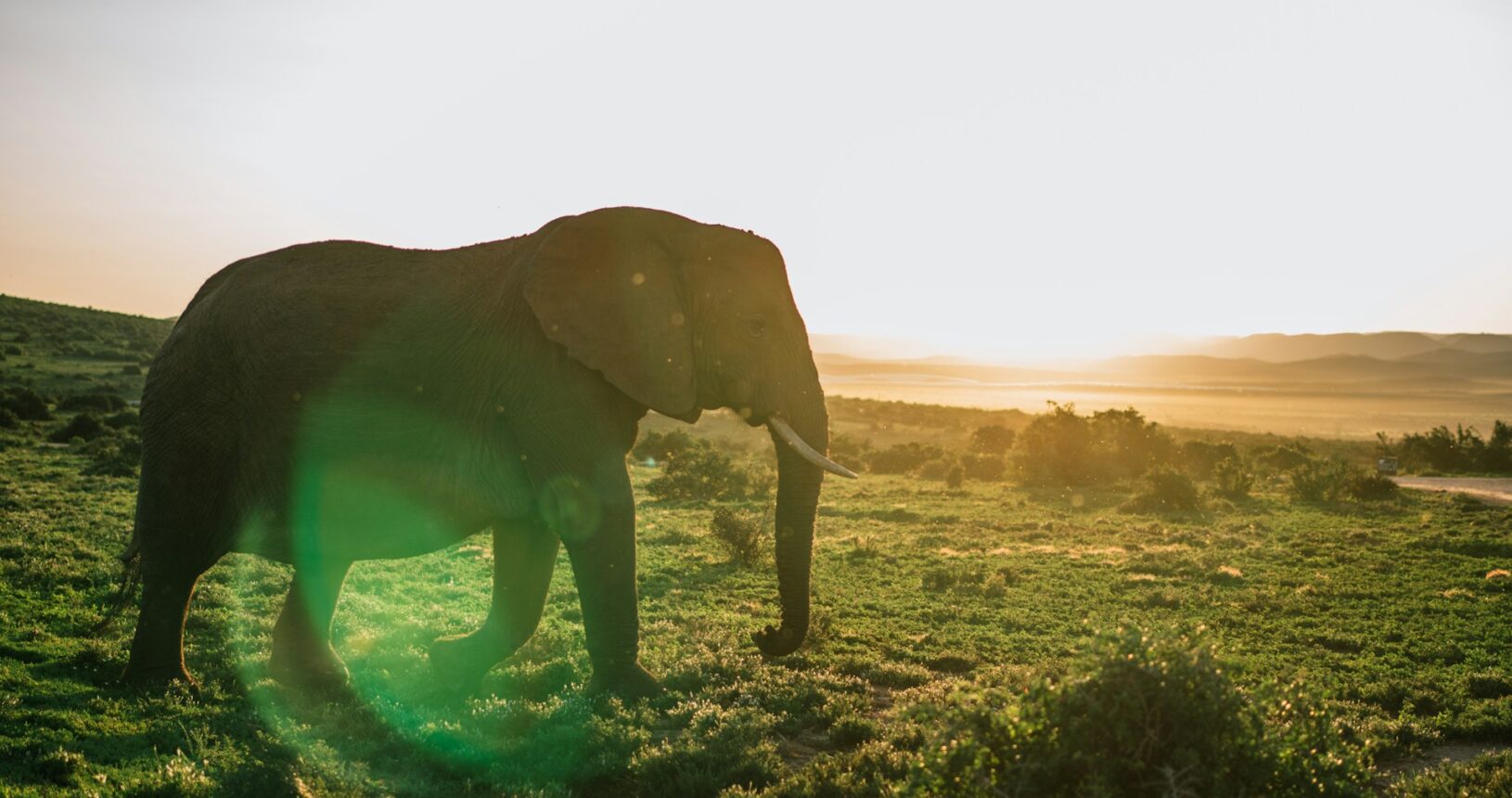
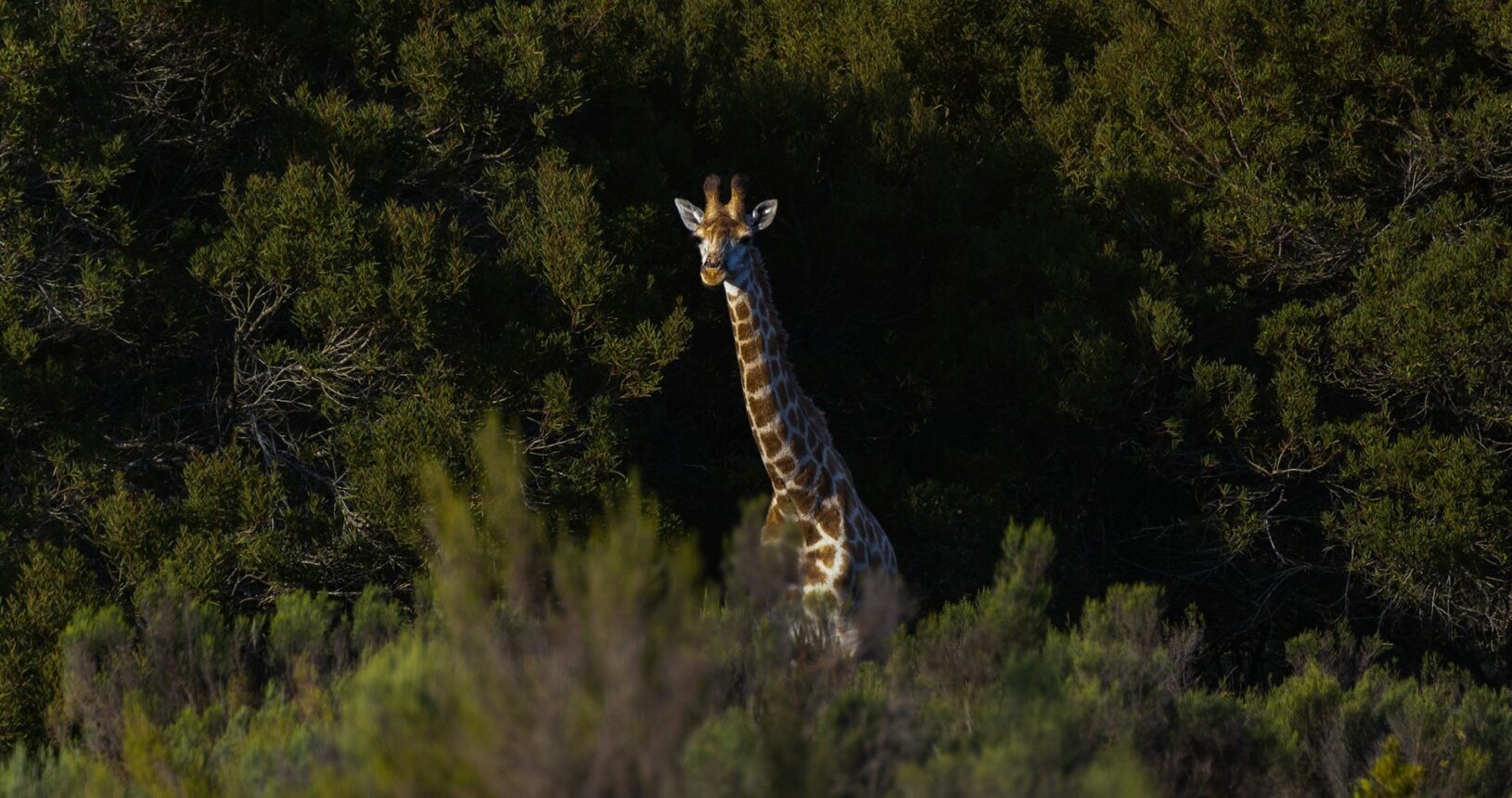
In Africa’s national parks, every sunrise paints a masterpiece — where the wild’s call echoes across endless horizons. Visiting these parks is to witness nature in its purest form, a timeless dance that stirs the soul.
Steps to Book Your Southern Africa Tour
Choose Your Adventure
Confirm Your Booking
Begin Your Journey
Ready to plan your tailor-made safari?