Is Botswana Safe?
February 1, 2026
LGBTQ Travel in Botswana
February 1, 2026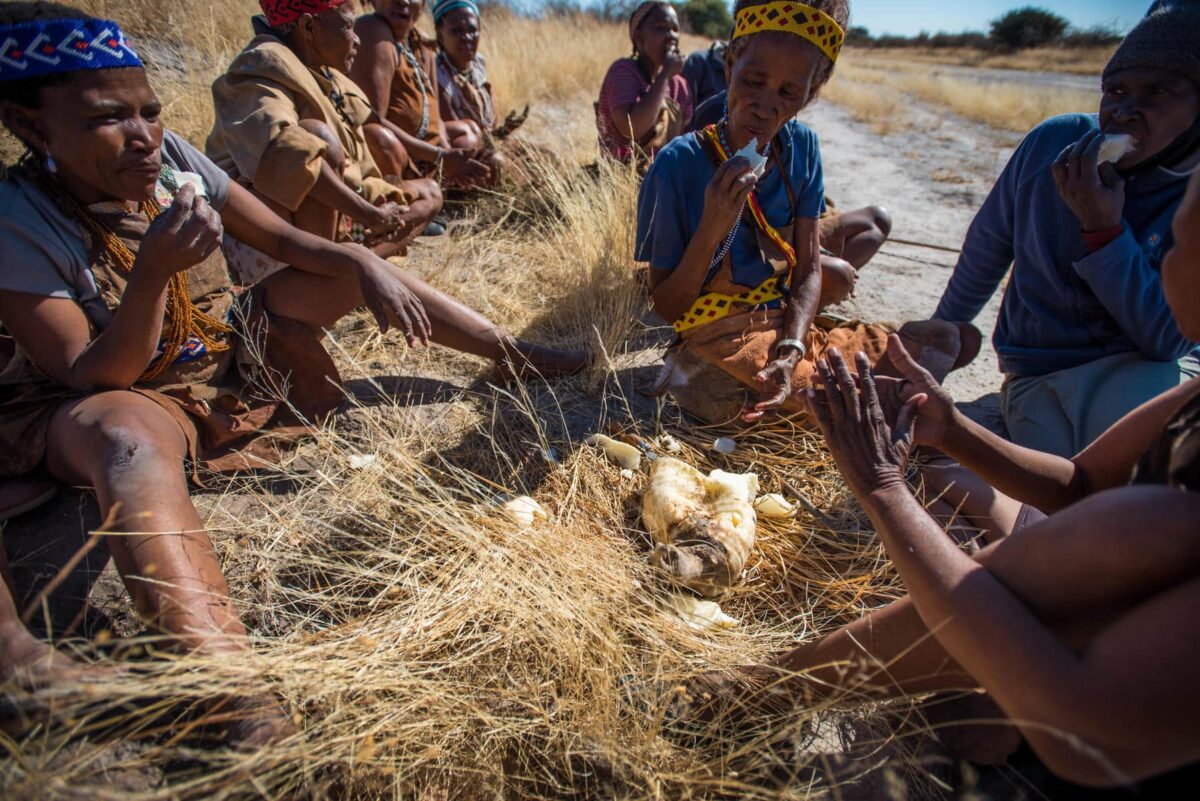
Languages in Botswana
Botswana is linguistically diverse, but communication for travelers is remarkably straightforward. While the country is home to multiple ethnic groups and indigenous languages, daily interaction across tourism, government, business, and education functions smoothly due to the strong presence of English and Setswana.
For safari travelers, business visitors, and long-stay guests, language barriers are minimal. English is widely spoken in urban areas and throughout the tourism sector, while Setswana remains the cultural and national language that shapes identity, social customs, and community life.
Why Book This Destination
Explore More about Languages in Botswana
Below is a structured overview of how language works in Botswana and what travelers should realistically expect.
Official Language: English
English serves as Botswana’s official language and is used in government administration, education, legal systems, and media. It is the primary language of instruction in schools from upper primary level onward and is the standard language in professional environments.
For travelers, this means communication is generally easy. Airport staff, hotel teams, safari guides, immigration officers, and business service providers operate confidently in English. Most signage in major towns such as Gaborone and Maun is written in English, and tourism materials are produced in English for international audiences.
In safari camps, English is the operational language for guiding, safety briefings, and guest interaction.
National Language: Setswana
Setswana, also referred to as Tswana, is the national language and is spoken by the majority of the population as a first or second language. It plays a central role in cultural identity, traditional leadership structures, and daily community life.
Although English dominates formal sectors, Setswana is widely used in homes, rural areas, markets, and informal settings. Visitors may frequently hear greetings such as “Dumela” (hello) or “Ke a leboga” (thank you), and learning a few basic phrases is often appreciated by locals.
Setswana is taught in schools and remains deeply connected to traditional customs and social etiquette across the country.
Indigenous and Minority Languages
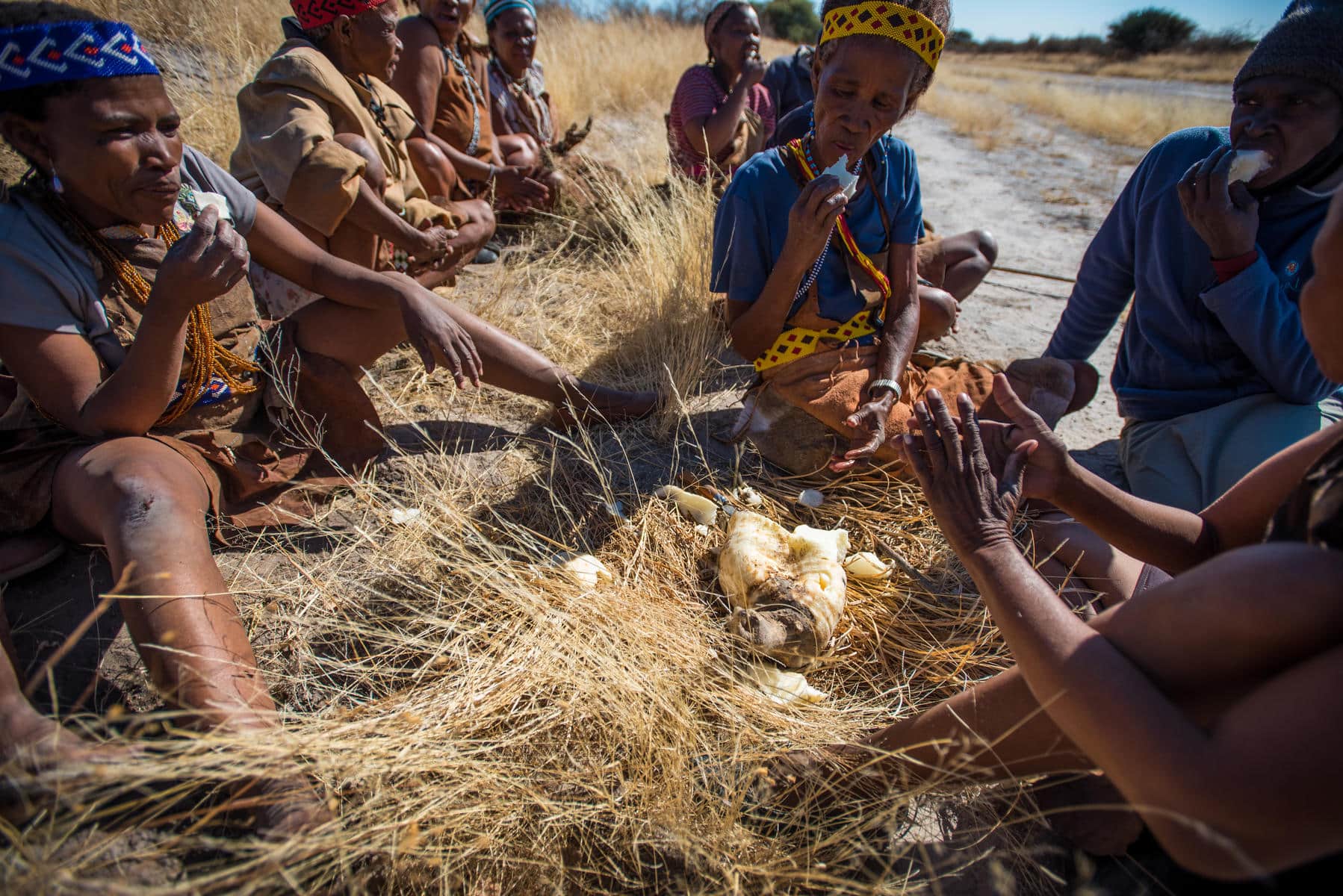
Beyond English and Setswana, Botswana is home to a range of indigenous languages spoken by smaller ethnic communities. These include languages from the San or Basarwa communities, as well as Kalanga and other regional dialects.
In the Kalahari regions and northern districts, some communities speak click-based Khoisan languages, which are among the oldest language families in the world. These languages are primarily used within local communities and are not widely spoken in urban or tourism environments.
While culturally significant, these minority languages do not typically affect visitor communication.
Language in Safari Tourism
Botswana’s safari industry is internationally oriented, and English is the standard working language across concessions such as the Okavango Delta and Chobe National Park.
Professional guides are trained to communicate clearly in English, particularly when delivering wildlife briefings, conservation explanations, and safety instructions. Many guides also speak multiple local languages and may have basic proficiency in additional international languages depending on training and guest demographics.
For travelers from Europe, North America, Australia, and other English-speaking regions, language presents no significant obstacle during a Botswana safari.
Business and Urban Language Use
In cities such as Gaborone and Francistown, English dominates business communication, banking, healthcare services, and corporate operations. Media outlets, newspapers, and digital platforms often operate bilingually, though English remains the primary written language.
In everyday urban conversation, code-switching between English and Setswana is common. Visitors may notice conversations blending both languages seamlessly, reflecting Botswana’s bilingual social structure.
Language and Cultural Etiquette
Language in Botswana is closely tied to respect and social norms. Greetings are considered important in both rural and urban settings, and beginning interactions politely is customary. While English is widely understood, using a simple Setswana greeting can create a positive impression and demonstrate cultural awareness.
Formal interactions, especially in traditional settings, may involve respectful phrasing that reflects the country’s strong community values and leadership traditions.
Overall Language Assessment for Travelers
Botswana is one of the easiest African countries for English-speaking travelers to navigate linguistically. English is firmly established as the official working language, while Setswana anchors national identity and cultural continuity.
Visitors can expect smooth communication in tourism zones, urban centers, and official environments, with minimal language barriers. Learning a few Setswana greetings enhances cultural connection but is not required for practical travel.
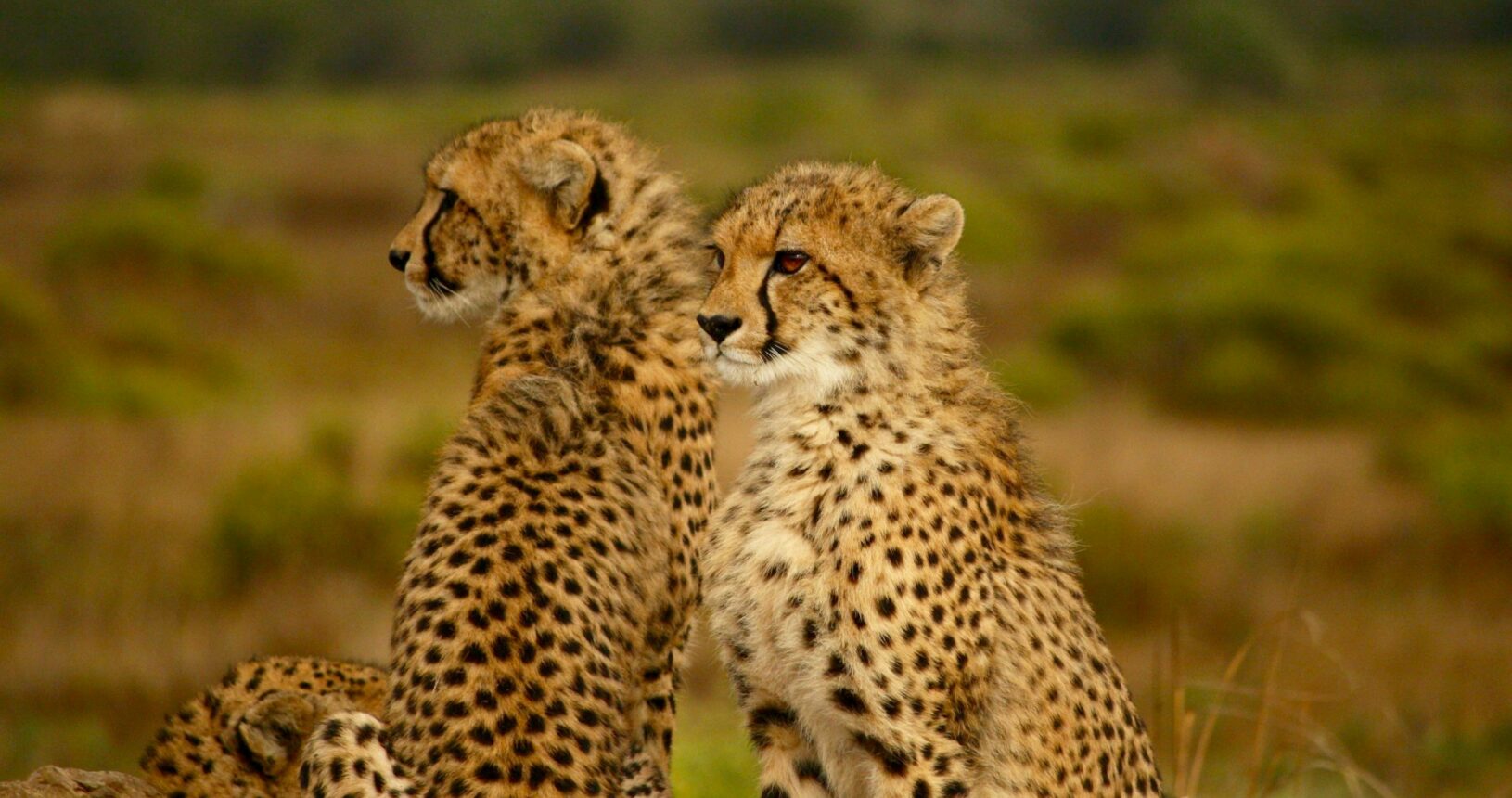
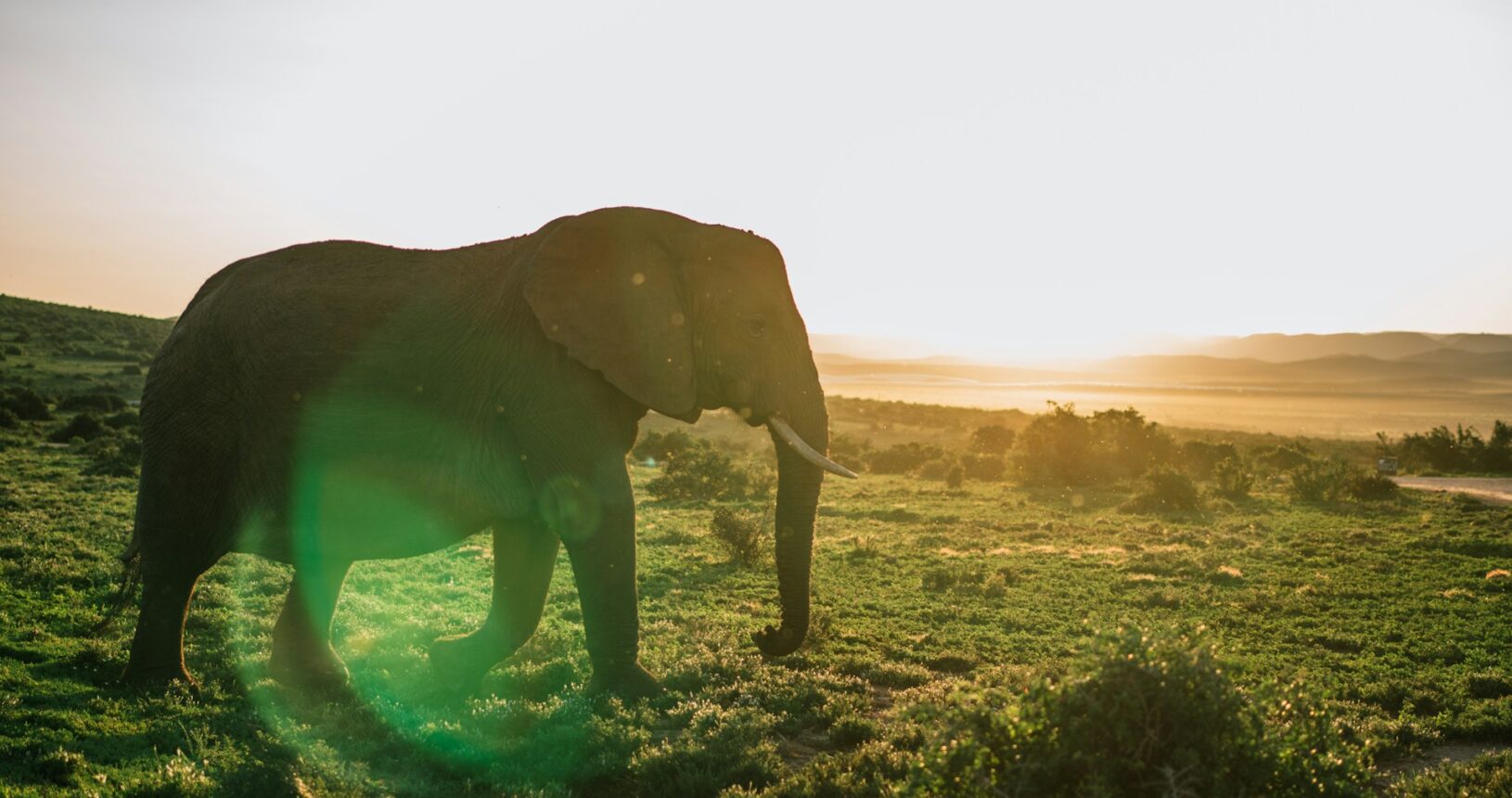
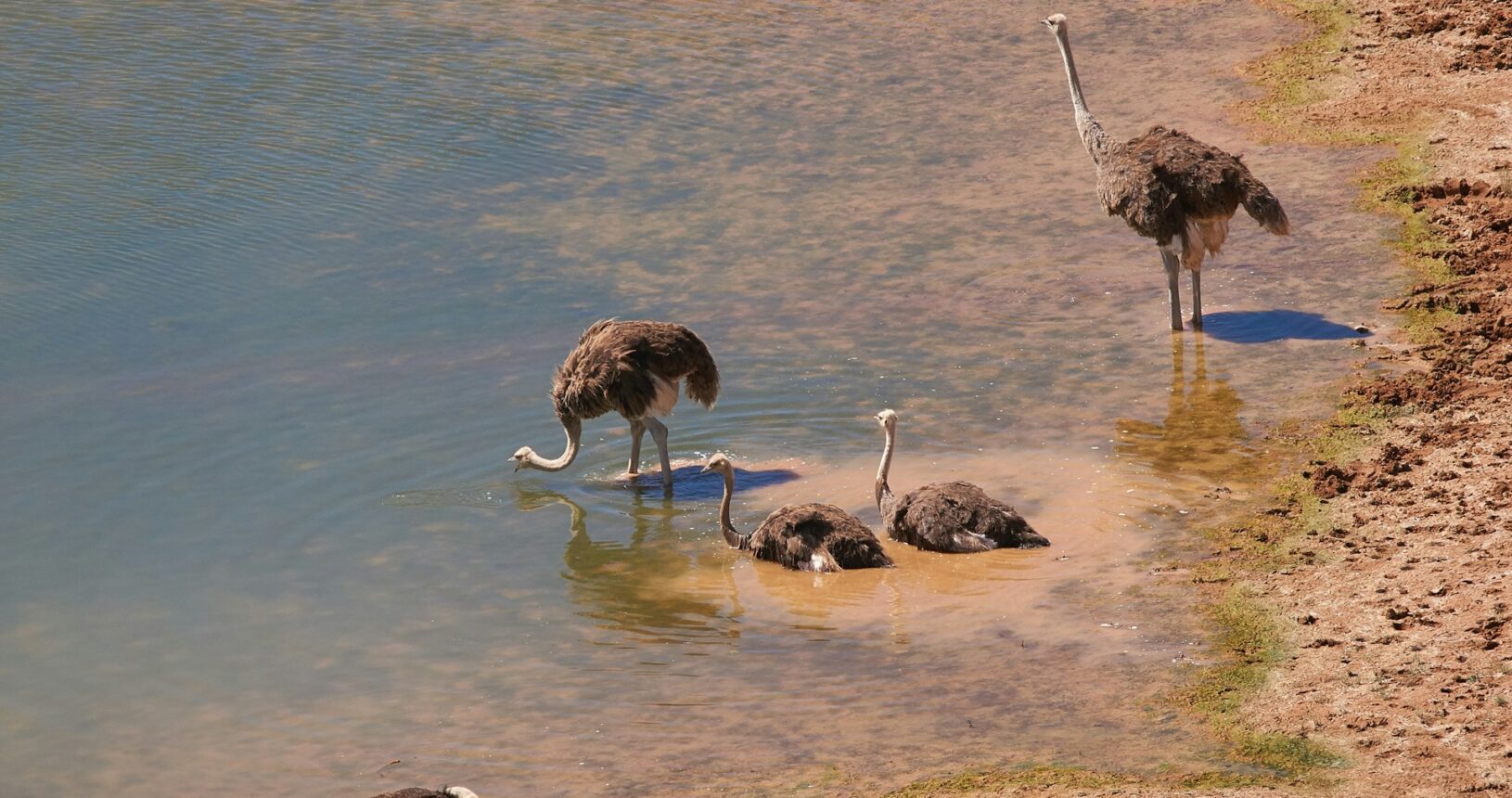
In Africa’s national parks, every sunrise paints a masterpiece — where the wild’s call echoes across endless horizons. Visiting these parks is to witness nature in its purest form, a timeless dance that stirs the soul.

Steps to Book Your Southern Africa Tour
Choose Your Adventure
Confirm Your Booking
Begin Your Journey
Ready to plan your tailor-made safari?