Flights to Botswana
February 1, 2026
Is Botswana Safe?
February 1, 2026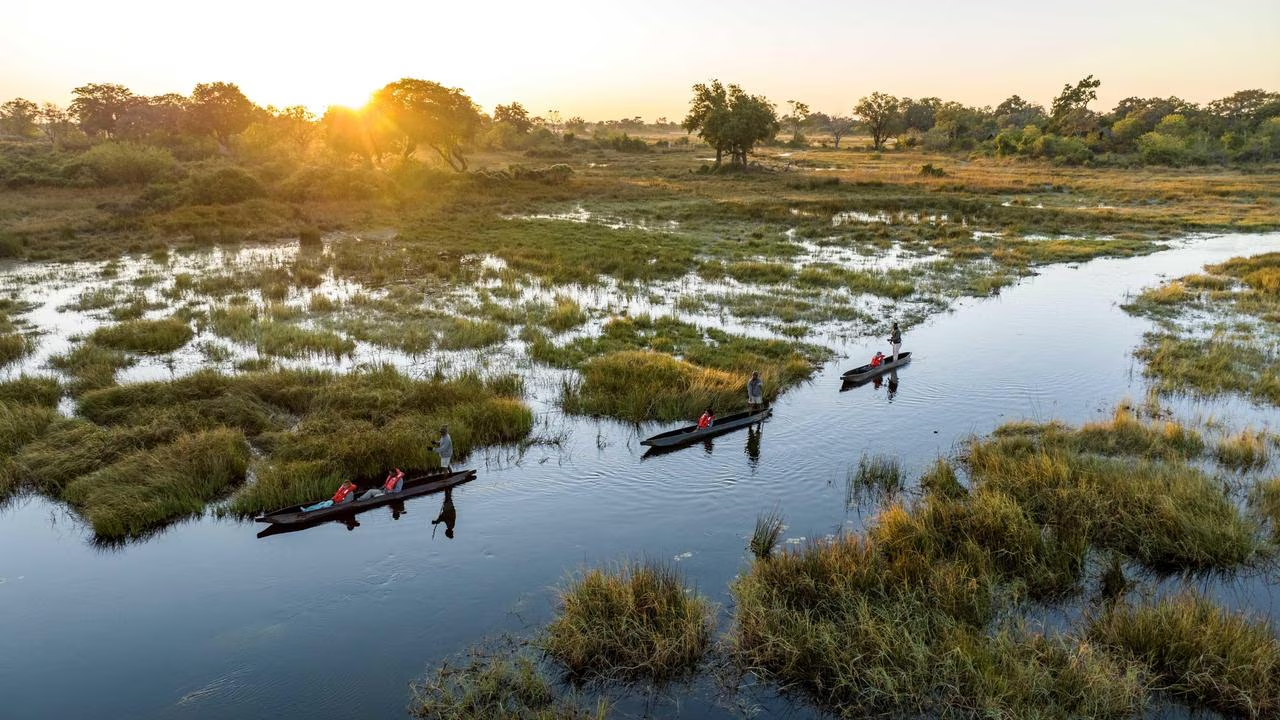
Flooding in the Okavango Delta
Flooding in the Okavango Delta is not a disaster event — it is the defining ecological process that makes this region one of Africa’s most extraordinary safari destinations. Located in northwestern Botswana, the delta is a vast inland wetland formed by seasonal floodwaters flowing from the Angolan highlands through the Okavango River system.
Unlike typical river flooding caused by local rainfall, the Okavango’s flood cycle is delayed and counter-seasonal. Rain falls in Angola between January and March, yet floodwaters reach Botswana months later, typically peaking between June and August. This delayed hydrological rhythm creates one of the world’s most unique wetland ecosystems.
Why Book This Destination
Explore More about Flooding in the Okavango Delta
How the Okavango Flooding System Works
The Okavango Delta does not drain into the ocean. Instead, floodwaters spread outward across a flat basin, creating a fan-shaped inland delta that fluctuates in size annually. As water moves slowly across channels, lagoons, and floodplains, it transforms dry land into navigable waterways.
This annual flood can expand the delta’s surface area dramatically, sometimes doubling its footprint compared to dry-season conditions. The process replenishes groundwater, supports plant growth, and sustains wildlife populations throughout the dry winter months in Botswana.
The flooding is therefore essential to the survival of the ecosystem.
When Flooding Occurs
Floodwaters typically begin arriving in the delta around May, gradually increasing through June and July, and often reaching peak levels between July and August. This timing coincides with Botswana’s dry winter season, when local rainfall is minimal.
As water spreads across the delta, seasonal floodplains become submerged while permanent channels deepen. The precise extent of flooding varies each year depending on rainfall levels in Angola.
By late September and October, water levels slowly begin receding, though some channels remain navigable year-round.
Impact of Flooding on Wildlife
Flooding dramatically reshapes wildlife distribution within the delta. As dry land becomes isolated islands surrounded by water, animals congregate on higher ground. This concentration increases wildlife visibility and enhances predator-prey interactions.
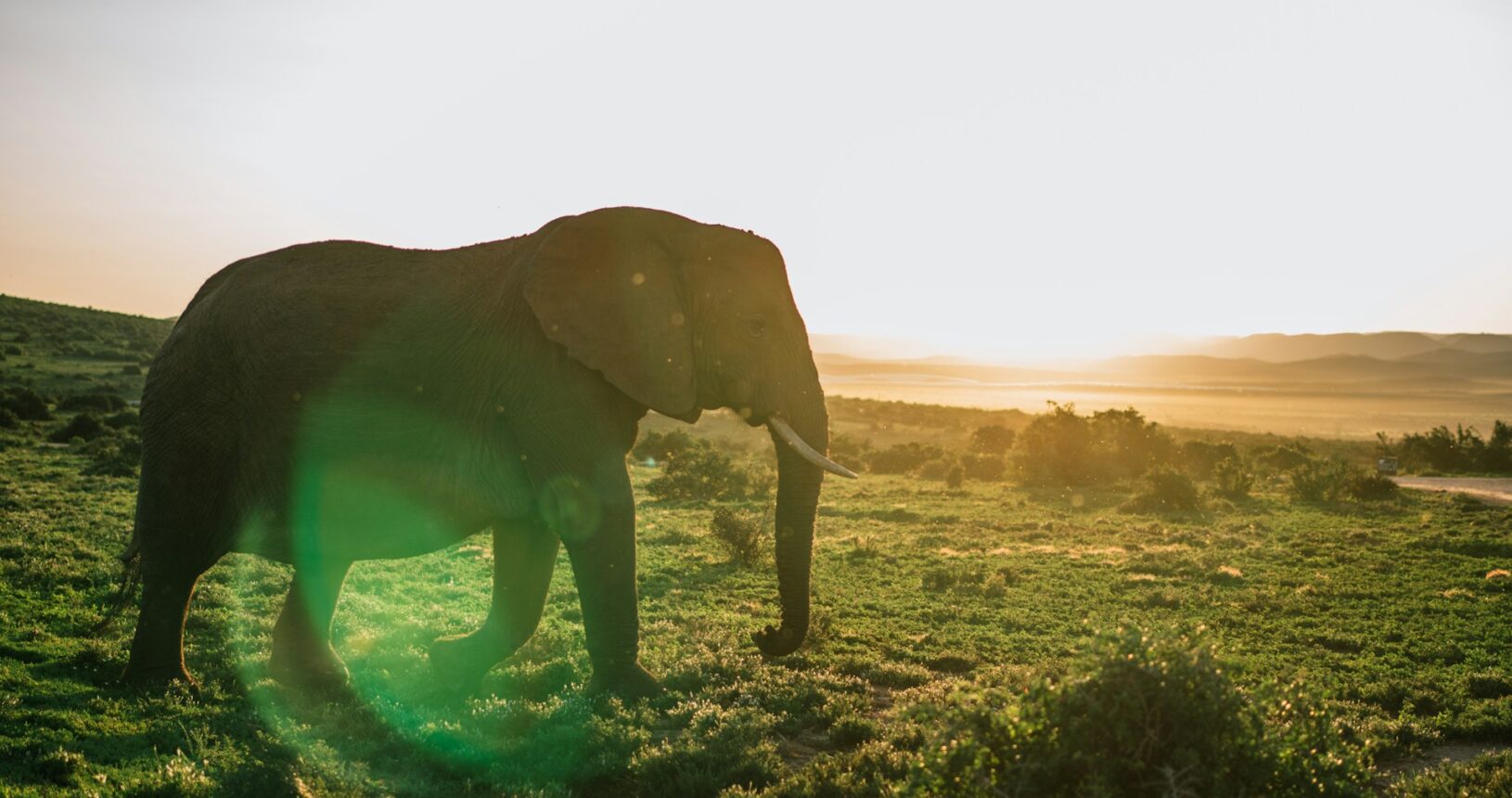
Elephants frequently swim between islands, while red lechwe antelope thrive in semi-aquatic environments. Lions and leopards adapt their movement patterns to the changing terrain, often using elevated areas for hunting.
The flood season is widely considered one of the best times for wildlife viewing because animals are more predictable in their movements around shrinking dry land areas.
Water-Based Safari Activities During Flood Season
High water levels allow for unique safari experiences unavailable in many other African destinations. Mokoro canoe excursions become possible in shallow channels, offering quiet access to reed-lined waterways. Motorized boat safaris operate in deeper lagoons, providing low-angle perspectives of wildlife along riverbanks.
These water-based activities distinguish the Okavango Delta from traditional land-only safari environments. As floodwaters peak, camps strategically position activities based on navigable routes and safety conditions.
Flooding expands the diversity of safari experiences rather than limiting them.
Does Flooding Disrupt Travel?
Flooding in the Okavango Delta is a predictable natural cycle rather than a sudden hazard. Safari operators design camp infrastructure and access routes with seasonal water levels in mind. Many lodges are built on raised platforms or elevated islands to accommodate annual changes.
Access to camps often relies on light aircraft transfers, which remain unaffected by surface water conditions. In fact, higher flood levels can enhance accessibility to water-based concessions while reducing road dust and improving scenic beauty.
Travel disruption due to flooding is rare within established safari operations.
Environmental Importance of the Flood Cycle
The annual flood pulse maintains the delta’s biodiversity. Nutrient-rich waters support aquatic plant growth, fish populations, and birdlife. The wetland’s ecological health depends entirely on the integrity of upstream rainfall patterns and water flow from Angola.
The Okavango Delta’s status as a UNESCO World Heritage Site reflects its global ecological significance. Sustainable tourism and careful water management are essential to preserving this delicate system.
Flooding is therefore not simply seasonal variation — it is the foundation of the delta’s existence.
Best Time to Visit During Flood Season
Travelers seeking water-based activities and strong wildlife concentrations often plan visits between June and August when flood levels are high and wildlife visibility peaks. The combination of dry weather, concentrated animals, and navigable waterways creates optimal safari conditions.
For those interested in lush landscapes and birdlife, late green season travel offers a different visual dynamic before peak floodwaters arrive.
Understanding the flood cycle helps align travel expectations with desired safari experiences.
Overall Significance of Flooding in the Okavango Delta
Flooding defines the Okavango Delta’s ecological identity. It sustains wildlife, shapes safari logistics, and creates one of the world’s only inland delta systems where seasonal water arrives during the dry season.
Rather than being a threat, the annual flood is the driving force behind the region’s biodiversity and one of the key reasons Botswana remains a premier wildlife destination in Southern Africa.
In Africa’s national parks, every sunrise paints a masterpiece — where the wild’s call echoes across endless horizons. Visiting these parks is to witness nature in its purest form, a timeless dance that stirs the soul.
Steps to Book Your Southern Africa Tour
Choose Your Adventure
Confirm Your Booking
Begin Your Journey
Ready to plan your tailor-made safari?