Botswana Wildlife Safari
February 1, 2026
Flooding in the Okavango Delta
February 1, 2026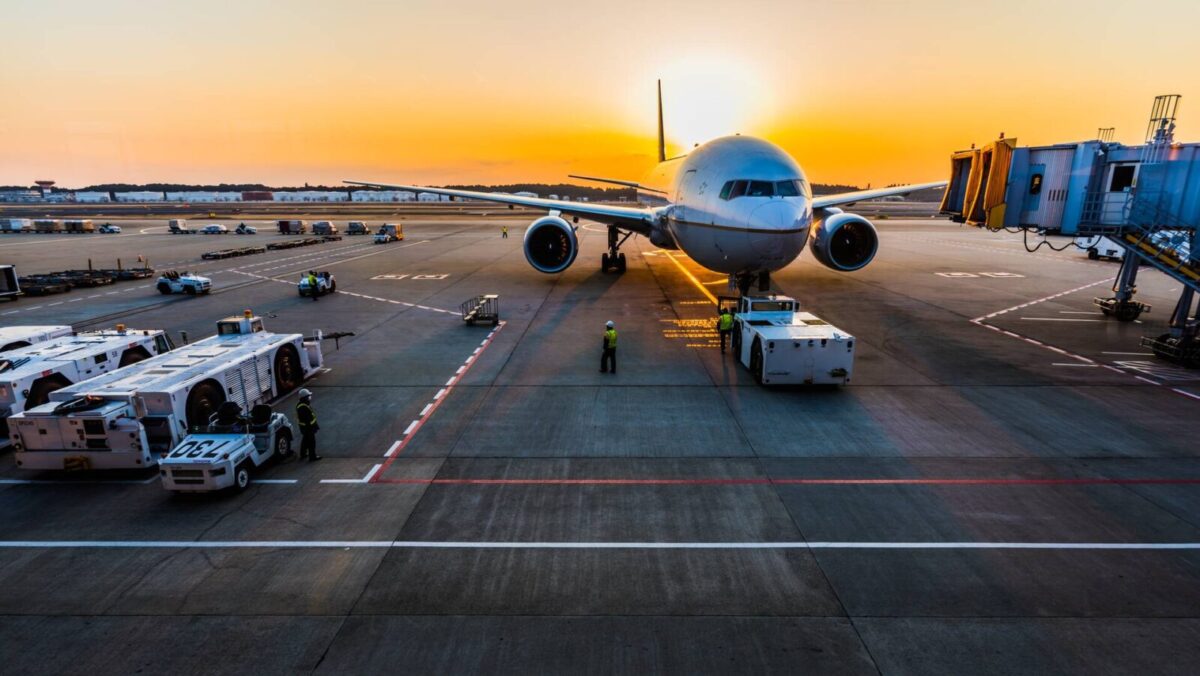
Flights to Botswana
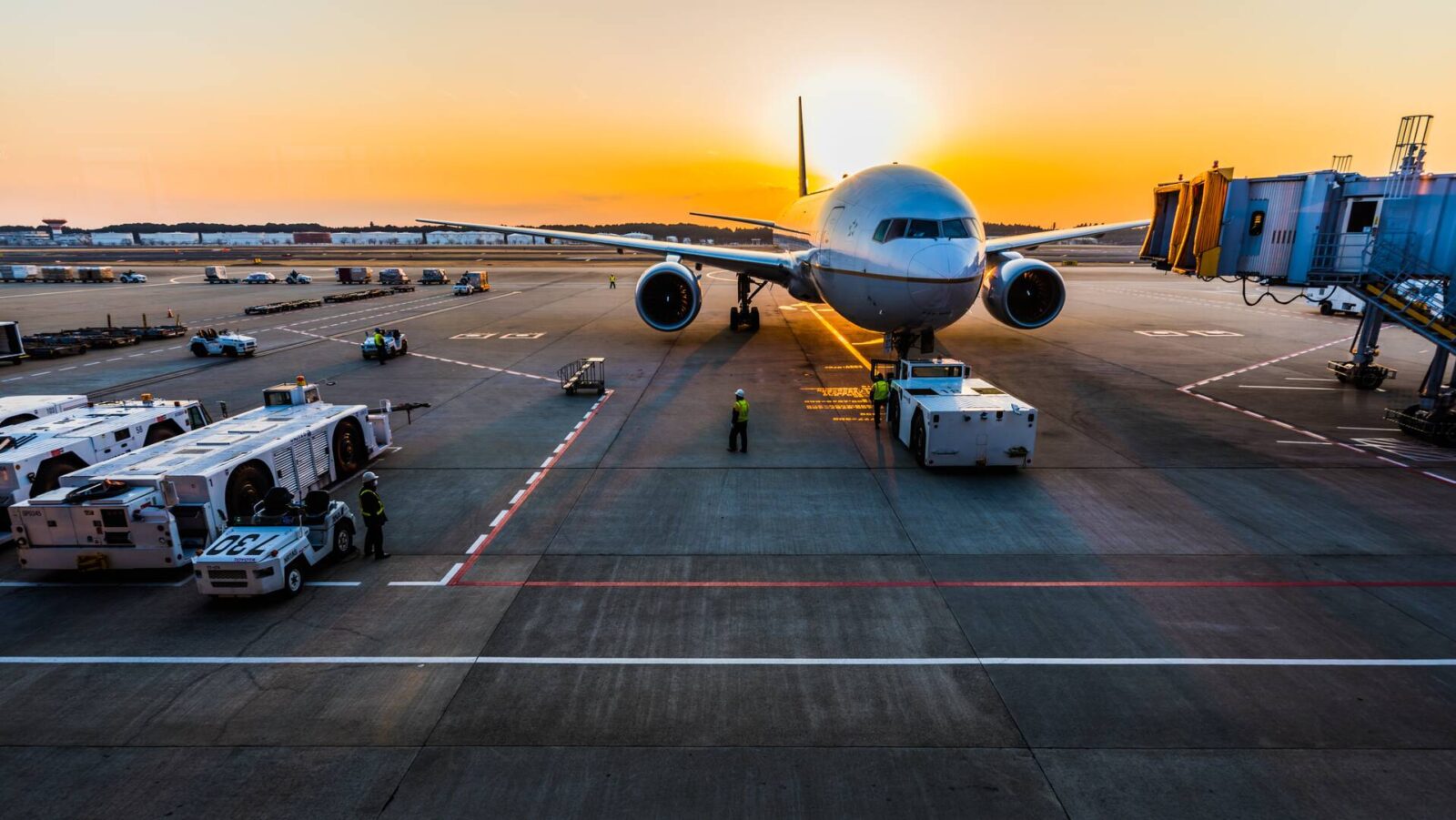
Botswana is primarily accessed through regional aviation hubs, with most international travelers connecting through Southern Africa before continuing onward to safari gateways. Unlike high-volume global destinations, Botswana’s aviation network is structured around safari logistics rather than mass tourism traffic. Understanding how flights connect into the country—and then onward into remote wilderness areas—is essential for efficient planning.
Botswana’s premier wildlife regions, such as the Okavango Delta, Chobe National Park, and the Central Kalahari Game Reserve, are not served by large commercial aircraft. Access typically involves a combination of long-haul international flights, regional jet connections, and domestic light aircraft transfers to bush airstrips.
Why Book This Destination
Explore More about Flights to Botswana
Main International Gateways into Botswana
Botswana has three primary international airports that serve as entry points.
Sir Seretse Khama International Airport is located in the capital and handles regional connections primarily from South Africa, Ethiopia, and select Southern African destinations. While it is Botswana’s largest airport, it is less commonly used by safari travelers heading directly into wildlife regions.
Maun International Airport is the main safari gateway and the most important airport for travelers visiting the Okavango Delta. Maun functions as the operational hub for domestic bush flights that distribute guests into private concessions.
Kasane International Airport serves northern Botswana and provides direct access to Chobe National Park. It is also strategically positioned near Victoria Falls, making it ideal for cross-border safari itineraries.
Each airport serves a distinct travel purpose depending on itinerary design.
Best International Routes from Major Markets
Travelers from Europe most commonly connect through Johannesburg, Doha, Addis Ababa, or sometimes Nairobi before continuing to Botswana. Johannesburg remains the dominant transit hub due to frequent regional departures into Maun and Kasane.
From North America, routing typically involves a long-haul flight into Johannesburg via European or Middle Eastern transit points, followed by a regional connection. Direct intercontinental flights into Botswana are limited, so at least one regional connection is standard.
From Australia and Asia, connections usually route through Johannesburg or Doha before proceeding to Botswana’s regional airports.
Because Botswana relies heavily on regional air access, timing international arrivals to align with onward connections is critical.
Flying to the Okavango Delta
For travelers visiting the Okavango Delta, Maun is the primary arrival airport. Upon landing, guests typically transfer to a small fixed-wing aircraft operated by licensed safari aviation companies. These flights connect to remote bush airstrips located within private concessions.
Light aircraft capacity is limited, and luggage weight restrictions are strictly enforced, often capped around 15 kilograms per person, including carry-on. Soft-sided bags are mandatory due to limited storage space within aircraft cabins.
Flights from Maun to delta camps are generally short, often between 20 and 60 minutes depending on concession location. These transfers offer dramatic aerial views of floodplains and winding channels, providing a scenic introduction to the safari experience.
Accessing Chobe and Victoria Falls
Kasane International Airport provides the most direct access to Chobe National Park. Transfers from the airport to riverfront lodges typically take less than 30 minutes by road. For travelers combining Botswana with Victoria Falls in Zimbabwe or Zambia, Kasane offers efficient cross-border access within a short driving distance.
Regional flights connect Kasane with Johannesburg and Maun, enabling multi-destination safari circuits within Botswana.
For itineraries focused solely on Chobe, flying directly into Kasane often reduces overall travel time.
Domestic Bush Flight Network
Botswana’s domestic aviation network is central to its safari model. Remote camps rely on small aircraft transfers because road infrastructure into many concessions is either seasonal or intentionally limited to preserve ecosystem integrity.
Operators coordinate flight schedules based on guest itineraries. Aircraft typically make multiple stops at bush airstrips during a single routing, collecting or dropping off passengers at various camps. These operations are tightly regulated and follow established aviation safety standards.
While the aircraft are small, the system is highly organized and forms a seamless part of the safari experience.
Flight Timing and Seasonality
Peak safari season from May through October sees higher demand for regional flights into Maun and Kasane. During this period, booking international and regional segments several months in advance is advisable to secure preferred travel times.
Green season travel from November to March may offer more flexible availability and occasionally lower fares. However, heavy rainfall can occasionally impact road transfers, reinforcing the importance of domestic aviation.
Aligning arrival times with scheduled bush flights reduces unnecessary overnight stays in transit hubs.
Luggage, Connections, and Practical Planning
Because of strict luggage limits on domestic bush flights, travelers should plan packing accordingly. Many safari operators provide advance guidance regarding baggage weight and soft-sided requirements.
When connecting through Johannesburg or other hubs, allowing sufficient time for immigration, baggage transfer, and re-check-in is recommended. Separate ticket bookings may require manual luggage retrieval and recheck.
Travel insurance covering missed connections and baggage delays is advisable due to the multi-leg routing common in Botswana travel.
Overall Flight Planning Strategy for Botswana
Flights to Botswana require structured coordination but are straightforward once understood. Most travelers connect through Southern African hubs before continuing to Maun or Kasane, followed by domestic bush flights into safari concessions.
While the routing may involve multiple segments, the aviation network is designed to support exclusive, conservation-led tourism. Proper planning around connections, luggage restrictions, and seasonal demand ensures a smooth arrival into one of Africa’s most pristine safari destinations.
In Africa’s national parks, every sunrise paints a masterpiece — where the wild’s call echoes across endless horizons. Visiting these parks is to witness nature in its purest form, a timeless dance that stirs the soul.
Steps to Book Your Southern Africa Tour
Choose Your Adventure
Confirm Your Booking
Begin Your Journey
Ready to plan your tailor-made safari?