Mokoro
February 1, 2026
Zebra Migration
February 1, 2026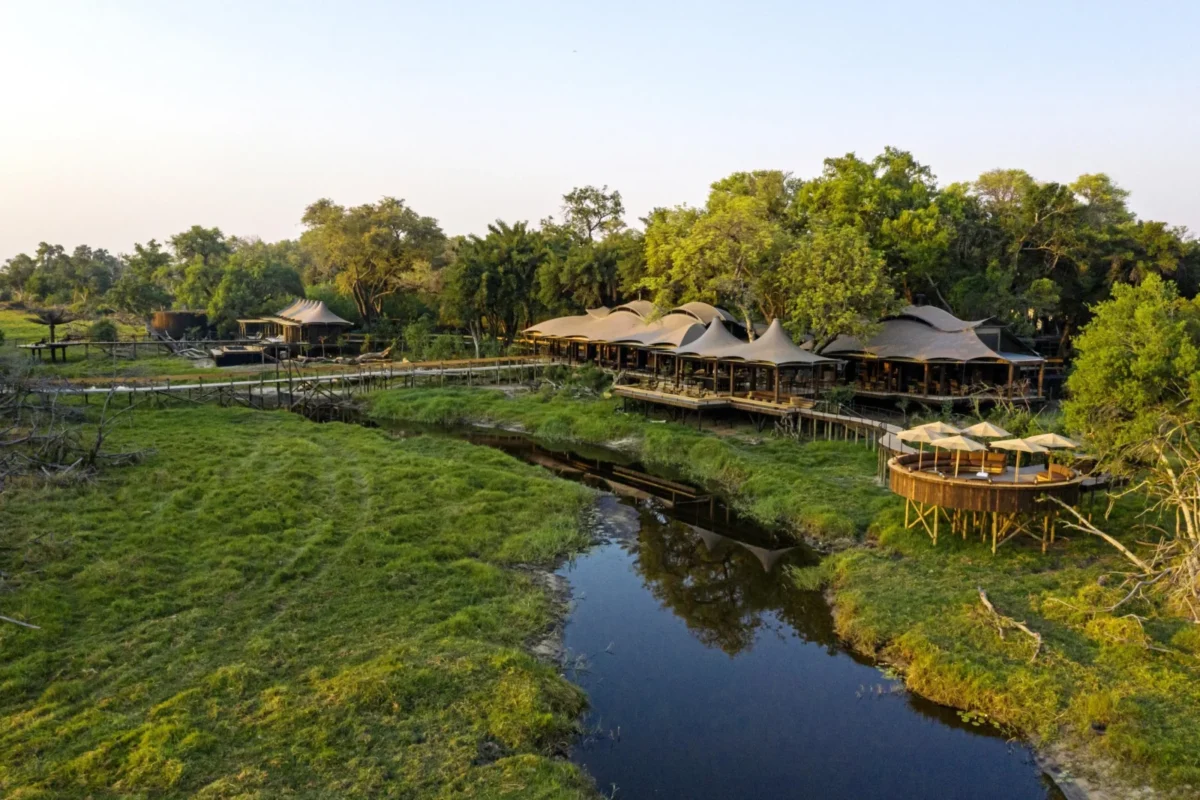
Sustainable Tourism in Botswana
Botswana is widely regarded as one of Africa’s strongest examples of conservation-led tourism. Rather than pursuing mass visitor numbers, Botswana adopted a high-value, low-volume model designed to protect fragile ecosystems while generating meaningful revenue for conservation and communities. This policy has positioned the country as a leader in sustainable safari development across Southern Africa.
Sustainability in Botswana is not a marketing label. It is embedded in national tourism policy, wildlife management strategy, and private concession operations. From controlled visitor numbers in the Okavango Delta to anti-poaching investments in Chobe National Park, environmental protection directly shapes the safari experience.
Why Book This Destination
Explore More about Sustainable Tourism in Botswana
The High-Value, Low-Volume Tourism Model
Botswana deliberately limits tourist density in many private concessions and protected areas. This approach reduces environmental pressure, prevents overcrowding at wildlife sightings, and minimizes infrastructure expansion within sensitive habitats.
By focusing on quality rather than quantity, the country ensures that tourism revenue per visitor remains high. These funds support wildlife protection, concession management, and long-term ecological monitoring. The result is a sustainable balance between economic benefit and environmental preservation.
This model distinguishes Botswana from destinations that rely on large visitor numbers to drive tourism income.
Conservation and Wildlife Protection
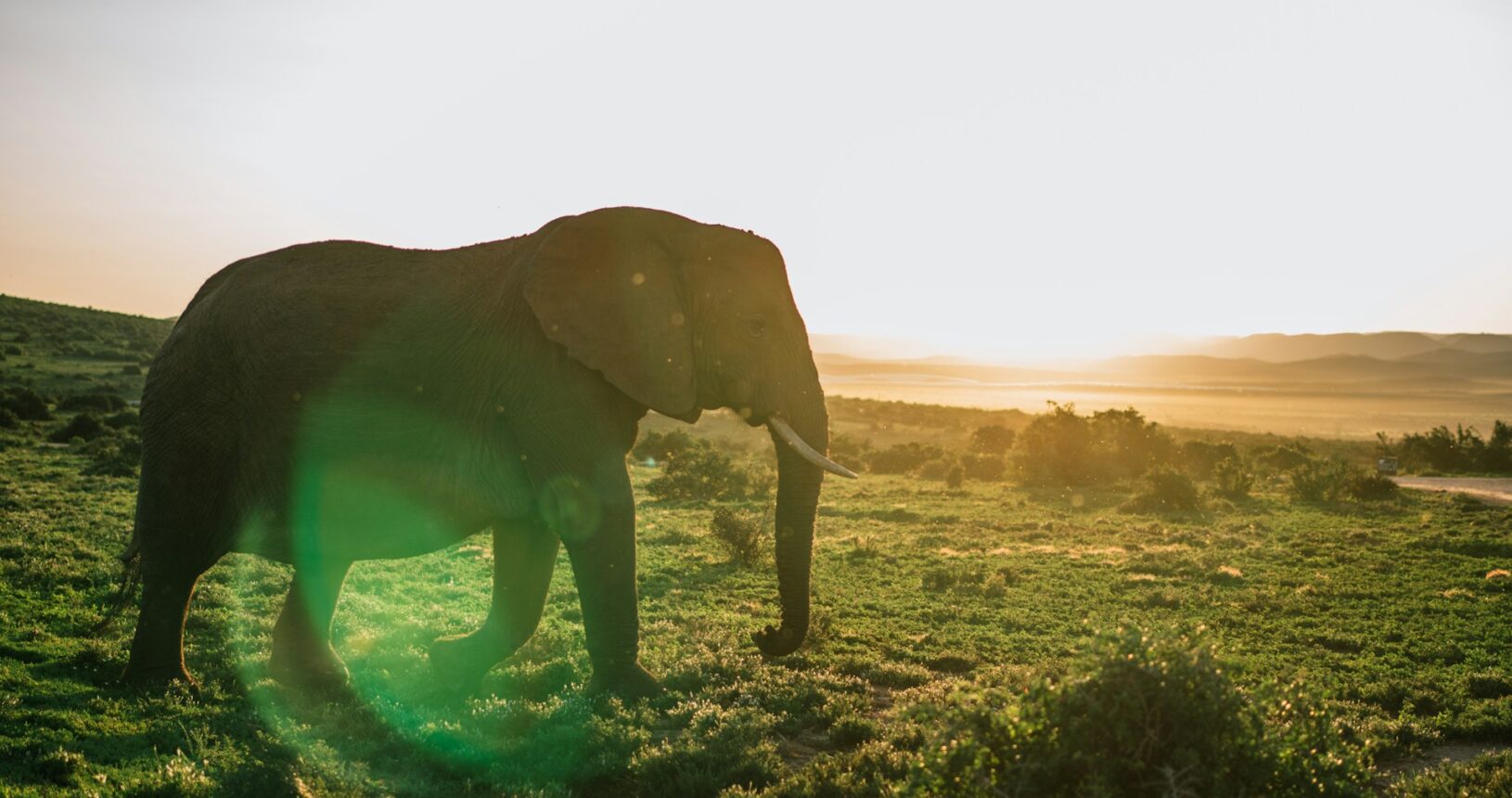
Wildlife conservation forms the backbone of Botswana’s sustainability framework. The country hosts one of Africa’s largest elephant populations and maintains extensive protected areas that support biodiversity across wetlands, savannah, and desert ecosystems.
Strict anti-poaching measures, conservation partnerships, and regulated hunting policies have reinforced wildlife security in recent decades. Revenue generated through safari tourism contributes directly to maintaining protected areas and supporting ranger operations.
Sustainable tourism in Botswana therefore functions as an economic engine for conservation rather than a threat to it.
Community Involvement and Local Empowerment
Sustainability in Botswana extends beyond wildlife protection to include community engagement. Many safari concessions operate in partnership with local communities through lease agreements, employment programs, and profit-sharing arrangements.
Community-based natural resource management initiatives allow rural populations to benefit from tourism income while preserving traditional land use practices. Employment opportunities in guiding, camp operations, hospitality, and logistics create long-term economic participation.
This integration of conservation and community benefit strengthens the social sustainability of Botswana’s tourism sector.
Eco-Friendly Lodge Practices
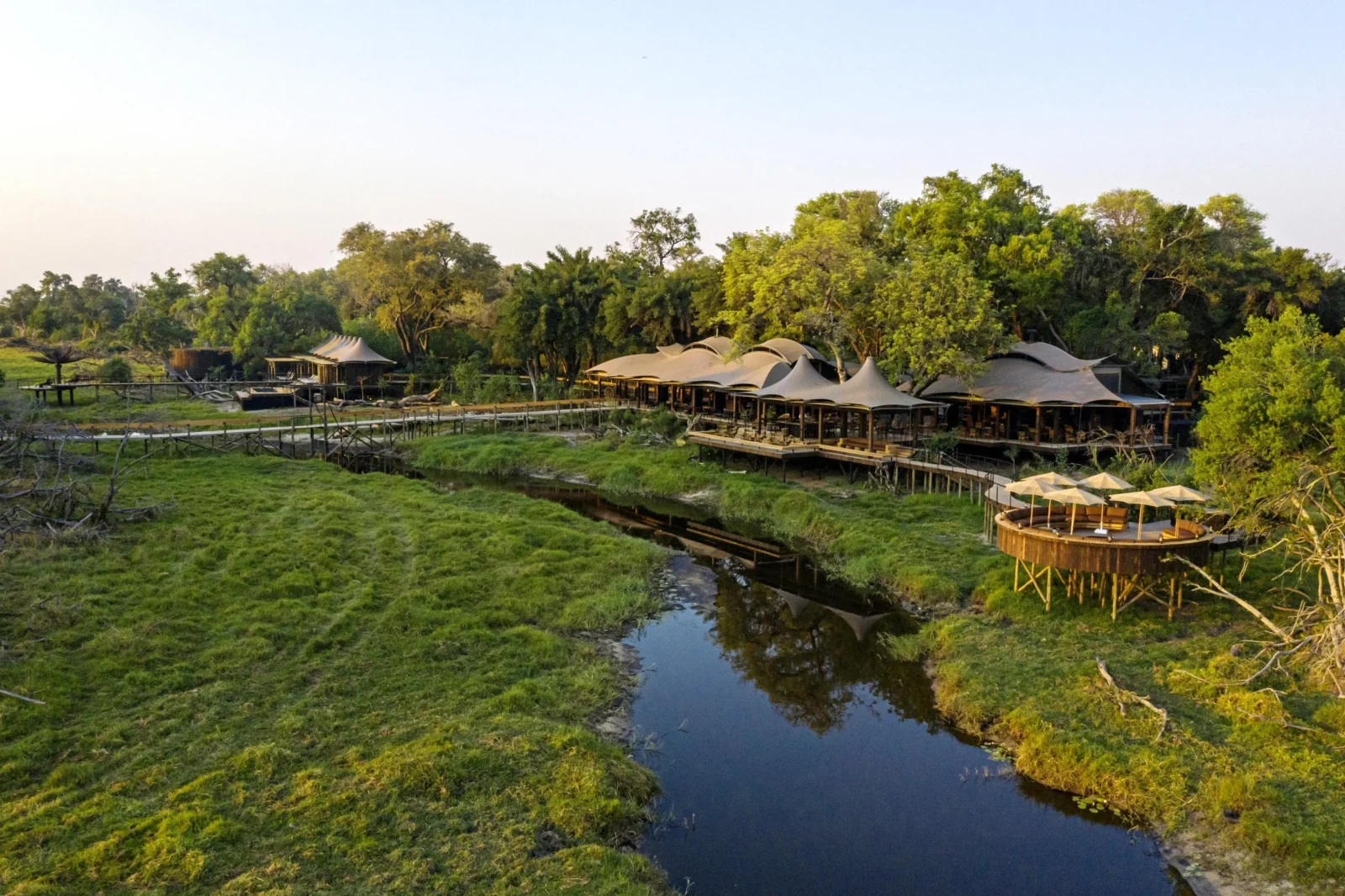
Many safari lodges in Botswana incorporate environmentally conscious infrastructure and operational systems. Solar power, water conservation methods, waste reduction strategies, and eco-sensitive architectural design are increasingly common across high-end camps.
Because many concessions operate in remote ecosystems, minimal-impact construction techniques are prioritized. Elevated decks, canvas structures, and seasonal camp removals reduce long-term environmental footprints.
These practices align with Botswana’s broader conservation goals and reinforce the country’s sustainable safari reputation.
Water Management in the Okavango Delta
The Okavango Delta is one of Africa’s most delicate freshwater ecosystems. Sustainable tourism operations in this region adhere to strict environmental regulations designed to protect water quality and aquatic habitats.
Boat speeds, waste disposal systems, and camp placement are monitored carefully to prevent ecological damage. The delta’s UNESCO World Heritage status reinforces the importance of maintaining its natural hydrological cycles.
Tourism within the delta is structured to preserve its biodiversity for future generations.
Sustainable Desert Conservation
Beyond wetlands, Botswana’s desert regions such as the Central Kalahari Game Reserve demonstrate sustainable land management within semi-arid ecosystems. Controlled visitor numbers, seasonal mobile camps, and limited permanent infrastructure reduce pressure on fragile desert habitats.
Desert wildlife conservation focuses on preserving migratory corridors and maintaining ecosystem balance despite challenging climatic conditions. Sustainable tourism revenue supports these initiatives.
Responsible Travel Practices for Visitors
Travelers contribute to Botswana’s sustainability efforts by choosing licensed operators, respecting wildlife viewing guidelines, and minimizing waste. Following guide instructions, maintaining safe distances from animals, and supporting community-linked concessions reinforce responsible tourism behavior.
Botswana’s model thrives when guests understand that conservation is central to the safari experience.
Overall Sustainability Outlook
Botswana stands as one of Africa’s most structured examples of sustainable tourism in practice. Its high-value, low-volume approach, conservation-first policies, and community engagement programs create a framework that protects biodiversity while supporting economic growth.
For travelers seeking a safari destination where environmental responsibility is embedded in the system rather than added as an afterthought, Botswana remains a leading example of sustainable tourism in Southern Africa.
In Africa’s national parks, every sunrise paints a masterpiece — where the wild’s call echoes across endless horizons. Visiting these parks is to witness nature in its purest form, a timeless dance that stirs the soul.

Steps to Book Your Southern Africa Tour
Choose Your Adventure
Confirm Your Booking
Begin Your Journey
Ready to plan your tailor-made safari?