Botswana Birding
February 1, 2026
Botswana Photo
February 1, 2026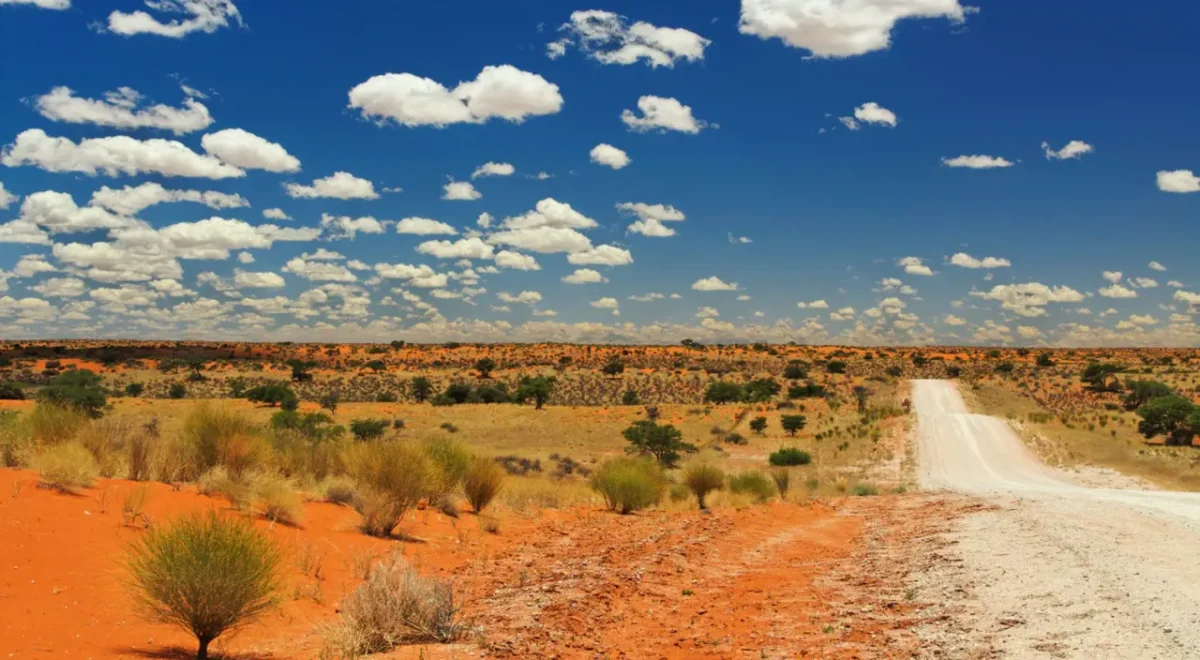
Botswana Desert Safari
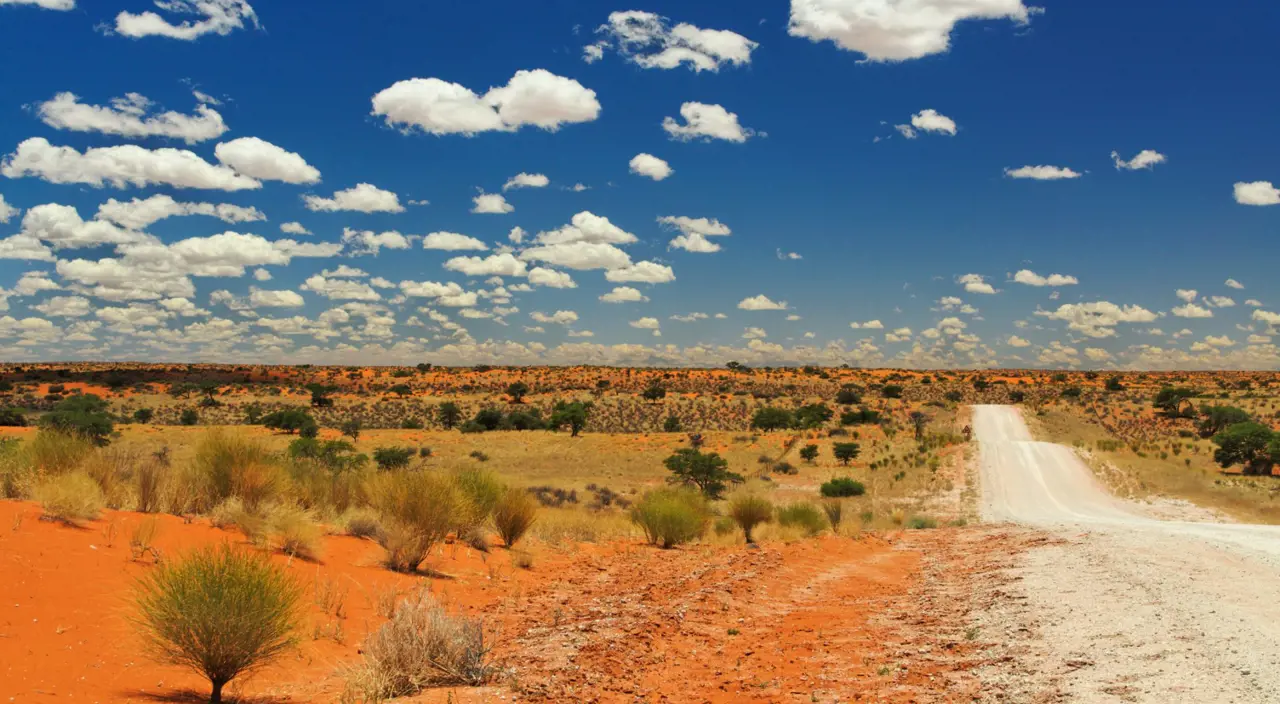
Botswana is often celebrated for its wetlands and elephant-rich river systems, yet a vast portion of the country is defined by dramatic desert and semi-arid landscapes. The Kalahari ecosystem dominates much of Botswana’s geography, creating open horizons, salt pans, fossil riverbeds, and golden grasslands that offer a completely different safari experience from the Okavango Delta.
Botswana’s desert regions are not empty wastelands. They are living, breathing ecosystems shaped by seasonal rainfall, resilient wildlife, and ancient cultural history. For travelers seeking solitude, stark beauty, and rare desert-adapted species, Botswana’s desert safari regions deliver an atmosphere of raw wilderness unmatched elsewhere in Southern Africa.
Why Book This Destination
Explore More about Botswana Desert
The Kalahari Desert in Botswana
The Kalahari is a semi-arid sandy savannah rather than a true desert, covering much of central and western Botswana. The most iconic protected area within this ecosystem is the Central Kalahari Game Reserve, one of the largest game reserves in the world.
Unlike densely vegetated safari parks, the Central Kalahari offers sweeping grass plains and fossil valleys that stretch to the horizon. Wildlife sightings here feel expansive and uncrowded, often with no other vehicles in sight. The reserve is known for its black-maned Kalahari lions, which have adapted to harsh conditions and are particularly striking against the desert backdrop.
Rainfall patterns dramatically influence the landscape. During the green season, grasses bloom and attract migrating herbivores, while the dry season reveals stark terrain and concentrated predator movement.
Makgadikgadi Salt Pans
The Makgadikgadi Pans represent one of the largest salt flats on Earth. These vast white expanses are remnants of an ancient lake system and create a surreal, lunar-like environment during the dry months.
After seasonal rains, parts of the pans fill with shallow water, attracting flamingos and other migratory birds. During dry periods, the terrain becomes a minimalist landscape ideal for quad biking excursions, guided walks, and night sky photography under exceptionally clear desert skies.
The Makgadikgadi region is also known for habituated meerkat colonies, offering rare opportunities to observe these animals at close range in natural settings.
Desert Wildlife and Adaptation
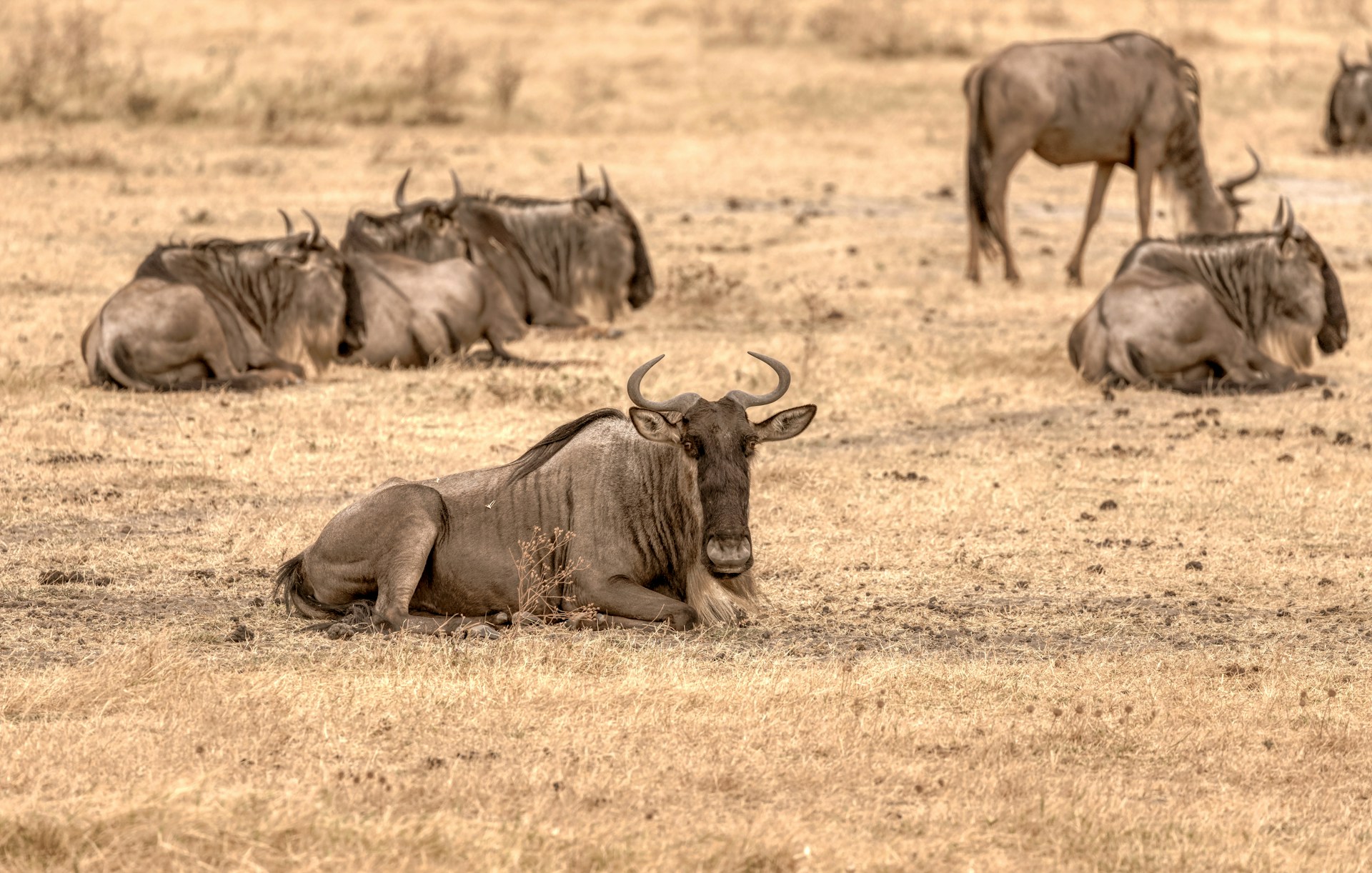
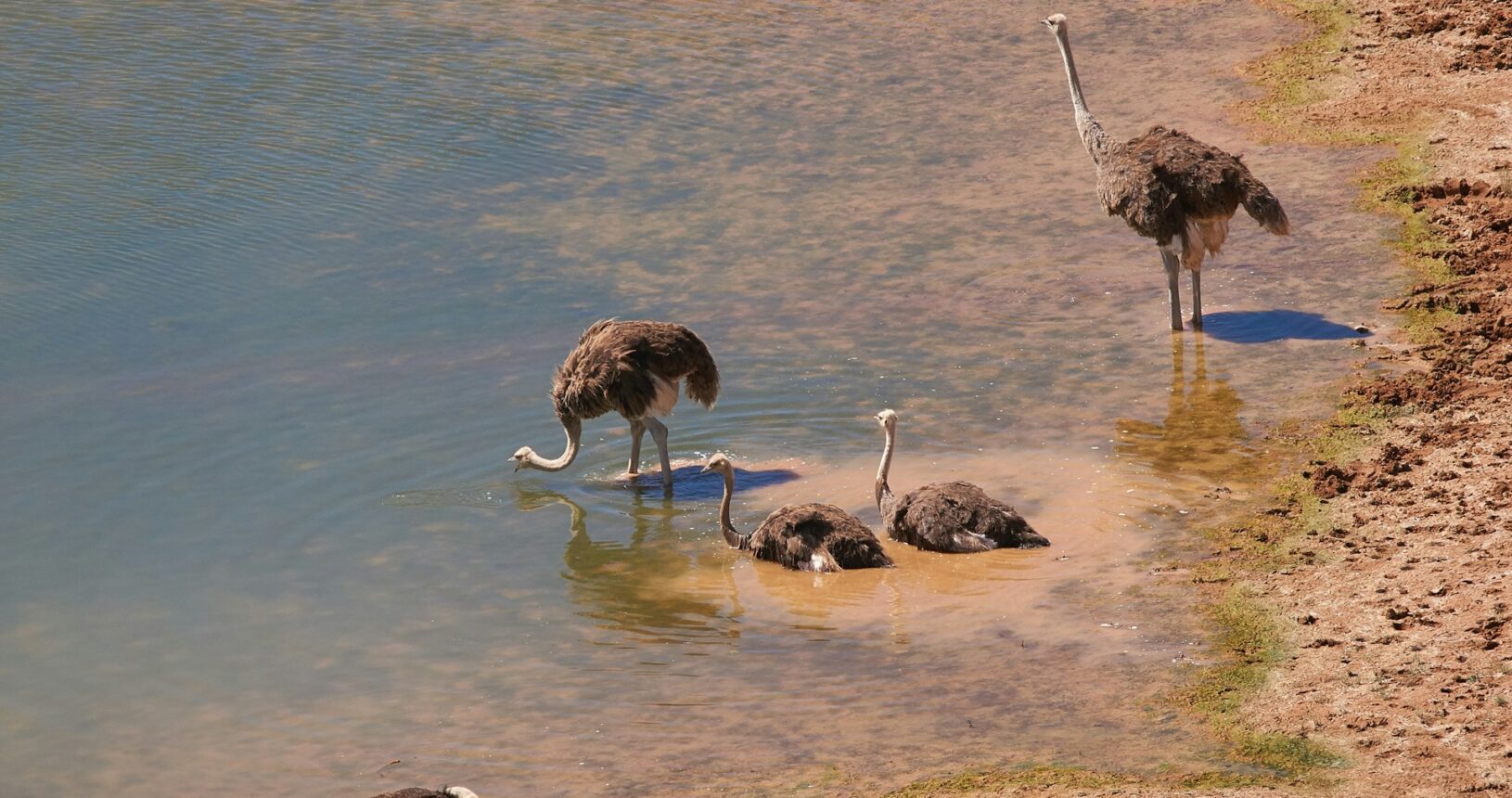
Botswana’s desert ecosystems support species uniquely adapted to survive in semi-arid conditions. Gemsbok, springbok, brown hyena, and bat-eared fox are commonly found in Kalahari regions. Lions in the Central Kalahari are known for covering vast distances between water sources.
While wildlife density is lower compared to northern Botswana’s wetlands, desert sightings feel intimate and dramatic due to the open visibility and stark landscape. Predators are easier to spot across open plains, and the absence of dense vegetation creates long-range viewing opportunities.
Seasonal migrations of herbivores can occur after heavy rains, transforming the desert into a surprisingly active wildlife arena.
Cultural Significance of the Kalahari
The Kalahari is historically home to San communities, often referred to as Bushmen, who have lived in the region for thousands of years. Their traditional knowledge of desert survival, tracking, and plant use remains deeply respected.
Cultural interactions in select areas offer insight into ancient survival techniques and storytelling traditions rooted in the desert environment. The Kalahari landscape is not only ecological but also cultural, carrying one of Africa’s oldest continuous human histories.
Desert Safari Experience vs Delta Safari
A Botswana desert safari differs significantly from experiences in the Okavango Delta. While the delta offers water-based activities such as mokoro excursions and boat safaris, desert regions focus on open-land game drives, walking safaris, and astronomical observation.
The atmosphere in desert camps is defined by isolation and silence. Vast distances between lodges and minimal infrastructure create a sense of remoteness that appeals to travelers seeking privacy and reflection.
For photographers, the contrast of wildlife against golden grasses and endless skies creates striking visual compositions distinct from lush wetland imagery.
Best Time to Visit Botswana’s Desert Regions
The green season, typically from December to March, brings short rains that rejuvenate grasslands and attract grazing animals. This period can offer dynamic predator-prey interaction in the Central Kalahari.
The dry season, from May to October, emphasizes dramatic landscapes, cooler temperatures, and clear skies ideal for stargazing. Wildlife may concentrate around limited water sources, improving sighting consistency.
Each season offers a different desert character, making timing an important planning factor.
Overall Desert Experience in Botswana
Botswana’s desert regions showcase the country’s ecological diversity beyond its famous wetlands. From the black-maned lions of the Central Kalahari to the vast silence of the Makgadikgadi Pans, the desert safari experience emphasizes solitude, adaptation, and scale.
For travelers seeking dramatic scenery, minimal crowds, and a deeper understanding of Africa’s semi-arid ecosystems, Botswana’s desert landscapes provide a powerful and unforgettable safari dimension.
In Africa’s national parks, every sunrise paints a masterpiece — where the wild’s call echoes across endless horizons. Visiting these parks is to witness nature in its purest form, a timeless dance that stirs the soul.
Steps to Book Your Southern Africa Tour
Choose Your Adventure
Confirm Your Booking
Begin Your Journey
Ready to plan your tailor-made safari?